
















- Oatmeal calms inflamed skin; Avenanthramides reduce redness and itching naturally.
- Baking soda soothes irritation and gently removes dead skin cells.
- A short soak works best; 10-15 minutes relieves mild itching and irritation.
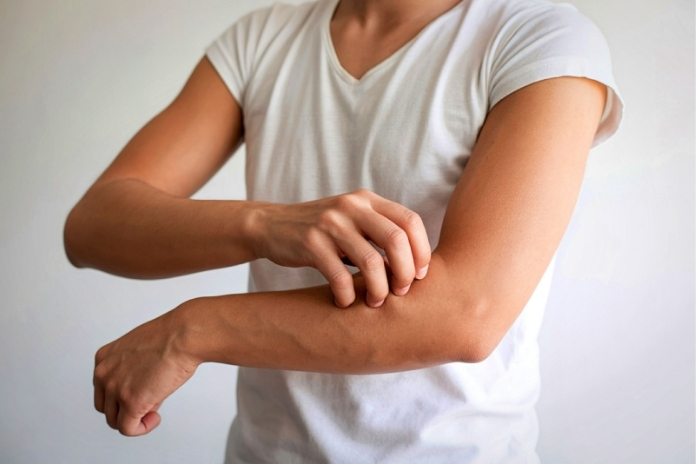
Itchy skin can feel unbearable. The impulse to scratch can make daily life miserable, regardless of the cause, be it sunburn, dry skin, bug bites, allergic reactions, or environmental irritants. Dermatologists frequently recommend simple calming techniques that reduce inflammation without further aggravating the skin
An oatmeal baking soda bath is one mild method that has been around for decades. Finely ground oats release anti-inflammatory and protective chemicals into water when used in an oatmeal bath for itchy skin. This calms irritated skin and helps it heal.
Furthermore, add a little baking soda bath for itching, and you get even more relief from inflammation. Together, they give your skin a gentle boost, helping it recover naturally.
This article will discuss the science behind colloidal oatmeal, how avenanthramides (oat compounds) reduce inflammation, and why baking soda might help maintain the skin pH balance.
Read More: How to Make Oatmeal Diabetes-Friendly: Toppings and Recipes That Work
Why Skin Becomes Intensely Itchy
There is more to itching than meets the eye. The immune system, nerves, and skin cells are all involved in this intricate biological reaction. Knowing the causes of itching makes it easier to understand why an oatmeal soak or other natural itch-relief bath can sometimes relieve it.
The Role of Skin Inflammation
Our skin constantly shields us from pathogens, illnesses, and injuries, acting as a delicate yet effective barrier. As the body’s largest organ, it plays a crucial role in alerting the body to potential problems.
Dermatitis, a technical term for skin irritation, is one such indicator. An immune system trigger causes skin inflammation. The immune system can occasionally target healthy cells when our bodies battle off invaders. Red, puffy, or itchy skin may result. Depending on the underlying cause, several therapies may help reduce or eliminate inflammation.
This issue can be resolved with a skin-soothing bath remedy, such as an oatmeal bath for itchy skin, which helps reduce inflammation and replenish fluids.
Common Causes of Sudden Itchy Skin
Various circumstances can cause sudden itching. A calming soak, such as an oatmeal-baking soda bath, may offer momentary relief for mild skin itching.
The typical reasons for sudden itchy skin are:
- Extremely dry skin
- Skin allergic reaction
- Heat rash
- Eczema
- Scabies
- Psoriasis
- Environmental irritants like pollen or pesticides
Why Oatmeal Baths Are Recommended for Itchy Skin

Dermatologists often recommend oatmeal baths for a variety of skin conditions, including irritation and eczema. Oats contain special chemical ingredients that provide these benefits.
The Science Behind Colloidal Oatmeal
Colloidal oatmeal, which is made from oats broken into an extremely fine powder, is the most effective kind of oatmeal used in skincare products.
What is colloidal oatmeal, and how is it different from ordinary oatmeal, such as what you might have for breakfast? Although both types of oatmeal are natural, healthful, and excellent for you, they serve different purposes and work in different ways.
Lipids, flavonoids, minerals, and vitamins are just a few of the many beneficial qualities found in colloidal oatmeal. Together, these qualities produce a mild yet potent substance. You can buy products that already contain colloidal oatmeal or apply it on your skin on its own (for example, in a bath).
Eczema and sensitive skin can be greatly relieved by colloidal oatmeal. It functions by forming a barrier that keeps allergens out and promotes skin healing.
“Colloidal oatmeal is a natural anti-inflammatory,” says Dr. Rachel Nazarian, a dermatologist in New York City. She adds, “Those with incredibly sensitive skin such as eczema and atopic dermatitis can usually find relief and calm their skin by applying colloidal oatmeal lotion or taking baths that contain oatmeal.”
Anti-Inflammatory Compounds in Oats
Avenanthramides, or oat compounds, are special natural chemicals found in oats. Researchers have investigated the anti-inflammatory and antioxidant qualities of these substances.
Avenanthramides, or oat compounds, could be beneficial in:
- Decreasing inflammation and redness.
- Reducing inflammatory reactions in skin cells.
- Minimizing the itchiness.
How Oatmeal Supports the Skin Barrier
Your skin keeps moisture in and blocks out irritants thanks to its barrier. When that barrier breaks down, your skin starts acting up. It gets flaky, dull, maybe even ashy, and suddenly it feels tight or extra sensitive.
Here’s where oatmeal comes in. The natural sugars and fats in oatmeal bind moisture and help your skin retain it. So, using oatmeal scrubs or washes regularly? They strengthen and smooth your skin, giving it a nice, healthy glow. If your skin gets sensitive, dry, or irritated after shaving or spending time outside, you really need something that helps it bounce back.
Oatmeal does the trick. It gives your skin real moisture and calms down that annoying itch, especially if you’re always dealing with flakes or tightness. Honestly, it’s like wrapping your skin in a cozy blanket, soothing and gentle, no harsh stuff needed.
Read More: Millet vs. Oatmeal for Breakfast: Which Is Healthier for You?
How Baking Soda May Help Calm Skin Irritation
Oatmeal has anti-inflammatory properties, but when used properly, baking soda can provide additional calming effects. Because baking soda has mildly alkaline properties that may affect the skin’s surface, a baking soda bath for itching is often used as a light baking soda soak for skin irritation.
Potential Soothing Effects on Skin
Adding small amounts of baking soda to bathwater may help:
Natural Exfoliant: People have been reaching for bicarbonate of soda to exfoliate their skin for ages. The fine, gritty powder works well to sweep away dirt and dead skin cells. After a gentle scrub, your skin looks fresher and feels noticeably softer.
Lightening Dark Spots: Dark spots show up all the time—sometimes from too much sun, sometimes from old acne, or just because your skin tone isn’t perfectly even. Since baking soda has a mild bleaching effect, many people use it to fade spots and brighten their skin.
Natural Deodorant: Sweat doesn’t smell really bad. When microorganisms on the skin break it down, the odor results. Here, baking soda is also helpful. Its alkaline nature helps control odors, and its antibacterial properties help combat them. It also absorbs moisture.
Why Small Amounts Are Typically Used
Baking soda must be used carefully, even though it may help reduce inflammation.
Baking soda excess can:
- Dry the skin
- Break through the barrier of protection
- It makes you more irritated
That is why dermatology guidelines usually recommend small amounts in a baking soda soak for skin irritation rather than large concentrations.
The 15-Minute Oatmeal and Baking Soda Soak: Step-by-Step
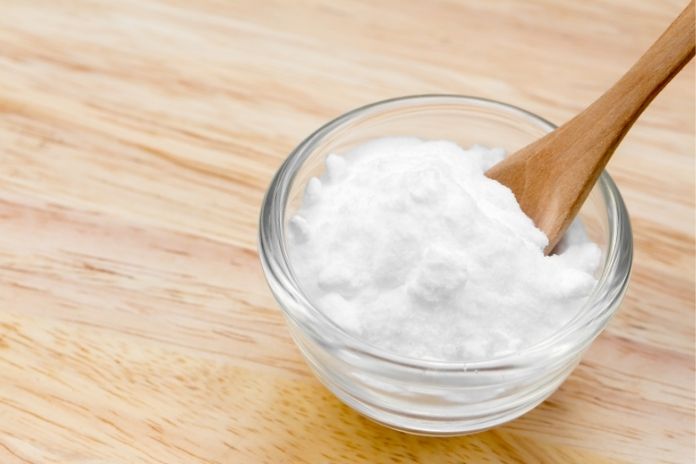
The simplicity of the oatmeal-baking-soda bath is one reason it’s still popular. The ingredients are readily available, affordable, and simple to make.
Ingredients You’ll Need
Get the following ingredients to make this natural itch relief bath:
- Three tablespoons of extra virgin olive oil.
- ¼ cup baking soda.
- Use a coffee grinder or a blender to grind ½ cup of oats finely.
Because they spread uniformly in water, finely powdered oats are crucial.
How to Prepare the Bath
It just takes a few minutes to prepare an oatmeal bath for itchy skin. Among the steps are:
- Mix thoroughly to evenly distribute the items in the bath water.
- Soak for fifteen to twenty minutes.
When you evenly disperse the oatmeal, the bathwater should appear milky.
Soaking Guidelines
It’s crucial to know how long to soak in an oatmeal bath. Recommendations for dermatology include:
- Soak for ten to fifteen minutes.
- Refrain from cleaning inflamed skin.
- Afterward, gently pat the skin dry.
Read More: Oatmeal Baths: The Science-Backed Solution for Dry, Itchy Skin
When an Oatmeal Bath May Be Especially Helpful

An oatmeal baking soda bath may offer short-term comfort in several circumstances, but it is not a solution for medical skin disorders.
Sunburn-Related Itching
Redness, stiffness, and itching are common symptoms of sunburn while damaged skin heals. Try applying your morning cereal to your skin to relieve sunburn. Colloidal oatmeal, a component of oatmeal, can help protect your skin from inflammation and UV damage.
Oatmeal shields your skin from damaging environmental factors (such as pollution and sunburn). Studies have shown that its anti-inflammatory, protective, and moisturizing qualities help the skin heal after environmental damage.
Mild Skin Irritations
Sometimes, a natural itch-relief bath works well for minor skin irritations caused by environmental factors.
Examples consist of:
- Slight rashes.
- Dry skin in the winter.
- Irritation with detergents or soaps.
- Mild allergic responses.
Post-Sunburn Peeling or Tightness
Skin often becomes flaky and dry after sunburns begin to heal—anti-inflammatory substances found in oatmeal shield damaged skin. To make an oatmeal compress, finely ground uncooked oats are combined with water to create a paste.
Before washing off, apply to sunburned areas for ten to twenty minutes. Some lotions contain colloidal oatmeal, which provides the same comfort.
Tips to Get the Most Relief From the Bath
A few easy steps can enhance the benefits of an oatmeal-and-baking-soda bath.
Use Lukewarm Water Instead of Hot
Hot water can exacerbate skin dryness and irritation. While the healthy ingredients in colloidal oatmeal work well, a lukewarm, natural-itch-relief bath helps further reduce discomfort.
Apply a Gentle Moisturizer Afterward
Once the bath is complete, use a fragrance-free moisturizer and gently pat the skin dry. In addition to promoting skin barrier restoration, this stage seals in moisture.
Wear Loose, Breathable Clothing
Tight clothing may rub against delicate skin following a baking soda soak for skin inflammation. While the skin heals, loose clothes lessen irritation and friction.
Situations Where This Bath May Not Be Enough
In mild cases, a home remedy such as a bath can help with itchy skin, but some conditions require medical assistance.
Signs of More Severe Skin Damage
See a doctor if you have any of the following symptoms:
- Blistering sunburn.
- Severe swelling.
- Severe pain.
- Indications of an infection.
Persistent or Worsening Itch
If itching persists despite multiple treatments, a healthcare professional should evaluate the cause.
Itching that doesn’t go away could mean:
- Eczema
- A fungal infection
- Dermatitis
When Medical Advice Is Recommended
See a dermatologist or your healthcare provider if the itching:
- Lasts more than 2 weeks and doesn’t improve with self-care.
- It is severe and keeps you from sleeping or diverts you from your everyday activities.
- Appears abruptly and is difficult to describe.
- Impacts every part of your body.
- Includes additional symptoms such as fever, night sweats, or weight loss.
Read More: The Best and Worst Things to Add to Your Bath, According to Experts
Conclusion
A soothing bath is one of the simplest ways to calm irritated skin. A quick oatmeal bath can help calm itchy skin. It works by boosting your skin’s natural barrier and dialing down inflammation, so you feel less discomfort from dryness, sunburn, or just general irritation.
Just mix finely ground oats with lukewarm water, and soak for a bit. The oats coat your skin and bring some much-needed relief. But if the itching gets really bad, sticks around, or spreads all over, don’t just wait it out—talk to a healthcare provider.
References
- Olivia Young. (December 16, 2022). How to Make an Oatmeal Bath for Dry, Itchy Skin.
- National Eczema Association. (March 20, 2025). Bathing and eczema.
- Sarah UmmYusuf . (October 7, 2013). Soothing Oatmeal Bath for Eczema and Itchy Skin.
- Icebox Cryotherapy Studios.What is skin inflammation and how to treat it.
- American Academy of Dermatology. (2024, September 19). 10 reasons your skin itches uncontrollably and how to get relief.
- Healthdirect Australia. Itchy skin.
- U.S. National Library of Medicine. Itching.
- Mayo Clinic. (Oct. 23, 2024). Itchy skin (pruritus) – Symptoms and causes.
- University of Rochester Medical Center. (2025, July 18). Itching to know: When to seek medical attention for a rash.
- Camryn Rabideau. (September, 10, 2020). Types of oats in skincare — and why they’re so valuable.
- Kenvue.(May 21, 2024). The power of oat: How this ingredient soothes, locks in moisture and nourishes skin.
- Kapoor, R. 5 benefits of using baking soda.
- Rogers Foods. (2022, September 1). Sunburn and oats?
- Amerian, M. L. Sunburn Santa Monica: Natural remedies to ease the ouch
In this Article