


















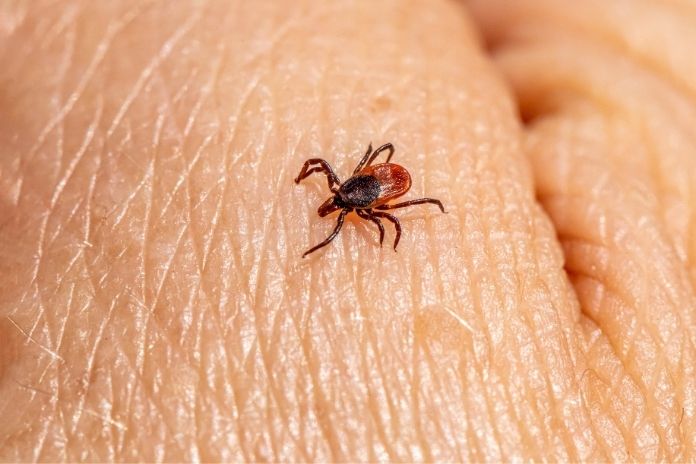
You come home from a hike and later notice a small, dark tick attached to your skin. You remove it, clean the area, and don’t think much of it. A few days later, you feel feverish and achy. Maybe a headache. Maybe a level of fatigue that feels different from a normal cold. That’s when the question sets in: could this be from the tick?
It’s a fair concern. Diseases transmitted by ticks often begin quietly. A simple tick bite can expose someone to a range of tick-borne diseases, and early symptoms frequently look like a routine viral infection. Fever, body aches, chills, headache, and fatigue are common across many tick diseases in humans, which is why these illnesses are often overlooked in the early stages.
At the same time, illnesses spread by ticks are becoming more common in the United States. As tick habitats expand and outdoor exposure increases, risk is no longer limited to remote wooded areas. According to data from the Centers for Disease Control and Prevention, reported cases of tick-borne infections more than doubled between 2004 and 2018.
When disease does occur, early recognition of the symptoms of tick-borne diseases and prompt treatment significantly reduce the risk of complications. Here’s what you need to understand about diseases transmitted by ticks: the range of tick-borne diseases seen in the U.S., their symptoms, and how to protect yourself intelligently.
How Ticks Transmit Diseases
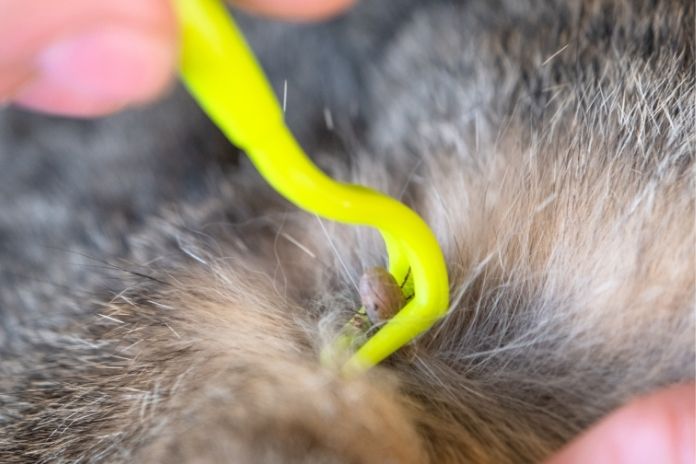
Ticks are small arachnids that survive by feeding on blood from animals and humans. What makes them medically important is their role as vectors, meaning they can carry pathogens from one host and pass them to another during feeding.
How Ticks Feed
Ticks attach firmly to the skin using specialized mouthparts designed to anchor them in place. Many bites go unnoticed because tick saliva contains compounds that dull pain and suppress the local immune response. This gives the tick time to feed without interruption.
Disease transmission doesn’t usually happen right away. The Centers for Disease Control and Prevention notes that in the case of Lyme disease, a tick typically must remain attached for about 36 to 48 hours before the bacteria are transmitted. This delay is why early detection and removal matter so much.
Why Duration Matters
Many pathogens carried by ticks live in the tick’s gut or salivary glands. As feeding continues, these organisms migrate into the saliva and then enter the human bloodstream.
According to infectious disease specialist Gary Wormser of New York Medical College, prompt tick removal sharply lowers the risk of transmission for many bacterial infections. Clinical reviews published in Clinical Infectious Diseases consistently show that the longer a tick stays attached, the higher the chance of infection.
What this means in practice is simple: time is a protective factor if you act early.
Types of Pathogens Spread by Ticks
Ticks can transmit a wide range of organisms, including bacteria such as Borrelia, Rickettsia, and Ehrlichia; viruses like the Powassan virus; and parasites such as Babesia. Because these pathogens affect the body in different ways, tick-borne illnesses don’t follow a single symptom pattern.
This diversity explains why tick-related diseases can look mild at first or present with fever, neurological symptoms, blood abnormalities, or flu-like illness, depending on the organism involved.
Common Tick-Borne Diseases in Humans

Ticks can transmit a wide range of infections, and the symptoms often overlap. That’s why understanding the common patterns matters more than memorizing names.
Lyme Disease
Lyme disease is the most frequently reported tick-borne illness in the United States. It’s caused by Borrelia burgdorferi and transmitted mainly by blacklegged ticks.
Early infection often shows up with an expanding red rash called erythema migrans, sometimes with central clearing. Fever, fatigue, headache, and muscle or joint aches are common at this stage. The Centers for Disease Control and Prevention reports about 30,000 cases each year, but insurance-based analyses suggest the true number may be closer to 476,000 annually.
Without treatment, Lyme disease can progress. Later complications may include facial nerve palsy, inflammatory arthritis, especially in the knees, and heart rhythm disturbances known as Lyme carditis.
Paul G. Auwaerter, M.D., of Johns Hopkins Medicine, emphasizes that early antibiotic treatment is highly effective and prevents most long-term complications. Doxycycline is the standard first-line therapy.
Rocky Mountain Spotted Fever (RMSF)
Despite its name, Rocky Mountain spotted fever is not confined to the Rockies. It occurs across much of the United States and remains one of the more serious diseases transmitted by ticks. RMSF is caused by Rickettsia rickettsii and is primarily spread through the American dog tick and related species after tick exposure.
Among the many tick-borne diseases, this one tends to begin abruptly. High fever. Severe headache. Muscle pain that feels disproportionate. These early symptoms of tick-borne diseases can resemble viral illnesses, which makes early diagnosis challenging.
A rash typically develops two to five days after fever onset. It often starts on the wrists and ankles before spreading inward. But here’s the thing: the rash may be subtle or even absent early on, and waiting for it can delay treatment.
The Centers for Disease Control and Prevention warns that RMSF can become life-threatening if therapy is delayed beyond the first five days of symptoms. Mortality rises sharply with late treatment. Because of this, doxycycline is recommended for both adults and children, regardless of age. Among tick bite diseases, RMSF is one where clinical suspicion and rapid action truly matter.
Ehrlichiosis
Ehrlichiosis is another important example of tick diseases in humans. It is caused by Ehrlichia chaffeensis and related bacteria and is transmitted primarily by the lone star tick. Like many illnesses spread by ticks, it often presents with nonspecific symptoms.
Patients commonly report fever, chills, headache, fatigue, and muscle aches. Some develop a rash, particularly children. These early symptoms of tick-borne diseases can look almost identical to influenza or other viral infections, which increases the risk of missed diagnosis.
According to surveillance data from the Centers for Disease Control and Prevention, reported cases have steadily increased, especially in the South and Midwest. That rise reflects a broader national trend in tick-borne diseases, which are part of the expanding category of vector-borne diseases in the U.S.
When untreated, ehrlichiosis can lead to complications such as respiratory failure, bleeding disorders, or organ damage. Early antibiotic therapy significantly reduces these risks. As with many diseases transmitted by ticks, timing is everything.
Anaplasmosis
Anaplasmosis shares many features with ehrlichiosis and is caused by Anaplasma phagocytophilum. Patients commonly experience fever, severe headache, malaise, and laboratory abnormalities such as elevated liver enzymes.
Guidelines from U.S. public health authorities state that doxycycline is the first-line antibiotic therapy for many serious tick-borne bacterial illnesses (including ehrlichiosis, anaplasmosis, and rickettsial diseases). Early treatment with doxycycline is linked to better outcomes and reduced risk of complications.
Babesiosis
Babesiosis is different. It’s a parasitic infection caused by Babesia microti that infects red blood cells. Symptoms range widely, from mild fatigue to severe disease marked by fever, chills, and hemolytic anemia.
Older adults, people without a spleen, and those with weakened immune systems are at higher risk for severe illness. Research published in Clinical Microbiology Reviews shows that coinfection with Lyme disease is possible because both share the same tick vector.
Treatment typically involves a combination of atovaquone and azithromycin rather than doxycycline alone.
Less Common but Serious Tick-Borne Diseases

Some tick-borne diseases are uncommon, but rarity doesn’t equal safety. A number of these diseases transmitted by ticks progress quickly, trigger severe complications, or lack targeted treatment. That’s why recognizing early warning signs of tick diseases in humans matters.
Powassan virus
Powassan virus infection is rare, but it’s one of the more concerning illnesses spread by ticks. Unlike many other tick bite diseases, transmission can occur rapidly. The Centers for Disease Control and Prevention reports that infection may happen in as little as 15 minutes after tick attachment.
Early symptoms often resemble a routine viral illness: fever, headache, vomiting, and fatigue. But as the infection progresses, neurological symptoms can develop. Confusion. Seizures. Difficulty speaking. In severe cases, it can lead to encephalitis or meningitis.
There is no specific antiviral therapy. Treatment is supportive. What this really means is that prevention and early medical evaluation are critical whenever concerning symptoms of tick-borne diseases appear after known or possible tick exposure.
Tularemia
Tularemia is caused by Francisella tularensis. While ticks can transmit it, infection may also occur through contact with infected animals or inhalation of contaminated particles. Among tick diseases in humans, this one stands out for its multiple transmission routes.
Symptoms vary depending on how the bacteria enter the body. Many patients develop a skin ulcer at the bite site, swollen lymph nodes, and fever. Without treatment, tularemia can progress to severe systemic illness. Like many diseases transmitted by ticks, early diagnosis dramatically improves outcomes.
Tick-Borne Relapsing Fever
Tick-borne relapsing fever is caused by certain Borrelia species distinct from those responsible for Lyme disease. Its hallmark is a repeating cycle of symptoms.
Patients develop high fever, headache, and muscle aches that resolve, only to return days later if untreated. These cycles can repeat multiple times. Diagnosis often requires blood testing during active fever episodes, when bacteria are most detectable.
Because symptoms improve and recur, this condition is sometimes mistaken for repeated viral infections rather than one of the many tick-borne diseases that require antibiotics.
Tick-Borne Diseases by Geographic Region
Tick species vary by region, shaping the landscape of illnesses spread by ticks.
In the Northeast and Upper Midwest, Lyme disease, babesiosis, and anaplasmosis are more common. In the Southeast and South-Central U.S., Ehrlichiosis and Rocky Mountain spotted fever dominate patterns of tick bite diseases.
On the West Coast, Lyme disease is less frequent, while tularemia is more relevant in certain areas. Powassan virus cases are primarily reported in the Upper Midwest and Northeast.
Travel history matters. Clinicians routinely ask where possible tick exposure occurred because geography directly influences which tick-borne diseases are considered and tested for. The Centers for Disease Control and Prevention has noted that climate shifts and wildlife migration are expanding tick habitats northward, reshaping regional risk patterns. These infections are part of a broader rise in vector-borne diseases across the United States.
Early Symptoms Shared by Many Tick-Borne Diseases
Despite being caused by different bacteria, parasites, or viruses, early symptoms of tick-borne diseases overlap significantly. Fever. Chills. Fatigue. Headache. Muscle or joint pain. These features appear across many tick diseases in humans.
A rash may or may not develop. Lyme disease often causes an expanding bull’s-eye rash, while Rocky Mountain spotted fever typically begins with a rash on the wrists and ankles. Other tick-borne diseases may produce no rash at all.
Because these symptoms resemble common viral illnesses, recent or possible tick exposure should always be reported to a healthcare provider.
When Symptoms May Appear After a Tick Bite
Incubation periods vary widely among diseases transmitted by ticks.
- Lyme disease: 3 to 30 days
- Rocky Mountain spotted fever: 2 to 14 days
- Ehrlichiosis and Anaplasmosis: typically 5 to 14 days
- Babesiosis: 1 to 4 weeks
Importantly, many people never notice the tick itself. Small ticks can attach in hidden areas and fall off unnoticed. Monitoring for symptoms of tick-borne diseases for several weeks after potential exposure is reasonable, especially in regions where tick-borne diseases are common.
If there’s one practical takeaway, it’s this: timing and awareness matter more than panic. Early evaluation is what prevents minor tick diseases in humans from becoming major complications.
Who Is at Higher Risk for Complications

Not everyone responds to tick-borne diseases the same way. Host factors matter. Age, immune status, and underlying conditions can all influence how severely diseases transmitted by ticks unfold.
Children under 10 face a higher risk of severe illness from Rocky Mountain spotted fever, one of the more dangerous tick-borne diseases in the United States. In this group, symptoms can escalate quickly, and early treatment is critical.
Adults over 60 are more vulnerable to complications across multiple tick diseases in humans, including bacterial and parasitic infections. Aging immune systems may not contain pathogens as efficiently, which increases the risk of hospitalization.
People with weakened immune systems, whether due to medical conditions or immunosuppressive therapies, are also at greater risk of severe outcomes from various illnesses spread by ticks. What might present as mild fever and fatigue in one person can progress to organ involvement in another.
Individuals without a spleen face particular danger from babesiosis. The spleen plays a critical role in clearing infected red blood cells. Without it, the parasite can multiply more aggressively, leading to severe anemia and systemic complications. Among all tick-borne diseases, babesiosis is especially concerning in this population.
Across every risk group, delayed diagnosis remains one of the strongest predictors of poor outcomes. Many early symptoms of tick-borne diseases mimic viral illnesses, which contributes to missed or late treatment. In bacterial infections such as ehrlichiosis and anaplasmosis, prompt antibiotic therapy significantly reduces the likelihood of severe complications.
The pattern is consistent across most vector-borne diseases: early recognition changes the trajectory. Awareness after known or possible tick exposure is what turns a manageable infection into a preventable complication.
What to Do After a Tick Bite
Correct removal lowers infection risk. The Centers for Disease Control and Prevention recommends using fine-tipped tweezers to grasp the tick as close to the skin as possible, then pulling upward with steady, even pressure. After removal, clean the area with soap and water.
Avoid twisting the tick, burning it, or applying substances like petroleum jelly. These methods increase the chance of pathogen transmission rather than preventing it.
When to Seek Medical Care
Medical evaluation is warranted if fever, rash, or flu-like symptoms develop in the days or weeks following a bite. Care is also reasonable if the tick was attached for more than 24 to 36 hours in a Lyme-endemic area or if symptoms appear within several weeks of exposure.
Even without a visible rash or remembered bite, symptoms following outdoor exposure should raise suspicion.
Are Preventive Antibiotics Needed?
Preventive antibiotics are not routine. In certain high-risk Lyme areas, a single dose of doxycycline may be offered if the tick was attached for at least 36 hours and removed within 72 hours. Outside of these narrow criteria, the CDC does not recommend preventive antibiotics for most tick bites.
How Doctors Diagnose Tick-Borne Diseases
Diagnosis begins with symptom patterns and exposure history, not lab results alone.
Blood tests often look for antibodies, but these may not appear early in infection. In Lyme disease, antibodies typically become detectable two to four weeks after infection. Early tests can be falsely negative.
Because of this delay, doctors may begin treatment based on clinical suspicion, especially for high-risk infections.
According to the Centers for Disease Control and Prevention, clinicians should not wait for laboratory confirmation before starting treatment for diseases like Rocky Mountain spotted fever because early treatment with antibiotics such as doxycycline is critical to prevent severe outcomes.
Treatment Options for Tick-Borne Diseases
Most bacterial tick-borne infections respond well to doxycycline when started early. Timely treatment shortens illness, reduces complications, and can be life-saving in diseases like RMSF.
Babesiosis, which is parasitic rather than bacterial, requires specific antiparasitic medications. Viral infections such as Powassan virus have no targeted antiviral therapy, so treatment focuses on managing complications, including neurological swelling or seizures.
How to Reduce Your Risk of Tick-Borne Diseases
Prevention is practical and highly effective.
Wearing long sleeves and pants in wooded or grassy areas reduces skin exposure. EPA-registered repellents containing DEET or picaridin provide reliable protection, and treating clothing with permethrin adds another layer of defense.
After outdoor activity, thorough tick checks matter. Common hiding spots include the scalp, underarms, behind the knees, and the groin. Showering within two hours helps remove unattached ticks.
At home, keeping grass trimmed, removing leaf litter, and using veterinarian-recommended tick prevention for pets reduces exposure. CDC data show that consistent use of repellents and regular tick checks significantly lowers the risk of tick-borne disease.
Read More: Why Some People Never Seem to Get Sick (And What We Can Learn From Them)
The Practical Takeaway
Ticks don’t cause just one illness, and they don’t follow a predictable script. A single bite can transmit bacterial, viral, or parasitic infections. That’s the reality of tick-borne diseases. The broader category of diseases transmitted by ticks includes conditions that range from mild and self-limited to rapidly progressive and life-threatening.
Most tick bites never lead to illness. But assuming every bite is harmless is where risk creeps in. As tick habitats expand, illnesses spread by ticks are no longer confined to a handful of wooded regions. Exposure can happen in suburban yards, local parks, or hiking trails. Awareness is no longer optional. It’s basic health literacy.
What matters most after tick exposure isn’t panic. It’s attention. Fever. Fatigue. Headache. Muscle aches. A new rash. These early symptoms of tick-borne diseases often resemble routine viral infections, which is why many tick diseases in humans are initially overlooked. But this early window is also when treatment works best.
For bacterial tick bite diseases in particular, prompt antibiotics can dramatically reduce the risk of complications. Delayed diagnosis remains one of the strongest predictors of severe outcomes across multiple tick-borne diseases.
Prevention and response go hand in hand. Protective clothing, EPA-registered repellents, and thorough tick checks reduce risk. Prompt, proper removal lowers the chance that pathogens responsible for diseases transmitted by ticks are passed on. Informed symptom monitoring ensures that emerging tick-borne diseases are caught early.
The bottom line is straightforward: tick-borne diseases are increasing, diseases transmitted by ticks are more geographically widespread than before, and early action makes a measurable difference. Paying attention after a bite isn’t overreacting. It’s how you stay ahead of infections that start small but don’t have to end badly.
References
- Centers for Disease Control and Prevention. (n.d.). About ticks.
- GoodRx Health. (n.d.). Tick-borne diseases: Symptoms, causes, and treatment.
- Harvard Health Publishing. (n.d.). Be alert to an increasingly common threat: Tick-borne illnesses
- Health.com. (n.d.). Tick-borne diseases.
- IGeneX. (n.d.). A quick overview of the most common tick-borne diseases.
- Mayo Clinic Staff. (n.d.). Tick species and alpha-gal syndrome.
- Minnesota Department of Health. (n.d.). Tick-borne diseases.
- One Health Trust. (n.d.). Tick-borne diseases: A One Health perspective [Infographic].
- South Carolina Department of Public Health. (n.d.). Ticks can spread diseases.
- Washington State Department of Health. (n.d.). Tick-borne diseases.
- Wikipedia contributors. (n.d.). Tick-borne disease
- Zhang, X., et al. (2020). Tick-borne diseases: Diagnosis, surveillance, and control. Clinical Microbiology Reviews, 33(1), e00030-19.
- Zhou, Y., et al. (2024). Global burden and emerging threats of tick-borne diseases. Pathogens, 13(7), 556.
- Zhang, L., et al. (2024). Vaccines and prevention strategies for tick-borne infections. Vaccines, 12(2), 141.
In this Article