



















You’re standing in the grocery aisle, debating between extra-sharp cheddar and olive oil. If you’ve been reading about APOE4 and diet, you already know food choices can feel more loaded than they used to. Maybe you’ve even seen headlines about the Alzheimer’s gene and high-fat cheese, suggesting dairy could protect the brain. For a moment, that sounds reassuring. Then you remember you carry APOE4.
Research on APOE4 and saturated fat shows that this gene changes how the body processes fats, handles cholesterol, and regulates inflammation in the brain. What works for the general population doesn’t always translate the same way for Alzheimer’s gene carriers.
This is where the confusion around cheese begins. Some long-term studies suggest higher cheese intake is linked to lower dementia risk overall. But when researchers account for genetic risk, that protective signal often weakens or disappears in people with APOE4. In some cases, high saturated fat intake may even work against brain health in this group.
So the real question isn’t whether cheese is good or bad for the brain in general.
It’s whether it supports a brain that processes fat differently.
Let’s break down what that actually means for you.
The APOE4 “Alzheimer’s Gene”: What It Means for Your Brain

APOE stands for apolipoprotein E. It’s a gene that helps move cholesterol and other fats through the bloodstream and inside the brain. Think of it as a lipid transport system. How well it works depends on which version you carry.
There are three main variants: APOE2, APOE3, and APOE4. APOE3 is the most common and considered neutral. APOE2 appears somewhat protective. APOE4 is the one associated with a higher Alzheimer’s risk.
According to clinical genetic research, carrying one copy of the APOE4 variant increases the risk of developing Alzheimer’s disease by about two to three times, and having two copies raises that risk roughly eight to twelve times compared with people without the variant, even though many APOE4 carriers never develop the disease, and people without it still can.
As researchers note, APOE4 increases susceptibility to Alzheimer’s, but it doesn’t guarantee disease. Lifestyle, diet, physical activity, and environmental factors interact with genetic risk to influence whether someone develops Alzheimer’s.
Biologically, APOE4 behaves differently in the brain. Compared to other variants, it’s associated with:
- Less efficient cholesterol transport between brain cells
- Higher oxidative stress
- Greater baseline inflammation
- Reduced clearance of amyloid-beta, the protein that accumulates in Alzheimer’s disease
These are not minor differences. They sit at the center of Alzheimer’s pathology. APOE4 doesn’t cause damage on its own, but it lowers the brain’s tolerance for metabolic and inflammatory stress.
Why Diet Matters More for APOE4 Carriers
The brain is nearly 60% fat by dry weight. That alone tells you why lipid balance matters, especially when lipid handling is already compromised.
A review in Frontiers explains that APOE4 alters lipid handling and cholesterol transport in the brain, which contributes to impaired cholesterol efflux and altered amyloid metabolism compared with other APOE isoforms.
These lipid metabolism differences help explain why high dietary saturated fat intake interacts with APOE4 to influence Alzheimer’s risk and amyloid accumulation.
Research shows that higher saturated fat intake is associated with faster cognitive decline in APOE4 carriers, suggesting that how the body handles dietary fats differs by genotype. Among APOE4 carriers, higher saturated fat intake was linked with greater cognitive decline, while unsaturated fats did not show the same association
What this really means is that APOE4 shrinks your margin for error.
A diet that’s merely “not great” for someone else can become actively harmful over time for an APOE4 brain. Conversely, dietary changes that reduce inflammation, improve lipid handling, and support metabolic flexibility can have an outsized protective effect.
When APOE4 is involved, genetics and diet aren’t separate conversations. They’re tightly linked. Food isn’t just fuel anymore. It’s a modifier of risk.
Read More: How Sugar-Coated Proteins May Drive Alzheimer’s by Sabotaging the Brain’s Defenses
What the 25-Year Swedish Study Found About Cheese and Dementia
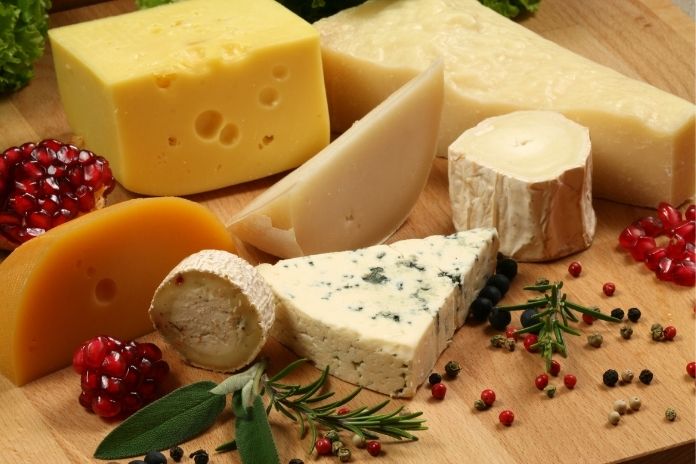
One of the most discussed findings on cheese and dementia risk comes from a long-term Swedish cohort study tracking dietary habits over 25 years.
The “29% Edge”: But Not for Everyone
In this population-based study, individuals consuming approximately 50 grams of high-fat cheese daily had a 29% lower risk of vascular dementia compared to low consumers.
However, the protective effect was observed only in participants who did not carry APOE4.
For non-carriers, moderate high-fat dairy and brain health appeared linked, possibly due to:
- Fermentation-related bioactive compounds
- Vitamin K2 in aged cheeses
- Calcium-protein “cheese matrix” effects that alter fat absorption
Vascular dementia prevention may be influenced by these factors.
When High-Fat Dairy May Backfire
For APOE4 carriers in the same dataset, higher saturated fat intake correlated with faster cognitive decline.
A separate study published in JAMA Neurology found that high saturated-fat diets were associated with a 2-fold increased risk of Alzheimer’s disease, particularly in genetically susceptible individuals.
The issue isn’t cheese alone. It’s how saturated fat interacts with APOE4-related lipid metabolism and inflammation.
Saturated vs. unsaturated fats for brain health matter more when APOE4 is present.
How Saturated Fat Impacts APOE4 Brains
Saturated fat increases LDL cholesterol. In APOE4 carriers, lipid clearance is already impaired.
Research shows that APOE4 is associated with greater disruption of oxidative lipid metabolism in the brain, a condition that can be worsened by diets high in saturated fat and linked to increased oxidative stress and lipid peroxidation, processes closely tied to neurodegeneration in Alzheimer’s disease.
Oxidative stress may accelerate amyloid plaque formation.
Dr. David Perlmutter, a neurologist who explores metabolic influences on brain health, emphasizes that diet, particularly fat quality and carbohydrate patterns, can modulate Alzheimer’s risk in APOE4 carriers, with reduced saturated fat and higher unsaturated fats linked with better outcomes.
This doesn’t mean cheese is toxic. It means context matters.
What Actually Helps APOE4 Carriers Protect Their Brain
If high-fat cheese isn’t reliably protective for APOE4 carriers, the obvious next question is, what actually helps?
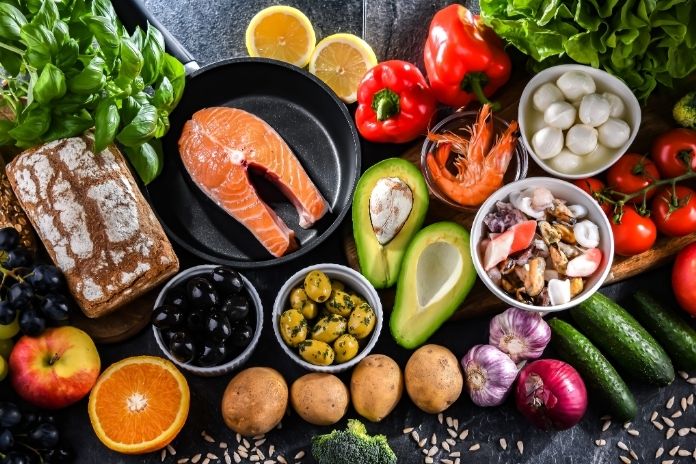
The answer isn’t one superfood. It’s a pattern. APOE4 brains tend to do better with diets that reduce inflammatory load, improve lipid handling, and support metabolic stability over time. The evidence here is far more consistent than the cheese headlines.
Let’s break down what the research points to most clearly.
Mediterranean-Style Diet
The Mediterranean diet and APOE4 connection is one of the most studied areas in nutritional neuroscience.
A large analysis found that strong adherence to a Mediterranean-style diet was associated with roughly a 33 to 35 percent lower risk of cognitive decline, including in people who carry APOE4. That’s important because it suggests genetic risk does not cancel out dietary benefit.
This pattern emphasizes the following:
- Extra virgin olive oil as the primary fat
- Fatty fish
- Leafy greens and colorful vegetables
- Legumes and whole grains
- Minimal ultra-processed foods and refined sugars
Harvard Health Publishing consistently identifies this approach as the most evidence-backed diet for long-term brain health.
One key reason it works for APOE4 carriers is fat quality. Olive oil is rich in monounsaturated fats and polyphenols, which appear far less inflammatory than saturated fats and may support healthier cholesterol transport in the brain.
Omega-3 Fatty Acids and APOE4
DHA and EPA, the omega-3 fats found in salmon, sardines, anchovies, and mackerel, are structural components of brain cell membranes. They support membrane flexibility, synaptic signaling, and anti-inflammatory pathways.
A study in The American Journal of Clinical Nutrition showed that higher DHA intake was associated with slower cognitive decline, particularly among individuals at increased genetic risk for Alzheimer’s disease.
This matters even more for APOE4 carriers because research suggests they may transport DHA into the brain less efficiently than non-carriers. In practical terms, they may need higher or more consistent intake to achieve the same neural benefit.
That makes regular fish consumption especially important. Not occasionally. Consistently.
Low-Glycemic, Anti-Inflammatory Focus
Alzheimer’s disease is increasingly linked to insulin resistance and metabolic dysfunction, sometimes referred to as “type 3 diabetes.”
According to the NIH, impaired glucose metabolism worsens amyloid accumulation and neuroinflammation, two processes already heightened in APOE4 brains.
This is why a low-glycemic, anti-inflammatory dietary pattern matters so much for carriers. Reducing blood sugar spikes reduces oxidative stress and inflammatory signaling in the brain.
This approach emphasizes the following:
- Fiber-rich vegetables
- Whole grains over refined flour
- Lean protein sources
- Healthy fats like olive oil, nuts, and fish
What this really does is stabilize the metabolic environment your brain operates in. For APOE4 carriers, that stability is protective.
The Practical Takeaway
APOE4 doesn’t mean you’re powerless. It means your brain is less forgiving.
Dietary patterns that lower inflammation, prioritize unsaturated fats, support glucose control, and provide consistent omega-3 intake appear to work with APOE4 biology instead of against it.
This isn’t about perfection. It’s about alignment. When food choices match how your brain processes fats and fuel, genetic risk becomes something you manage, not something that defines you.
Read More: Understanding Alzheimer’s Disease: Symptoms, Stages, and Early Warning Signs
High-Fat Cheese for Non-Carriers, Safe in Moderation
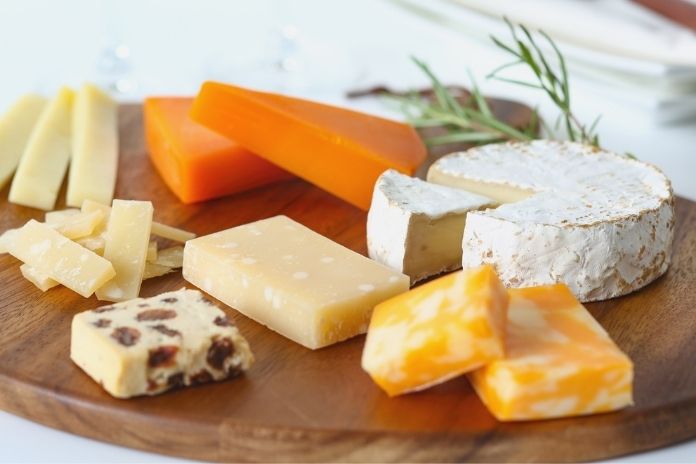
If you do not carry APOE4, the picture around cheese is far less restrictive. That doesn’t make cheese a free-for-all, but it does mean it can fit into a brain-healthy diet when eaten thoughtfully.
The key distinction is response. Non-carriers tend to handle saturated fat more efficiently, with less downstream inflammation and better cholesterol transport. That difference changes how cheese behaves metabolically.
Why the “Cheese Matrix” May Help
Cheese is often reduced to one number: saturated fat. That’s an oversimplification.
The “cheese matrix” refers to the way fats interact with proteins, calcium, and bioactive compounds formed during fermentation. This structure appears to change how saturated fat is absorbed and how it affects cholesterol.
Studies published in The American Journal of Clinical Nutrition have shown that cheese raises LDL cholesterol less than butter, even when both contain similar amounts of saturated fat. In other words, the food form matters, not just the fat content.
Fermented cheeses such as cheddar, gouda, and brie also provide vitamin K2, a nutrient linked to vascular health through its role in directing calcium away from arteries and into bones. Vascular integrity matters for brain health, since cerebral blood flow is a major determinant of cognitive function.
Aged cheeses may also contain probiotic and postbiotic compounds that influence gut-brain signaling. While this research is still developing, early findings suggest fermented foods can support neuroimmune balance.
Moderation Still Matters
Even for non-carriers, more is not better. High saturated fat intake is consistently associated with increased cardiovascular risk, and vascular health is inseparable from brain health.
According to current U.S. guidelines, saturated fat should make up no more than 10% of total daily calories to help reduce cardiovascular risk. This is a widely cited limit in official nutrition advice aimed at lowering LDL cholesterol and long-term heart disease risk.
In observational studies where cheese appeared protective, intake was modest. In the Swedish cohort often cited, benefits were seen around 30 to 50 grams per day, roughly one to two ounces. That’s a slice or two, not half a block.
Beyond that range, potential gains may be offset by higher LDL cholesterol and vascular strain.
The Bottom Line for Non-Carriers
If you don’t carry APOE4, cheese can be part of a healthy diet, especially when it’s fermented, minimally processed, and eaten in reasonable portions.
It’s not a brain supplement. It’s a food.
When paired with vegetables, olive oil, whole grains, and an overall anti-inflammatory pattern, cheese can fit without undermining long-term brain health. The benefit comes from context and moderation, not from excess.
Personalized Nutrition: How to Know If You Carry APOE4

Here’s the thing: APOE4 isn’t something you can guess from symptoms, family history, or how your body reacts to food. The only way to know is through genetic testing.
There are two main paths.
Clinical genetic testing is ordered by a physician and often paired with medical counseling. This route is more structured, integrates results into your health record, and is useful if you already have cardiovascular or neurological risk factors.
Direct-to-consumer genetic kits offer a faster, more accessible option. These tests can identify APOE variants, but they typically provide raw data or simplified summaries without clinical interpretation.
That’s where guidance matters.
The National Society of Genetic Counselors strongly recommends reviewing APOE results with a qualified professional. Not because the gene is destiny, but because context changes everything. APOE4 influences cholesterol transport, inflammation, and brain metabolism, but how those effects show up depends on lifestyle, age, sex, and overall metabolic health.
Dietary fat quality, insulin sensitivity, fiber intake, micronutrients, and gut health all interact with APOE pathways. Two people with the same gene variant can have very different outcomes depending on those variables.
APOE4 and diet are deeply connected, but they never act alone. Personalized nutrition works best when genetics informs decisions rather than dictates them.
The Takeaway: Match Your Diet to Your DNA
Diets high in saturated fat, including frequent or large amounts of cheese, can intensify inflammatory signaling, impair cholesterol transport in the brain, and interfere with amyloid clearance. This is where the discussion around APOE4 and saturated fat becomes especially important. In the broader conversation about APOE4 and diet, food choices carry more neurological weight for carriers than for the general population.
Patterns centered on extra virgin olive oil, omega-3-rich fish, vegetables, legumes, and low-glycemic carbohydrates consistently show better outcomes for cognitive and vascular health. Within the framework of APOE4 and diet, these unsaturated fat–forward patterns appear metabolically safer and more supportive of long-term brain resilience.
For non-carriers, the story is less restrictive. When looking at the relationship between the Alzheimer’s gene and high-fat cheese, genetic status changes the equation. Moderate portions of high-fat, fermented cheese, roughly 30–50 grams per day, can fit within a balanced diet for those without the risk allele, without the same neurological downside.
The cheese matrix, fermentation, calcium, and vitamin K2 appear to soften cardiovascular impact when intake stays controlled, and the overall diet remains nutrient-dense. What matters most is the pattern, not a single food. Across genetic profiles, Mediterranean-style eating remains the most consistent model within conversations about APOE4 and diet and long-term brain protection.
Your genes shape vulnerability. Your daily choices shape your trajectory.
FAQ: People Also Ask
Does high-fat cheese cause Alzheimer’s?
No food directly causes Alzheimer’s. However, high saturated fat intake may increase risk in genetically susceptible individuals, particularly APOE4 carriers.
If I have APOE4, should I avoid cheese entirely?
Not necessarily. Moderate intake within a Mediterranean-style diet may be acceptable, but prioritizing unsaturated fats is generally recommended.
Is APOE4 testing worth it?
Testing can inform personalized nutrition strategies but should be discussed with a healthcare provider, as results can carry emotional and medical implications.
What is the best diet for APOE4 carriers?
Current evidence supports a Mediterranean-style, omega-3-rich, low-glycemic dietary pattern emphasizing unsaturated fats over saturated fats.
References
- European Journal of Nutrition. (2017). Dietary fats and cognitive health.
- Euronews. (2025, December 19). Eating full-fat cheese and cream linked to lower dementia risk, Swedish study finds
- Frontiers in Aging Neuroscience. (2020). Metabolic dysfunction and neurodegeneration.
- Harvard T.H. Chan School of Public Health. (2026). Experts question study linking whole-fat dairy to better brain health.
- Harvard University. (2025). Mediterranean diet offsets genetic risk for dementia, study finds.
- JAMA Neurology. (2011). Glucose metabolism and Alzheimer’s disease.
- Lund University. (2026). Full-fat cheese linked to lower risk of dementia.
- MedPage Today. (2026). Whole-fat dairy intake and dementia risk.
- National Institutes of Health. (2017). The role of glucose metabolism in Alzheimer’s disease.
- NDTV Health. (2026). Can eating high-fat cheese and cream reduce dementia risk?.
- Neurology Today. (2026). Dietary fat, dairy intake, and cognitive outcomes.
- Perlmutter, D. (n.d.). How food choices can override Alzheimer’s risk.
- PubMed. (2011). Dietary patterns and dementia risk.
- PubMed. (2021). Diet, metabolic health, and cognitive decline.
- PubMed. (2024). Whole-fat dairy intake and cognitive decline.
- PubMed. (2024). Long-term dietary fat intake and dementia outcomes.
- PubMed. (2026). Full-fat dairy consumption and dementia risk.
- PubMed Central. (2017). Brain glucose metabolism and Alzheimer’s disease.
- ScienceAlert. (2026). Cheese linked to lower dementia risk in 25-year study.
- ScienceDaily. (2026). High-fat cheese consumption associated with lower dementia risk.
- Science Media Centre Spain. (2026). Study links consumption of full-fat cheese to lower risk of dementia
- The Economic Times. (2026). Scientists reveal how cheese may protect your brain.
- Times of India. (2026). High-fat cheese may reduce dementia risk, study finds.
In this Article