


















When you’re in your 20s, you often feel invincible. Habits formed now shape heart health, metabolism, and stress resilience for decades. These aren’t regrets; they’re lessons for proactive changes toward healthier futures.
In this article, we’ll explore key lifestyle choices like nutrition, exercise, sleep, and stress management that set the foundation for long-term well-being.
“Sleep services all aspects of our body: molecular, energy balance, intellectual function, alertness, and mood,” says Dr. Merrill Mitler, NIH Sleep Disorders Expert.
Treating Sleep as Optional
Late nights and irregular schedules create sleep debt that impairs memory, immunity, and metabolism in young adults. Chronic deprivation elevates risks for anxiety, depression, and heart disease over time.
Early Warning Signs
Early warning signs of imbalance often appear subtly at first. Mood swings can signal underlying emotional instability, while poor focus and cognitive fog may point to mental fatigue or nutritional deficiencies.
Over time, weakened immunity can also emerge, making you more prone to frequent colds or infections. This can be an indication that your body needs better rest, nutrition, and stress management.
Read More: 11 Usual New Year Health Mistakes We Tend To Make!
Long-Term Consequences: Sleep loss disrupts hormone balance, slows recovery, and primes the body for metabolic disorders like insulin resistance.
What to Do Differently
To improve sleep quality, aim for 7 to 9 hours each night while maintaining consistent bed and wake times. Create a calming wind-down routine by dimming the lights and avoiding screens at least an hour before bedtime.
For deeper, uninterrupted rest, use blackout curtains to block light and white noise to minimize distractions.
Stress Normalized as Ambition
Chronic stress in your 20s rewires brain circuits, spikes cortisol, and fuels depression, anxiety, and metabolic syndrome. “Hustle culture” masks fatigue and irritability as badges of honor.
Hidden Daily Toll
The hidden toll of daily stress often shows up in subtle yet persistent ways. You might feel constant exhaustion even after adequate rest or notice recurring digestive issues and muscle tension.
Over time, heightened reactivity to minor setbacks can also emerge, signaling that your body and mind are under ongoing strain that needs attention and recovery.
Future Health Risks: Elevated cortisol promotes abdominal fat, weakens heart resilience, and raises cardiovascular disease risk later.
Proactive Shift
- 5-10 minutes of guided breathing apps.
- Short 10-minute walks to reset cortisol levels.
- Log triggers and patterns for targeted relief.
Alcohol as Social Default

Regular drinking in your 20s disrupts sleep architecture, stalls brain maturation, and boosts obesity, liver strain, and hypertension risks. Moreover, building tolerance hides mental fog, dehydration, and sluggish recovery.
Immediate Effects
- Fragmented sleep despite feeling “tired.”
- Next-day anxiety and reduced motivation.
- Impaired judgment increases accident risks.
Read More: 6 Common Health Issues Women Face in Their 20s (And How to Prevent Them)
Cumulative Damage
- Liver inflammation from repeated exposure.
- Addiction pathways strengthened over time.
- Weight gain from empty calories and appetite spikes.
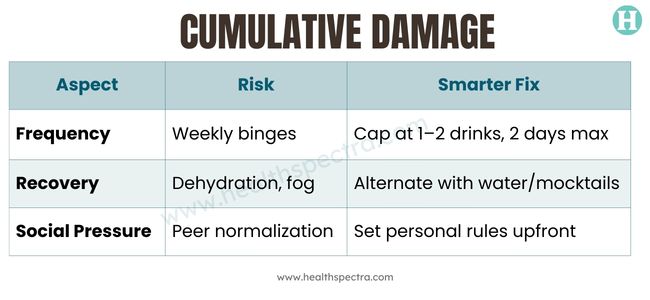 Smarter Approach
- Limit intake: 1-2 standard drinks weekly max.
- Hydrate actively: Match each drink with water.
- Opt for low-alcohol or non-alcoholic alternatives at events.
- Track via app to spot patterns early.
These habits compound quietly. By prioritizing sleep, stress management, and mindful drinking now, you build resilience for decades ahead. Small shifts yield big gains without extremes.
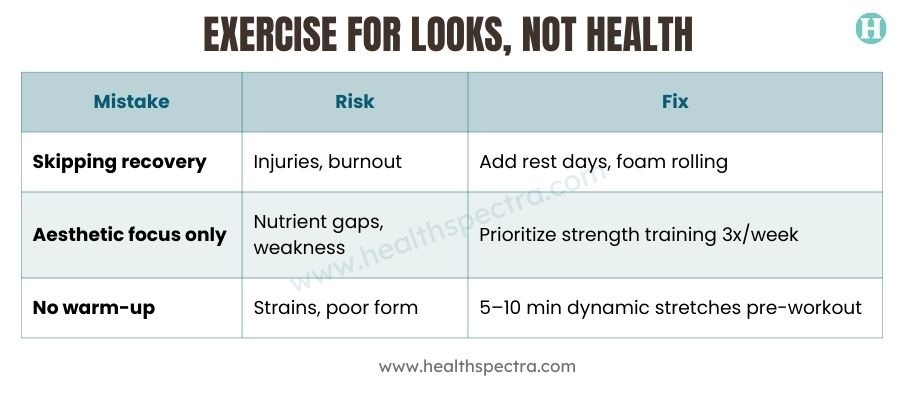
Exercise for Looks, Not Health

Overtraining without recovery leads to injuries, burnout, and stalled progress in young adults. Ignoring warm-ups or hydration causes cramps and fatigue.
 Convenience Over Nourishment
Skipped meals and processed foods cause blood sugar crashes, low energy, and metabolic syndrome precursors. Furthermore, erratic eating weakens metabolism in the long term.
- Daily Fallout: Fatigue, cravings, and nutrient deficiencies.
- Better Habit: Plan 3 balanced meals with protein, veggies, and whole grains. You may prep snacks ahead.
Read More: 10 Mistakes to Avoid When Trying to Improve Your Gut Health
Mental Health Dismissed
Ignoring anxiety or burnout in your 20s builds patterns affecting work, relationships, and physical health, like heart strain. Early normalization delays resilience.
- Overlooked Signs: Persistent low mood, isolation.
- Preventive Care: Journal weekly, seek therapy if symptoms last 2 weeks, and use apps for daily check-ins.
Skipping Routine Checkups

Avoiding doctors leads to failure to identify early hypertension, cholesterol, or diabetes flags common in 20s lifestyles. Basic screens like blood work catch silent risks.
- What Gets Missed: high blood pressure and prediabetes from poor habits.
- Now: Annual checkup with CBC, lipid profile, and blood sugar for ages 20s-30s.
“Fix It Later” Mindset
Delaying habits hardens poor patterns, making changes tougher as metabolism slows post-20s. Young adulthood sets heart-healthy trajectories.
- Compounding Issue: Habits persist, which raises CVD risk 2-10x.
- Early Action: Swap one habit monthly, like consistent meals over takeout.
Read More: Lifestyle Habits in Your 40s That Predict Health in Your 70s
Health Comparison Trap
Social media pressures ignore personal limits, leading to overexertion or neglect. Peers’ highlights skew realistic benchmarks.
- Pitfalls: Injury from mimicking routines and demotivation.
- Personal Focus: Track energy, sleep, and mood via app; adjust to your body.
One Habit Cancels Others
Exercise doesn’t offset poor sleep or diet habits that interconnect for immunity and heart health. Balance compounds benefits.
- Myth Busted: Gym can’t fix chronic stress or junk food swings.
- Holistic View: Layer sleep, movement, and nutrition weekly.
Key Lessons Over Time

Habits that compound silently are optimal in 20s patterns, cutting later CVD risk dramatically. Prevention beats correction. Bodies rebound at any age with consistency; even 30s shifts improve metrics positively. Start small for momentum without guilt.
Read More: Everyday Clothing Habits That Can Harm Your Health Over Time
Final Takeaway
Lasting health isn’t about perfection but awareness and small, consistent changes that build resilience over time. Even foundational habits like improving sleep quality or managing stress can reverse setbacks when practiced regularly.
The best time to start supporting your well-being is now, as each step compounds toward long-term vitality. By integrating balanced nutrition, restorative sleep, mindful movement, and emotional care, you create a holistic foundation for wellness.
Remember, progress matters more than perfection; every effort is growth toward a healthier, more balanced you.
References
- Majumdar, P., & Majumdar, P. (2025). Effects of sleep deprivation on physical and mental health outcomes. PubMed Central.
- Medic, G., Wille, M., & Hemels, M. E. (2014). The prospective association between sleep deprivation and depression: Findings from the Whitehall II cohort study. PubMed Central.
- Park, J., & Kim, S. (n.d.). Review on health-risks related to sedentary lifestyle among youth. International Journal of Professional Research and Reviews.
- Patterson, R., McNamara, E., Tainio, M., de Sá, T. H., Smith, A. D., Sharp, S. J., Edwards, P., Wijndaele, K., Woodward, A., & Brage, S. (2020). Sedentary behaviour and health: Mapping environmental and policy interventions to increase physical activity globally. PubMed Central.
- Shomaker, L. B., & Tanofsky-Kraff, M. (2022). Sedentary behavior is associated with musculoskeletal pain in adolescents. PubMed Central.
- Park, S., & Lee, J. (2025). Unhealthy dietary habits and sedentary behaviours among young adults. PubMed Central.
- Centers for Disease Control and Prevention. (2025). Nutrition, physical activity, and weight status.
- Głąbska, D., Guzek, D., Groele, B., & Gutkowska, K. (2023). Association of eating habits with health perception and physical activity in a group of polish adolescents. Frontiers in Nutrition.
- Smith, J., & Johnson, A. (2025). Longitudinal effects of stress in an academic context on young adults. PubMed Central.
- Patton, G. C., Coffey, C., Carlin, J. B., Olsson, C. A., & Morley, R. (2022). A longitudinal study of mental health in at-risk adolescents before and during the COVID-19 pandemic. PubMed Central.
- Cowan, C., & Gratrix, D. (2012). A school-based epidemiological study of dental neglect among young adults. British Dental Journal.
- Alzahrani, M. S., & Ahmed, N. (2023). Factors associated with periodontitis in younger individuals. PubMed Central.
- Kim, H., & Park, S. (2023). Impact of smoking initiation age on nicotine dependency and health outcomes in young adults. PubMed Central.
- Brown, S. A., & Tapert, S. F. (2005). Alcohol and the adolescent brain: Human studies. PubMed Central.
- Harper, C. (1995). Alcoholism and the brain: An overview. PubMed Central.
- Lee, Y., & Kim, J. (2022). Abstaining from annual health check-ups is a predictor of chronic diseases in young adults. PubMed Central.
- Xiong, S., Sankaridurg, P., Naduvilath, T., Zangwill, L. M., Lanca, C., Wong, T. Y., & Saw, S. M. (2025). Digital screen time and myopia: A systematic review and dose-response meta-analysis. JAMA Network Open.
- World Health Organization. (2024). Adolescent and young adult health.
In this Article