

















You’re not the only one who feels less energetic around 2 pm. The “post-lunch slump” is a well-known feeling that can make you sleepy at your desk, make it hard to focus, or make you want a sweet snack.
Several things can make you tired, but one of the most important is what you eat for lunch, especially the type of carbs you eat. The ingredients in bread, a staple in many meals, can either stabilize or boost your energy levels.
Whole-grain and sprouted breads have become popular as healthy alternatives to processed breads. But picking the right kind can mean the difference between a crash in the middle of the day and energy all afternoon.
This article will compare sprouted and whole-grain breads, discuss the science behind the midday energy dip, and offer tips to keep your energy levels steady all day.
Read More: Healthiest Breads to Support Digestion: What to Look For (and What to Avoid)
Why Bread Type Can Make or Break Your Afternoon Energy
Have you ever noticed that you feel less energetic after eating a piece of warm bread? Many people feel tired and down after eating bread, and there are several reasons.
Most of the time, carbohydrates make up bread, and these simple sugars can give you a quick boost of energy. But these same carbs can raise your blood sugar quickly, then drop just as quickly. This rollercoaster effect might make you feel tired and sluggish after the first high wears off.
Next is gluten, a protein found in many breads. Gluten can cause inflammation and other digestive problems in some people, especially those with celiac disease or allergies. It can make you more tired. Eating a lot of gluten may make your body work harder than usual to break it down, even if you don’t have any gluten-related problems.
Whole-grain and sprouted breads, on the other hand, are nutrient-dense foods that release energy more slowly. It helps keep the blood sugar level stable and keeps you mentally and physically strong for longer. If you know how bread affects your energy levels, you can make lazy afternoons more productive.
What Makes Sprouted Bread Different

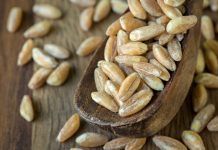
To make sprouted-grain bread, you have to soak whole grains in water, let them sprout, then dry and grind them into flour or puree them for baking. This process changes the grain’s texture and nutritional content by activating its natural enzymes.
Millet, lentils, barley, and wheat are among the most commonly used grains. Some proteins and starches break down as the grains grow, which could make nutrients more available and easier to digest.
Read More: What Happens to Your Blood Sugar When You Eat White Bread Every Day
Whole Grain Bread: Still a Strong (but Slightly Different) Choice
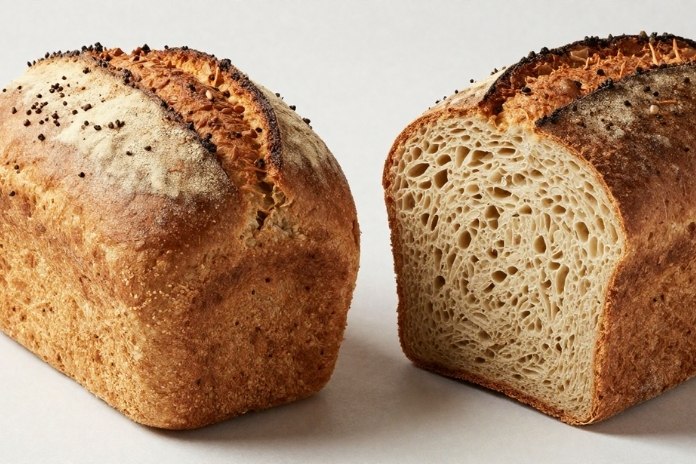
Whole-grain bread, on the other hand, grinds the bran, germ, and endosperm into flour without letting them sprout first. It keeps the whole grain kernel intact, retaining all the fiber, vitamins, and minerals lost in processed flours.
Even though unsprouted grains are rich in nutrients, phytic acid can partially bind their nutrients, making them more difficult for the body to absorb. Whole-grain bread usually has a higher glycemic index than sprouted bread, but it takes longer to digest than white bread.
Some people may have mild blood sugar spikes, especially when they eat it with other high-GI foods. Others, especially those with sensitive stomachs, may feel a little uncomfortable or bloated after eating whole-grain bread.
Sprouted vs. Whole Grain Bread: The Nutrient and Energy Showdown
When deciding, it can be invaluable to look at how sprouted and whole-grain bread affect blood sugar, digestion, and nutrient intake.
Blood Sugar Impact and Energy Curve
Because sprouted bread has a lower glycemic index, blood sugar levels usually rise more slowly. It gives you more energy for longer and fewer crashes. Whole-grain bread is better than white bread, but it can still cause a slight rise, especially if you eat a lot of it or with foods that have a high GI.
Digestibility and Comfort
Another area where sprouted bread excels is its ease of digestion. Some proteins and carbohydrates are pre-digested by enzymes during germination, which eases the burden on the stomach.
When sprouted bread is used instead of traditional whole-grain bread after meals, many people report feeling less bloated and exhausted. Despite being nutrient-dense and high in fiber, whole-grain bread can sometimes feel heavier and be digested more slowly for some people.
Nutrient Density Comparison
Although both breads are high in nutrients, sprouted bread frequently wins out. Sprouting increases the levels of antioxidants, amino acids, and B vitamins, all of which promote vitality and energy production. While whole-grain bread offers fiber, minerals, and plant compounds, it typically has lower levels of some elements, such as antioxidants and B vitamins, than sprouted bread.
Which Bread Should You Choose for All-Day Energy?

To choose the best bread, you need to weigh the pros and cons of each type of bread against your requirements. Below, take a look at the detailed guide:
Check How Your Stomach Feels: If you usually feel bloated after eating whole-grain bread, try sprouted bread to see if it helps.
Check Your Blood Sugar Goals: Pick sprouted-grain bread, which usually has a lower glycemic index, to keep your energy steady and your glucose levels from fluctuating.
Look at the Ingredients List: Choose foods that only have whole grains, water, salt, and natural leavening agents, or entire sprouted grains.
Think About Storage and Budget: Think about your budget and how much space you have in your fridge. If you’re short on money, whole-grain bread could be the more practical option.
All “Whole Grain” Is Not the Same: Some foods that say “whole grain” on the label only have a small amount of bran and mostly refined flour. Make sure that the main ingredient is a whole grain.
Sprouted Grain Bread is Not Gluten-Free: It still has gluten in it, so it’s not safe for people who can’t eat gluten at all.
How to Read Bread Labels for the Best Energy-Friendly Choice

Knowing what to look for is crucial when buying bread:
Look for ingredients that say “100% sprouted whole grain” or “100% whole grain.” Steer clear of loaves that list sugar or enriched flour first.
100% Whole Grains: This means that the bran, endosperm, and germ of the grain are all used to make the flour for a loaf. White flour and other refined grains solely include the endosperm.
Multigrain: This means that the bread contains more than one type of grain, but you won’t be able to tell from the words alone how many or whether they’re whole or refined.
Good Source of Fiber: According to FDA guidelines, a product bearing this label contains 2.8-5.3 grams of fiber per serving. To find out the precise amount, however, look at the nutrition panel for the fiber grams.
Preservatives and Added Sugars: Many store-bought breads contain unidentified sweeteners, oils, or other ingredients that may reduce nutritional value and raise blood sugar levels.
Double Fiber: This usually indicates that a loaf has twice the fiber of a “regular” brown loaf from the same brand. Some brands use cellulose fiber or other fibers to achieve that, but our experts agree that whole-grain fiber is superior.
Read More: Is Sourdough Bread Good for You? Benefits, Nutrition, and How It Compares to Other Breads
Conclusion
If you need better blood sugar control and digestion, sprouted grain bread might be a better choice. If you care about price, shelf life, and ease of access, whole-grain bread is still an excellent choice for everyday use.
Both are good parts of a balanced diet that is high in plant-based fiber and complex carbs. Instead of constantly assuming that one is better than the other, consider switching between the two types based on what you need and want to do each day.
In this Article