




















The food we eat has a profound influence on our health. Dietary decisions can affect disease patterns and progression. Many people with vertigo are surprised to realize that their morning habits—often assumed to be healthy—can actually trigger dizziness.
Even minor changes to your diet can make all the difference in the world to vertigo. Some foods make people more dizzy, while others create diet plans that help them. It’s all a matter of personal choice.
People have often blamed salt for vertigo, but fluctuating blood sugar and the timing of meals may actually cause morning dizziness. Understanding these patterns can help manage symptoms more effectively.
In this article, we’ll explore why your morning blood sugar rhythm is essential, highlight some breakfast choices that may be putting you at risk for dizziness, and leave you with practical steps to balance your energy.
Read More: How to Cure Vertigo With Effective Home and Natural Remedies
Why Your “Healthy” Breakfast Might Be Triggering Vertigo
Even a breakfast which sounds healthful, like oatmeal, cereal, or a fruit smoothie, can often provoke dizziness in persons prone to vertigo. One significant reason is reactive hypoglycemia, a condition where blood sugar climbs quickly after a meal and then drops sharply.
These quick changes can damage the inner ear and brain, intensifying vertigo symptoms and leaving you feeling lightheaded, unsteady, or off-balance.
The High-Sugar Trap
Oats, granola, and smoothies. Although commonly perceived as healthy foods, they may cause a rapid spike in the blood sugar level, followed by drops, leading to or worsening feelings of vertigo and dizziness.
They look healthy, but all that carbohydrate, the way it’s processed, and the hidden sugars lead to rapid glucose absorption, creating a “trap” for those sensitive to blood sugar fluctuations.
The Post-Meal Crash
After the first blood sugar surge, insulin works hard to reduce glucose levels. In some people, this generates a post-meal crash. The consequent low blood sugar might limit oxygen and energy delivery to the brain, prompting dizziness, instability, or even vertigo episodes quickly after eating.
Blood Pressure Shifts During Digestion
Eating a large or carb-heavy breakfast also demands more blood flow to the digestive tract. This transitory shift can modestly lower blood pressure in the brain, thereby worsening vertigo symptoms.
Blood Sugar vs. Salt—Which Matters More for Morning Dizziness?

For persons with vertigo or regular dizziness, certain dietary modifications may help lessen the frequency and intensity of symptoms. When it comes to vertigo and morning dizziness, both blood sugar fluctuations and sodium intake can play a role, but the timing and causes are very different.
Blood sugar imbalances can cause dizziness within hours of eating, whereas the effects of excess salt on fluid retention and inner ear pressure often accrue over days or weeks.
Instant vs. Long-Term Triggers
Foods heavy in sugar can produce variations in blood sugar level, which, as we know, can impair your sense of balance. Dizziness episodes may result from abrupt changes in blood glucose levels.
Watching your salt consumption is vital if you suffer from regular vertigo attacks. Eating too much salt can upset the balance of fluids in your inner ears, increasing pressure on them and worsening your vertigo. This is especially important to watch out for if you have Meniere’s disease, since vertigo is caused by fluid buildup in the ear.
What Research Shows
In as many as 60-80% of patients with chronic dizziness or vertigo and those with Meniere’s disease, there is demonstrable metabolic abnormality such as hypoglycemia or decreased tolerance of carbohydrates. These diseases impair the inner ear’s high-energy needs and fluid balance, whereas dietary adjustments often improve symptoms.
Read More: Supplements That Can Harm Your Brain and Nervous System
Why Reducing Salt Alone Isn’t Enough
While sodium restriction will prevent long-term fluid retention and reduce stress on your inner ear, it may not treat the immediate dizziness that often occurs right after breakfast.
Fixating on salt can distract from your immediate enemy, blood sugar swings, and reactive hypoglycemia. Properly managing a morning meal to regulate blood glucose is a more fabulous approach to early-morning vertigo.
How Blood Sugar Spikes Affect the Inner Ear and Brain
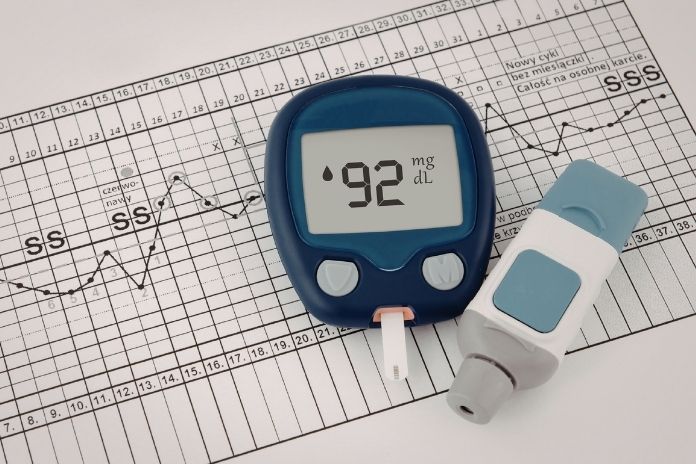
Blood sugar fluctuations don’t just affect your energy levels. They also directly affect the inner ear and brain, the key systems responsible for balance. When glucose levels rise and fall rapidly, metabolic stress may interfere with communication between the brain and the vestibular system, increasing the risk of dizziness and vertigo episodes.
The Brain’s Energy Demand
When you consider vertigo, vascular dementia is the one type of dementia that should come to your mind. With vascular dementia and vertigo, there’s a problem getting the oxygenated blood to flow to your cerebellum.
Because this part of your brain is very vital to body movement, any disruption in the blood flow may cause you to feel as though you’re spinning, along with dizziness.
Vestibular Sensitivity
Diet has a powerful influence on overall health, particularly in some vestibular illnesses. Eating foods high in sugar, caffeine, and/or alcohol may throw off balance and make those who are prone to dizziness increasingly dizzy. Not drinking enough water may also worsen symptoms.
Individuals who suffer from vestibular migraine often notice food triggers, which can include monosodium glutamate (MSG), aged cheeses, red wine, beer, and chocolate.
Meniere’s Disease can be affected by excessive sodium (salt) intake, which involves fluid levels in the inner ear. Keeping a food journal may identify possible food influences on triggers.
Cortisol and Blood Sugar
Stress hormones, such as cortisol, influence both glucose metabolism and vestibular function. High cortisol levels can magnify your blood sugar spikes and subsequent crashes, while simultaneously enhancing the inner ear’s sensitivity to imbalance.
Read More: My Head Feels Heavy and Pressured but No Pain: Causes and What to Do
How to Fix Your Morning Routine and Prevent Dizziness
Stabilizing blood sugar in the morning doesn’t need a tight diet or giving up all your favorite foods. Minor, deliberate modifications to your breakfast and morning habits can make a very significant difference in preventing dizzy and vertigo episodes.
Pair Carbs with Protein and Fat
Combining carbohydrates with protein and healthy fats inhibits the release of glucose into the system. For example, add almonds or Greek yogurt to porridge, or pair eggs with whole-grain bread.
Choose Complex Over Simple Carbs
Simple carbs break down very quickly, causing a rise in blood sugar. Oats, brown rice, and whole-wheat bread give a slow-releasing energy, helping stabilize blood sugar levels.
Avoid Liquid Sugars
Smoothies and fruit drinks can be deceptively high in sugar, leading to rapid fluctuations in blood sugar. Eating whole fruits instead delivers fiber, slows absorption, and minimizes the risk of post-meal dizziness.
Eat Smaller, More Frequent Meals
Large meals might divert the blood flow away from the digestive system. Eating small portions more often can stabilize the blood glucose and circulation levels and also help you avoid morning-quality vertigo attacks.
Hydrate Before Eating
Water and herbal tea, like ginger or peppermint, help maintain fluid balance and may alleviate symptoms.
Morning Vertigo Red Flags You Shouldn’t Ignore

A brief episode of lightheadedness after meals sometimes indicates that an alternative mechanism is at work. If you are aware of these warning signs, you will be more inclined to obtain medical assistance before developing a significant complication from an underlying condition.
Sudden Dizziness or Spinning Sensation: You turn your head swiftly. Or you could stoop down to tie your shoes. For a little while, the world appears to revolve. You clutch a chair or wall to balance yourself. It can be an early indicator of a condition termed BPPV (Benign Paroxysmal Positional Vertigo).
Nausea Without a Clear Reason: You’re watching TV. Sitting at your workstation. Grocery shopping. Then suddenly you feel nauseous. It feels like motion sickness even when you’re totally still. It is a typical symptom of vertigo that occurs when your brain receives conflicting messages from your eyes and inner ear.
Pressure or Fullness in the Ear: A full or heavy sensation in one ear, or muffled sounds or plugged-up emotions. These are commonly neglected, yet they can be early indicators of inner ear disorders such as Meniere’s disease or fluid buildup, both of which can cause vertigo.
Read More: 7 Signs Your Eardrum is Ruptured
Conclusion
Morning dizziness is best associated with a healthy breakfast. Sometimes it’s no salt at all; however, sometimes it’s rapid blood sugar fluctuations. Foods that are high in sugar or refined carbs can produce rapid spikes & crashes in blood sugar, even if they seem healthy.
By making simple adjustments, combining carbs with protein and healthy fats, choosing complex carbs, eating smaller meals, staying hydrated, and avoiding sugary drinks, you can keep your blood sugar more stable and prevent morning vertigo.
In this Article