

















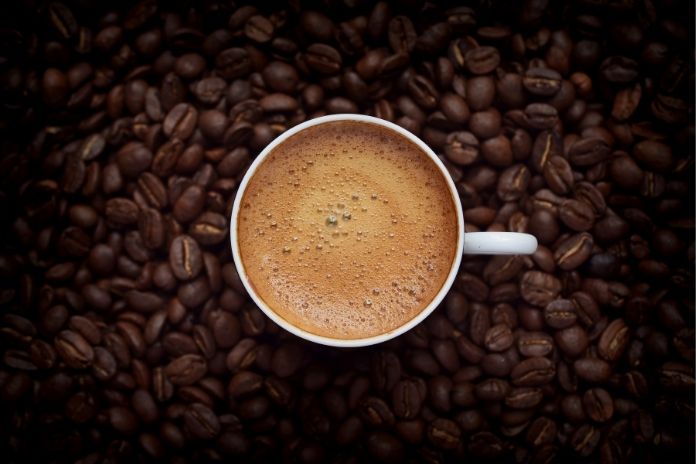
Whether it’s a flat white or a double-shot espresso, many of us can’t start the day without coffee. A morning cup helps shake off a rough night’s sleep, fuels workdays and workouts, and even plays a role in our social routines. Coffee itself isn’t the problem, but before reaching for a refill, it’s worth considering how and when it’s consumed, as certain habits can quietly undermine our well-being.
For many people, coffee provides comfort, sharpens focus, and boosts productivity. However, with repeated use, normal behaviors such as drinking coffee on an empty stomach late in the day or relying on a few cups to push through fatigue can unknowingly trap you in problems with your energy levels, digestion, sleep, and stress hormones.
This article explores how caffeine interacts with your body’s natural rhythms, breaks down everyday coffee habits that may be doing more harm than good, and highlights key signs that your coffee routine may need adjustment.
Read More: Black Coffee vs. Espresso: What’s the Difference and Which Is Better for You?
Why Coffee Affects People So Differently
Caffeine, found in numerous goods like coffee, energy drinks, soda, teas, and chocolate, is the most regularly consumed stimulant worldwide. An estimated 85% of Americans drink at least one caffeinated beverage every day, with each person consuming an average of at least 165 mg of caffeine per day, equivalent to about 1.5 cups of coffee.
While proven safe in moderately high levels, caffeine is a drug, a substance that changes the body’s mental or physical state.
Astrid Nehlig, Ph.D., distinguished caffeine scientist and Emeritus Research Director at the French Institute of Health and Medical Research, explains, “Caffeine’s first target in the body is the brain.” She adds, “When an individual drinks caffeine in any form, it spreads rapidly throughout the body, with the first traces of caffeine reaching the brain within two to five minutes and levels peaking between 45 and 90 minutes after exposure.”
Once in the brain, caffeine affects the circuitry underlying sleep and wake patterns and can stimulate the wakefulness and alertness many want.
Adenosine, a chemical that builds up during the day as humans waste energy, is detected by specific brain cells, or neurons, in this circuit. Adenosine binds to specialized A1 and A2A receptors on these neurons, decreasing their activity, promoting general sleepiness, and helping us sleep.
Conversely, adenosine levels drop during sleep, removing its inhibitory effects and helping us wake up feeling well-rested. However, adenosine can build up again during afternoon slumps, when many turn to their preferred brain stimulant, or it can persist throughout drowsy mornings.
Caffeine is chemically similar to adenosine and even binds to the same receptors in this sleep-wake brain circuit. But instead of promoting drowsiness, caffeine blocks adenosine receptors, leaving cells in a more active, wakeful state.
Drinking Coffee First Thing on an Empty Stomach
One of the most prevalent practices that can subtly upset hormonal and digestive balance is drinking coffee first thing in the morning, especially on an empty stomach. Studies reveal that when you drink coffee on an empty stomach:
- Caffeine is absorbed more quickly by the intestines.
- Caffeine levels in the body are higher after drinking coffee than after eating.
So, you might experience that surge of caffeine faster and more intensely when you drink coffee first thing in the morning before you’ve eaten. That may be a good or terrible thing, depending on how caffeine makes you feel. Some people feel uneasy from too much coffee, while others prefer the kick.
But there’s no proof that drinking coffee on an empty stomach is bad for you. Below, we look at some studies to discover what the science says and doesn’t say about how coffee impacts your body.
Reflux or Heartburn: Coffee is naturally acidic. Additionally, coffee relaxes the muscle at the base of your throat, which may lead to food reflux.
Many people believe that coffee commonly triggers acid reflux or heartburn, also known as gastroesophageal reflux disease (GERD). However, there is conflicting evidence. Specific research links coffee consumption to an increased risk of reflux. Other major reviews showed no link between coffee and reflux.
Ulcers: The caffeine in coffee stimulates your stomach to release acid. Too much stomach acid can lead to the formation of ulcers, lesions on the lining of your stomach or small intestine. This is why many people assume that drinking coffee can contribute to ulcers.
But studies don’t support this belief. Multiple studies have revealed that there’s no correlation between drinking coffee and acquiring ulcers. In fact, according to the American College of Gastroenterology, nutrition doesn’t induce ulcers.
Diarrhea: You may already know that coffee can help you make poop. Coffee causes your stomach to contract more forcefully, which facilitates the passage of food. So it can be a beneficial drink to try if you’re constipated.
Read More: Foods to Avoid When Drinking Coffee (and Why They Don’t Mix Well)
Relying on Coffee to Replace Sleep or Meals

According to a study published in Communications Biology, those who were given 200 mg of caffeine, or about two cups of coffee, a few hours before going to bed had more beta waves, which are linked to wakefulness, and fewer delta waves, which are associated with deep sleep.
Additionally, caffeine can cause the brain to enter a state of “criticality,” or heightened awareness, which may interfere with healing.
“After caffeine, the deeper stages of sleep tend to be shorter, less frequent, and sometimes delayed,” says Dr. Allie Hare, a consultant in sleep medicine, the president of the British Sleep Society, and co-founder of Grace Sleep. She adds, “Deep sleep is vital for removing waste products from the brain, for tissue growth and repair. Chronically reduced deep sleep can increase dementia risk.”
Drinking Coffee Too Late in the Day
Choosing the ideal time to stop drinking coffee depends on your regular bedtime. A good general guideline is to avoid caffeine for at least 6 to 8 hours before your usual bedtime. The amount you drink and the timing of your last cup also matter.
That said, other people need an even longer time to buffer caffeine’s hidden effects. Caffeine clearance slows with age, during pregnancy, in liver illness, and with drugs such as some oral contraceptives and H2 blockers.
Genetics is an influence, too. Individuals with CYP1A2 or ADORA2A genetic variations are likely to be more sensitive to caffeine or slower to break it down. In these circumstances, a nine-to-twelve-hour timeframe may perform well.
Consuming Too Much Coffee without Realizing It
It’s surprisingly simple to consume too much coffee without even realizing it, especially when caffeine comes from more than just your daily cup. Beyond brewed coffee, caffeine often sneaks into tea, energy drinks, soft drinks, pre-workout pills, and even dark chocolate.
When these sources accumulate throughout the day, total caffeine intake can exceed what the body comfortably handles, even if each amount seems harmless on its own. Eventually, heavy daily consumption will strain the nervous system and disrupt natural energy regulation.
Signs of coffee excess include anxiety, jitters, jumpiness, heart palpitations, pain in the intestines, difficulty sleeping, and so on. Some people also report energy dips and increased irritability when the effects of coffee wear off.
Loading Coffee with Sugar and Creamers

It’s crucial to understand precisely what creamer is made of to determine how adding it affects the nutritional profile of your cup of coffee. Most coffee creamers contain water, oil, and sugar.
Some claim to be “sugar-free,” yet they really include artificial sweeteners. Gums and carrageenans, added for consistency and to prevent separation, are found in both conventional and sugar-free coffee creamers.
As you might expect, the sugar and oil in coffee creamers aren’t really boosting the health advantages in your cup. The oils, sugar, and chemicals in these additives can contribute to inflammation and blood sugar dysregulation.
Both sugar and artificial sweeteners can induce inflammation in the body, according to scientific research. Also, sweeteners derived from sugar alcohols, such as xylitol and erythritol, can cause digestive upset, including stomach pain, bloating, and loose stools.
Read More: Why Coffee Made From Dark Roast Has Less Caffeine
Using Coffee as a Stress-Coping Tool
Stress and coffee, when brewed together, these two elements can wreak havoc on your body. Our body responds to stimuli by triggering the “fight or flight” response via the sympathetic nervous system (SNS), which in turn increases blood pressure, heart rate, breathing rate, and more.
By promoting the production of catecholamines like noradrenaline and adrenaline, which are essential for triggering the “fight or flight” response, caffeine ingestion can also activate the SNS.
While acute stress responses may bring short-term benefits such as improved focus and motivation, sustained activation of the SNS can lead to unfavorable mental health effects such as anxiety disorders, depression, and sleep difficulties. Similarly, excessive coffee consumption may significantly impair mood stability with similar side effects.
Ignoring Signs of Caffeine Sensitivity

When you’re managing caffeine sensitivity, the first step is to identify it. Unfortunately, identifying caffeine sensitivity is not always easy. Many symptoms may resemble those of other health problems. The following are some symptoms common to caffeine sensitivity and how to recognize them:
Fast Heartbeat: When people ingest caffeine, those with caffeine sensitivity may experience an increased heart rate.
Jittery or Nervous Feeling: Experiencing jitters or having nervous feelings may be due to caffeine sensitivity.
Digestive Discomfort: Upset stomach, acid reflux, or diarrhea following caffeine use can suggest sensitivity.
Sleep Disturbances: Difficulty falling asleep or staying asleep after ingesting caffeine can be a red flag.
Headaches: Frequent headaches after caffeine use may indicate sensitivity.
Mood Swings: Feeling angry or on edge after caffeine use is another potential sign.
Skipping Hydration When Drinking Coffee
Regarding hydration status, research shows that caffeinated beverages and water affect the body’s water balance similarly during exercise.
People say that caffeine does increase urine production. Still, many others show that there is no association between the amount of fluid consumed and the appearance of increased urine production because of caffeine.
Caffeine levels below 226 mg (similar to the amount found in 2-3 cups of coffee or 5-8 cups of tea) and up to 553 mg indicate no difference in the diuretic impact of caffeine compared with water. Regarding hydration status, there is no evidence that caffeine induces fluid loss beyond that of water.
Read More: Medications That Don’t Mix Well With Coffee: What to Know & How to Stay Safe
Drinking Coffee without Considering Your Health Conditions
Drinking coffee can be healthful. For instance, research indicates that coffee drinkers are less likely than non-drinkers to die from any cause.
Caffeine has certain advantages. Other benefits are associated with the other components of coffee. But in general, research suggests that coffee supports health in numerous ways.
Drinking coffee may be associated with a lower risk of:
- Among specific populations are Parkinson’s disease, type 2 diabetes, and Alzheimer’s disease.
- Chronic renal disease and metabolic syndrome.
- Liver cancer and liver illness, including cirrhosis.
- Gallstones and kidney stones.
Healthier Coffee Habits to Try Instead

Adopting healthy coffee habits can help you enjoy your daily cup without the harmful side effects that many standard practices can cause.
Take It Black: What’s the simplest method to improve the health of your coffee? Take it without adding sugar or cream. Both of those are laden with empty calories, while a plain cup of black coffee actually has close to nothing. While it’s the quickest approach, many people aren’t too fond of the flavor when it’s just the bean water. You still have many options if you fall into that category. Try a French press, a moka pot, or another type of handmade coffee.
Try Adding Cinnamon: Adding cinnamon is a terrific way to get an extra boost of health benefits to your coffee. Add a few tablespoons of cinnamon to your coffee maker’s grounds and brew as usual. You can do the same with a pour-over coffee.
Alternative Sweeteners: You can still enjoy a delicious cup of coffee without the extra calories from a heaping spoonful of sugar. There are enough artificial sweeteners and alternatives that no one is stuck with merely using ordinary cane sugar these days. For an additional healthful boost, you can even substitute honey for more refined sweets.
Avoid Creamers: Your coffee will be much healthier if you use less sugar and cream.
Read More: Can Coffee Count Toward Your Daily Water Intake?
When Cutting Back on Coffee Makes Sense
Cutting back on coffee can make sense when your body continues to show indications of pressure despite improved habits. Depending on how much caffeine you consume or other health conditions, your doctor may suggest reducing your caffeine intake.
You may want to consider reducing your intake if you have:
- Anxiety has increased
- Trouble sleeping
- You have high blood pressure
- Caffeine interacts with the medications you take
- Depression
- You suffer from chronic headaches
- You have diabetes, gout, IBS, or acid reflux
- You leak pee or have to urinate (go to the bathroom) more often
Your own body is good at informing you when you have taken too much caffeine. Typical symptoms include a fast heartbeat, restlessness, an upset stomach, irritability, frequent urination, headaches, and muscle trembling or twitching. It is possible to overdose on caffeine.
Conclusion
Coffee may be a lovely daily ritual, bringing comfort, focus, and a modest energy boost, but only when consumed responsibly. How and when you drink it matters more than the beverage itself.
Standard practices like drinking on an empty stomach, overloading it with sugar or creamer, relying on it to manage stress, disregarding symptoms of sensitivity, or skipping hydration can subtly alter the energy, digestion, sleep, and any hormonal balance over time.
References
- Maureen Salamon. (June 1, 2024). Rethinking your morning coffee.
- Mary Comber. (September 18, 2025). Seven ways your coffee habit could be ruining your health, from digestion to cholesterol.
- Lauren Fountain. (July 16, 2025). Caffeine and sleep.
- Cullen, A. (2019, September 11). 5 ways coffee can affect your digestion
- Kareem Clark. (May 10, 2022). Why caffeine affects people differently.
- Joanna Foley, RD. (September 19, 2024). Coffee on an empty stomach: What to know.
- Lauren O’Connor, M.S., R.D.N.. (December 20, 2025). How Late is Too Late to Drink Coffee? Experts Reveal the Truth.
- Pratik Patel. Does coffee dehydrate you?:
- MacDonnell, K. 5 healthier ways to drink your coffee.
- Mayo Clinic. (2025, January 31). Nutrition and healthy eating.
- Jai Medical Systems. Four tips for cutting back on caffeine to feel better.
In this Article