



















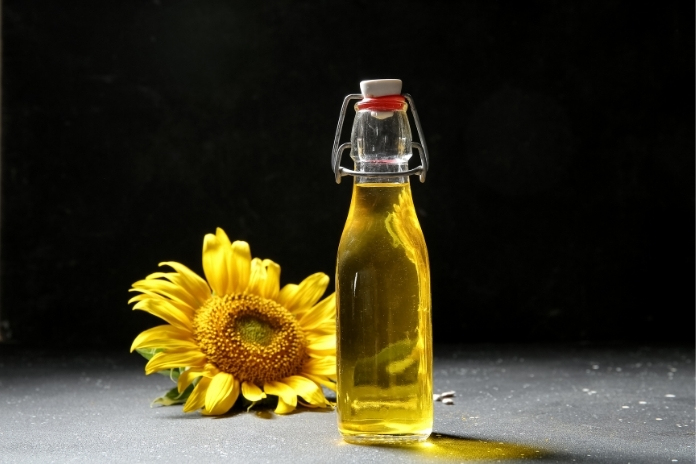
Globally, soybean, corn, sunflower, and canola oils are the most popular type of cooking and manufacturing oils. Because they’re inexpensive, versatile, and often marketed as “heart healthy,” these oils have become very popular choices for consumers around the world.
However, some wellness gurus and “health coaches” are warning the public against using seed oils, claiming they lead to inflammatory diseases, weight gain, and even that they are toxic.
On one side, critics argue that seed oils may increase inflammation, oxidative stress, and the risk of chronic disease. On the other hand, defenders highlight their essential fatty acids and note that people have widely consumed them without clear evidence of harm.
In this article, you will find a review of the current scientific evidence on seed oils to evaluate potential risks and benefits of using them, compare them with different types of fats, and discuss strategies for incorporating them into an overall balanced diet.
Read More: The Best (and Worst) Cooking Oils for Hormonal Balance and Fertility
What Are Seed Oils?
Manufacturers derive seed oils from the seeds of various plants. Canola, soybean, sunflower, safflower, corn, grapeseed, rice bran, and cottonseed oil are only a few of the numerous varieties.
People often use them as cooking oils in household kitchens, in restaurants (especially for deep-fried foods), and in the production of processed and ultra-processed packaged foods.
Seed oils differ from olive oil in how they are produced and in their fatty acid composition. While olive oil is typically cold-pressed and high in monounsaturated fats, most seed oils are extracted using heat and solvents and tend to be higher in polyunsaturated fats, notably omega-6s.
The American Heart Association promotes heart-healthy monounsaturated and polyunsaturated fats found in seed oils, not in palm or coconut oils, which are loaded with saturated fat.
Why Seed Oils Are Criticized Online
It’s not a hypothetical scenario. For several years now, a tiny group of people has been voicing concerns online about the hazards posed by vegetable oils derived from seeds such as corn, soybeans, and sunflowers. They suggest you’d be better off consuming butter, cattle fat, or more expensive oils from fruit, such as avocado or olives.
Claim #1: As Seed Oils became widespread, Chronic Illness Increased:
Anti-seed oil campaigners cite observed trends as proof of their theories. They conclude that seed oils are to blame for the rise in disease prevalence, including diabetes, cancer, and heart disease. Simply stating that one thing caused something else because it happened earlier, however, is a fundamental fallacy in logical thinking.
Claim #2: Fatty Acids in Seed Oils Degrade into Harmful Molecules while Cooking:
According to its detractors, the fatty acids in seed oils are prone to breaking down into smaller molecules. They indicate when people use the oils in high-heat cooking, refine them, and store them. The concern is that fatty acids can react with oxygen, producing hazardous chemicals.
Eric Decker, a professor emeritus in the Department of Food Science at the University of Massachusetts, whose research career has focused on the oxidation of fat molecules, says, “There’s some truth to this concern and questions that researchers still need to tackle.”
Omega-6 Fatty Acids Explained
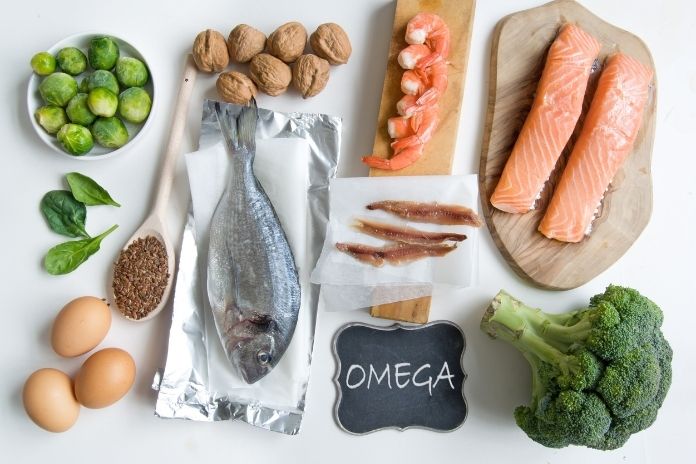
Omega-6 fats are polyunsaturated fats. They usually derive from vegetable oils and seeds. But other foods include them, too. These include:
- Sunflower oil
- Corn oil
- Soybean oil
- Walnuts
- Pumpkin seeds
- Yolks of eggs
- Tofu
- Safflower oil
The primary dietary form of omega-6 is LA (linoleic acid). The other form, arachidonic acid (AA), occurs in chicken, meat, fish, and eggs. Your body makes AA from LA. So, a plant-based diet will provide you with both types of omega-6.
A typical Western diet provides most people with enough omega-6 fats. That’s why there’s rarely a need for supplements.
Read More: High-Oleic vs Regular Sunflower Oil: Which One Should You Use?
Do Seed Oils Cause Inflammation?
People often describe inflammation as a single destructive process, but it actually plays both beneficial and harmful roles in the body. Acute inflammation is a natural immune reaction that helps mend injuries and fight infections. Chronic inflammation, however, is connected to illnesses such as heart disease, diabetes, and autoimmune disorders.
Seed oils are connected to inflammation because they contain omega-6 fatty acids, which have inflammatory qualities. However, seed oils also include a minor amount of omega-3 fatty acids, which have anti-inflammatory qualities.
Your body requires both types of fat to function correctly. We should eat more omega-3 fatty acid than omega-6 fatty acid; this doesn’t mean you should avoid omega-6 fatty acids entirely. Instead, it’s about finding the ideal balance between the two.
Seed Oils and Heart Health
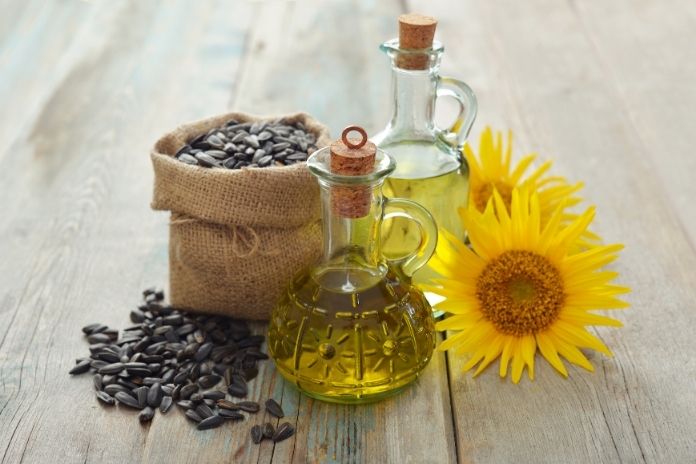
For decades, the WHO (World Health Organization) and the AHA (American Heart Association) have promoted seed oils as a superior replacement for saturated fats.
This guidance is based on studies showing that replacing saturated fats from animal sources like butter and lard, as well as tropical oils, with PUFAs will reduce LDL cholesterol, a significant risk factor for heart disease.
Monounsaturated fats (MUFAs), such as those found in avocado and olive oils, offer comparable advantages without the excess omega-6, but polyunsaturated fats (PUFAs) can help decrease cholesterol.
It raises a critical question: If MUFAs deliver heart-health benefits without potential negatives, are seed oils truly the best choice when you’re able to produce the substitution yourself?
Furthermore, PUFAs are more prone to oxidation when heated due to their greater chemical instability compared to MUFAs or saturated fats. It creates additional concern: the creation of hazardous byproducts.
The Processing Question: Does It Matter?
People often repeat the misconception that bleaching and deodorising to make seed oils “highly processed” and that these processes form the chemical toxic to health in the final product. Although manufacturers refine seed oils to improve stability, palatability, and shelf life, modern processing methods prioritize safety.
Manufacturers usually use heat and solvents such as hexane to extract as much oil as possible from the seeds and remove unwanted trace elements from the oil. Some critics claim that these substances add toxic chemicals and turn the polyunsaturated fatty acids (PUFAs) present in seed oils into harmful trans fats; however, it is the other way around.
These days, refined oils contain fewer trans fats due to improved production practices; the trace levels of hexane remaining in the oil after processing are not considered a health risk. Agencies responsible for risk assessment, such as the European Food Safety Authority, periodically measure levels of trans fats and impurities such as glycidyl esters and 3-MCPD esters, ensuring that oils meet safety standards for public consumption.
Read More: Is Sunflower Oil Healthy? What the Research Really Says
Seed Oils vs Other Cooking Fats
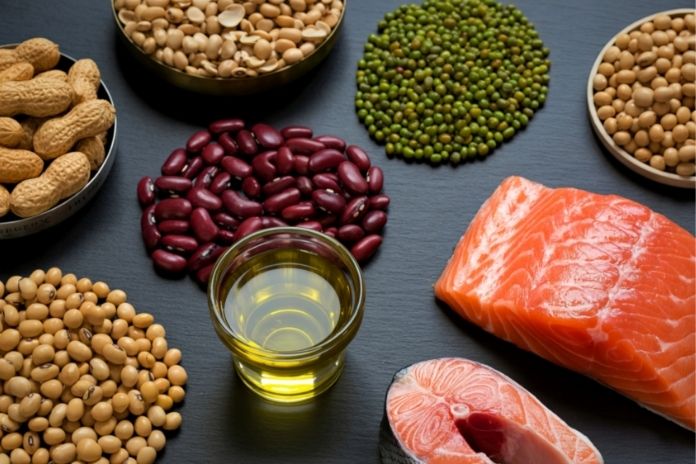
It’s easier to see how these seed oils fit into a balanced diet by comparing them to other cooking fats. Thanks to its high monounsaturated fat and the antioxidant content, olive oil is often described as the gold standard for everyday cooking and dressings.
While olive oil generally offers more substantial evidence of cardiovascular benefits, seed oils can still be a reasonable alternative, especially neutral-flavored ones used for baking or mild cooking. The key distinction lies more in nutrient profile than in health risk.
Among all cooking oils, macadamia nut oil stands out as the better option than avocado oil and Extra Virgin Olive Oil for cooking. Here’s why:
- Lowest linoleic acid content: Usually just ~2%, significantly lower than olive, avocado, or canola oil. bound with coconut oil, butter, and beef tallow.
- Natural buttery flavor: Perfect as a vegetable oil replacement in salad dressings, baking, and cooking.
- High smoke point: Safe for roasting, sautéing, and even frying without breaking down.
- More than 80% of it is heart-healthy monounsaturated fats (MUFA), making it super stable.
- Contains rare omega-7s, which are known to support skin and metabolic health.
The Real Issue: Seed Oils vs Ultra-Processed Foods
People criticize seed oils less for their effects on the body and more for where they typically appear in the diet. They are cheap, shelf-stable, and neutral-flavoured and used liberally in ultra-processed foods.
It makes them excellent for packaged snacks, fast food, and ready-to-eat foods, which are already associated with lower health outcomes due to high levels of refined carbs, added sugars, excess sodium, and low fiber.
It’s too simplistic to blame one ingredient for how good or bad a diet really is. No oil exists in a vacuum.
Focusing solely on removing the seed oils can distract from more significant changes, such as cutting ultra-processed foods, increasing whole foods, and improving diet quality overall.
Who Might Want to Limit Seed Oils
People may limit seed oils if they desire better metabolic health, reduced chronic inflammation, or less processed foods. Reasons People Limit Seed Oils:
Disease Prevention: Avoid processed vegetable oils to lower your chance of developing the type 2 diabetes, obesity, and heart disease.
Oxidation Risks: Avoid oils that could oxidize and become unstable when used for high-heat frying.
Weight Management: Reducing intake of nutrient-poor, calorie-dense ultra-processed meals.
Inflammation Concerns: Believing high amounts of omega-6 fatty acids (linoleic acid) contribute to persistent, systemic inflammation.
Read More: Best Non-Toxic Cookware: Safe Materials, What to Avoid, and Top Options for Healthy Cooking
When Seed Oils Can Fit Into a Healthy Diet
The key to seed oil, as well as many other kind of foods, is moderation. The method to maximize seed oils in your life is to limit processed food intake and use seed oils as an option for cooking. In place of butter or coconut oil, for example, use a seed oil when sautéing or baking.
In addition to seed oils, consider including whole seeds in your diet, which deliver a mix of protein, fiber, and vitamins, as well as beneficial fats. Try adding some chia seeds to your morning smoothie or add sunflower seeds to a salad.
Remember, not just a single food will make or break your health. It’s about taking a holistic approach to your diet and finding a balance between foods that are healthy for your body, foods that are good for your soul, and foods that work with your lifestyle.
What Nutrition Experts and Guidelines Currently Say
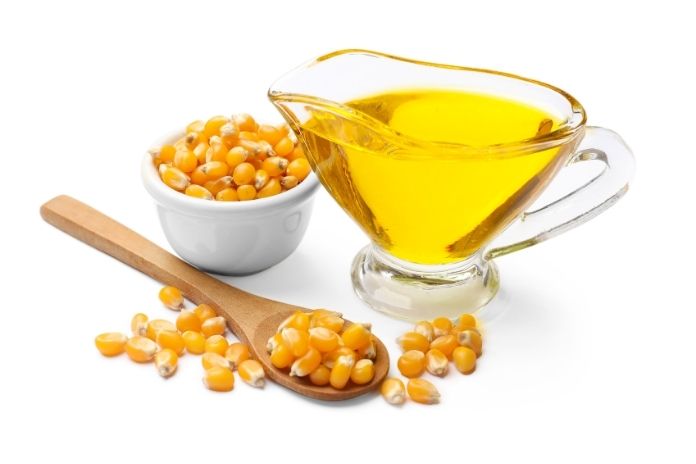
What you choose to eat depends on many factors – from where you live to what you prefer to eat, your weekly food budget, and your health. So, if you wish to forgo seed oils as a precaution, that’s absolutely your choice.
However, the lesson is that seed oils are not intrinsically harmful. The main problem is that people frequently use them in highly processed and fried foods, such as packaged snacks, fast food, and crisps. These foods are often heavy in calories and low in nutrients, contributing to adverse health effects when we eat too much of them.
Registered Nutritionist Sophie Gastman (RNutr Public Health) suggests, “If most of your diet is made up of ultra-processed foods and lacking in fibre, then it’s worth thinking about ways to bring in more whole foods and reduce the amounts of ultra-processed foods. But if you’re using these oils as part of a balanced, varied diet, there’s no reason to avoid them.”
Read More: Cooking for Heart Health: Delicious Recipes to Lower Cholesterol
Conclusion
Limiting seed oils doesn’t have to be about following a rigorous “diet” or dreading your frying pan. For most people, it’s simply a shortcut to better nutrition. When you cut back on these oils, you naturally eat fewer ultra-processed snacks and more fresh, home-cooked meals.
Whether you’re attempting to calm a sensitive gut or you love the flavor of real butter and olive oil, the focus should be on quality over perfection.
References
- Aliza Rosen. (June 06, 2025). The evidence behind seed oils’ health effects.
- Sarah Williams. (2025, March 14). Five things to know about seed oils and your health.
- Beth Krietsch. (August 4, 2025). The Chronic Line on Seed Oils.
- Sarah A. Samaan, MD. (February 9, 2024). Omega-3, Omega-6, Omega-9: What Are the Differences and Benefits?
- Currin, G. (2025, December 1). Seed oils: Frying up controversy.
- Gina Van Thomme. (April 14, 2025). Is seed oil healthy?
- Eufic. (24 January, 2025). Does the processing of seed oils pose a health risk?
- Sara Youngblood Gregory. (July 9, 2024). The pros and cons of seed oils, and how to incorporate them in your diet.
In this Article