



















You’re planning a meal and instinctively reach for a chicken breast because it’s healthier. Most people do. White meat has been marketed for decades as the clean, lean, no-nonsense protein, while dark meat gets pushed into the guilty-pleasure category, lumped in with words like fatty or indulgent.
Here’s the thing. That reputation oversimplifies what’s actually going on. White meat and dark meat come from the same bird, share many of the same nutrients, and differ more in function and composition than in overall health value. One isn’t good, and the other is bad. They’re simply different.
Dark meat exists for a reason. Muscles that work harder, like thighs and drumsticks, store more fat and contain more myoglobin, iron, and certain B vitamins. White meat, used less by the bird, is leaner and lighter. Those differences affect calories, taste, and satiety, but they don’t automatically determine what’s healthier.
What this really comes down to is context. Your activity level, metabolic health, dietary goals, and even how you cook the meat all matter more than the color of the meat itself.
This article breaks down white meat vs dark meat nutrition, explains the real benefits of each, clears up common myths, and helps you decide which one actually fits your goals, whether that’s weight loss, heart health, muscle building, or simply enjoying your food without second-guessing it.
What Counts as Dark Meat vs. White Meat?
Before comparing nutrition, it helps to understand what actually makes meat “dark” or “white.”
White Meat
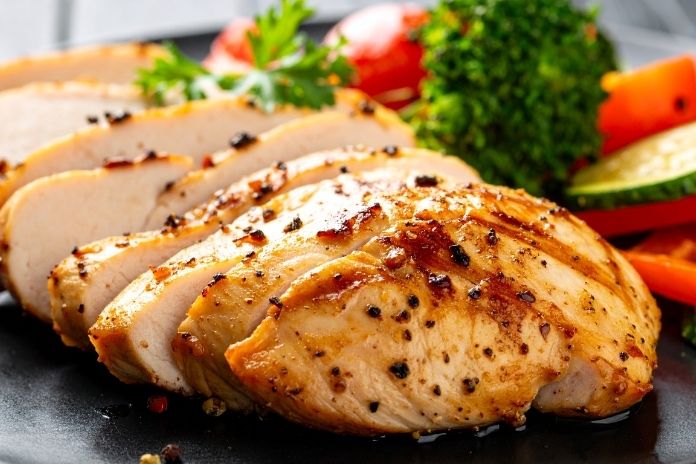
White meat includes:
- Chicken breast
- Turkey breast
- Chicken wings (technically white meat, though fattier due to skin)
It has a lighter color, a firmer texture, and a milder flavor.
White meat comes from muscles that are used less frequently. These muscles rely more on quick bursts of energy, which affects how they store nutrients.
Dark Meat
Dark meat includes:
- Chicken thighs
- Drumsticks
- Turkey thighs and legs
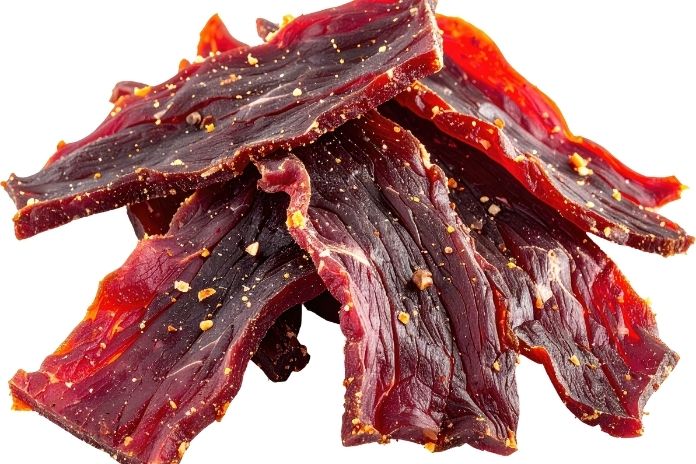
It appears darker because it contains more myoglobin, a protein that stores oxygen in muscle cells. These muscles are used more often for movement and posture, so they need sustained energy. That difference in muscle function is what gives dark meat its richer flavor, juicier texture, and different nutrient profile.
According to Dr. Jaspal Ricky Singh, MD, dark meat gets its richer color and higher nutrient content because these muscles are used more for movement and endurance. They contain more myoglobin, the protein that helps deliver oxygen to working muscle, and that’s why dark meat often has a juicier texture and a different nutrient profile than white meat.
Nutrition Breakdown: Dark Meat vs. White Meat
Instead of focusing on exact numbers, it’s more useful to look at consistent nutritional patterns.
Protein Content
White meat contains slightly more protein per ounce.
Dark meat still provides plenty of protein, just marginally less by comparison.
Both are high-quality protein sources that support muscle repair, immune function, and metabolic health.
Fat Content
This is where the biggest difference shows up.
- Dark meat has more total fat and more saturated fat.
- White meat is significantly leaner, especially when skinless.
However, not all fat is equal. Dark meat also contains more monounsaturated fats, the same type found in olive oil.
The Cleveland Clinic notes that choosing unsaturated fats, such as monounsaturated fats, found in foods like olive oil, avocados, and certain nuts, in place of saturated fats can support heart health as part of a balanced diet because they help improve cholesterol levels and reduce risk factors for cardiovascular disease.
Calorie Density
Because fat contains more calories than protein, dark meat is slightly higher in calories per serving.
White meat is lower calorie and higher in protein per calorie, which is why it’s often favored in calorie-controlled diets.
Micronutrients: Where Dark Meat Shines
Dark meat consistently contains higher amounts of several essential nutrients, including:
- Iron
- Zinc
- Selenium
- Vitamin B12
- Vitamin B6
- Riboflavin (B2)
These nutrients support oxygen transport, immune function, nerve health, and energy production. White meat still provides nutrients, but in lower amounts, with slightly higher niacin content.
This difference in vitamins in dark meat is one reason nutrition experts no longer label it as inferior.
Health Benefits of White Meat

White meat is often praised for its lean, low-fat profile, making it a versatile protein choice for a variety of health and fitness goals.
Lean, Low-Fat Protein
White meat is ideal if your goal is to reduce overall fat intake while still meeting protein needs. This makes it especially useful for:
- Weight management or fat loss
- Body recomposition
- Low-fat or heart-focused diets
According to the American Heart Association, choosing lean protein sources, such as skinless poultry and other lean meats, instead of higher‑fat cuts helps reduce saturated fat intake, which in turn supports healthier cholesterol levels and cardiovascular health as part of an overall heart‑healthy eating pattern.
This guidance emphasizes eating more fish, poultry, beans, nuts, and lean meats while limiting processed and high‑fat meats to help lower risk factors for heart disease.
Easier Digestion
Lower fat content also makes white meat easier to digest for many people. This can be beneficial for:
- Those with sensitive digestion.
- Individuals recovering from illness.
- Diets that require reduced fat intake.
People with conditions such as gallbladder issues or fat malabsorption often tolerate white meat better than dark meat, as it places less stress on the digestive system.
High Protein-to-Calorie Ratio
White meat provides a high protein-to-calorie ratio, making it a go-to option for muscle maintenance or growth while keeping calorie intake controlled. Fitness enthusiasts and athletes often rely on chicken breast or turkey breast as a staple because it delivers substantial protein without excess energy.
Overall, white meat offers a practical, nutrient-dense choice that supports lean diets, digestion, and muscle-focused nutrition, all while keeping fat and calories in check.
Health Benefits of Dark Meat

Dark meat is often celebrated for its richer flavor and nutrient profile. Its higher fat content and unique composition make it a satisfying, nutrient-dense choice for many people.
Rich in Essential Minerals
Dark meat contains higher levels of iron and zinc compared to white meat. These minerals play vital roles in the body:
- Iron supports red blood cell production and oxygen delivery to tissues.
- Zinc is crucial for immune function, wound healing, and cellular metabolism.
For individuals prone to iron deficiency, such as menstruating women, endurance athletes, or those with limited dietary iron, incorporating dark meat can help meet nutritional needs. The NIH recognizes dark poultry meat as a meaningful dietary source of iron.
More Flavorful and Satisfying
The increased fat content in dark meat enhances flavor, juiciness, and mouthfeel. This can make meals more satisfying and help reduce overeating:
- Promotes satiety, keeping you fuller for longer.
- May reduce snacking or the urge to eat excessively.
- Ideal for people who struggle with very lean diets that feel unsatisfying.
Higher in Healthy Fats
While dark meat does contain saturated fat, much of its fat is monounsaturated, which provides several benefits:
- Supports steady energy levels.
- Assists hormone production.
- Improves absorption of fat-soluble nutrients.
When consumed skinless and in appropriate portions, dark meat can fit comfortably into balanced diets that prioritize nutrient density without overloading on unhealthy fats.
Read More: 18 Healthy Fats To Eat For A Healthier Well-Being
Contains Taurine
Dark meat is richer in taurine, an amino acid involved in:
- Cellular hydration
- Antioxidant defense
- Cardiovascular health
Research published in Advances in Experimental Medicine and Biology links taurine intake to metabolic and heart health benefits, highlighting an advantage of dark meat beyond protein and traditional micronutrients.
Overall, dark meat offers a combination of flavor, essential minerals, healthy fats, and functional amino acids that make it a satisfying and nutritious alternative to white meat, especially for those seeking nutrient-dense meals or greater satiety.
Which Is Better for Weight Loss?
When it comes to weight loss, there’s no one-size-fits-all answer. White meat is naturally lower in calories and fat, making it easier to include in meals while maintaining a calorie deficit. Dark meat, on the other hand, contains more fat but is richer in flavor and satiety, helping some people feel fuller for longer and avoid unnecessary snacking.
The key is understanding how your body responds. If you find yourself hungry soon after a white meat meal, dark meat may actually support your goals by keeping you satisfied. Portion control, preparation method, and pairing with vegetables or fiber-rich foods matter more than the color of the meat itself.
Both types can fit into a weight-loss plan. Lean cuts of white meat offer straightforward calorie control, while dark meat adds variety, flavor, and essential nutrients like iron and zinc. Rotating between them can make meals more enjoyable without derailing progress.
Ultimately, the best choice is the one you enjoy, can eat consistently, and that keeps you full while supporting a balanced diet. Weight loss is about sustainability, not perfection, and using both white and dark meat strategically can make sticking to your plan easier.
Which Is Better for Heart Health?
White meat is often recommended for heart health because it typically contains less saturated fat and fewer calories. Its lean profile makes it easier to fit into diets aimed at managing cholesterol and supporting cardiovascular wellness.
Dark meat, however, isn’t automatically off-limits. When eaten skinless, in sensible portions, and prepared using healthy cooking methods like baking, grilling, or steaming, dark meat can be part of a heart-conscious diet. Its higher content of minerals like iron and zinc also contributes to overall nutrition.
The main factor isn’t the color of the meat, it’s how you prepare it. Deep-fried, heavily breaded, or heavily sauced dark meat loaded with sodium and refined oils poses a far greater risk than dark meat itself.
According to Dr. Donald Hensrud, a preventive medicine specialist at Mayo Clinic, “Saturated fat is usually higher in red meat than poultry and white meat. Many studies have shown that red meat, and especially processed meat, increases the risk of heart disease more than white meat. So, in practice, choose lean meats, whether they’re white or red, and if given a choice, choose white meat over red meat.”
For sustainable heart health, balance is key. Rotating white and dark meat, focusing on portion control, and choosing minimally processed cooking methods ensures variety, nutrition, and flavor without compromising cardiovascular goals.
Cooking Differences: Taste, Texture, and Best Uses
Cooking white and dark meat requires different approaches to get the best flavor, texture, and nutrition. White meat is leaner and milder, which makes it ideal for quick, protein-focused meals, but it can dry out easily if overcooked.
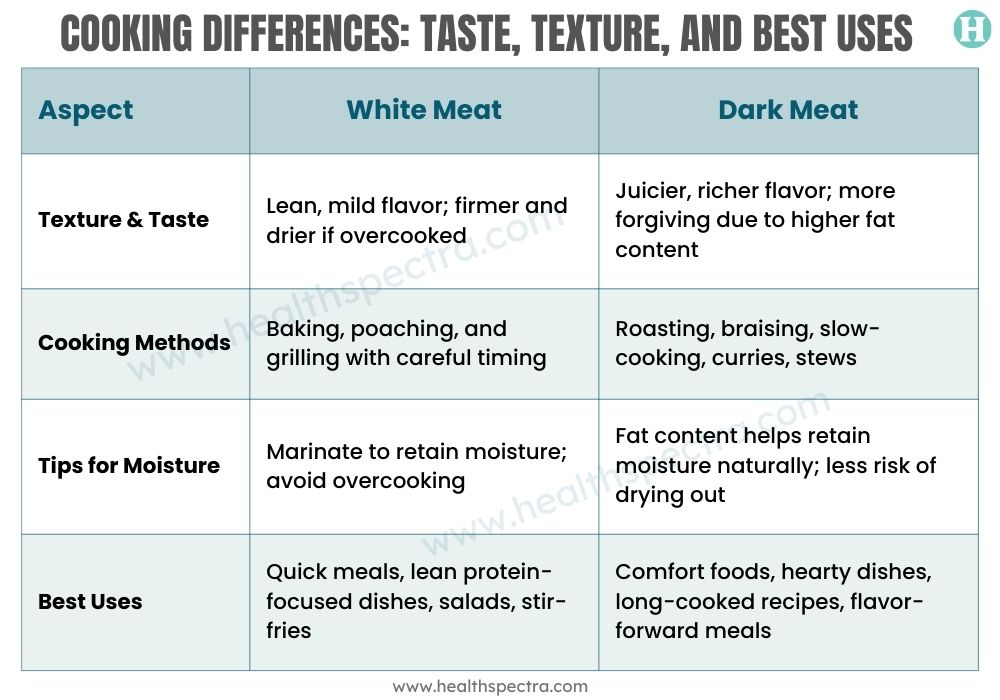 Dark meat, on the other hand, is richer and more forgiving, with higher fat content that naturally keeps it moist and flavorful. Understanding these differences helps you choose the right method for each cut and get the most out of your poultry.
By tailoring your cooking methods to the type of meat, you can enhance taste, texture, and satisfaction while preserving nutrition. White meat benefits from careful timing, marination, and gentle cooking, while dark meat thrives in slower, flavor-intensive methods like braising or roasting.
Knowing these distinctions allows you to enjoy both types of meat at their best, whether you’re aiming for lean meals or rich, hearty dishes.
Common Myths About Dark and White Meat
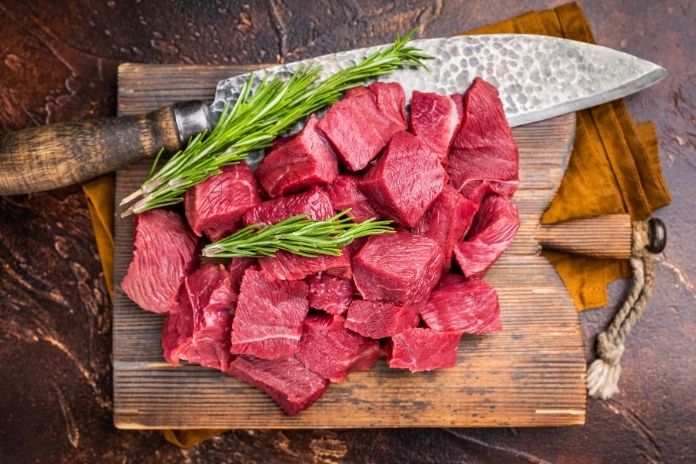
There are plenty of misconceptions about dark and white meat, often oversimplified as “good” versus “bad.” In reality, both have unique nutritional benefits, and context, preparation method, portion size, and overall diet matter far more than the color of the meat. Understanding the facts can help you make informed choices without unnecessary restrictions.
Common Myths:
- White Meat Is Always Healthier: Not true. Dark meat provides more iron, zinc, and B vitamins. Health benefits depend on the overall context, not just color.
- Dark Meat Is “Bad” Because It Has Fat: Fat isn’t inherently harmful. Dark meat contains beneficial fats and essential micronutrients. Balance is more important than avoidance.
- Removing the Skin Doesn’t Matter: It actually does. Chicken skin adds calories and saturated fat, so removing it reduces the nutritional difference between dark and white meat.
Who Should Choose White Meat More Often?
White meat is particularly useful for those aiming to reduce calorie or fat intake. Its lean nature makes it easier to create a calorie deficit while still getting high-quality protein.
People who benefit most from including white meat in their diet include:
- Individuals trying to lose weight.
- Those on low-fat or low-calorie diets.
- People managing high cholesterol or cardiovascular concerns (with medical guidance).
- Anyone who prefers mild flavors and a versatile protein source.
The lighter texture and neutral taste of white meat also make it easier to incorporate into a variety of dishes, from salads and stir-fries to soups and sandwiches. Its predictability in cooking and digestion is an added benefit for those with sensitive stomachs or specific dietary plans.
Who Should Choose Dark Meat More Often?
Dark meat offers a richer flavor, higher mineral content, and greater satiety due to its fat content, making it a better option for certain individuals. Key groups who may benefit from dark meat include:
- People needing more iron or zinc, such as menstruating women or endurance athletes.
- Those who struggle to feel full on very lean proteins.
- Active individuals or athletes require energy-dense meals.
- Anyone who values flavor and meal satisfaction.
Its juiciness and higher fat content help maintain fullness for longer periods, which can prevent snacking or overeating. Dark meat’s versatility in stews, braises, and roasted dishes makes it easier to enjoy nutrient-rich meals without sacrificing taste.
Read More: The Carnivore Diet: Examining the All-Meat Eating Trend
Are Both Healthy? The Balanced Approach
Rather than choosing exclusively between dark and white meat, the healthiest approach is balance and variety. Both types provide high-quality protein and essential nutrients when prepared properly.
Tips for maximizing benefits:
- Remove the skin to reduce saturated fat intake.
- Use simple cooking methods like baking, grilling, or poaching.
- Keep portions moderate to match energy needs.
- Pair with vegetables, whole grains, and other nutrient-dense foods.
Rotating both dark and white meat throughout the week ensures a broader range of nutrients, from protein and iron to B vitamins and healthy fats. This approach also keeps meals enjoyable, practical, and sustainable.
Conclusion
The dark meat versus white meat debate isn’t about picking a single winner. White meat, like chicken or turkey breast, is leaner and higher in protein per calorie, making it ideal for weight management, muscle maintenance, or low-fat diets. It also digests more easily for some people.
Dark meat, including thighs and drumsticks, offers more iron, zinc, and beneficial fats. Its richer flavor and juicier texture often make meals more satisfying, helping some people feel full longer and avoid extra snacking.
Which one to choose depends on your goals, preferences, and digestion. White meat works for lean, quick protein, while dark meat supports nutrient density and satiety. Cooking methods, portion size, and whether you keep the skin also affect healthfulness.
Ultimately, neither is inherently better. Using both strategically adds variety, flavor, and balance to your diet, letting you enjoy the unique benefits of each while supporting long-term health.
References
- WebstaurantStore. (n.d.). Dark meat vs. white meat.
- Kevin’s Restaurant. (n.d.). Dark meat vs. white meat.
- Sunshine Coast Organic Meats. (n.d.). White meat.
- Vinmec. (n.d.). Difference between red meat and white meat.
- Author(s). (2025). [Article Title]. Journal Name, Volume(Issue), page numbers.
- Lybrate. (n.d.). Red meat vs. white meat: What’s better for you?
- National Center for Biotechnology Information. (n.d.). [Article Title].
- Nordic Council of Ministers. (2023). White meat.
- EatingWell. (n.d.). White meat vs. dark meat: Which is healthier?
- Chicken Farmers of Canada. (n.d.). The benefits of dark meat.
- Women’s Health Magazine. (n.d.). Dark meat benefits.
- NBC News. (n.d.). White vs. dark chicken meat debate.
In this Article