

















When a gradual thinning of the eyebrow or a receding hairline is noticed, many people, particularly postmenopausal women, assume it’s simply a natural part of aging. While age-related hair changes are common, hair loss that appears to be part of normal aging can sometimes be an early sign of an underlying medical condition.
One such condition is frontal fibrosing alopecia (FFA), a slow-progressing and scarring type of hair loss that primarily affects postmenopausal women. However, it can also occur in men and younger women.
FFA is an autoimmune form of alopecia associated with lichen planopilaris, in which inflammation damages hair follicles, eventually leading to scarring and permanent hair loss.
Because FFA often develops so gradually, many people miss the early warning signs. It makes early recognition crucial. Diagnosis and treatment can stop the disease or slow it down considerably if it occurs early.
In this article, we’ll review the reasons, early signs, diagnostic tests, and current treatment options.
Read More: How to Tell If Your Hair Is Healthy: Signs to Look For (And Fixes If It’s Not)
What Is Frontal Fibrosing Alopecia (FFA)?
Hair loss in the frontal and the temporal regions of the scalp is a defining feature of FFA, a chronic, progressive disorder. Additionally, it frequently causes the hairline to recede. Loss of eyebrow hair is a common early sign; however, it may also affect other parts of the body. In certain instances, the disorder even affects eyelashes or body hair.
Furthermore, FFA falls under the category of primary cicatricial scarring alopecia. Additionally, factors such as hormonal fluctuations, the use of certain cosmetics, and sunscreen ingredients may significantly influence the causes of frontal fibrosing alopecia. All this may destroy the hair follicles. Either hormonal or autoimmune factors are commonly responsible for FFA.
Researchers are still working to understand the pathophysiology of FFA and are investigating its relationship to the skin barrier. Finally, there is hope, as new medications such as Janus kinase (JAK) inhibitors are being investigated alongside conventional therapies.
“Frontal fibrosing alopecia, which was first reported 30 years ago, is a condition that is increasing in epidemic proportions,” says Jerry Shapiro, M.D., in a presentation given at the 2018 AAD Summer Meeting.
Frontal fibrosing alopecia is a patterned variant of lichen planopilaris and predominantly affects postmenopausal women. However, around 20% of cases occur in premenopausal women, and the condition sometimes occurs in men (1-2% of cases), said Dr. Shapiro, who is the director of disorders of hair and scalp at New York University School of Medicine.
Recognising the Early Signs of FFA
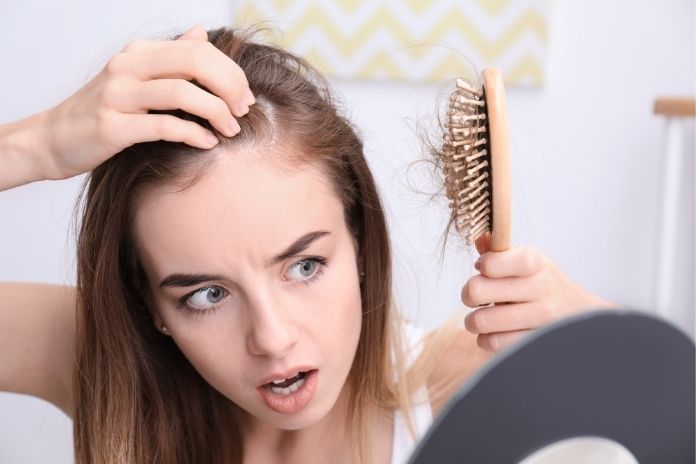
You may have symptoms before noticing any visible hair loss. Below, we exhibit what FFA may look like and the symptoms individuals may experience.
Itchy or painful scalp: Most individuals with FFA recall scalp discomfort before any visible hair loss. Itching or scalp soreness is a common early sign of scalp changes.
Rash on the scalp, face, or hairline: Before they noticeably lose their hair, some people get a rash. This rash of tiny pimples could be yellow, red, or skin-colored. Frequently, the pimples feel scaly.
Loss of eyebrows: A visible loss of eyebrows is a common symptom of FFA. Before you detect a receding hairline, you may have thinner eyebrows or hair loss at the outer borders of your eyebrows. Some people experience total eyebrow loss as their scalp hair loss worsens.
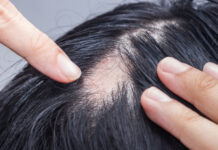
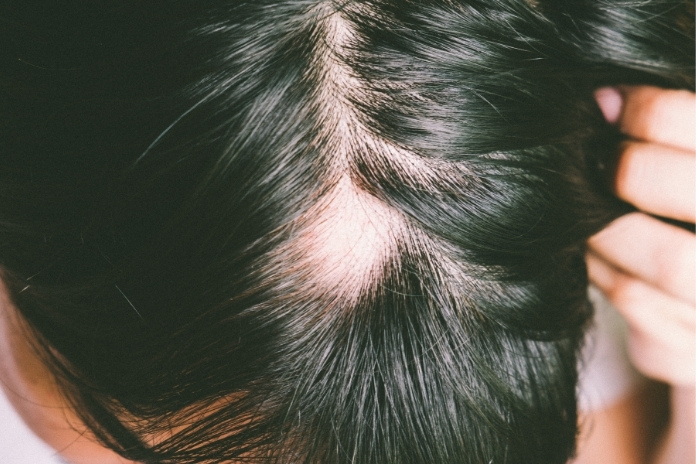
Hair loss spreads: Over time, hair loss becomes more noticeable. Additionally, FFA may result in balding patches or a zigzag pattern of hair loss.
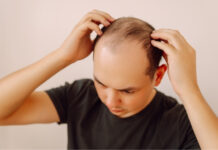
Advanced hair loss: Hair loss tends to spread if left untreated. Frontal baldness or a receding hairline typically shifts back over the head as FFA progresses, as seen above.
Loss of hair in the beard area: The majority of those who have this form of hair loss are women; however, men can also experience FFA. A receding hairline, eyebrow loss, and uneven beard growth are all indicators of FFA in men.
Read More: Is It Normal to Lose Hair in the Shower? Here’s When to Worry
Causes and Risk Factors — What We Know So Far
The precise cause of frontal fibrosing alopecia remains unknown. However, they suspect:
- Autoimmune illness occurs when your immune system targets the hair follicles, which are the openings where your hair develops. FFA may be an autoimmune condition called lichen planus, which causes scalp inflammation and scarring (lichen planopilaris).
- Genetics, since FFA cases can occasionally run in families.
- Hormones, since the majority of FFA sufferers are postmenopausal.
- Procedures like hair transplants or facelifts.
Additionally, researchers believe that environmental factors may trigger FFA in individuals with a genetic susceptibility to the condition, such as a family history. These external elements could consist of:
- Sun exposure
- Viral infections
- Drugs
- Dioxins are pollutants found in an animal-based diet
- Sunscreens
How FFA Is Diagnosed

Receiving an accurate diagnosis and assessment of Frontal Fibrosing Alopecia is essential to help you decide on the best treatment options and manage it properly. So how do doctors diagnose this and decide what to do?
The Importance of Having a Complete Consultation and Physical Exam: The first step in establishing whether you have FFA is a complete consultation and physical exam.
During the consultation, your dermatologist will ask about the patient’s medical history, whether there is a family history of similar medical conditions, and whether there have been any recent health or lifestyle changes that may have influenced hair health, among other things.
The physical examination includes evaluating hair loss, scalp scarring, and scalp inflammation.
More diagnostic tools are often used to make a final diagnosis:
Scalp biopsy: A critical test for FFA. A small piece of scalp tissue, usually from the affected area, is removed and examined under a microscope. It helps prove that inflammation and scarring are common in FFA.
Trichoscopy: This method doesn’t hurt; it uses a handheld device called a dermatoscope to enlarge the scalp and hair follicles. It lets the dermatologist see typical signs, such as perifollicular erythema (redness around hair follicles) and loss of follicular openings.
Eliminating Additional Possible Reasons for Hair Loss:
To ensure an accurate diagnosis, it is very imperative to exclude alternative etiologies of hair loss that may resemble frontal fibrosing alopecia. Some examples are lichen planopilaris, a type of cicatricial alopecia, and androgenetic alopecia or telogen effluvium, both types of non-scarring alopecia.
To rule out these other conditions, it is often necessary to perform a comprehensive set of tests, including hormonal tests, blood tests to screen for autoimmune diseases, and a thorough review of the patient’s medication history.
Read More: How to Naturally Slow Down Age-Related Hair Loss
Latest Treatment Advances — What Works
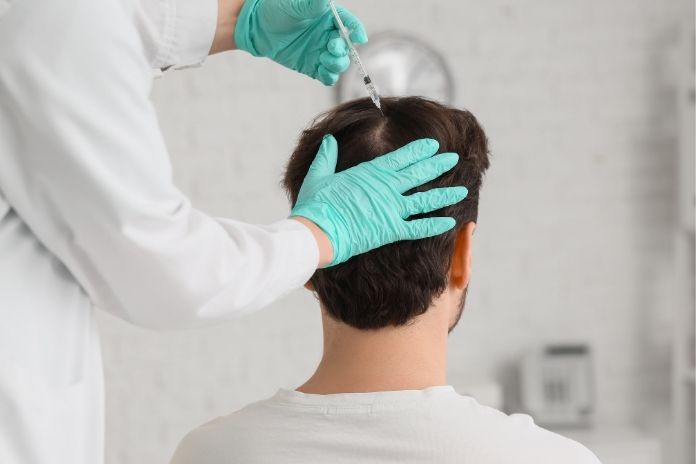
Frontal fibrosing alopecia cannot be cured. However, treatments can help reduce its progression. Your healthcare provider may recommend the following drugs:
- Antibiotics that lower inflammation, including minocycline or doxycycline.
- Topical corticosteroids, available as creams for home use, can treat eyebrow hair loss.
- Dutasteride or finasteride (Propecia®), available as a tablet, can help prevent further hair loss.
- Hydroxychloroquine reduces pain and itching problems. According to studies, taking it early on may also aid hair growth.
- To apply to your scalp, use minoxidil. It may help treat hair loss when taken with corticosteroids or finasteride, among other medications.
Assessing Advanced Hair Transplant Procedures:
Hair transplant surgery may be the last option for people with extensive hair loss, where there is substantial scarring and hair loss, to restore the hairline visually.
It entails moving hair follicles from the scalp’s denser regions to the affected ones. Ensuring FFA is inactive is essential, though, because transplanting in active FFA can lead to graft failure due to persistent inflammation.
Daily Management and Lifestyle Tips
The management of the Frontal Fibrosing Alopecia (FFA) involves more than just medical care; everyday routines are crucial in reducing inflammation and preventing further follicular damage.
- Start by using gentle sulfate-free cleansers and shampoos to reduce irritation on the already sensitive scalp.
- Since certain sunscreens, thick leave-on hair products, and products with strong perfumes or alcohols may exacerbate inflammation in some people, many specialists also suggest avoiding potential irritants.
- Sun protection should be an essential part of your daily routine, as UV radiation can cause scalp inflammation, which accelerates hairline recession. Minimize sun exposure with scarves, broad-brimmed hats, or mineral sunscreens containing zinc or titanium, applied around the hairline.
- Internal support for the body might also help. A diet that is rich in antioxidants, omega-3 fatty acids, lean proteins, and vibrant fruits and vegetables may also help promote healthy hair follicles and reduce oxidative stress.
- And finally, schedule a routine follow-up with your dermatologist every 3 to 6 months. Regular monitoring helps to track disease activity, assess treatment effectiveness, and make timely changes to prevent further progression.
Living With FFA — Emotional and Practical Support
Losing hair can be highly distressing. Your sense of well-being and mental health may be impacted. Speaking with a therapist, close friends, or family members can be beneficial.
You should also sign up for an FFA support group. It can be quite reassuring and educational to share your experiences with people going through similar experiences.
Additionally, you should start FFA treatment as soon as feasible. You can notice greater hair loss the longer you wait.
Additionally, you can look after yourself by:
- Avoiding home treatments for hair loss unless you have previously discussed them with your doctor.
- Reducing the use of heated styling equipment, such as hair dryers and curling irons, helps minimize heat-induced inflammation.
- Discussing a possible hairstyle with your hairstylist that could assist in concealing the loss of hair.
Read More: How to Make Your Own Ayurvedic Hair Mask for Dry Scalp and Split Ends
Conclusion
Frontal fibrosing alopecia is a complicated scarring alopecia that requires early identification. Early intervention helps curb its progression, say experts. Increasing knowledge of autoimmune mechanisms, hormonal effects, and environmental triggers is illuminating the cause. Clinical trials, especially those on alopecia barbae, are yielding promising results.
Because of FFA scars, avoiding follicle injury is very critical. Once scarring has begun, regrowth is not possible. This is why early detection, diagnosis, and treatment are crucial. Medical therapy, thoughtful daily routines, and regular monitoring may stabilize the illness and restore confidence in appearance for many individuals.
As science evolves, new therapies offer hope to those affected. Staying informed, vigilant, and proactive helps you to self-manage any diagnosis and keeps your hair and scalp healthy.
References
- Cleveland Clinic. (2022, June 13). Frontal fibrosing alopecia: Symptoms, causes & treatments
- Mayo Clinic. Frontal fibrosing alopecia
- Paul T. Rose and Bernard P. Nusbaum (2013). Frontal fibrosing alopecia
- Istanbul Hair Institute. Frontal fibrosing alopecia (FFA): Causes, treatments, and care
- DermNet NZ. (2024). Frontal fibrosing alopecia
- American Academy of Dermatology. Paula Ludmann, MS. (2022, August 3). Hair loss types: Frontal fibrosing alopecia signs and symptoms
- Epiphany Dermatology. Frontal fibrosing alopecia: 6 things you should know
- MD Searchlight. Frontal fibrosing alopecia
In this Article