














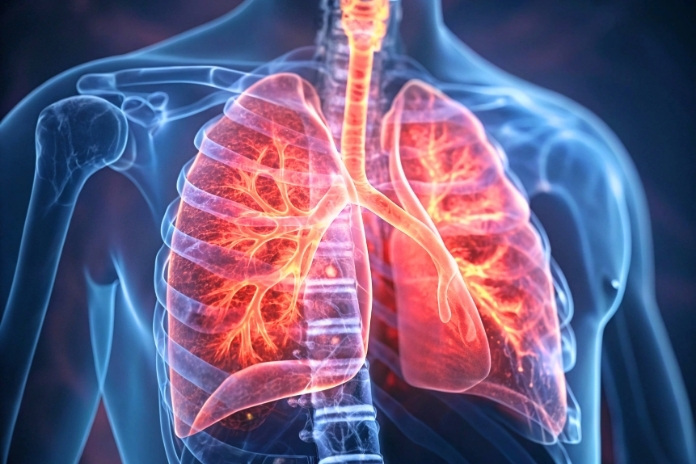
Lung conditions that increase the risk of inflammation include asthma, chronic bronchitis, and respiratory infections, including exposures such as irritants and environmental pollution.
Symptoms can include chest pain in addition to coughing, wheezing, or shortness of breath, and treatment is usually directed towards the cause of the problem; anti-inflammatory or immunosuppressive medications may be used to relieve inflammation.
These triggers vary widely from bacterial or viral infections like pneumonia to inhaling irritants such as smoke or chemicals, as well as immune reactions and chronic diseases like asthma and chronic obstructive pulmonary disease (COPD). Knowing the causes of inflammation helps identify what started it.
Identifying lung inflammation as the primary cause helps guide treatment decisions and prevents serious complications. When the source and nature of inflammation are known, interventions become safer, more targeted, and more effective.
Read More: Persistent Cough vs. Lung Cancer: When to Worry
Common Causes of Lung Inflammation
The body’s normal reaction to an injury or infection is inflammation. It can happen in the lungs for a variety of causes. Although the body uses inflammation to heal itself, chronic inflammation can harm lung tissues and airways. Lung inflammation is often caused by:
Respiratory Irritants: Inflammation is the body’s response to airborne pollutants or irritants entering the lungs. As a result, the airways enlarge, and mucus, a sticky material that envelops particles and protects the airway walls, is produced. You can then cough to clear mucus.
Lung Infections: A wide variety of pathogens, or disease-causing substances, cause lung infections. These include bacteria that can cause both acute and chronic lung infections, viruses that typically cause acute illnesses, and fungi that frequently cause severe infections in individuals with weakened immune systems.
Chronic Obstructive Pulmonary Disease (COPD): Persistent lung inflammation characterizes this condition and raises the risk of pneumonia and bronchiectasis. It is closely associated with smoking cigarettes. Emphysema, which causes the lungs to become severely pitted, develops from chronic bronchitis, which is inflammation of the central airways. To lessen and regulate lung inflammation, people with severe COPD frequently need to inhale corticosteroids, also known as steroids.
Asthma: During an asthma attack, the airways dynamically dilate and constrict in response to triggers or other factors. You experience ‘bronchospasms’, episodes of constriction of the airways due to coughing, wheezing, and possible mucus production. Pneumonia is more common in people with poorly controlled asthma due to ongoing lung inflammation.
Trauma: Acute lung inflammation can result from any trauma to the chest wall or lungs. These include injuries like a collapsed lung after a car accident, a puncture wound, or a fractured rib. Because of the accumulation of fluid in or around the lungs, those who have experienced severe chest or lung injuries are susceptible to pneumonia. Additionally, bacteria can infiltrate the chest wall through penetrating wounds, potentially resulting in a serious illness.
Pericarditis: Inflammation of the sac (pericardium) surrounding the heart. Infections, cardiac attacks, certain illnesses, and even some medical procedures can result in pericarditis. Although pericarditis primarily affects the heart’s lining, if the cause is severe or persistent, the inflammation may spread to the lungs.
Lung Cancer: The immune system attacks the malignant tumor, leading to persistent lung inflammation that characterizes the disease. Radiation, chemotherapy, and more recent targeted medications and immunotherapies are among the cancer treatments that frequently cause lung inflammation as a side effect. Since all these treatments aim to destroy cancer cells, they all trigger an inflammatory response.
Costochondritis: This condition, which is caused by inflammation of cartilage connecting your ribs to your breastbone, can result from a chest injury or infection. Sharp or stinging chest wall pain and pressure are symptoms of costochondritis.
Symptoms of Lung Inflammation

Numerous symptoms that affect your breathing and overall comfort may be caused by lung inflammation. Sometimes, symptoms can worsen or improve abruptly. Additionally, symptoms differ widely among those who have the illness and include:
- Breathing difficulties
- Dry cough that typically produces no mucus
- Extreme fatigue
- Appetite loss
- Fever
- Muscle and joint ache
- A headache
- Weight reduction
Symptoms of chronic pneumonitis can include:
- Short, shallow bursts of breathing
- Cyanosis
- Unintended loss of weight
Read More: How to Check Your Lung Health at Home: Simple Tests and Warning Signs to Watch
How Doctors Diagnose Lung Inflammation

Numerous factors can lead to lung inflammation, which requires at least a physical examination (including a review of breath sounds) and a review of your medical and family history. The results may lead your doctor to schedule additional tests and procedures.
These consist of the following laboratory tests:
- The complete blood count (CBC) is a blood test used to identify infections.
- A blood test called erythrocyte sedimentation rate (ESR) can identify widespread inflammation.
- Another blood test that identifies widespread inflammation is C-reactive protein (CRP).
- An ABG is a blood test that measures the ratio of carbon dioxide to oxygen in your blood to assess how well your lungs are functioning.
Your doctor may prescribe the following procedures:
- A finger-worn instrument that measures blood oxygen saturation is called a pulse oximeter.
- Pulmonary function tests (PFTs) are a series of examinations that measure the strength and volume of your lungs using equipment that you breathe into.
- An electrocardiogram (ECG) is a non-invasive procedure that measures the heart’s electrical activity.
Imaging testing could consist of:
- Chest X-ray: An imaging procedure that uses low-dose ionizing radiation to produce black-and-white images.
- Computed tomography (CT): An imaging technique that creates three-dimensional “slices” of the lungs by combining many X-ray pictures.
- Magnetic resonance imaging (MRI): An imaging procedure that produces incredibly detailed images of soft tissues by using strong magnetic fields and radio waves.
- Ventilation-perfusion scan: This imaging test shows how blood and air move through your lungs.
What Can Reduce Lung Inflammation (General Guidance)
The origin of the inflammation, whether it is acute or chronic, and the severity of your condition all influence the treatment options for lung inflammation. Doctors may use drugs to treat inflammation or relieve associated symptoms such as fever, congestion, infection, pain, or breathing difficulties.
Although some autoimmune diseases (like asthma) and chronic lung conditions (such as COPD) cannot be cured, taking certain medications consistently can control or reduce symptoms.
Among the available drugs are:
Antibiotics are used to treat bacterial pneumonia. For more severe bacterial lung infections, a clinic or hospital may prescribe antibiotics intravenously or orally. Levofloxacin, amoxicillin, clarithromycin (Biaxin), and azithromycin (Zithromax) are a few examples.
Antifungals are used to treat fungal lung infections caused by Aspergillus, Histoplasma capsulatum, or other fungal spores. Among the medications are voriconazole, amphotericin B, itraconazole, and ketoconazole.
Corticosteroids help control a range of symptoms by reducing inflammation and suppressing your immune system. Cortisone, prednisone, and fluticasone (Flonase) are a few examples. They come in several forms (oral, injectable, and inhaler).
Leukotriene modifiers help asthmatic patients breathe more easily and experience less wheezing by reducing or blocking leukotriene activity. Montelukast (Singulair), zileuton (Zyflo, Zyflo CR), and zafirlukast (Accolate) are a few examples.
Read More: Top 10 Breathing Support Products to Enhance Lung Health Naturally
When to See a Doctor

A pulmonary medicine specialist can also be helpful when diagnosing and treating dyspnea. You may want to see a pulmonologist if you are having any of the following symptoms:
Lasting Shortness of Breath: Time to see a pulmonologist if you’re struggling to breathe for weeks or months at a time (with or without effort, even when resting) and it’s not letting up.
Shortness of Breath with Symptoms Like: Consult a specialist if tightness in your chest, wheezing, chest pains, or a chronic cough accompany the breathlessness.
Additionally, you need to schedule an appointment with your pulmonologist if you have shortness of breath, chills, a high temperature, swelling in your feet and ankles, difficulty breathing while lying flat, and a cough.
Potential Need for a Pulmonologist When Breathlessness Limits Daily Living: A pulmonologist should be consulted if you experience any breathlessness that prevents you from being able to perform daily activities or impacts your ability to lead an enjoyable life.
“Identifying the molecular mechanisms by which pre-existing inflammation in the lungs enhances metastasis has huge clinical implications,” said senior author Dr. Vivek Mittal, director of the Neuberger Berman Foundation Lung Cancer Laboratory and an associate professor of cell and developmental biology in cardiothoracic surgery and of cell and developmental biology at Weill Cornell Medicine. “Our research suggests that therapies could be designed to target this pathway to mitigate metastasis to the lung, particularly in cancer patients who exhibit lung inflammation due to exposure to cigarette smoke, bacterial infections, and other environmental pollutants.”
Conclusion
Lung inflammation isn’t even a disease; it’s a condition produced by various causes, including frequent infections and chronic lung conditions, and even ordinary irritations. No two attacks of lung inflammation are alike in their causes, because they vary so much.
Finding the root cause is the most crucial stage in providing adequate relief. Accurately identifying the cause allows for more targeted therapies, a smoother recovery, and a far lower risk of long-term issues.
You must get a medical assessment as soon as possible if your symptoms persist, worsen, or lack a clear cause.
Read More: Exercises to Increase Lung Capacity and Strength
References
- Cleveland Clinic. (9, March 2023). Pneumonitis.
- Mayo Clinic. (2024, July 30). Pneumonitis — Symptoms and causes.
- ChemoExperts. (2024, July 16). Inflammation of the Lungs (Pneumonitis).
- Uncover Life. What is COPD? Understanding lung inflammation.
- Sciensano. Lung inflammation.
- RadiologyInfo.org. (2023, May 1). Pneumonia.
- Austin Pulmonary Consultants. Shortness of breath: signs you need to see a pulmonologist.
In this Article