


















Menopause is never just hot flashes and weird sleep. It quietly alters many aspects of the body, one significant one being your cholesterol and heart health.
You might notice this: you eat the same, move the same, but your reports start showing higher LDL (bad cholesterol) and triglycerides. Sometimes HDL (the “good” one) even drops. Feels unfair, right? But.. there’s a reason for it.
When estrogen levels go down, you lose a kind of bodyguard for your heart. Estrogen helps your liver clear fats properly. Without it, the balance shifts. However, this is not all bad news – menopause is also a great opportunity to reset your health with increased awareness and better habits.
Let’s break it down – what’s actually happening and how you can lower cholesterol during menopause smartly and sustainably.
Understanding Cholesterol Changes During Menopause
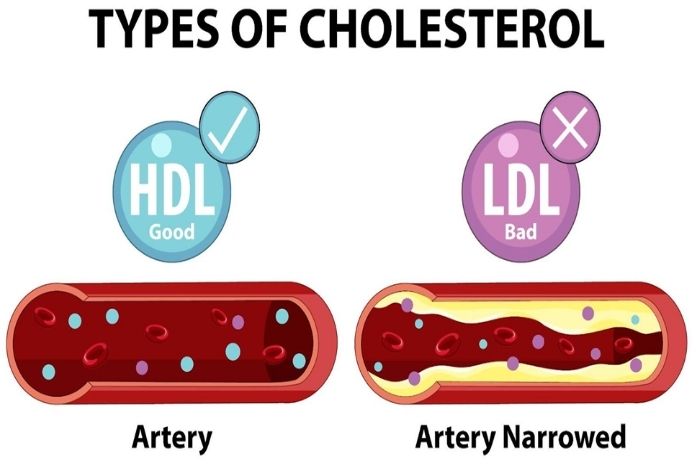
When estrogen levels decrease, LDL cholesterol levels often increase by around 10–15%, according to studies. Estrogen is used to help your liver function better in removing LDL from the blood and maintaining higher HDL levels. With its decline, the system becomes sluggish.
A review study notes this as one key reason why women’s cardiovascular risk catches up to men’s after menopause.
It’s very simple:
- LDL (bad cholesterol) increases → builds plaque in arteries, increasing the risk of coronary artery disease.
- HDL (good cholesterol) may go down → less protection for the heart
- Triglycerides rise → worsen inflammation
Additionally, estrogen helps regulate blood pressure by affecting blood vessels and salt levels in the body. When estrogen levels decrease, both systolic and diastolic blood pressure can increase. High blood pressure (hypertension) adds even more risk for heart problems, strokes, and heart failure.
You might not even change your food, but your hormones did. Therefore, the “old normal” lifestyle may no longer be sufficient protection.
Read More: Cooking for Heart Health: Delicious Recipes to Lower Cholesterol
Target Cholesterol Levels for Midlife Women
Everyone’s target range is personal, but general goals (as per the CDC and heart associations) go something like this:
- LDL below 100 mg/dL (or even lower if you already have diabetes or heart issues)
- HDL above 40-50 mg/dL
- Triglycerides below 150 mg/dL
- Total Cholesterol around 150 mg/dL or less
However, don’t obsess only over numbers – your doctor can adjust targets based on factors such as blood pressure, weight, family history, or thyroid condition. The main thing – get your lipids tested regularly. Many women skip this after 40, only to regret it later when something goes wrong.
Read More: Daily Supplements for Heart Health: Vitamins and Minerals to Manage Cholesterol
Lifestyle Strategies to Lower Cholesterol During Menopause
Menopause doesn’t mean surrendering to the changes. Your daily routine can strongly influence how your lipids behave. Small things matter more than fancy plans.
1. Eat in a Way That Helps Your Arteries
You don’t have to turn vegan or follow fancy women’s diets for cholesterol or menopause. The goal is to eliminate the wrong fats and increase consumption of the right ones.
- Cut the bad fats: Eat less red meat, butter, and pastries, as well as processed snacks. These raise LDL. And if you really want to lower your cholesterol, then try to keep it less than 200 mg of cholesterol a day.
- Add foods rich in soluble fiber: Aim for approximately 10 to 25 grams of soluble fiber daily. Things like oats, barley, apples, beans, and ladyfinger – they trap cholesterol in the gut and get it out of your body.
- Add whey protein: Whey protein comes from milk and dairy foods. It’s one of the main reasons dairy can be good for your health.
- Use good fats smartly: Olive oil, mustard oil, nuts, seeds – they help increase HDL.
- Omega-3s: From fish like salmon or from flaxseeds – can bring down triglycerides. They can also help prevent blood pressure from rising and lower the risk of irregular heartbeats.
- Plant sterols/stanols: Found in fortified foods, avocado oil, nuts, whole grains, and legumes – about 2g/day can knock down LDL by 8-10%.
And yes, keep weight in check. Midlife weight tends to accumulate around the waist, which exacerbates insulin resistance and cholesterol issues. Slow eating, smaller portions, and not eating late dinners – all help more than we realise.
2. Move – But Move Wisely

You don’t have to join a bootcamp. Regular movement is enough to reduce cholesterol after menopause.
- Aim for 150 minutes a week of brisk walking, cycling, or swimming.
- Add two strength sessions weekly – menopause reduces muscle and bone mass, so you’ll need to incorporate these exercises.
- If you sit for long hours, then even 10-minute walk breaks after meals can be beneficial.
Consistency wins here. One missed day doesn’t ruin your effort – but one missed month might.
3. Manage the “Menopause Factors” No One Talks About
Menopause brings a few silent changes:
- Belly fat increases, even if the weight stays the same.
- Sleep quality drops.
- Stress or irritability rises.
All of these factors indirectly worsen cholesterol in menopause. Poor sleep raises cortisol levels, which can disrupt fat metabolism. Stress eating adds on.
Focus on sleep hygiene, stress management, and consider incorporating light yoga or meditation. Not for spirituality – but for hormonal balance.
Also, quit smoking if you do. If you don’t smoke, don’t start. Smoking plus menopause is like a double hit to the arteries. It makes your arteries harden faster. This raises your risk of heart disease a lot.
And keep alcohol to occasional levels – also adds extra calories to your diet. Women should limit their alcohol consumption to one drink per day.
4. Keep an Eye on Other Risk Factors
Sometimes, it’s not just cholesterol in menopause.
- High BP, thyroid, or blood sugar issues can push your cholesterol up.
- Get a lipid profile + thyroid + fasting glucose checked yearly after 40.
- If there’s a family history, be even more alert.
Midlife is the best time to “audit” your body’s engine. Prevention is cheaper and easier than fixing a heart later.
Read More: 10 Proven Ways to Boost Your HDL Cholesterol Without Medication
Hormone Replacement Therapy (HRT) and Medicines
HRT can slightly improve cholesterol – increase HDL and reduce LDL – but it’s not a cholesterol treatment. Doctors usually prescribe it for hot flashes, sleep disturbances, or bone loss, rather than primarily for lipid control.
Still, research shows it can make a difference in some women.
In a study of 400 postmenopausal women with similar levels of follicle-stimulating hormone (FSH), a reproductive hormone that helps the ovaries prepare eggs, and total cholesterol, and LDL cholesterol, a clear improvement in blood lipids was observed only in those who received hormone therapy and had their FSH levels decreased by approximately 30%.
That means the benefit likely depends on how your hormones respond—not just taking the therapy itself. In simple terms, when estrogen and FSH get back into better balance, your liver starts handling fats more efficiently again.
However, HRT isn’t for everyone. It has to be tailored – depending on age, time since menopause, and your personal or family risk for breast cancer, clots, or heart disease. So, if lifestyle fixes don’t work and LDL stays high, then your doctor may suggest statins or other medicines. These are safe and well-studied for postmenopausal women.
Discuss openly with your doctor – risks, benefits, and timing matter. Don’t start or stop on your own.
Read More: Cholesterol Myths vs. Facts: Debunking Common Misconceptions
Make Your Own Cholesterol-Lowering Plan
You don’t need to change everything overnight. Try this:
- Get a baseline lipid test.
- Discuss your personal goals with your doctor.
- Fix one habit first – maybe breakfast or a daily walk.
- Recheck after 3–6 months.
- Adjust based on results.
Keep a small food + activity diary – it’s eye-opening to see what triggers unhealthy eating or stress days.
Menopause isn’t an end – it’s a checkpoint to upgrade your health system.
Read More: Cholesterol-Lowering Supplements: Do They Really Work?
A Conclusion: A Midlife Wake-up Call
Think of menopause as your body’s gentle alarm – not punishment. It’s saying, “Time to take charge now.”
You already managed career, family, chaos – managing high cholesterol and menopause is not harder than that.
Good food, consistent movement, enough sleep, and routine check-ups – these are not luxuries, they are survival habits for the next 30 years.
Heart disease doesn’t come overnight. It’s built in silence. But you can rewrite that silence and story – one small, steady step at a time.
Read More: Best Diet for Postmenopausal Women: Foods That Support Hormones, Bones, and Heart
Key Takeaways
- Estrogen drop = higher LDL and triglycerides – not your fault, just biology.
- Eat more fiber, good fats, and fewer processed foods for managing cholesterol after menopause.
- Move regularly; strength training helps a lot – works better than crash gym routines.
- Sleep, stress, and waistline are silent cholesterol drivers – manage them.
- HRT or medicines can help in postmenopausal cholesterol management, but lifestyle is the backbone.
References
- https://pmc.ncbi.nlm.nih.gov/articles/PMC12409787/
- https://pmc.ncbi.nlm.nih.gov/articles/PMC8260319/
- https://pmc.ncbi.nlm.nih.gov/articles/PMC10074318/
- https://pmc.ncbi.nlm.nih.gov/articles/PMC12511246/
- https://www.imrpress.com/journal/CEOG/52/1/10.31083/CEOG26813/htm
- https://www.cdc.gov/cholesterol/about/index.html
- https://medlineplus.gov/howtolowercholesterolwithdiet.html
- https://www.mayoclinic.org/diseases-conditions/high-blood-cholesterol/in-depth/reduce-cholesterol/art-20045935
- https://my.clevelandclinic.org/health/drugs/17368-phytosterols-sterols–stanols
- https://www.cdc.gov/cholesterol/prevention/index.html
- https://pmc.ncbi.nlm.nih.gov/articles/PMC10074318/
- https://www.mayoclinic.org/diseases-conditions/high-blood-cholesterol/expert-answers/cholesterol/faq-20058468
In this Article