













There are very few foods or drinks that inspire such sharply divided opinions. Energy drinks are one of them.
Ask one person, and they may describe them as “liquid heart attacks in a can.” Ask another, and they may say they have one every morning and feel perfectly fine. The reality lies somewhere in between.
Energy drinks are not completely harmless, but they are also not as uniquely dangerous as some headlines suggest.
They combine ingredients that people often consume separately, caffeine, sugar, sweeteners, flavorings, and sometimes herbal extracts, often in high concentrations and large serving sizes.
The real question is not simply whether energy drinks are good or bad. A better question is, what do they actually do inside the body, which risks are supported by evidence, and when does occasional use become a cause for concern?
- Energy drinks mainly work because of caffeine.
- They can improve alertness, reaction time, and concentration for several hours.
- For healthy adults, moderate intake is generally tolerated, but understanding caffeine content and timing is more important than many consumers realize.
What Is Actually in an Energy Drink
A lot of discussions about energy drinks start with their effects. It probably makes more sense to start with the ingredients.
Take a standard energy drink, and most of the physiological effects come from one thing. Caffeine. Everything else tends to get more attention in marketing than in research.
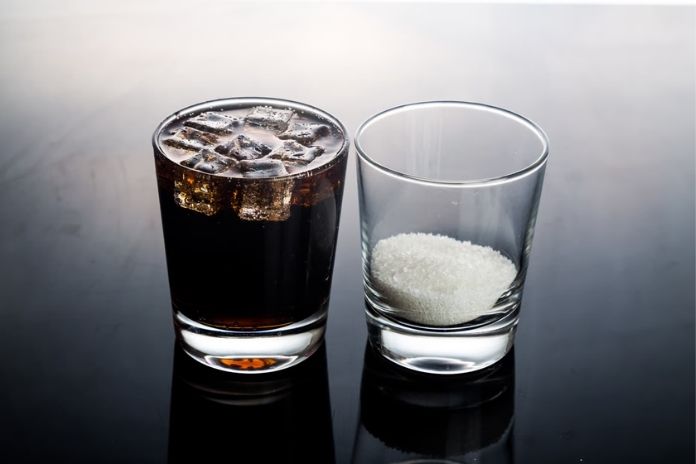
A typical 250ml can contains around 80mg of caffeine. Larger cans often contain 150mg, 200mg, or even more. Some products marketed toward gym users push close to 300mg per serving. Then comes sugar.
A standard can of Red Bull contains roughly 27 grams, which works out to around seven teaspoons. That number surprises many people because the can itself looks small.
Taurine is another common ingredient. Despite the attention it receives, evidence for major health effects from taurine at the amounts used in energy drinks remains limited. The same applies to many added ingredients.
Ginseng. Guarana. L-carnitine. Various vitamin blends. Most are present in amounts that sound impressive on labels but probably contribute far less to the actual experience than caffeine does.
Sugar-free versions remove the sugar and replace it with artificial sweeteners. That may reduce the calorie content and its impact on blood glucose levels, but it does not eliminate the caffeine.
Short-Term Effects: What Actually Happens in Your Body
People often describe energy drinks as providing energy. Biologically, that is not really what is happening. The drink is not creating energy. It is changing how tiredness is perceived. Within about 10 to 15 minutes, caffeine begins entering the bloodstream.
One of caffeine’s main actions is blocking adenosine receptors. Adenosine is one of the chemicals involved in making you feel sleepy as the day goes on. The longer you stay awake, the more adenosine builds up.
Caffeine gets in the way of that signal. The result feels like more energy. But technically, there is less awareness of fatigue. Around 30 to 45 minutes later, caffeine levels reach their peak. This is usually the window where people notice the strongest effects.
Attention improves. Reaction times improve. Concentration often improves. Research has shown measurable benefits in short-term memory and mental performance during this period. This part is important because discussions about energy drinks sometimes focus only on risks.
The cognitive effects are real. People do become more alert. That is why these products exist in the first place. At the same time, the heart is also responding. Heart rate may rise. Blood pressure often rises slightly. “The more serious risks of caffeine are mostly related to heavy consumption from use in energy drinks and in supplement form,” said Dr. Stephen Devries, a preventive cardiologist. “Anxiety and unsafe behaviors, especially in adolescents, are associated with energy drink use.
Some people feel this more than others. One person drinks a can and barely notices anything. Another feels jittery after half a serving. Several hours later, the caffeine begins clearing from the body.
What many people call an energy crash often arrives during this stage. Interestingly, the crash is partly because adenosine signaling returns as caffeine levels fall. The tiredness that was temporarily masked becomes noticeable again.
The Cardiovascular Risks: What the Evidence Now Shows
This is probably the section where most misinformation exists. Not because the risks are fake. Because they are often presented without context. Take one frequently cited study from 2019.
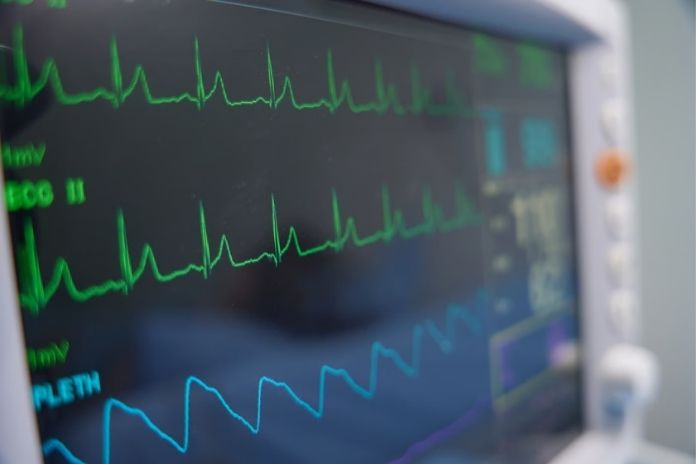
Researchers found significant changes in heart rhythm and blood pressure after participants consumed 32 fluid ounces of energy drinks within 60 minutes.
That finding was real. The detail often left out is the amount. Thirty-two fluid ounces is roughly four standard cans consumed within an hour. That does not mean the study is unimportant. It actually tells us something useful.
Large amounts of energy drinks can directly affect electrical activity in the heart. But presenting that study as evidence that one occasion can produce the same risk would be misleading. A newer finding has attracted even more attention.
In 2024, researchers reported that people taking more than two liters every week of sugar-sweetened or artificially sweetened beverages had a 20% higher risk of atrial fibrillation compared with non-consumers.
Energy drinks fall within that beverage category. The study does not prove that energy drinks directly cause atrial fibrillation.
But it adds to growing evidence that high intake of these beverages may not be completely benign from a cardiovascular standpoint. Blood pressure is another area where evidence is fairly consistent. Caffeine increases blood pressure.
Not dramatically for everybody. But enough that people already living with hypertension should pay attention. One thing often missing from online discussions is the underlying health matters.
The risks look different in a healthy 22-year-old than they do in somebody already managing arrhythmias, high blood pressure, or structural heart disease.
Sugar, Blood Sugar, and the Metabolic Picture
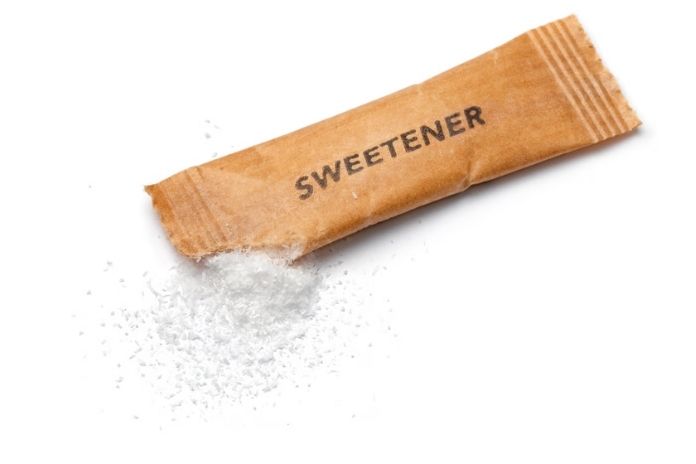
One thing that gets overlooked in energy drink discussions is that people often focus on caffeine and completely forget the sugar.
In many products, the sugar load is not small. A standard 250ml Red Bull contains about 27 grams of sugar. That means a single can already reaches or exceeds what many health organizations recommend as a daily limit for added sugar.
Now imagine somebody drinking two or three cans. Suddenly, the conversation is not really about caffeine anymore. It becomes a sugary drink conversation.
And the body generally responds to sugar from an energy drink the same way it responds to sugar from other sweetened beverages. Blood glucose rises. Insulin rises.
The body deals with that sugar load. Occasionally, this is not likely to create major problems. Repeated every day for years is where concerns begin.
Researchers have linked regular consumption of sugar-sweetened beverages with increased risk of type 2 diabetes and metabolic disease. Energy drinks are never exempt from those mechanisms simply because they actually have caffeine or vitamins.
The marketing sometimes makes them feel different. Biology does not. Then there are sugar-free versions. Many people assume sugar-free automatically means healthy.
That is probably too simple. Removing sugar certainly removes the blood glucose spike and reduces calorie intake. That can be useful. But sugar-free energy drinks still contain caffeine, and they often rely on artificial sweeteners such as sucralose or other sweetening agents. “Switching from regular to diet soda may offer a short-term cut in calories, but your body won’t be fooled for long,” says registered dietitian Susan Campbell, RD, LD.
The result is a different metabolic picture, not necessarily a risk-free one. A lot of consumers think the choice is between “bad” and “good.” In reality, it is usually between different trade-offs.
Sleep Disruption: Timing Matters More Than Most People Realise

One of the strangest things about energy drinks is that people often judge them based on whether they can fall asleep. That is actually the wrong test. Someone drinks an energy drink at 5 pm.
They fall asleep at 10:30 pm. They assume everything is normal. Maybe. Maybe not. Caffeine effect lasts longer than many people realize. The average half-life is about five hours. Meaning half the caffeine consumed at 4 pm may still be circulating around 9 pm. And that is just half. Not all of it.
The bigger issue is that sleep quality and sleep quantity are not the same thing. A person can fall asleep fairly easily and still experience less restorative sleep. Research suggests caffeine reduces slow-wave sleep, which is one of the deeper stages involved in recovery and feeling refreshed the next day.
This creates an interesting cycle. A person feels tired in the morning. They use an energy drink. The caffeine affects sleep that night. The next morning, they feel tired again.
Another energy drink follows. After a while, the conversation is no longer about needing energy. It is about trying to compensate for the sleep quality that keeps getting slightly worse. Many people never notice this cycle because it develops gradually.
The Alcohol Combination: Why It Creates a Specific Risk
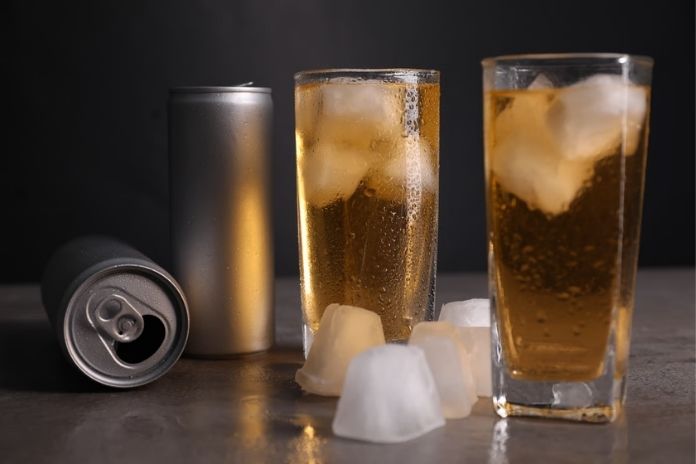
The combination of alcohol and energy drinks has attracted significant research because it creates a very specific concern—not because people become less intoxicated, but because they may feel less intoxicated.
Those are two very different things. Alcohol continues to affect coordination, reaction time, and judgement. Caffeine does not reverse these effects. What it can do is reduce feelings of tiredness and make a person feel more alert, even while alcohol is still impairing their abilities.
That sounds harmless until you think about it. A sleepy person may decide to stop drinking and go home. A person who feels alert may keep going. This disconnect between actual intoxication and perceived intoxication is what worried researchers and regulators.
People mixing energy drinks and alcohol often end up consuming more alcohol overall. Higher alcohol intake tends to bring higher risk-taking behavior along with it. Driving. Unsafe decisions. More drinking than originally planned.
The concern became significant enough that the FDA stepped in during 2010. Manufacturers of pre-mixed alcoholic energy drinks, such as the original Four Loko formulations, were required to remove caffeine from those products.
Regulators do not usually take that type of action without substantial concern. That alone says something about how seriously this combination came to be viewed.
Read More: Homemade Energy Drinks for Gym: 20 Natural Boosters for Pre & Post-Workout
Children and Adolescents: The Evidence Is Clearest Here

A lot of nutrition advice exists in shades of grey. This area is much less grey. The American Academy of Pediatrics has been very clear for years. Energy drinks are not recommended for children or adolescents. Not because one sip causes harm.
Because younger bodies respond differently to stimulants. Children generally have lower caffeine tolerance. The same amount of caffeine that feels moderate to an adult may produce much stronger effects in a teenager or child.
There is also the issue of habit formation. Energy drinks are often introduced during years when sleep schedules are already poor, school demands are increasing, and caffeine use is becoming normalized.
The combination is not ideal. Then comes the sugar. A can that seems small to an adult can represent a significant sugar load relative to a child’s body size and nutritional needs. One thing that sometimes gets missed is that these products were never really designed with children in mind.
The marketing may occasionally reach them. The physiology says otherwise.
Read More: Are Energy Drinks Worse Than Coffee? A Nutritionist Weighs In
Moderate Consumption: Who Can Drink Them and When

The internet usually divides foods and drinks into two categories. Safe. Dangerous. Real life tends to be less dramatic. For a healthy adult with no known cardiovascular disease, drinking a single energy drink occasionally is unlikely to create major problems.
The highest risks in the research usually appear under more specific circumstances. Multiple cans per day. Existing heart disease. Poor sleep habits. Combination with alcohol. Very high caffeine intake.
Regular long-term use. Those situations deserve more attention than the occasional can consumed before a long drive or demanding workday.
At the same time, there is a practical question worth asking. If the goal is simply alertness, why choose an energy drink? The answer may be taste. Convenience. Habit. Marketing.
Because, from a caffeine perspective, coffee and tea already do the job. A cup of coffee may provide similar caffeine with fewer ingredients and less sugar. That does not make coffee perfect. Coffee is still caffeine.
But it does remove some of the extra things that make energy drinks more complicated from a health standpoint. Sometimes the best question is not “Can I drink this?” It is “What exactly am I getting that I couldn’t get somewhere else?”
Read More: 11 Effects Of Energy Drinks On The Body – Know The Pros And Cons
Conclusion
Energy drinks are often treated either like harmless soft drinks or like dangerous stimulants. Neither description tells the full story.
For most healthy adults, occasional consumption is unlikely to cause serious harm. The most useful thing a consumer can do is surprisingly simple. Look at the label. Check the caffeine content. Check the serving size.
- Caffeine remains the primary reason energy drinks increase alertness, attention, and reaction time.
- Research often reports risks from energy drinks, but the amount consumed is important.
- Many people worry about heart effects while ignoring sleep disruption. Afternoon energy drink use often has consequences that appear much later.
- Many consumers mentally place sugar-free products into a completely different category, even though several important physiological effects remain unchanged.
- One research gap still exists. Future research will likely focus more on combinations of caffeine, taurine, sweeteners, herbal extracts, and other ingredients rather than caffeine in isolation.
FAQs
1. Are energy drinks bad for your heart?
Yes, high energy drink intake can increase cardiovascular risk, especially with frequent or large consumption. Excess caffeine and stimulants may raise heart rate, blood pressure, and arrhythmia risk. People with underlying heart conditions should be particularly cautious and seek medical advice.
2. How much caffeine is in an energy drink compared to coffee?
Energy drinks vary widely in caffeine content, but many contain amounts similar to or higher than coffee. A typical 250ml energy drink has around 80mg caffeine, while larger cans may contain 150–300mg. Always check labels because caffeine levels differ significantly between products.
3. Can energy drinks interact with medications?
Yes, energy drinks can interact with medications, mainly due to caffeine and stimulant ingredients. They may alter drug absorption, reduce sedative effects, or increase blood pressure. People taking antidepressants, stimulants, or cardiovascular medications should consult a healthcare professional before regular consumption.
References
- Costantino, A., Maiese, A., Lazzari, J., Casula, C., Turillazzi, E., Frati, P., & Fineschi, V. (2023). The Dark Side of Energy Drinks: A Comprehensive Review of Their Impact on the Human Body. Nutrients, 15(18), 3922.
- Marriott, B. M. (2014). Effects of Caffeine on Cognitive Performance, Mood, and Alertness in Sleep-Deprived Humans. Nih.gov; National Academies Press (US).
- Shah, S. A., Szeto, A. H., Farewell, R., Shek, A., Fan, D., Quach, K. N., Bhattacharyya, M., Elmiari, J., Chan, W., O’Dell, K., Nguyen, N., McGaughey, T. J., Nasir, J. M., & Kaul, S. (2019). Impact of High Volume Energy Drink Consumption on Electrocardiographic and Blood Pressure Parameters: A Randomized Trial. Journal of the American Heart Association, 8(11).
- Sun, Y., Yu, B., Yu, Y., Wang, B., Tan, X., Lu, Y., Wang, Y., Zhang, K., & Wang, N. (2024). Sweetened Beverages, Genetic Susceptibility, and Incident Atrial Fibrillation: A Prospective Cohort Study. Circulation: Arrhythmia and Electrophysiology.
- The European Food Information Council. (2024, July 31). Caffeine levels in different foods and drinks. Eufic.org.
- Wang, Y., & Deboer, T. (2022). Long-Term Effect of a Single Dose of Caffeine on Sleep, the Sleep EEG and Neuronal Activity in the Peduncular Part of the Lateral Hypothalamus under Constant Dark Conditions. Clocks & Sleep, 4(2), 260–276.
In this Article