












Tired of hiding your legs because of unsightly, painful varicose veins? You’re not alone. Nearly 1 in 4 American adults struggle with these twisted, bulging veins that can make simple activities like walking or standing uncomfortable.
The good news? You don’t have to resign yourself to a lifetime of pain and self-consciousness.
Do you wake up with swollen, painful veins in your legs? You may be dealing with varicose veins, a common condition that affects approximately 25% of adults, particularly women.
While these twisted, enlarged veins can be uncomfortable and unsightly, several natural remedies may help manage symptoms and improve circulation.
What Are Varicose Veins?
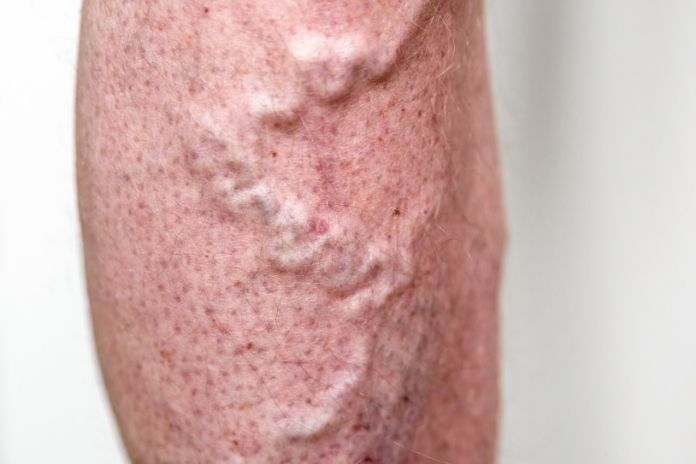
Varicose veins occur when blood vessels, typically in the legs, become enlarged and twisted due to weakened or damaged valves.
When these one-way valves fail, blood pools in the veins instead of flowing back to the heart, causing them to bulge and become visible under the skin.
Common symptoms include:
- Dark purple or blue veins that appear twisted and bulging
- Aching or heavy feeling in the legs
- Burning, throbbing, or cramping in the lower legs
- Swelling in the ankles and feet
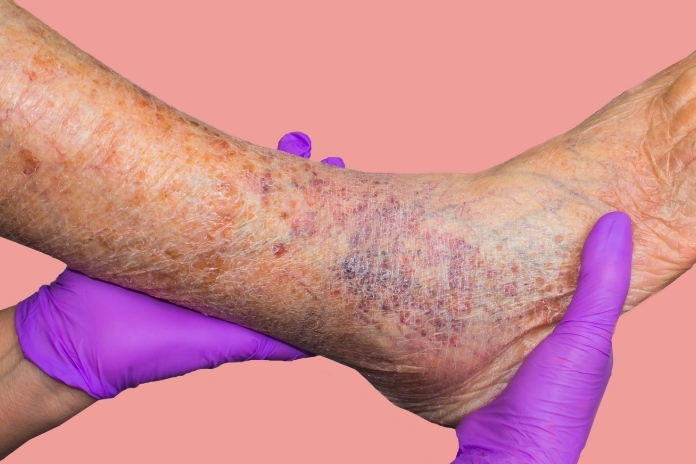
- Skin discoloration around the affected area
Dr. Mason Mandy, Regional Medical Director at Metro Vein Centers in Manhattan, shares his thoughts on varicose veins. “Anytime somebody is just in one place without moving for long periods of time — that’s when they can develop vein problems,” he says.
Natural Treatment Options
1. Gentle Leg Massage
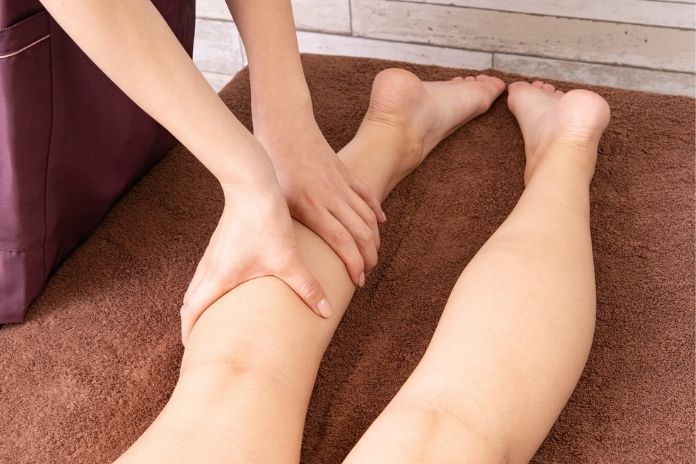
Important note: Avoid deep, aggressive massage, which can worsen varicose veins. Use light pressure only.
- Apply a small amount of massage oil to your palm
- Gently massage the affected area using upward strokes toward the heart
- Use minimal pressure to avoid damaging weakened veins
Vascular surgeon Kathleen Boyle, DO, feels massage may give relief, but it is not a one-size-fits-all solution. “Massage may help reduce swelling or discomfort, but will not make varicose veins go away,” says Dr. Boyle.
2. Apple Cider Vinegar
This popular remedy may help improve circulation and reduce inflammation; however, further research is needed.
Topical use:
- Apply undiluted apple cider vinegar to affected veins
- Leave on for 20 minutes, then rinse with water
Oral use:
- Mix 1-2 tablespoons in a glass of water
- Drink once daily in the morning
3. Aloe Vera
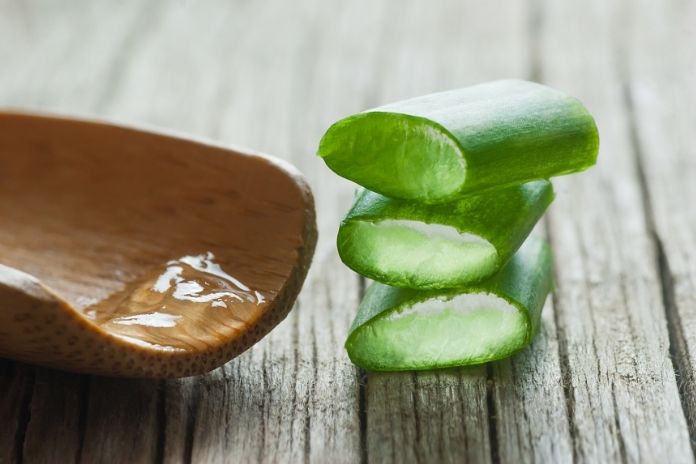
Known for its anti-inflammatory properties, aloe vera can help reduce swelling and discomfort.
- Apply fresh aloe vera gel directly to affected veins
- Massage gently into skin
- Can also drink aloe vera juice to support circulation
4. Low-Dose Aspirin Therapy
Daily low-dose aspirin may help improve blood flow and reduce clot risk in some people.
Consult your doctor first before starting any aspirin regimen, as it may not be suitable for everyone and can interact with other medications.
5. Tomatoes
Rich in vitamin K, which supports healthy blood clotting, and antioxidants that may benefit circulation.
- Include fresh tomatoes in your diet regularly
- Eat in moderation as part of a balanced diet
6. Garlic
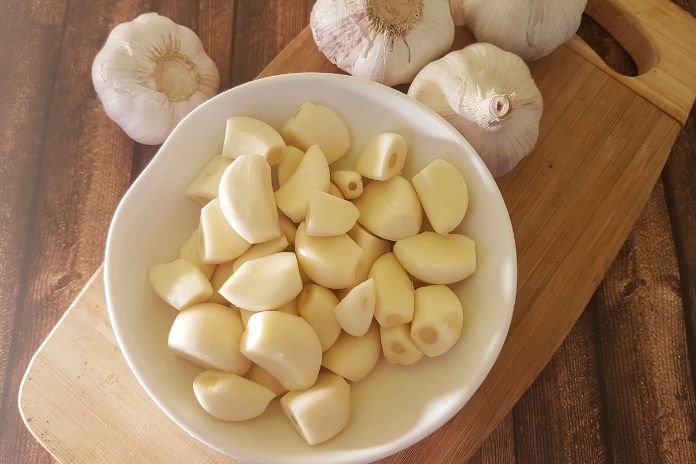
Contains compounds that may reduce inflammation and support circulation.
Consumption:
- Eat one fresh garlic clove daily
- Add to meals regularly
Topical application:
- Crush 6-7 garlic cloves and extract juice
- Mix with fresh orange juice and 2-3 tablespoons olive oil
- Let it sit for 12 hours, then apply to the affected area overnight
7. Ginger
May help lower blood pressure and improve circulation.
- Drink ginger tea daily
- Include fresh ginger in cooking
- Take ginger supplements (consult healthcare provider for dosage)
Read More: 20 Natural Ways to Boost and Improve Blood Circulation in the Body
8. High-Fiber Foods
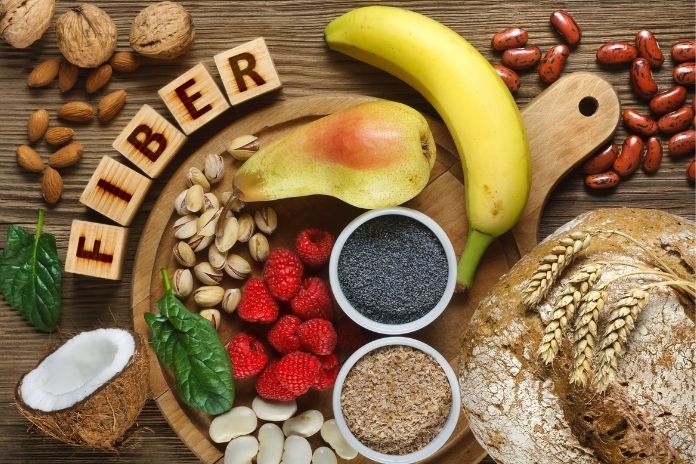
Constipation can worsen varicose veins by increasing abdominal pressure.
Include fiber-rich foods like:
- Sweet potatoes and regular potatoes
- Whole grains
- Nuts and seeds
- Beans and legumes
9. Butcher’s Broom Extract
This herb may help improve blood circulation, though research is limited.
- Standard dose: 150mg daily
- Consult your doctor before use
10. Parsley
Rich in vitamin C and antioxidants that support blood vessel health.
As tea:
- Steep fresh parsley in hot water for 10 minutes
- Drink 1-2 times daily
Topical application:
- Make parsley tea, let cool, and add essential oils if desired
- Apply with a cotton pad 3-4 times daily
11. Lemon Water
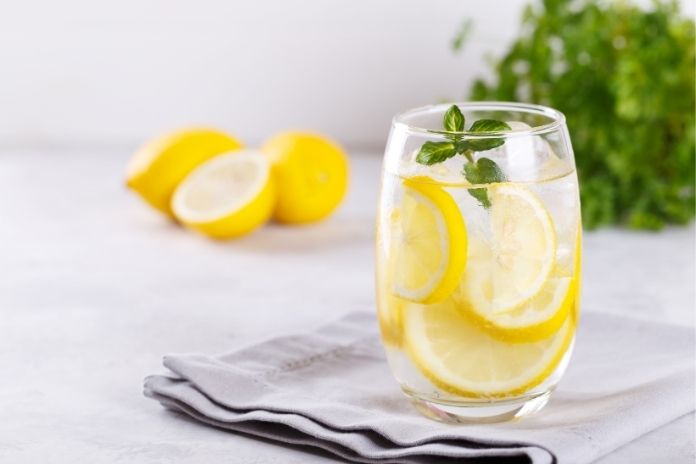
May help detoxify blood and improve circulation.
- Add lemon juice to water and drink regularly
- Can add a small amount of baking soda (limit to 3-4 times weekly)
12. Olive Oil Massage
A gentle massage with olive oil may improve local circulation.
- Mix olive oil with vitamin E oil
- Warm slightly and massage gently into the affected area
- Use twice daily
13. Coconut Oil
Provides lubrication for gentle massage.
- Warm the coconut oil slightly
- Massage gently into affected veins
- Leave on skin
14. Castor Oil
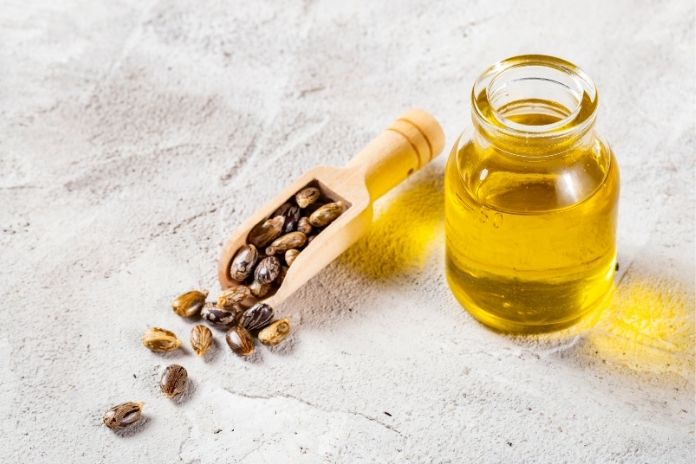
Contains ricinoleic acid, which has anti-inflammatory properties.
- Warm castor oil and massage gently into the skin
- Use daily for the first two days, then every other day
15. Cypress Essential Oil
It may help stimulate blood circulation when applied topically.
- Apply a few drops to the palm
- Massage gently into the affected area
- Use 1-2 times daily
16. Epsom Salt Soaks
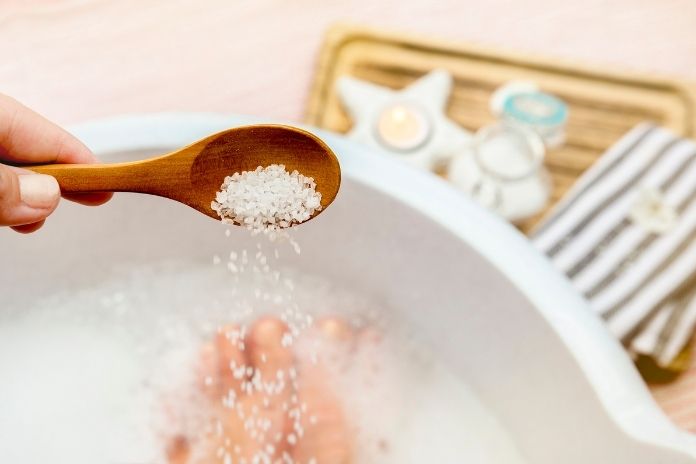
The magnesium in Epsom salt may help reduce inflammation.
- Add 3-4 tablespoons to lukewarm bath water
- Soak for 15-20 minutes
- Do not consume Epsom salt
Read More: The Benefits of Dry Brushing: Does It Actually Improve Circulation & Lymphatic Health?
17. Compression Therapy
Properly fitted compression garments can:
- Improve blood flow
- Reduce swelling
- Prevent blood pooling
Medical-grade compression stockings should be prescribed by a healthcare provider.
18. Clay Masks
May provide gentle compression as they dry.
- Mix fuller’s earth with water to make a paste
- Apply to the affected area and leave overnight
- Rinse off in the morning
19. Cayenne Pepper
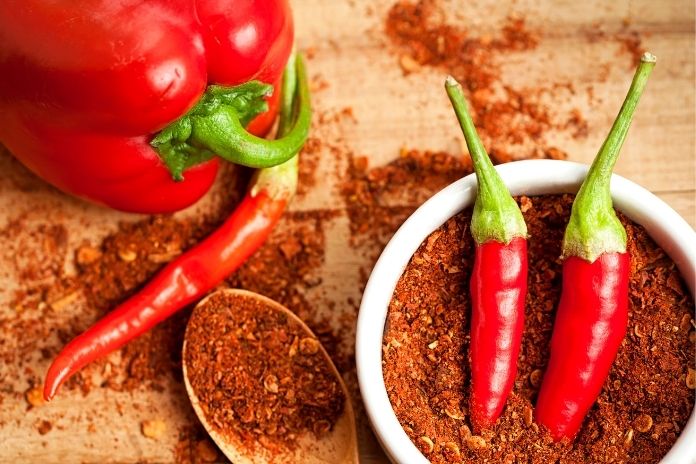
Contains capsaicin and vitamin C, which may support circulation.
Internal use:
- Start with 1/2 teaspoon in water daily
- Gradually increase to 1 teaspoon if tolerated
External use:
- Make a paste with water and apply for 10-20 minutes
- Rinse thoroughly
20. Pine Bark Extract (Pycnogenol)
Research suggests this may help improve venous function.
- Standard dose: 50mg twice daily
- Consult a healthcare provider before use
21. Witch Hazel
Has astringent properties that may help reduce swelling.
- Apply witch hazel to the affected area with a cotton pad
- Leave for 20-30 minutes
- Rinse with water
22. Horse Chestnut Seed Extract
Contains aescin, which may strengthen vein walls.
- Standard dose: 50mg daily
- Requires medical supervision
23. Gotu Kola
A traditional herb that may support vein health.
- Available as supplements or topical preparations
- Consult a healthcare provider for the proper dosage
24. Marigold
May help with associated skin irritation and mild inflammation.
- Make tea with marigold flowers
- Apply cooled tea to the affected area several times daily
25. Grape Seed Extract
Rich in antioxidants that may protect blood vessels.
- Standard dose: 720mg daily
- Consult a healthcare provider first
26. Lemongrass Oil
Has anti-inflammatory properties that may provide symptom relief.
- Apply a few drops to the affected area
- Massage gently daily
Lifestyle Modifications
- Exercise regularly: Activities such as walking, swimming, and cycling improve circulation without high impact.
- Maintain a healthy weight: Excess weight increases pressure on leg veins.
- Avoid prolonged periods of standing or sitting: Take breaks to walk and elevate your legs whenever possible.
- Wear comfortable shoes: Avoid high heels, which can impair circulation.
- Sleep position: Elevate your legs above heart level when resting.
Read More: 10 Best Foot Massagers for Diabetic Neuropathy
Important Disclaimers
- These remedies are not substitutes for professional medical care
- Always consult your healthcare provider before starting new treatments
- Some supplements can interact with medications
- Pregnant women should avoid certain herbs and essential oils
Prevention Tips

- Exercise regularly to improve circulation
- Maintain a healthy weight
- Wear compression stockings if recommended
- Avoid tight clothing around the waist and legs
- Don’t cross your legs when sitting
- Elevate legs when resting
Varicose veins are a common condition that can often be managed with lifestyle changes and natural remedies. However, severe cases may require medical intervention; therefore, it’s essential to collaborate with your healthcare provider to develop the most effective treatment plan for your specific situation.
When to See a Doctor
Seek medical attention if you experience:
- Severe pain or swelling
- Skin changes or ulcers
- Bleeding from varicose veins
- Signs of blood clots (sudden swelling, redness, warmth)
Take Control of Your Vascular Health Today
Don’t let varicose veins limit your life any longer. While these natural remedies can provide relief for many people, the key is consistency and patience.
Begin with simple lifestyle changes, such as regular exercise and leg elevation, and then gradually incorporate the natural treatments that appeal to you the most.
Remember, your journey to healthier legs begins with a single step. If your symptoms are severe or worsening, don’t hesitate to consult a vascular specialist who can provide personalized treatment options.
Whether you choose natural remedies, medical treatments, or a combination of both, relief is possible.
Ready to take action? Start by picking 2-3 remedies from this list and commit to trying them for at least 4-6 weeks. Your legs and your confidence will thank you.
Frequently Asked Questions
How long does it take to see results from natural remedies?
Most people begin to notice improvements in symptoms, such as pain and swelling, within 2-4 weeks of consistent use. However, visible improvements in the appearance of varicose veins may take 2-3 months or longer to occur. Results vary significantly between individuals.
Are natural remedies safe to use with prescription medications?
Many natural remedies can interact with medications, particularly blood thinners like warfarin. Always consult your healthcare provider before starting any new supplement or natural treatment, especially if you take prescription medications.
Can varicose veins go away completely with natural remedies?
Natural remedies are most effective at managing symptoms and preventing worsening, but they typically cannot eliminate existing varicose veins completely. However, they may help prevent new ones from forming and can significantly improve comfort and appearance.
Which natural remedy works best for varicose veins?
The most effective approach combines multiple strategies, including compression therapy (when prescribed), regular exercise, weight management, and consistent use of one or two topical treatments, such as horse chestnut extract or witch hazel. What works best varies by individual.
When should I see a doctor instead of trying natural remedies?
Seek immediate medical attention if you experience severe pain, skin ulcers, bleeding from veins, or signs of blood clots (sudden swelling, warmth, redness). Also consult a doctor if natural remedies don’t improve symptoms after 6-8 weeks of consistent use.
Are varicose veins dangerous?
Most varicose veins are not dangerous, but they can lead to complications if left untreated, including blood clots, skin ulcers, and chronic venous insufficiency. Regular monitoring by a healthcare provider is recommended.
Can I prevent my varicose veins from worsening?
Yes! Regular exercise, maintaining a healthy weight, avoiding prolonged sitting or standing, wearing compression stockings when recommended, and elevating your legs can all help prevent varicose veins from worsening.
Do men get varicose veins, too?
Yes, though women are more commonly affected, men can also develop varicose veins. The same risk factors and treatments generally apply regardless of gender.
References
- https://www.mayoclinic.org/diseases-conditions/varicose-veins/symptoms-causes/syc-20350643
- https://www.nhlbi.nih.gov/health/varicose-veins
- https://www.nhlbi.nih.gov/health/varicose-veins/causes
- https://www.ncbi.nlm.nih.gov/pmc/articles/PMC5532206/
- https://www.ncbi.nlm.nih.gov/pmc/articles/PMC3948594/
- https://www.ncbi.nlm.nih.gov/pmc/articles/PMC4778201/
- https://www.ncbi.nlm.nih.gov/pmc/articles/PMC3915757/
- https://www.ncbi.nlm.nih.gov/pmc/articles/PMC4291444/
- https://www.mayoclinic.org/diseases-conditions/varicose-veins/diagnosis-treatment/drc-20350648
- https://www.ncbi.nlm.nih.gov/pmc/articles/PMC4602996/
- https://www.ncbi.nlm.nih.gov/pmc/articles/PMC4648938/
- https://www.ncbi.nlm.nih.gov/pmc/articles/PMC3214789/
- https://www.ncbi.nlm.nih.gov/pmc/articles/PMC4678242/
- https://www.health.harvard.edu/heart-health/why-you-should-move-even-just-a-little-bit
In this Article