











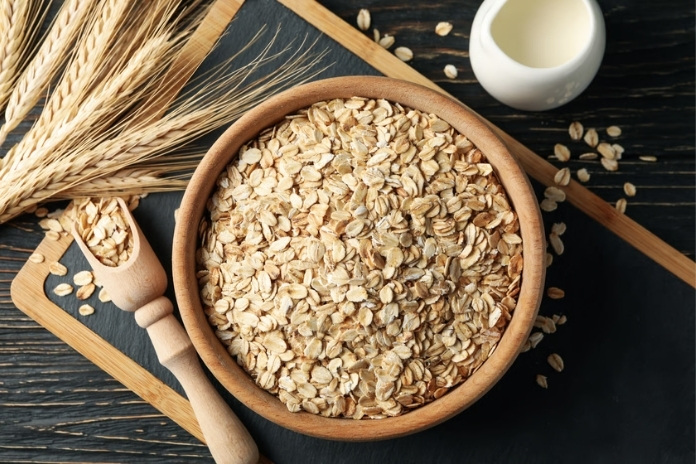
Oats are among the most researched whole grains in nutrition science. Their primary active compound, beta-glucan, is a soluble fiber responsible for many of their proven health benefits.
Research shows that oat beta-glucan can help lower LDL cholesterol, improve blood sugar control, and increase fullness after meals. A 2024 meta-analysis confirmed that oat beta-glucan significantly reduces total and LDL cholesterol in adults. Oats are also one of the few foods with FDA-approved heart health claims.
- Oats are one of the most researched whole grains and provide fiber, vitamins, minerals, and antioxidants.
- Their beta-glucan fiber may help lower LDL cholesterol, support healthy blood sugar levels, improve digestion, and increase feelings of fullness.
- Research suggests that regular oat consumption may benefit heart and gut health, as well as weight management, when part of a balanced diet.
Oats Nutrition: What Is Actually in a Standard Serving
A standard serving of dry rolled oats is 40 grams, or about half a cup. When cooked with water, this produces roughly one cup of oatmeal.
One 40-gram serving provides approximately:
- 150 calories
- 27 grams of carbohydrates
- 4 grams of fiber
- About 2 grams of beta-glucan
- 5 grams of protein
- 3 grams of fat, mostly unsaturated
Oats are also rich in important nutrients, including manganese, phosphorus, magnesium, thiamine, and zinc.
Beyond vitamins and minerals, oats contain avenanthramides, a unique group of antioxidants found almost exclusively in oats. They also contain ferulic acid, another antioxidant linked to anti-inflammatory activity.
Read More: 7 Açaí Bowl Mistakes That Turn a Healthy Breakfast Into a Sugar Bomb
The Key Compound: What Beta-Glucan Is and Why It Matters
Most of the documented health benefits of oats can be traced back to beta-glucan, a soluble fiber concentrated in the outer layers of the grain.
When beta-glucan mixes with water in the digestive tract, it forms a thick gel. This gel affects the body in several important ways:
- It slows glucose absorption, helping prevent sharp spikes in blood sugar.
- It binds bile acids and helps remove them from the body, reducing circulating cholesterol.
- It delays stomach emptying, increasing fullness and reducing hunger after meals.
Given the strong body of evidence, both the FDA and the European Food Safety Authority recognize beta-glucan’s role in supporting heart health. This makes beta-glucan one of the best-studied dietary fibers available.
Heart Health: The Most Evidence-Supported Benefit

The strongest evidence for oats relates to cardiovascular health.
A 2024 study found that oat beta-glucan significantly lowers both total cholesterol and LDL cholesterol levels in adults.
The mechanism is well understood. Beta-glucan binds bile acids in the intestine. Since bile acids are made from cholesterol, the body must pull cholesterol from the bloodstream to produce more bile acids, resulting in lower LDL levels.
The FDA first authorized a health claim linking oat beta-glucan to reduced cardiovascular disease risk in 1997. Few foods have received this level of regulatory recognition.
Research suggests that approximately 3 grams of beta-glucan per day is needed for meaningful cholesterol reduction. This amount can be obtained from roughly 75 grams of dry oats, or about three servings of oatmeal.
Blood Sugar and Insulin Sensitivity: Why Oats Work Better Than Most Breakfast Foods
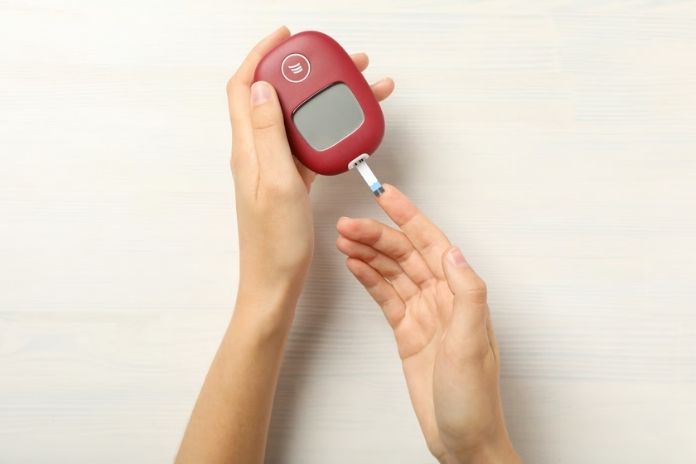
Oats generally produce a lower glycemic response than many popular breakfast cereals and refined grain products. Beta-glucan slows the movement of glucose from the digestive tract into the bloodstream. This helps create a more stable blood sugar response after eating.
A 2022 systematic review and meta-analysis found that oat beta-glucan significantly improved fasting blood glucose and HbA1c levels in people with type 2 diabetes.
The degree of benefit depends on the type of oats consumed. Steel-cut oats and rolled oats typically have lower glycemic index values than instant oats because they undergo less processing. The more intact grain structure slows digestion and glucose release.
People with diabetes should remember that oats still contain carbohydrates. Portion size, preparation method, and toppings all influence blood sugar response.
Read More: Best Time to Eat Breakfast for Stable Blood Sugar and All-Day Energy
Satiety and Weight Management
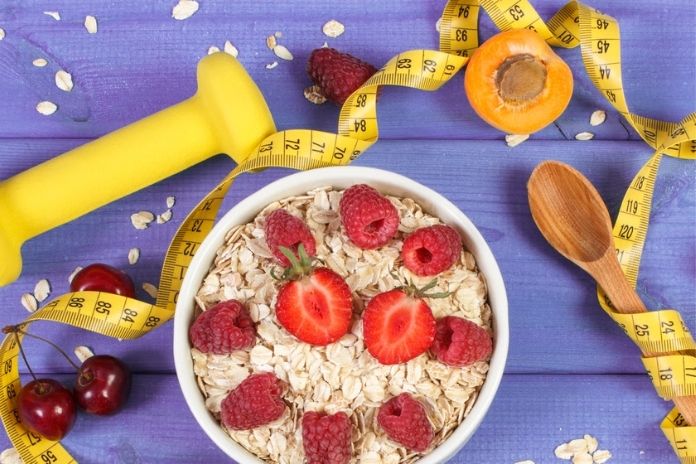
Oats are consistently ranked among the most filling breakfast foods. Beta-glucan slows stomach emptying and increases the release of peptide YY, a hormone involved in signaling fullness to the brain.
A study published in Nutrients found that oat consumption was associated with reduced appetite and lower calorie intake at later meals.
Steel-cut and rolled oats appear to provide the strongest satiety benefits because their less processed structure allows beta-glucan to form a thicker gel during digestion.
For people trying to manage their weight, oatmeal can be a practical breakfast choice that helps reduce mid-morning hunger and unnecessary snacking.
Read More: 15 Oats Benefits (Health, Skin and Hair) – The Healthiest Grains On Earth!
Gut Health: Prebiotic Effects and Digestive Benefits
Oats support digestive health in more ways than simply preventing constipation. Beta-glucan acts as a prebiotic, providing fuel for beneficial gut bacteria. As these bacteria ferment fiber, they produce short-chain fatty acids such as butyrate.
Butyrate supports the cells lining the colon, helps maintain the intestinal barrier, and contributes to a healthy gut environment.
Research found that oat beta-glucan supplementation increased beneficial bacterial populations, including Bifidobacterium and Lactobacillus. Oat bran has also been shown to improve bowel regularity, particularly in older adults.
Oats for Skin: What Is Actually Supported by Research
Oats have a legitimate place in skin care, but the evidence relates primarily to topical use rather than eating oats. Colloidal oatmeal was approved by the FDA as a skin protectant in 2003. It is commonly used in products designed for eczema, dry skin, and skin irritation.
Research published in the Journal of Drugs in Dermatology found that colloidal oatmeal improves skin barrier function and helps reduce itching associated with atopic dermatitis.
The previous hair care section recommending apple cider vinegar and lemon juice should be removed. These home remedies are not supported by clinical evidence and may irritate the scalp.
Read More: Gut-Friendly Overnight Oats with Berries: A Probiotic Breakfast
Oat Types Comparison: Does It Matter Which Type You Choose?
Different oat varieties provide similar nutrients, but processing affects digestion speed and blood sugar response.
Steel-Cut Oats
- Least processed
- Lowest glycemic index
- Longest cooking time, about 20 to 30 minutes
- Most intact grain structure
Rolled Oats
- Steamed and flattened
- Moderate glycemic index
- Cook in about 5 minutes
- Excellent balance of convenience and nutrition
Quick Oats
- Cut into smaller pieces
- Digest more quickly
- Slightly higher glycemic index
- Cook in 1 to 2 minutes
Instant Oats
- Most processed
- Highest glycemic index
- Frequently contain added sugar and sodium
- Label reading is important
For blood sugar management and fullness, steel-cut and rolled oats are generally the best options. Quick oats remain a reasonable choice when convenience is important.
Read More: Steel-Cut vs. Rolled Oats: Which One Is Healthier and Better for You?
Are Oats Gluten-Free?
Oats are naturally gluten-free because they do not contain wheat, barley, or rye.
However, many commercial oat products become contaminated with gluten during farming, transportation, or processing.
People with celiac disease or gluten sensitivity should choose products labeled “certified gluten-free.” Organizations such as Coeliac UK and the Celiac Disease Foundation note that most people with celiac disease can tolerate pure, uncontaminated oats, although individual responses vary.
Conclusion
Oats are among the most evidence-based whole-grain foods available. Their beta-glucan content has earned formal heart health claims from both the FDA and the European Food Safety Authority.
Research consistently shows benefits for cholesterol reduction, blood sugar management, satiety, and gut health. To get the greatest benefit, pay attention to both serving size and the type of oats you choose, since processing affects blood sugar response and fullness.
FAQs
Q. How much oatmeal should you eat per day?
For heart health benefits, research suggests aiming for about 3 grams of beta-glucan daily. This amount is found in roughly 75 grams of dry oats, or about one and a half standard servings. For general nutrition, one 40-gram serving per day works well for most adults. Eating more is generally safe, but excessive fiber may cause bloating or gas in some people.
Q. Is oatmeal good for blood sugar?
Yes. Research shows that oat beta-glucan can improve fasting blood glucose and HbA1c levels, especially in people with type 2 diabetes or insulin resistance. Steel-cut and rolled oats offer greater benefits because they have a lower glycemic index than instant oats. Portion size and added ingredients also affect blood sugar response.
Q. What is the healthiest type of oats to eat?
Steel-cut oats are generally considered the healthiest option because they have the lowest glycemic index and the most intact grain structure. Rolled oats are nearly as nutritious and require much less cooking time. Both are better choices for blood sugar control than most instant oat products, especially flavored varieties that contain added sugar.
References
- Celiac Journey. (n.d.). Oats must be considered a gluten-containing grain due to inevitable cross contamination.
- Coats Global. (n.d.). Colloidal oatmeal.
- Medanta. (n.d.). Health benefits of oats: Nutritional value, oatmeal benefits and their role in weight loss.
- Reynertson, K. A., Garay, M., Nebus, J., Chon, S., & Mahmood, K. (2015). Colloidal oatmeal (Avena sativa) improves skin barrier through multi-therapy activity. Journal of Drugs in Dermatology, 14(1), 43–48.
- Whitehead, A., Beck, E. J., Tosh, S., & Wolever, T. M. S. (2014). Cholesterol-lowering effects of oat β-glucan: A meta-analysis of randomized controlled trials. The American Journal of Clinical Nutrition, 100(6), 1413–1421.
- Xu, Y., Li, S., Zhang, X., & colleagues. (2023). Effects of oat consumption on human health: A comprehensive review. Nutrients, 15(9), Article 2145.
- Zhou, A. L., Hergert, N., Rompato, G., & Lefevre, M. (2015). Whole grain oats improve insulin sensitivity and plasma cholesterol profile and modify gut microbiota composition in healthy adults. The Journal of Nutrition, 145(2), 222–230.
- Zurbau, A., Noronha, J. C., Khan, T. A., Sievenpiper, J. L., & Wolever, T. M. S. (2019). The effect of oat β-glucan on glycemic control and insulin sensitivity: A systematic review and meta-analysis. European Journal of Clinical Nutrition, 73(11), 1541–1550.
In this Article