


















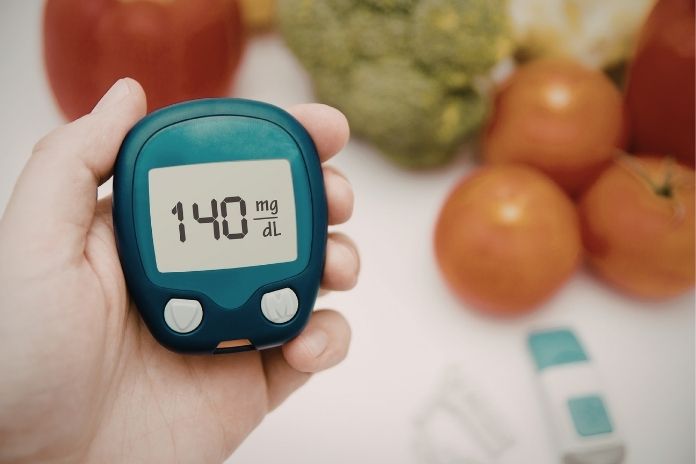
- Breakfast timing affects blood sugar. Eating slightly later in the morning may reduce post-meal glucose spikes compared with eating immediately after waking.
- Your body clock influences metabolism. Hormones like cortisol and melatonin follow circadian rhythms that affect insulin sensitivity and energy levels.
- Food order matters too. Eating protein, fat, and fiber before carbohydrates at breakfast can help blunt blood sugar spikes.
For years, nutrition experts have focused on what you should be eating for breakfast: more protein, fewer carbohydrates, and more fiber. But research now shows that when you should be eating breakfast may be just as important for your metabolic health as what you should be eating.
In fact, scientists increasingly argue that understanding the best time to eat breakfast may play a key role in long-term metabolic health. Scientists in the emerging field of chrononutrition, which studies how the timing of meals interacts with your body’s internal biological clock, have discovered that circadian rhythm meal timing can affect blood sugar control, energy levels, and how well you metabolize food.
This growing body of research has led many people to ask questions like “Does breakfast timing affect energy levels?“ and “How does meal timing affect blood sugar?” A study conducted on adults with type 2 diabetes who ate the same breakfast at different times in the morning showed that when they ate at 9:30 AM instead of 7:00 AM, they experienced lower blood sugar levels after eating, a trend that continued for six weeks.
The findings suggest that breakfast timing and blood sugar responses can change significantly even when the meal itself stays exactly the same. The study challenges the long-held belief that eating breakfast as soon as you wake up is metabolically optimal for breakfast and blood sugar control.
Rather, it seems that the optimal breakfast time for blood sugar stability may be determined by how your body’s hormonal cycles change in the morning.
In this article, we will understand the biology behind circadian rhythm meal timing, how your body’s hormones change in the hours leading up to waking up, and how this impacts breakfast timing and insulin responses throughout the day. These insights are also essential to common questions people search for today, including “what time should I eat breakfast for blood sugar“ and “is it better to eat breakfast early or late.“
Why Timing Changes Everything — The Body Clock Biology

Your Metabolism Runs on a 24-Hour Schedule
Our bodies run on a daily schedule, and this schedule is dictated by the body’s internal clock, known as the circadian rhythm. It controls our sleep cycle, hormones, body temperature, and the way we use energy. It even affects how we process the food we consume.
One of the most important effects of this rhythm involves insulin sensitivity in morning patterns. In the morning, the body typically responds better to insulin because it is more efficient at moving glucose from the blood into the cells.
As the day progresses, however, insulin sensitivity gradually declines. As a result, the same meal tends to produce higher blood sugar levels in the evening than it would earlier in the day. Hormonal responses play a major role in regulating this rhythm.
The hormone cortisol, often called the wake-up hormone, reaches its highest levels in the early morning. It helps make us more alert and also stimulates the release of glucose into the bloodstream through the liver’s gluconeogenesis process.
This relationship between hormones and metabolism is part of what researchers refer to as cortisol breakfast timing, since cortisol levels can influence how the body responds to food early in the day. As a result, blood sugar levels may already be elevated before any food is eaten in the morning.
Later in the evening, another hormone, melatonin, begins to rise. Melatonin prepares the body for sleep, but also interferes with insulin secretion and glucose metabolism. This is one reason blood sugar spikes are often larger when carbohydrates are eaten late at night.
These hormonal cycles explain why circadian rhythm meal timing plays an important role in metabolism. The body tends to process food more efficiently earlier in the day. In addition, eating breakfast serves as an important signal that helps coordinate metabolic activity across the body.
Breakfast Is a Circadian Signal — Not Just a Meal

While the master clock in the brain is controlled primarily by light exposure, other organs in the body operate on their own circadian rhythms. The liver, pancreas, muscles, and fat tissues all have internal clocks that regulate how they process nutrients. One of the strongest signals for synchronizing these peripheral clocks is the timing of food intake.
When breakfast is eaten, nutrient-sensing systems activate metabolic pathways that help align these internal clocks with daily energy needs. Researchers in chrononutrition often describe breakfast as one of the strongest daily signals that coordinate metabolic processes across the body.
Because of this, breakfast timing affects insulin responses and metabolic efficiency in ways that go beyond simple calorie intake. In other words, the body responds not only to what we eat but also to when the first meal of the day occurs. Even small shifts in timing can change how the body processes identical foods.
Read More: 10 Science-Backed Ways to Keep Your Blood Sugar Stable All Day
The Dawn Phenomenon — Why Early Morning Is Complicated
One of the key reasons blood sugar responses at breakfast timing can vary is a natural process known as the dawn phenomenon.
Between approximately 2 a.m. and 8 a.m., the body releases a series of hormones that prepare us to wake up and start the day. These hormones include growth hormone, cortisol, and glucagon. Their combined effect is to stimulate the liver to release glucose into the bloodstream.
This process ensures that the body has enough energy to begin the day, but it also means blood sugar levels may already be elevated before breakfast is eaten. For some individuals, particularly those with diabetes or insulin resistance, this rise in blood sugar can be significant.
When breakfast is eaten immediately after waking, the meal may add to an already elevated glucose level, producing larger spikes in postprandial glycemia breakfast responses. Because of this pattern, some researchers suggest that delaying breakfast slightly may help stabilize blood sugar levels.
By waiting until the hormonal surge begins to settle, it may be possible to reduce the intensity of the post-meal spike. This is one reason people increasingly search for answers to questions such as “What time should I eat breakfast for blood sugar?” and “Is it better to eat breakfast early or late?”
What the Research Says About Optimal Breakfast Timing

A Randomized Trial Suggests a Later Breakfast May Reduce Spikes
A study investigated how breakfast timing influenced blood sugar responses in adults with type 2 diabetes. In the study, participants consumed the same breakfast at three different times: early morning, mid-morning, and noon.
The results showed that eating breakfast at 9:30 AM produced significantly smaller blood sugar spikes than eating the same meal at 7:00 AM. Similar results were observed when the meal was consumed at noon.
These findings suggest that simply adjusting breakfast timing may influence insulin responses and may influence metabolic outcomes, even when the foods themselves remain unchanged. In other words, modifying blood sugar at breakfast timing responses may be a practical strategy for improving metabolic control.
Early Time-Restricted Eating Shows Long-Term Benefits
Other research examining early time-restricted eating has shown favorable results for fasting glucose levels and insulin sensitivity. In this approach, meals are concentrated earlier in the day, with breakfast eaten in the morning and dinner finished by mid-afternoon or early evening.
This eating pattern appears to align well with natural circadian rhythm meal timing. At first glance, these findings may seem to contradict research showing that a slightly later breakfast reduces post-meal spikes. However, the two lines of research focus on different outcomes.
Randomized trials examining breakfast timing often focus on postprandial glycemia breakfast responses, while studies of early time-restricted eating focus on long-term markers such as fasting glucose and insulin sensitivity.
Taken together, the findings suggest that the optimal breakfast time likely falls somewhere in the earlier part of the day, but not necessarily immediately after waking.
Skipping Breakfast Often Backfires
Another common question people ask is whether skipping breakfast might improve metabolic health. While some intermittent fasting approaches eliminate the morning meal, many studies show that skipping breakfast, blood glucose control tends to worsen rather than improve. When breakfast is skipped, the body’s insulin response later in the day often becomes less efficient.
As a result, blood sugar fluctuations may become larger after lunch and dinner. Long-term observational studies also show that frequent breakfast skipping is associated with a higher risk of type 2 diabetes and metabolic syndrome.
For most people, the key question is therefore not whether breakfast should be eaten but when to eat breakfast for energy and metabolic stability.
Read More: The Best Anti-Inflammatory Breakfasts for Stable Blood Sugar and Energy
The Overlooked Variable — Food Order at Breakfast

Carbs Last — A Simple Sequence That Changes Your Blood Sugar Response
Although the timing of breakfast plays an important role in metabolism, another factor that influences blood sugar responses is the order in which foods are eaten. Recent studies show that consuming carbohydrates last during a meal can significantly reduce blood sugar spikes.
When protein, fat, and fiber are eaten first, digestion slows down and glucose enters the bloodstream more gradually. Researchers studying food order blood sugar responses have found that this strategy improves time-in-range glucose levels and reduces glycemic variability in individuals with type 2 diabetes.
This effect is also linked to what researchers call the “second meal effect,” where a balanced breakfast improves the body’s glucose response to the next meal of the day.
A practical example of this approach would involve starting the meal with protein and fat sources such as eggs or yogurt, followed by fiber-rich foods, and finishing with carbohydrate sources like bread, fruit, or oatmeal. Although it may seem like a small adjustment, changing the food orders to a blood sugar response can make a meaningful difference in metabolic control.
Practical Guidance — What the Research Suggests
Translating the Research Into a Morning Routine
When the evidence on breakfast timing and blood sugar control is examined together, it points to a flexible approach rather than a rigid rule. For many people, delaying breakfast slightly, perhaps until around 8:30 or 9:30 AM, may help reduce the blood sugar spikes that occur when eating immediately after waking.
However, skipping breakfast altogether does not appear to be beneficial for most individuals. Eating within a few hours of waking generally supports better metabolic regulation and more stable energy levels.
Consistency also matters. Eating breakfast at roughly the same time each day supports healthy circadian rhythm meal timing and helps regulate the body’s internal clock.
In addition, paying attention to food composition and sequence can help improve breakfast and blood sugar control. Eating protein, fat, and fiber before carbohydrates may reduce postprandial glycemia and breakfast spikes and support steadier glucose levels later in the day.
Finally, individual differences play a role in determining the best time to eat breakfast. Some people are naturally early risers, while others function better later in the morning. These chronotype differences influence metabolism, which means the optimal breakfast time may vary slightly from person to person.
Read More: Millet vs. Oatmeal for Breakfast: Which Is Healthier for You?
Conclusion
The science of chrononutrition is changing how researchers think about breakfast and metabolic health. Recent evidence suggests that breakfast timing, blood sugar responses, and daily energy regulation are influenced not only by what we eat but also by when we eat it.
Although there may not be a single universal answer to the question of the best time to eat breakfast, several consistent patterns have emerged in the research. Maintaining a regular breakfast routine, avoiding very late meals, and paying attention to food order blood sugar responses all appear to support metabolic health.
For many people, small adjustments, such as eating breakfast slightly later in the morning or saving carbohydrates for the end of the meal, may improve breakfast and blood sugar control and provide more stable energy throughout the day.
Sometimes, improving metabolism does not require changing what is on the plate. Instead, it simply involves understanding when to eat breakfast for energy and aligning meals with the body’s natural biological rhythms.
References
- Reutrakul, S., & Van Cauter, E. (2016). Interactions between sleep, circadian function, and glucose metabolism: Implications for risk and severity of diabetes. Annals of the New York Academy of Sciences, 1384(1), 151–173.
- Papakonstantinou, E., et al. (2024). Chrononutrition and glycemic control: The role of meal timing in metabolic regulation. Nutrients, 16(1).
- Ojo, O., et al. (2022). Breakfast consumption and the risk of type 2 diabetes: A systematic review and dose–response meta-analysis. The Journal of Nutrition, 152(9), 2075–2085.
- Edelman, S. (2025). Morning blood sugar spikes: Causes and management strategies. Taking Control of Your Diabetes (TCOYD).
- Kim, J., et al. (2025). Meal timing and metabolic health: Evidence from recent chrononutrition research. Nutrients, 17(1).
- Jakubowicz, D., et al. (2024). Later breakfast timing reduces postprandial glycemia in adults with type 2 diabetes: A randomized crossover trial. Diabetes Research and Clinical Practice.
In this Article