

















Consider this for a moment: if drinking alcohol is obviously harmful to your health, how beneficial could it be for your skin? It goes without saying that an alcohol-free toner is a safer choice to complete your skincare routine.
However, you cannot put just anything on your face and expect it to work. You should pay attention to the ingredients in your products and how they might affect your skin. For example, alcohol-based toners often have harsh formulas that strip away protective oils and upset the delicate balance of good bacteria that keep skin healthy.
It isn’t just a guess. A study by the National Library of Medicine found that more than 60% of women and more than 50% of men say they feel dry and sensitive after using alcohol-based toners.
Because of these concerns, it is essential to understand how toners interact with your skin. In this article, we will explain the skin microbiome, how toners affect it, the difference between alcohol-based and alcohol-free formulas, and how to choose a toner that supports resilient, healthy skin.
Read More: Mandelic Acid vs. Glycolic Acid: Which AHA Is Right for Your Skin?
What Your Skin Microbiome Actually Does
Your skin is your largest organ. Additionally, it is brimming with trillions of microorganisms, including viruses, fungi, and bacteria. These invisible life-forms are known as the skin microbiome. They play a significant role in your general well-being.
The skin microbiome, the collective population of microorganisms on the skin’s surface, is vital for maintaining skin barrier function.
A healthy skin microbiome can help prevent infection, heal wounds, regulate inflammation, and interact with your immune system when it encounters dangerous bacteria or viruses. It acts in physical, chemical, microbiological, and immunological ways.
The study showed that overall bacterial diversity on facial skin increased after using a skincare product for several weeks.
You may already know that various microbiomes influence your overall health. The gut microbiome, for instance, is the ecosystem of bacteria that dwells within your digestive tract, playing a critical role in digestion, immunology, and even brain function.
A balanced gut microbiome, much like a balanced skin microbiome, is replete with helpful bacteria that can help regulate the harmful bacteria that cause infection. It should come as no surprise, then, that there is a link between the gut and skin microbiomes, and preserving the health of one can bolster the health of the other.
The Real Impact of Alcohol on Skin Health
Many toners and skincare products contain some alcohol. However, not all alcohols behave the same way on the skin. Understanding the distinction is crucial to safeguarding your skin barrier and bacteria.
Why Denatured or SD Alcohol Can Be Problematic
Specific forms of alcohol, such as denatured alcohol, SD alcohol, or isopropyl alcohol, are often used in skincare for their quick-drying and oil-dissolving qualities. Denatured alcohol hides away in lotions, fragrances, toners, and other skincare products. This alcohol gives you the desired matte effect while neutralizing the oils on your skin.
However, it can be abrasive and deprive your skin of natural oils. Products using denatured alcohol might contribute to skin sensitivity, redness, and irritation.
Isopropyl alcohol, popularly known as rubbing alcohol, is a staple of many skin and hair care products and is known for its antifoaming and astringent characteristics. Although acceptable for use on the skin to prevent infection and inflammation, its ability to enter the skin may diminish its effectiveness in cosmetics and skin care products.
Unfortunately, they do not just remove excess oil. They can also strip away the natural lipids that form the skin’s protective barrier. These fats are necessary to sustain good bacteria and keep you hydrated.
Not All Alcohols Are Bad
It’s crucial to remember that not all alcohols cause skin damage. Some alcohols, known as fatty alcohols, really improve the skin.
Cetyl and stearyl come into play. Contrary to their name, these fatty alcohols are emollients. In plain speak? They’re the protector of hydration, ensuring that your skin feels soft and supple. These alcohols give your products a smooth, creamy texture while retaining moisture. They are the superheroes preventing the drought, not the bad guys.
Read More: How to Build a Skincare Routine With Mandelic Acid (For Beginners & Sensitive Skin)
Why Alcohol-Free Toners Support a Healthy Microbiome
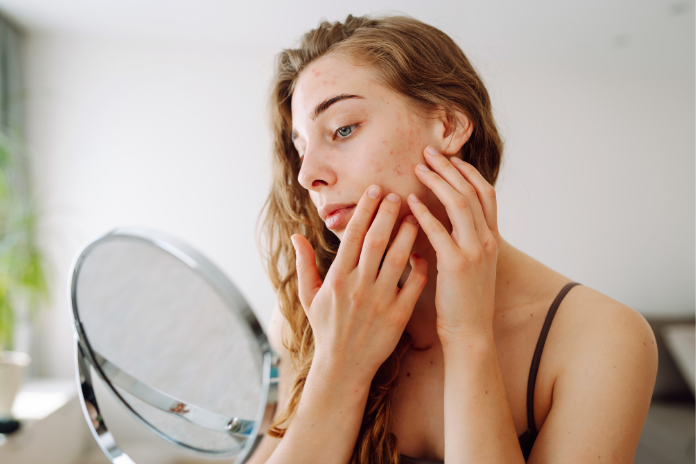
A balanced microbiome is the foundation of healthy, beautiful skin. Your skin feels smoother, reacts less, and retains moisture better when it’s in balance. But when your microbiome is out of balance due to factors like harsh skincare products, environmental pollution, or stress, you could start to experience signs of skin distress, such as dryness, redness, and breakouts.
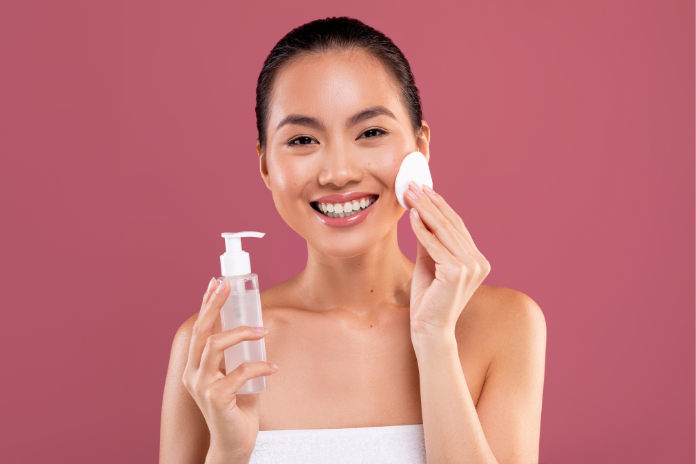
Alcohol-free toners refresh and balance the skin without washing away its natural protective layer. Instead of harsh solvents, these products use gentle ingredients that support the skin’s barrier and protect against bacteria. One of the most essential benefits of alcohol-free toners is their ability to assist in maintaining the skin’s natural pH balance.
Alcohol-free toners also cleanse softly without over-stripping. They preserve the skin’s natural oils while helping remove residual pollutants after cleansing. They are therefore appropriate for combination, dry, sensitive, and acne-prone skin types.
Signs Your Toner Might Be Disrupting Your Microbiome
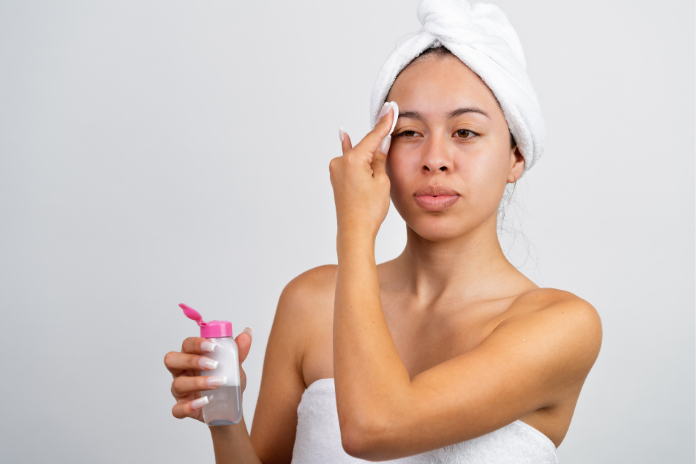
Sometimes, the consequences of a harsh tone are not immediately visible. However, with time, your skin may exhibit symptoms of a weakened microbiome and barrier.
Here are some common warning signs:
Irritates the Skin: Alcohol in toners enables other products to penetrate the skin more quickly, which isn’t advantageous when using active ingredients like vitamin C or retinol. Use these compounds strategically and sparingly, as alcohol can make them too strong for the skin to tolerate. It leads to even more prominent redness, irritation, and sensitivity.
Dries Out the Skin: Alcohol drains the outer layer of the skin of its natural lipid barrier. Because of this, skin finds it challenging, if not impossible, to retain any moisture.
Boosts Excessive Sebum Production: Depending on how dry your skin is, it controls how much oil and sebum it naturally produces. When alcohol removes the moisture barrier, your skin receives the indication that it is dry.
Dehydration can lead to an overproduction of sebum and oils, which in turn can result in increased breakouts, larger pores, and blackheads.
Read More: Clinical vs. “Clean” Beauty: How to Spot Science-Backed Skincare Products
How to Choose a Microbiome-Friendly Toner
It doesn’t have to be very hard to find the right skin toner. By focusing on a few factors, you can choose a solution that keeps your skin’s natural balance.
Know Your Skin: It’s essential to understand what your skin is trying to tell you. If it loves your current toner, that’s great. But if you’re seeing signs of irritation or dryness, it could be time for a change.
Check for Harsh Alcohols and Sulfates: Examine the ingredient list and avoid toners that contain denatured alcohol, SD alcohol, or isopropyl alcohol. These are often present in larger amounts and may cause dryness or discomfort.
Test and Sample: Keep in mind that trying new things is an integral part of skincare. Take samples, conduct patch tests, and gradually introduce new products.
Keep Your Routine Simple: No matter how good your toner is, it won’t protect your microbiota if the rest of your routine is too harsh. Using too many exfoliating acids, retinoids, or other active ingredients could throw off the skin’s balance.
Research shows that personal care products can change skin microbial diversity, affecting overall skin health and balance.
How to Support a Healthy Skin Microbiome Daily
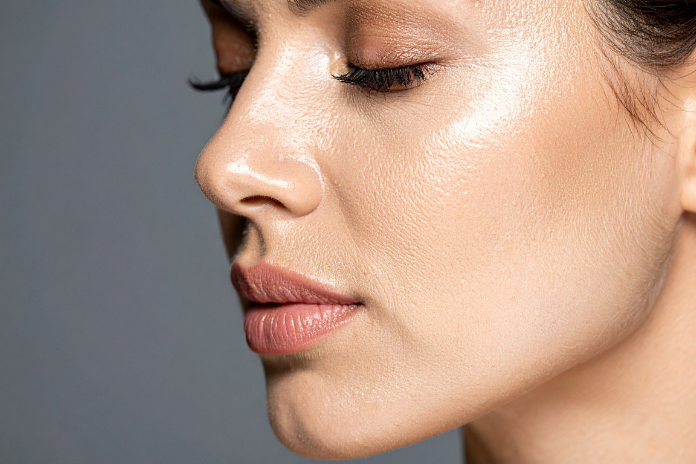
One part of the problem is your toner. The health of the skin microbiome is also affected by the products you use and the things you do every day.
Use Gentle Cleansers: Instead of harsh, antibacterial cleansers that take away natural oils, use gentle ones. Choose a creamy cleanser, an oily cleanser, or micellar water if you have sensitive skin.
Don’t Over-Exfoliate: Scrubs and chemical exfoliants can disrupt the skin barrier and upset the microbiota, so use them sparingly.
Moisturize to Support the Barrier: Use a lotion with ceramides, hyaluronic acid, or glycerin to retain moisture and create a healthy environment for bacteria to live.
Protect Your Skin With Sunscreen: Sunscreen helps to protect the skin from the UV rays, which can harm the barrier and microflora. A good SPF protects the skin from environmental damage.
Read More: Why Is My Skin Suddenly Very Dry Even Though I Use Moisturizer — Underlying Reasons & What To Do
Conclusion
In the end, the assumption that alcohol-free toners harm your skin’s healthy microorganisms is simply a misconception. In actuality, it is harsh, alcohol-based solutions and over-cleansing practices that upset the skin microbiome and erode the barrier.
Alcohol-free toners do the opposite. They maintain the skin’s natural pH, encourage hydration, and support the good bacteria that keep skin calm and protected.
References
- Kiehl’s. 8 reasons why alcohol-free toner is a must have.
- Augustinus Bader. (2023, June 29). Alcohol in skincare: Is it bad?
- Keri Wiginton. (April 27, 2025). What is the skin microbiome?
- Aveeno. The gut, skin, and microbiome.
- Stellis Health. (2024, November 1). Understanding the skin microbiome: What it is and why it matters.
- Williams, J. (2024, January 18). Alcohol and the skin.
In this Article