
















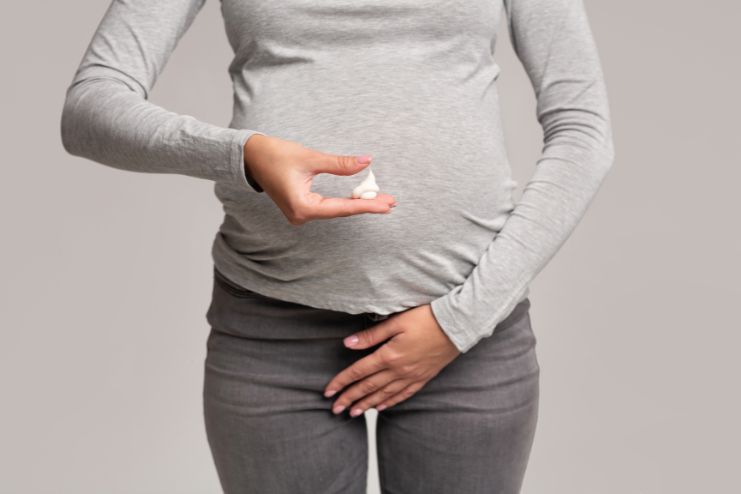
You’re walking or sitting or perhaps just standing up, and suddenly experience a sudden gush of fluid. For an instant, it feels as though you’re wetting your pants. Watery, no whiff of urine, no accident, in your bladder. Just a clear or slightly milky damp patch.
If this has ever occurred to you, don’t worry—it’s not uncommon. Many women experience a watery discharge during various phases of their menstrual cycle or even during early pregnancy. But because it feels like urine leakage, more often than not, it creates confusion or concern.
So, what is it? Is it ovulation, early pregnancy, a vaginal infection, or something worse. Is the amniotic fluid leaking?
This article will help you crack the code of watery discharge that feels like you wet yourself, with an understanding of what’s typical, when to be concerned, and how to distinguish between discharge, pee, and possible fluid leaks during pregnancy.
What Does Watery Discharge Typically Mean?
Normal Vaginal Discharge Explained
Vaginal discharge is a completely normal part of reproductive health. It plays a vital role in cleaning the vagina, flushing out bacteria, and keeping the vaginal tissues moist. This fluid, produced by the cervix and vaginal walls, changes in color, consistency, and volume depending on where you are in your menstrual cycle.
Why Consistency and Volume Change Across Your Cycle
After your period, discharge is typically dry or minimal.
Approaching ovulation, it becomes watery, clear, or stretchy—like raw egg whites—to provide a sperm-friendly environment.
Post-ovulation, due to an increase in progesterone, it thickens and decreases in amount.
Right before menstruation, you might experience a sticky, creamy texture.
These changes are caused mostly by the changes in estrogen and progesterone during your cycle.
Role of Estrogen and Cervical Mucus
Estrogen helps the cervix to secrete more mucus. During periods of high estrogen (such as ovulation and early pregnancy), this mucus will become watery and copious. Although completely normal, this increased amount of fluid can sometimes be perceived as a leak and might even wet the underwear.
Read More: 8 Period Symptoms That Might Actually Be a Thyroid Issue
Watery Discharge in Early Pregnancy
How Hormonal Changes Increase Fluid Production
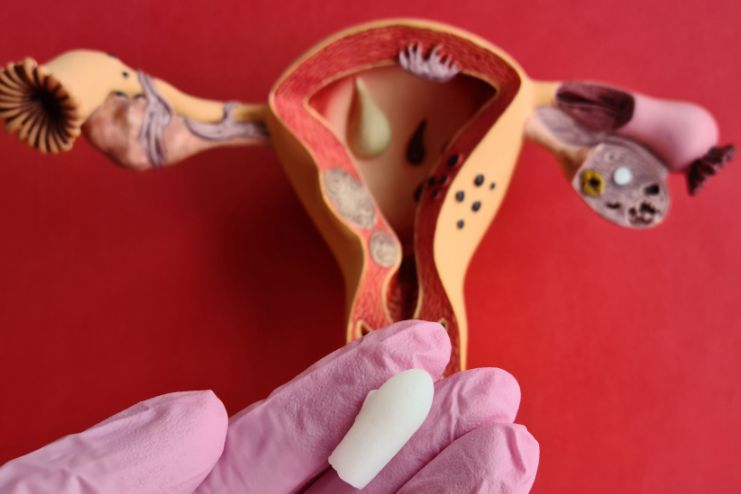
One of the first signs of pregnancy—sometimes before you even miss a period—is an estrogen and blood surge to the pelvic region. This makes your body release leukorrhea, a tiny, milky, or watery discharge that lubricates the cervix and keeps the vagina healthy throughout pregnancy.
It may be a surge of wetness, leading some women to believe they’ve leaked urine by accident.
What’s Normal vs. What’s Excessive
Normal early-pregnancy discharge is:
- Thin or watery in consistency
- Clear to milky white in appearance
- Mild-scented or without odor
- Not associated with itching, burning, or discomfort
Excessive discharge can be:
- Always wetting the underwear
- Yellow, green, or gray
- Has a bad odor
- Associated with pelvic pain or with spotting
Is Watery Discharge a Pregnancy Symptom
Yes, although not conclusive. Leukorrhea (watery or milky discharge) is normal at any time during early pregnancy, but it can also occur during ovulation or because of other causes unrelated to pregnancy. If you think you are pregnant, just take a test, don’t judge by discharge.
When in Pregnancy, It May Appear
Watery discharge may appear as soon as the implantation period (6–12 days after ovulation) starts, and increases as you progress through your first trimester, when estrogen is rising. Later in pregnancy, the discharge might become more abundant as blood flow is greater and the cervix is more active.
Read More: 7 Mindfulness and Relaxation Practices for a Calm Pregnancy
What Causes Watery Discharge That Feels Like Peeing Yourself?

Let’s learn about the more common causes, ranging from normal hormonal changes to possible red flags.
1. Ovulation Discharge
At ovulation (middle of the cycle), estrogen surges, causing the discharge of clear, slippery, stretchy discharge. The cervical mucus aids sperm in passing through the cervix and lasts longer.
It isn’t unusual for this discharge to feel sufficiently damp to imitate light urine leakage, particularly when it pools and lets go suddenly.
2. Pregnancy-Related Leukorrhea
At the early stages of pregnancy, your body makes more estrogen and builds up blood supply to the vagina. This causes more leukorrhea, which can:
- Soak your underwear
- Make you feel like you’ve had a “gush” moment.
- Be odorless, watery, or slightly creamy.
While it is harmless, it might be startling if you don’t expect it, especially for first-time mothers or those trying to get pregnant.
3. Urine Leakage (Incontinence)
Occasionally, it is pee—just not in the manner you think.
Stress incontinence (on sneezing, coughing, or laughing) and urge incontinence (sudden bladder urge) may cause accidental leaks. More common in:
- Pregnancy (as the uterus compresses the bladder)
- Postpartum females
- Individuals with weak pelvic floor muscles
To differentiate:
- Urine:Urine has a yellowish, pungent smell
- Discharge:The discharge is clear or white, faint, or has no odor

4. Amniotic Fluid Leak (Red Flag during Pregnancy)
A thin, continuous trickle of fluid—especially in the second or third trimester—may indicate an amniotic fluid leak.
Signs it might be amniotic fluid:
- It doesn’t smell like urine or vaginal discharge (may have a sweet smell)
- It doesn’t stop (it’s continuous)
- It soaks through pads
- You’re in the later stages of pregnancy
This could be PROM (premature rupture of membranes) and needs immediate medical attention.
5. Vaginal Infection (Yeast, BV, or STIs)
Infections may result in more discharge—usually watery at first—accompanied by clearer symptoms:
- Yeast Infections: thick, white, cottage cheese-like discharge with itching
- BV (Bacterial Vaginosis): thin, gray discharge with a fishy odor
- STIs (e.g., trichomoniasis, chlamydia): green, yellow, or foamy discharge
These infections must be treated early to prevent complications.
6. Semen or Sexual Arousal Fluid
After orgasm or arousal, it’s normal for your vagina to lubricate more—causing a sudden wetness.
- Arousal fluid:thin, watery, slippery
- Post-ejaculation:semen can drip for a few hours, simulating watery discharge
This is not harmful, but can occasionally be confused with abnormal discharge.
How to Tell If It’s Discharge or Urine

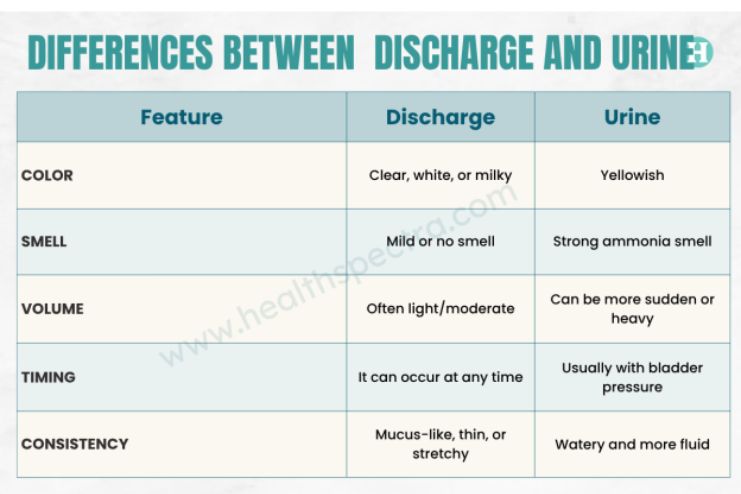 Tip: Wear a panty liner. If it gushes quickly or has a strong smell, it could be urine. If it is small and clear, it’s probably discharge.
When to Seek Medical Care
Call your OB-GYN or healthcare provider if you see:
- Discharge that soaks through underwear several times a day
- Pungent or fishy odor
- Yellow, green, or gray color
- Itching, burning, or irritation
- You’re pregnant and suspect that amniotic fluid is leaking
- Discharge accompanied by cramps, spotting, or pelvic pain
Even if it turns out to be a normal discharge, getting checked offers peace of mind and helps rule out infections or pregnancy complications.
Final Thoughts

If a watery discharge has you asking, “Did I just pee myself?”, you’re not the only one—and you’re not crazy. This feeling can be due to totally normal hormonal changes or indicate something more emergent, depending on symptoms and timing.
Ovulation or early pregnancy causes watery discharge that’s usually healthy.
If you’re feeling perpetually wet, but the liquid’s clear and odorless, it’s probably cervical mucus, not pee.
But if it’s recurring, is smelly, colored, or accompanied by pain or itching, it’s worth getting checked out.
During pregnancy, and particularly later on, always lean in the cautious direction if you’re leaking amniotic fluid.
Ultimately, your body is attempting to tell you something. Listen to it, monitor your symptoms, and call your doctor if you’re unsure.
References
- https://www.tuasaude.com/en/watery-discharge/
- https://www.icicilombard.com/blogs/health-insurance/mb/premature-rupture-of-membrane-meaning
- https://www.hopkinsmedicine.org/health/conditions-and-diseases/urinary-incontinence/urinary-incontinence-in-women
- https://www.hopkinsmedicine.org/health/conditions-and-diseases/urinary-incontinence/urinary-incontinence-in-women
- https://www.hopkinsmedicine.org/health/conditions-and-diseases/urinary-incontinence/urinary-incontinence-in-women
- https://www.pristyncare.com/blog/symptoms-of-pregnancy-before-missing-periods-pc0101/
- https://flo.health/menstrual-cycle/health/vaginal-discharge/discharge-during-pregnancy
In this Article