


















You’re bundled up in a cozy sweater while everyone else around you is perfectly comfortable. Your fingers and toes feel icy, even inside a warm room. You crank up the thermostat, sip hot drinks, and layer blankets, yet the chill never seems to lift. Over time, what once felt like a minor quirk becomes frustrating and, at times, worrying.
Feeling cold all the time isn’t just a matter of preference or personality. While some people naturally run cooler than others, persistent cold intolerance can point to underlying issues in the body. Your thyroid, iron levels, circulation, metabolism, and even chronic stress all influence how warm or cold you feel.
This article explores the science behind persistent cold sensitivity. You’ll learn what’s considered normal, which symptoms warrant a closer look, and why common medical issues, like thyroid disorders, iron deficiency, and circulation problems, are often at the root of feeling perpetually chilly.
Understanding Persistent Cold: When Feeling Chilly Is More Than Normal
If you constantly feel cold while others around you are comfortable, it might be more than just a preference for warmth. Persistent cold can signal underlying issues with your metabolism, circulation, or hormone balance. Recognizing the difference between typical sensitivity and true cold intolerance helps determine when to seek medical advice.
Cold Sensitivity vs. Cold Intolerance
It’s important to distinguish between simply disliking the cold and experiencing true medical cold intolerance.
- Cold sensitivity refers to discomfort in chilly environments or a preference for warmth, but you warm up easily once conditions improve.
- Cold intolerance is a persistent feeling of being cold, even in warm environments, where standard measures like clothing or blankets don’t fully help.
Doctors become concerned when cold intolerance is:
- New or worsening, appearing without an obvious cause.
- Persistent across different environments, such as both at home and outdoors.
- Accompanied by other symptoms, including fatigue, weakness, hair loss, or skin changes.
How the Body Regulates Temperature
Your body maintains a stable internal temperature through a finely tuned system:
- The hypothalamus acts as the body’s thermostat, detecting temperature changes and triggering responses like shivering or sweating.
- Thyroid hormones control your metabolic rate, which determines how efficiently your body generates heat.
- Blood flow distributes heat from your core to your extremities, keeping your hands and feet warm.
- Nutrient availability provides the energy your cells need to produce heat.
Disruptions in any of these systems, whether hormonal, circulatory, or nutritional, can make feeling cold more than a simple comfort issue.
According to the Cleveland Clinic, chronic cold intolerance should not be ignored, especially if it interferes with daily life or occurs alongside other warning signs, such as fatigue, weakness, or changes in skin and hair. In such cases, medical evaluation can uncover underlying conditions and guide effective treatment.
Thyroid Problems and Persistent Cold
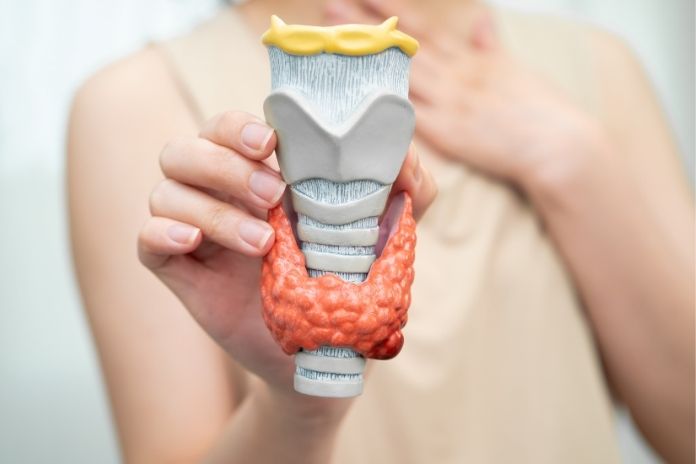
One of the most common medical reasons people feel chronically cold is an underactive thyroid, or hypothyroidism. The thyroid gland plays a central role in regulating metabolism and heat production, so even slight imbalances can significantly affect how warm or cold you feel.
How the Thyroid Controls Body Temperature
The thyroid produces hormones T3 (triiodothyronine) and T4 (thyroxine), which regulate the rate at which your cells convert oxygen and nutrients into energy. This cellular energy production generates heat, helping maintain your core body temperature.
When hormone levels are low, your metabolism slows, heat production drops, and your body struggles to maintain warmth, particularly in the hands and feet. This physiological link explains why thyroid dysfunction and cold intolerance often go hand in hand.
Hypothyroidism: A Common Cause of Feeling Cold
Hypothyroidism occurs when your thyroid doesn’t produce enough hormones. The effects on your body include:
- Reduced cellular energy production, which lowers internal heat generation.
- Slower metabolic rate, making you feel cold even in normal indoor temperatures.
- Prioritization of core organs over extremities, causing cold hands and feet.
Cold intolerance can appear early, sometimes even before blood tests show significant thyroid abnormalities. For many, this sensation of being unable to warm up is one of the first signs of thyroid dysfunction.
Other Symptoms That Often Accompany Cold Intolerance
If your cold sensitivity is thyroid-related, it rarely occurs alone. Additional symptoms may include:
- Fatigue or sluggishness throughout the day.
- Unexplained weight gain despite unchanged diet and activity.
- Dry, rough, or pale skin.
- Hair thinning or eyebrow hair loss.
- Constipation or slower digestion.
According to the Mayo Clinic, individuals with hypothyroidism often describe feeling “unable to get warm,” even in heated environments, highlighting how pervasive the impact can be.
When to Consider Thyroid Testing
You should discuss thyroid evaluation with a healthcare provider if you notice:
- Persistent cold along with low energy or fatigue.
- Gradual onset of other hypothyroid symptoms.
- A family history of thyroid disease.
- Postpartum thyroid changes or autoimmune conditions.
A simple blood test measuring TSH, free T4, and sometimes T3 can clarify whether your thyroid is functioning normally. Early detection and treatment can restore warmth, energy, and overall well-being.
Iron Deficiency and Feeling Cold

Iron plays a central role in keeping your body warm. Low iron or anemia can make you feel persistently chilly, even in comfortable indoor temperatures. Understanding this connection helps explain why cold intolerance is sometimes more than a personality trait.
How Iron Influences Body Temperature
Iron is a key component of hemoglobin, the protein in red blood cells that transports oxygen throughout the body. Oxygen is essential for:
- Cellular energy production, which fuels basic metabolic functions.
- Muscle activity, which generates heat during movement.
- Overall thermoregulation is the body’s ability to maintain a stable temperature.
When iron levels are low, hemoglobin is insufficient, and tissues receive less oxygen. This reduced oxygen delivery slows energy production and heat generation, leaving you feeling cold, especially in the extremities.
Dr. Diana Brigham, expert in iron metabolism and thermoregulation, states: “Research shows that iron‑deficiency anemia is consistently associated with poor temperature regulation in both humans and animal models. Anemia impairs heat production and alters the body’s ability to conserve warmth under cold stress, in part because of its effects on oxygen delivery and thyroid hormone function.”
This connection helps explain why individuals with low iron often struggle to maintain body temperature in cold environments.
Common Signs of Iron Deficiency or Anemia
Cold intolerance due to iron deficiency rarely occurs in isolation. Other signs to watch for include:
- Cold hands and feet, even in warm surroundings.
- Pale or sallow skin.
- Shortness of breath during routine activities.
- Dizziness, lightheadedness, or headaches.
- Rapid or irregular heartbeat.
These symptoms are often mistaken for fatigue, stress, or overwork, which can delay diagnosis. Paying attention to a persistent cold along with these signs is important for timely evaluation.
Who Is Most at Risk
Certain groups are more susceptible to iron deficiency:
- Menstruating individuals due to monthly blood loss.
- Pregnant or postpartum individuals have increased iron demands.
- People with heavy menstrual bleeding.
- Vegetarians or vegans, as plant-based iron is less efficiently absorbed.
- Individuals with malabsorption issues, such as celiac disease or gastrointestinal disorders.
The National Institutes of Health emphasizes that iron deficiency remains one of the most common nutrient deficiencies worldwide, making it a frequent but often overlooked cause of cold intolerance.
When to Consider Testing
If you experience persistent cold along with fatigue, paleness, or shortness of breath, a healthcare provider can order a complete blood count (CBC) and iron studies to evaluate hemoglobin, ferritin, and iron levels. Early detection enables dietary or supplemental interventions that restore warmth, energy, and overall health.
Poor Circulation and Cold Extremities
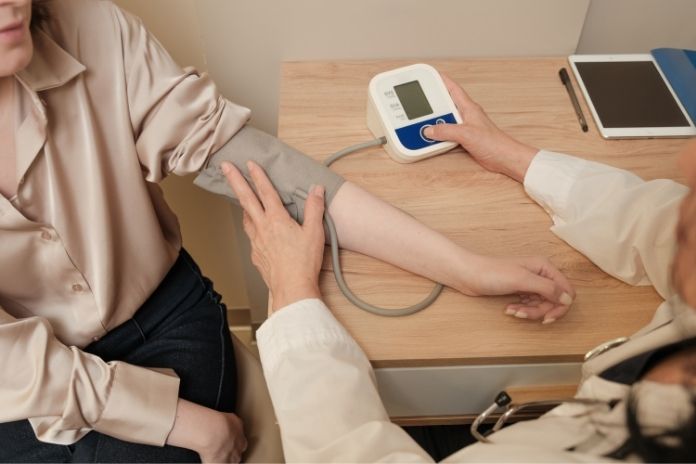
Persistent cold, especially in the hands and feet, is often linked to how efficiently your body circulates blood. Even when your core temperature is normal, reduced blood flow can leave extremities feeling icy, numb, or uncomfortable. Understanding circulation-related causes can help distinguish normal cold sensitivity from a medical issue.
How Circulation Influences Temperature
Blood flow is the primary mechanism by which heat is distributed throughout the body. Warm blood from the core carries heat to peripheral tissues, keeping hands, feet, and other extremities at a functional temperature. When circulation is compromised:
- Core temperature may remain stable, but extremities feel cold.
- Fingers, toes, ears, and nose often experience the first signs of chill.
- Even mild blood vessel constriction can make everyday environments feel colder than they actually are.
This is why people with circulation issues often notice cold hands or feet long before feeling cold in other areas.
Common Causes of Circulation-Related Cold
Several factors can contribute to reduced blood flow, making you more sensitive to cold:
- Sedentary lifestyle: Lack of movement slows overall circulation.
- Smoking or nicotine use: Nicotine constricts blood vessels, reducing heat delivery to extremities.
- Chronic stress: Stress hormones can trigger vascular constriction.
- Blood vessel constriction from cold or posture: Temporary narrowing of vessels reduces peripheral warmth.
Even subtle changes in circulation can make a noticeable difference in how warm your body feels, particularly in the extremities.
Raynaud’s Phenomenon: A Specific Circulation Condition
One notable cause of cold extremities is Raynaud’s phenomenon, a condition in which blood vessels spasm in response to cold temperatures or emotional stress. In Raynaud’s:
- Fingers and toes may change color in a characteristic pattern: white → blue → red.
- Numbness, tingling, or pain may occur during an episode.
- Episodes are often brief but recurrent, triggered by cold exposure or stress.
According to information from NIH health resources, Raynaud’s phenomenon primarily affects blood flow to the extremities, especially the fingers and toes. In most people, the symptoms are mild and don’t lead to serious health problems. However, more severe or persistent episodes may warrant medical evaluation and management.
When Poor Circulation Might Need Medical Attention
You should consult a healthcare provider if:
- Cold extremities are persistent and severe.
- Color changes, numbness, or pain occur frequently.
- Symptoms interfere with daily activities.
- There are accompanying signs such as swelling, ulcers, or skin changes.
Early recognition and management of circulation issues, including lifestyle adjustments or medical treatment, can improve warmth, comfort, and overall vascular health.
Read More: What It Means If You’re Always Cold: Hormones, Iron, and Thyroid Explained
Other Possible Reasons You’re Always Cold
Not everyone who feels cold has a thyroid or iron problem. Body temperature depends on energy intake, circulation, nervous system balance, and nutrient status. When one or more of these are off, cold intolerance can show up quietly and persist.
Low Body Weight or Low Calorie Intake
Your body needs fuel to generate heat. When calorie intake stays too low for too long, metabolism slows and heat production drops. This is a common but overlooked cause of feeling cold all the time, especially in people who diet aggressively or skip meals.
Key points:
- Reduced calorie intake lowers metabolic heat.
- Chronic dieting increases cold intolerance.
- The body conserves energy by reducing body temperature.
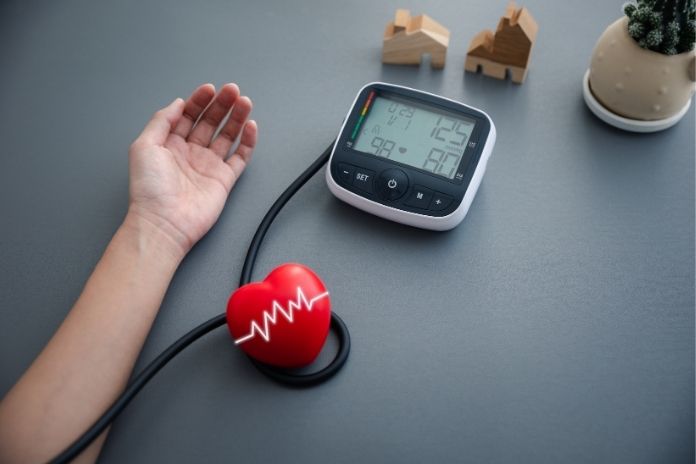
Low Blood Pressure
Blood pressure affects how well heat-carrying blood reaches the skin. When blood pressure is low, circulation to the extremities drops, making hands and feet feel cold even if core temperature is normal.
Key points:
- Cold hands and feet are common.
- Core body temperature may remain normal.
- Can occur without other obvious symptoms.
According to Dr. Piyush Lodha, an endocrinologist, when blood pressure falls too low, the body prioritizes blood flow to vital organs like the heart and brain. That means less warm, heat‑carrying blood reaches the skin and peripheral tissues, especially the hands and feet, which can make them feel cold even if your core temperature remains normal.
Vitamin and Nutrient Deficiencies
Several nutrients support heat regulation indirectly. Deficiencies don’t always cause dramatic symptoms but can contribute to persistent cold sensitivity over time.
Common contributors:
- Vitamin B12: red blood cell and nerve function.
- Magnesium: muscle and blood vessel regulation.
- Iodine: thyroid hormone production.
Chronic Stress and Nervous System Effects
Long-term stress keeps the body in a fight-or-flight state. This causes blood vessels to constrict, reducing blood flow to the skin and extremities.
What stress can do:
- Constrict blood vessels.
- Reduce heat delivery to hands and feet.
- Increase cold sensation even indoors.
When Feeling Cold Is Likely Normal
Not all cold sensitivity is medical. Some people naturally feel colder due to body composition or environment.
Feeling cold is often normal if you:
- Have lower body fat or a smaller body size.
- Spend long hours in air-conditioned spaces.
- Experience mild seasonal cold sensitivity.
- Warm up easily with layers or movement.
In these cases, overall health remains stable.
When Feeling Cold Is a Red Flag
Cold intolerance needs medical attention when it follows certain patterns.
Watch closely if it’s:
- Sudden or unexplained.
- Persistent in warm environments.
- Getting worse over time.
- Paired with fatigue, hair loss, weakness, or numbness.
- Affecting daily functioning.
These signs suggest more than personal preference.
What You Can Do Right Now
Before jumping to conclusions, focus on observation and support. Patterns matter more than single symptoms.
Track:
- When you feel cold.
- Energy levels and appetite.
- Weight or menstrual changes.
- Stress and sleep quality.
Lifestyle Support That Helps
These steps support temperature regulation regardless of cause:
- Eat enough calories and protein.
- Move daily to improve circulation.
- Manage stress and prioritize sleep.
They won’t replace medical care, but they reduce strain on your system.
Medical Evaluation: What Doctors Usually Check
If symptoms persist, doctors typically start with basic tests to rule out common causes.
Common evaluations include:
- Thyroid function tests
- Iron studies and hemoglobin
- Complete blood count (CBC)
These tests are standard, accessible, and often provide quick clarity.
Read More: 14 Ways To Increase Body Temperature For Optimum Health
Final Takeaway
Feeling cold once in a while is part of being human. But when you’re constantly cold, even in warm spaces, your body is usually trying to tell you something. Persistent cold intolerance isn’t just about comfort. It’s often a signal that internal systems responsible for heat production and circulation aren’t working as efficiently as they should.
In many cases, the cause is identifiable and treatable. Thyroid dysfunction can slow metabolism and reduce heat generation. Iron deficiency or anemia can limit oxygen delivery, leaving tissues under-fueled. Circulation issues can prevent warmth from reaching the hands, feet, and skin, even when core temperature is normal.
What matters most is pattern, not weather. If the cold feeling is ongoing, worsening, or paired with fatigue, weakness, hair changes, or low energy, it’s worth taking seriously. Understanding why you’re feeling cold all the time is not about self-diagnosis. It’s about recognizing when something isn’t normal and taking the first step toward fixing the root cause instead of just turning up the heat.
Frequently Asked Questions (People Also Ask)
Why am I always cold even when it’s warm?
Feeling cold in warm environments is often linked to internal factors rather than temperature. Low thyroid function can slow heat production, while iron deficiency limits oxygen delivery needed for warmth. Poor circulation keeps heat from reaching the skin. Chronic stress and low-calorie intake can also suppress normal heat regulation.
Can anxiety make you feel cold?
Yes, anxiety can absolutely make you feel cold. It activates the fight-or-flight response, which constricts blood vessels in the hands and feet. This redirects blood toward vital organs, reducing surface warmth. The result is cold fingers, toes, or an overall chill.
Is cold intolerance a symptom of anemia?
Yes, cold intolerance is a common symptom of iron deficiency anemia. Low iron reduces hemoglobin, which carries oxygen to tissues. With less oxygen, cells produce less energy and heat. This often shows up as cold hands, feet, and fatigue.
Should I worry if I’m always cold?
Occasional chilliness isn’t concerning, but constant cold is different. If it’s persistent, worsening, or paired with fatigue, weakness, or hair changes, it deserves attention. These patterns often point to underlying issues. A medical evaluation can help identify treatable causes.
Does feeling cold mean low metabolism?
Often, yes. Metabolism generates heat, and when it slows, body temperature regulation suffers. Low thyroid hormone levels and inadequate calorie intake are common reasons. When the body doesn’t have enough fuel or hormonal drive, heat production drops.
References
- Times of India. (n.d.). Low BP, cold hands and feet: Your life can be at risk.
- WebMD. (n.d.). Why am I always cold?
- MedlinePlus. (n.d.). Raynaud phenomenon. National Library of Medicine.
- National Institutes of Health, Office of Dietary Supplements. (n.d.). Iron: Fact sheet for health professionals.
- National Academies of Sciences, Engineering, and Medicine. (1998). Dietary reference intakes for iron (Chapter 19).
- StatPearls. (n.d.). Raynaud disease. StatPearls Publishing.
- Taylor, N. A. S., & Machado-Moreira, C. A. (2013). Heat transfer and human thermoregulation. Comprehensive Physiology, 3(2), 607–629.
- Young, A. J. (1997). Homeostatic responses to prolonged cold exposure. Journal of Applied Physiology, 83(6), 1769–1776.
- Somers, V. K., White, D. P., Amin, R., Abraham, W. T., Costa, F., Culebras, A., … Young, T. (2008). Sleep apnea and cardiovascular disease. Mayo Clinic Proceedings, 83(5), 580–594.
- Mayo Clinic. (n.d.). Hypothyroidism (underactive thyroid): Symptoms and causes.
- Cleveland Clinic. (n.d.). Hypothyroidism.
In this Article