












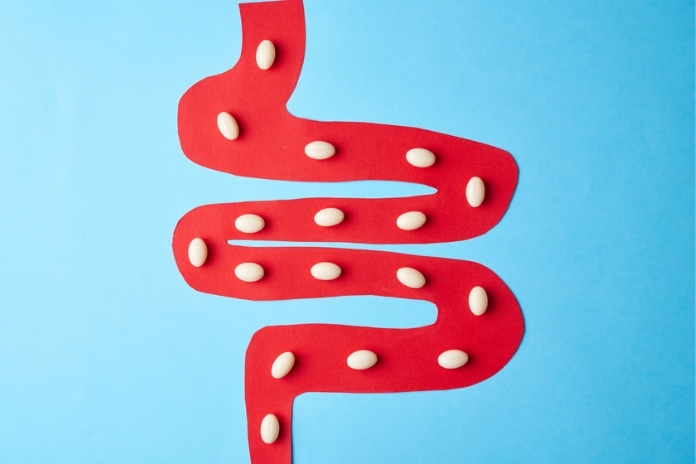
The journey of food begins right from the time you take your first bite. Digestion is like a relay race: mouth → stomach → small intestine → large intestine → out. Many people ask: How long does food stay in your stomach? Or how long after eating is your stomach empty? The short answer is: it depends.
In this article, we’ll walk step by step through stomach digestion time, what affects it, how to sense when your stomach has cleared, and practical tips to keep digestion healthy.
What Happens to Food in Your Stomach (Step-by-Step)
Before food even reaches your stomach, digestion has started: you chew (mechanically) and mix it with saliva (enzymes). Then:
1. Arrival and mixing
When food enters through the esophagus (food pipe), the fundus (upper stomach) relaxes so that it can accommodate food. Food here gets mixed with gastric juice (enzymes plus hydrochloric acid).
2. Chemical breakdown
The stomach produces hydrochloric acid (it has a low pH) and enzymes (like pepsin) that begin protein digestion. Fat digestion also starts (via gastric lipase), and churning action helps food turn into a semi-fluid mass called chyme.
3. Pyloric filtering and controlled emptying
Only small particles (ideally < 1–2 mm) and fluids can pass through the pyloric sphincter, a control door lying at the terminal end of the stomach. These small particles from stomach next enters the first part of small intestine, the duodenum. Larger bits stay to be further broken down.
The stomach doesn’t just dump all at once; emptying is regulated by pressure gradients, neural and hormonal signals (e.g., enterogastric reflex) from the small intestine, feedback on acidity, and osmolarity, etc.
So yes! Digestion is not only in the stomach – the process continues even after stomach emptying- often for many hours more.
Read More: Can Drinking Cold Water Slow Down Digestion? What Science Actually Says
How Long Food Stays in Your Stomach (Average Digestion Time)

Let’s talk numbers — but keep in mind these are averages; your meal, your body, your context will vary.
- Liquids: Move very fast. Liquids begin to leave the stomach almost immediately, and often fully within ~30 minutes in many cases.
- Carbohydrates/simple meals: 1–2 hours is a reasonable ballpark for lighter carbs.
- Proteins: 2–3 hours.
- Fats/heavy meals: 4 to 6 hours (even more) before the stomach is substantially emptied.
These rough categories reflect that fats and complex meals slow gastric emptying more. Also, “emptying the stomach” is a gradient — not an instant event.
In a controlled study in Korea, a rice-based standard meal (which is common in many diets) had a gastric emptying time of 5.8 ± 0.8 hours (about 5.0 to 6.5 h) in healthy volunteers.
Another authoritative guideline states that after a meal, ~90% of the food may have left the stomach by about 4 hours in many cases.
And more broadly, the estimate that “food typically spends 2 to 4 hours in the stomach” is commonly quoted in clinical sources.
Finally, full digestion from eating to elimination often takes 24 to 72 hours, depending on the person, food, as well as gut health.
Read More: Why Eating Too Quickly Hurts Your Digestion (and How to Slow Down)
Factors That Affect Digestion Time

Why do two people having the same meal experience different digestion timelines?
Because many variables intervene:
- Meal composition:
- Christine Lee, a gastroenterologist, notes that fat and protein slow gastric emptying more than carbohydrates.
- Fiber sometimes speeds things in the gut but may slow initial digestion in the stomach.
- High caloric density slows things.
- More complex structure (e.g., whole legumes, nuts) takes more breakdown.
- Portion size: Bigger meals → more work, more content, more time.
- Hydration/fluid volume: Liquids move faster; having enough water helps mix and move chyme.
- Physical activity or movement: Gentle movement like walking can encourage motility, whereas being too sedentary slows it down.
- Metabolic rate and age: Younger individuals or those who have faster metabolisms tend to digest food quickly, while older individuals often have slow movement of food through their digestive system. Hormonal changes also play a role in reducing metabolic rate over time. Regular exercise and a balanced diet can help support a healthy metabolism at any age.
- Health conditions or medications:
- Gastroparesis (delayed gastric emptying) slows the process.
- GERD, IBS, diabetes, and hypothyroidism can modify digestive speed.
- Some drugs, like opioids, anticholinergics, slow digestion, and prokinetic drugs, can speed it up.
- Hormones or nervous signals: Feedback from the small intestine (enterogastric reflex) can slow or moderate dumping of chyme.
Summing up, digestion time is highly individualized.
Read More: 7 Warning Signs and Side Effects of Poor Digestion You Shouldn’t Ignore
How to Tell If Your Stomach Is Empty
“Stomach empty” is a loose concept — some residual fluid or microscopic chyme may still be present in the digestive tract. But practically:
- Typical fasting window: After a small meal, you may feel your stomach empty in 3–4 hours. After a large fatty meal, 5–6 hours or more might pass.
- Signs your stomach is clearing:
- Mild hunger pangs
- Loss of heaviness or bloating
- Digestive noises (“rumblings”)
- The sensation of being “hungry” rather than “full”
But note: even when the stomach is relatively empty, digestion continues downstream (small intestine, colon).
Clinically, “gastric emptying” is measured using scans or tracers (gastric emptying scintigraphy) rather than subjective signs.
Also, in one recent study, normal gastric emptying T½ (the time to half-empty) for a standard solid meal ranged between 50 to 109 minutes in healthy subjects.
Read More: Gut Health Hacks: The Best Morning Foods to Kickstart Digestion
What Helps Food Digest Faster (Healthy Digestion Tips)
We can’t fully override biology, but we can support smoother digestion. Here are research-informed tips (some less talked about):
- Smaller, moderate meals: Overwhelming the stomach slows everything. Smaller, balanced portions allow smoother emptying.
- Include both soluble and insoluble fiber: Fiber helps the intestines move chyme forward, but in the stomach, it slows sudden spikes, resulting in a more regulated flow.
- Eat fermented/probiotic food: Dr. Joseph Salhab, a well-known gastroenterologist, suggests that probiotic fibres help gut flora, which supports motility downstream.
- Hydrate properly, but don’t chug: Enough water helps mix and move chyme. But extremely high volume may dilute stomach juices.
- Stay upright (don’t lie down immediately): Gravity helps food move down. Lying down right after a heavy meal may slow down gastric emptying or even make reflux worse.
- Chew properly/mindful eating: The more you break down food in your mouth first, the less work your stomach needs to do later on.
- Gentle post-meal movement: Light walk ~30 minutes after eating can stimulate motility without causing any trouble.
- Manage stress and practice mindful eating: The autonomic nervous system (which triggers the fight-or-flight response) slows digestion during stress. Eating calmly and mindfully helps activate the “rest and digest” state, improves digestion, and prevents overeating.
- Timing and spacing: Leave enough gap between meals so the tract has time to process what’s in it.
One caveat: deliberately pushing digestion too fast may reduce absorption. Digestion isn’t a race; the quality of nutrients absorbed matters.
Read More: Best Teas to Drink After Meals for Better Digestion & Slimming
When Slow or Fast Digestion Signals a Problem

Not all deviations from normal digestion are “normal.”
Too slow (delayed)
You might feel persistent bloating, nausea, early fullness, reflux, or even constipation. This could hint at gastroparesis, functional dyspepsia, or motility disorders.
Too fast
You could suffer from diarrhea, nutrient malabsorption, or dumping syndrome (post-gastric surgery).
If your symptoms are consistent, troubling, or worsening, then consult a gastroenterologist. Gastric emptying tests or motility studies can help diagnose.
Read More: How Food Combining Affects Digestion (Does It Really Work?
The Bottom Line
So when someone asks how long food stays in your stomach, then the most honest answer is: it depends on what and how you eat, plus who you are.
For many people, stomach emptying time is about 2 to 6 hours, but this can be based on meal type, portion, hydration, and health conditions. Dinner with high fat may stay long, but a light fruit bowl can be finished in under one hour.
The human body’s food digestion process is amazingly adaptive. Your stomach, intestines, enzymes, and gut microbes all coordinate in rhythm and never in a race. Some days your digestion runs fast, other days slower. Both can still be normal if you feel good and energetic.
Knowing your body’s rhythm helps you plan meals, workouts, and fasting better. If you often wonder how long after eating your stomach is empty, then remember that being comfortable and being consistent matter more than just watching the clock.
Support your gut by sticking to simple habits- eat mindfully, move gently, hydrate, rest enough. These little things really keep your gastric emptying rate healthy and your overall digestion smoother.
Read More: 7 Yoga Poses for Better Digestion
Key Takeaway
- Food typically stays in your stomach for 2 to 6 hours, with heavier and more fatty meals being at the longer end.
- How long after eating is your stomach empty? For many mixed meals, substantial emptying happens by ~4 hours, but “empty” is a gradual state.
- Complete digestion of a meal (through the intestines and colon) can take 1 to 3 days, depending on individual factors.
- Meal composition, size, hydration, physical activity, metabolic rate, and health status all influence digestion time.
- You can support healthy digestion by eating moderate meals, staying hydrated, chewing well, staying upright, and moderating stress.
FAQs About Digestion Time
Q1. How long does it take to digest a meal completely?
Complete digestion, i.e., from eating till elimination, commonly takes about 24 to 72 hours, depending on what you eat, your metabolism, your hydration levels, and also gut health. Light meals clear quicker than heavier ones.
Q2. Does lying down after eating slow digestion?
Yes, lying down straight after eating can slow down gastric emptying, it might even cause bloating as well as trigger acid reflux. It is better to stay upright for at least 30-60 minutes after food.
Q3. Do liquids leave the stomach faster than solids?
Absolutely! Liquids mostly leave your stomach in like 15–30 minutes, whereas solid food takes more time, typically 2-6 hours, depending on meal size, fat in it, and your digestion rate.
Q4. Which foods digest the slowest?
Foods like red meats, fried stuff, cheese, high-fat meals, as well as legumes with a lot of fiber, all digest much more slowly; it can even take more than 6 hours for the stomach to be empty fully.
Q5. How can I improve my digestion naturally?
Eating smaller portions, chewing food well, keeping hydrated, adding in probiotics and fiber, not lying down right after meals, and managing your stress- all this helps your digestion stay healthy naturally.

References
- https://doi.org/10.1016/j.crfs.2021.04.004
- https://www.sciencedirect.com/topics/agricultural-and-biological-sciences/gastric-emptying?
- https://doi.org/10.1111/nmo.13546
- https://doi.org/10.2967/jnmt.117.227892
- https://www.ncbi.nlm.nih.gov/books/NBK531503/
- https://doi.org/10.1155/2019/5917085
- https://medlineplus.gov/lab-tests/gastric-emptying-tests/?
- https://health.clevelandclinic.org/how-long-does-it-take-to-digest-food?
- https://doi.org/10.1093/advances/nmac037
- https://doi.org/10.1016/j.cgh.2022.05.022
- https://doi.org/10.1210/clinem/dgae719
- https://doi.org/10.2967/jnmt.109.067843
- https://doi.org/10.1097/nm9.0000000000000031
In this Article