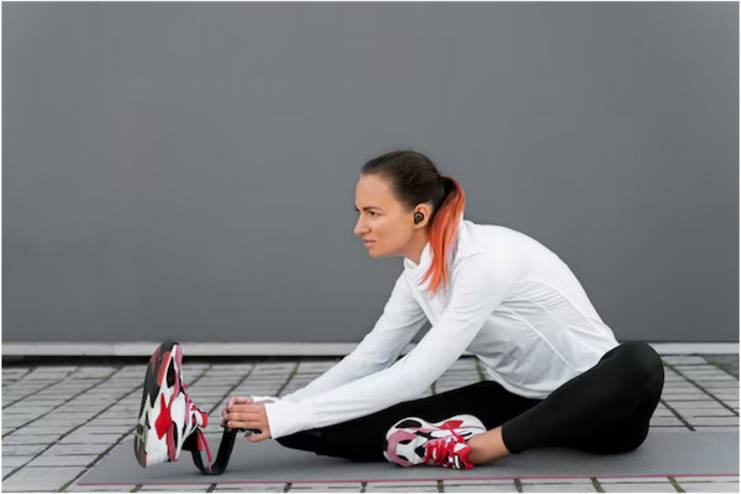
The importance of stretching during workouts cannot be overstated. Take any athlete’s or regular fitness freak’s fitness regimen, and you’ll find stretching to be a primary warm-up before or after a workout. Not just for athletes, stretching has always been an important part of a fitness regimen for people looking to improve their mobility.
There are two common types of stretching. These are dynamic and static stretching. Since both are distinct, we must know when to use dynamic vs. static stretching. Making the right choice can make a lot of difference.
According to Dr. Anne Rex of the Cleveland Clinic, people have been stretching more often over the past decade. She stresses that the right kind of stretching will help you gain the maximum benefits.
In this article, let us understand the types of stretching: dynamic stretching and static stretching, the benefits of dynamic vs. static stretching, and how you can include stretching routines in workouts. We’ll also understand when to use dynamic and static stretching.

Expert Choice: Best At-Home Yoga Studio
Experience over 2,400 world-class yoga classes from the comfort of your home. YogaDownload offers expert-led programs and flexible membership options for every fitness level.
*Purchases through this link support our research at no extra cost to you.
What Is Dynamic Stretching?

Dynamic stretching involves your muscles through a full range of motion with controlled, deliberate movements. It can be considered more fluid than static stretching.
Leg swings and walking lunges are common dynamic stretching exercises to warm up before a workout. These help your body prepare for the activity ahead by promoting blood flow, improving joint mobility, and warming up muscles.
Benefits of Dynamic Stretching:
- Warm-Up Effect: Warm-up stretches before exercise are extremely important. And dynamic stretching is a perfect choice for the same. It raises your body temperature and improves blood flow.
- Improved Range of Motion: Moving your joints and muscles through a full range of motion improves your flexibility and mobility.
- Injury Prevention: You are prone to injuries during workouts, but preventing them is not difficult. With dynamic stretching, you benefit your joints, particularly those you use in physical activity. These are a good pre-workout for more strenuous movements.
When to Use Dynamic Stretching:
Dynamic stretching is extremely beneficial if done before a workout. Especially for high-intensity workouts, including weight lifting, sprints, runs, or other sports. These help activate key muscle groups and improve mobility and flexibility, making them perfect for morning routines.
If you’re focusing on an intense workout or sport-specific movements, dynamic stretches are key to reducing injury risk and boosting performance. These warm-up exercises before a workout are better for any activity that requires muscle engagement from the start.
Additionally, Harvard Health emphasizes that dynamic stretches can improve athletic performance and flexibility.
What Is Static Stretching?

Static stretching, unlike dynamic stretching, holds a stretch for a longer time. These stretches typically range from 15 to 60 seconds. You can engage in static stretching by reaching for your toes, doing forward bends, or performing a quadriceps stretch.
Static stretching involves strengthening and relaxing the muscles. This is an excellent way to improve flexibility.
Benefits of Static Stretching:
- Increased Flexibility: Static stretching benefits include building muscle flexibility over time. You hold the static stretches for a long time, which elongates your muscles and improves flexibility.
- Muscle Relaxation: If you want to relax muscles after an intense workout, static stretching is your go-to option. These not only help muscles relax but also help them return to their resting length.
- Post-Workout Recovery: Another benefit of static stretching is that it promotes recovery after an intense workout, reduces muscle tightness, and improves muscle strength.
When to Use Static Stretching:
The ideal time and way to include static stretching in your workout is post-workout. This is when the muscles are already warmed up. The muscles need to warm up before exercise, as stretching cold muscles leads to injury. You can include static stretching in your nighttime fitness routine to prevent muscle stiffness.
A 2021 systematic review in Sports Medicine examined post‑exercise stretching and found that stretching after training can modestly improve range of motion (ROM) and may help with short‑term recovery.
Key Differences Between Dynamic and Static Stretching
It is important to understand dynamic vs static stretching. This can help you decide the right method for your desired results. Here are a few differences between dynamic and static stretching:
- Mobility vs. Flexibility: Dynamic stretching focuses more on increasing mobility and preparing muscles for strenuous activity. Whereas static stretches aim for overall muscle flexibility over time.
- Effects on Performance: Athletic performance is highly influenced by dynamic stretching, which enhances muscle activation and range of motion. Static stretching, though good for flexibility, may temporarily reduce muscle power if done before a workout.
- Injury Prevention: Although both types of stretching help prevent injuries, dynamic stretching is more effective. Dynamic stretching prepares joints for activity, whereas static stretching relaxes stiff muscles.
Expert Choice: Best At-Home Yoga Studio
Experience over 2,400 world-class yoga classes from the comfort of your home. YogaDownload offers expert-led programs and flexible membership options for every fitness level.
*Purchases through this link support our research at no extra cost to you.
Common Myths About Stretching
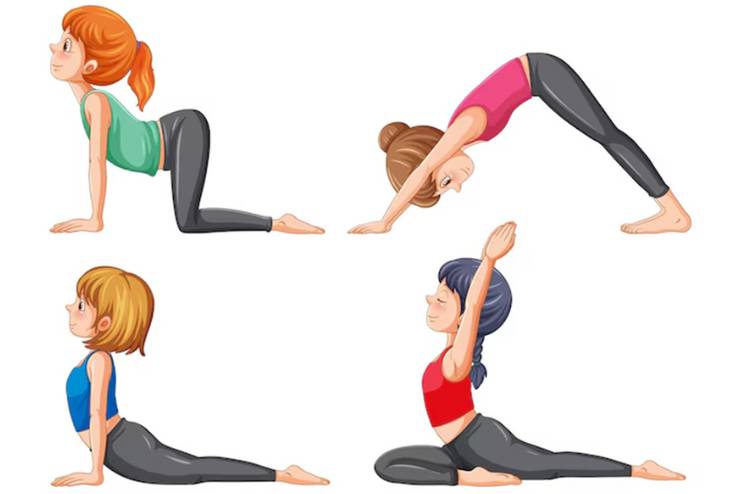
We come across some common myths about stretching all the time. Here’s how we debunk those:
- Static Stretching Is Best for Warm-Ups: It is commonly believed that static stretching before a workout temporarily reduces muscle performance and strength. However, this claim isn’t entirely true. When it comes to dynamic stretching, these are the most effective warm-ups for activating the muscles and preparing your body for activity.
- Stretching Prevents Injury: As mentioned earlier, though stretching can help reduce the likelihood of injuries, it doesn’t guarantee an injury-free experience. It simply improves your flexibility and mobility. And, it is essential to stretch properly and avoid overstretching the cold muscles. You must have a well-rounded injury-prevention regimen that includes proper conditioning beyond strength training.
- Too Much Stretching Can Be Harmful: Stretching excessively can irritate muscles. If it only provides temporary relief and the pain persists, focusing on strengthening the muscles may be more beneficial.
- Stretching Doesn’t Actually Lengthen Muscles: Stretching mainly improves your tolerance to the stretch, helping you move further over time rather than truly lengthening the muscle tissue.
Building the Perfect Stretching Routine
For optimum results, stretching must be paired with a balanced routine that includes both dynamic and static stretching. Here’s how you can make the most of it and tailor the regimen to your activity level.
- For Running or Cardio Workouts: Opt for workouts tailored to your day’s activity. For example, begin your day with leg swings, walking lunges, or hip circles. These help in activating the muscles necessary for running. You can follow up with hamstring and quadriceps static stretches.
- For Strength Training: Warm up with dynamic stretching, such as shoulder circles or arm swings. This will help you warm up your upper body. You can follow up with lunges for the lower body. Post workout, you can do some static stretching targeting your glutes and hamstrings. This will help you relax after an intense workout.
- For Flexibility Goals: Make static stretches a primary part of your routine if you wish to gain flexibility. However, don’t forget to include dynamic stretches that help prepare your body for deeper stretches during your session.
Mistakes to Avoid
To get the most benefits out of your stretching routine, avoid these common mistakes:
- Overstretching Cold Muscles: Do not perform static stretches until your muscles are warmed up. This leads to muscle tears and strains. The pro tip here is to do dynamic stretching first and prepare your muscles for the intense workout.
- Rushing Through Dynamic Stretches: Do not hurry. Dynamic stretches should be controlled and deliberate. Avoid rushing; take your own time and pace to get the most benefit.
- Holding Static Stretches Too Briefly: To effectively lengthen the muscles, static stretches need to be held for at least 15 seconds. Brief holds won’t provide the same flexibility benefits.
- Never stretch into pain: Aim for a mild pulling sensation, not sharp discomfort, to reduce the risk of injury.
Conclusion
We need to understand the ideal timing for dynamic vs. static stretching. Including the right kind of stretch at the right time makes a significant difference. These can improve performance, prevent the likelihood of injury, and promote flexibility. Include dynamic stretches before your workout to warm up your muscles, and save the static stretches for the end of the workout to support recovery.
Stretching is not only for marathon runners, athletes, or sportspersons. If you wish to maintain flexibility, stretching is also a great tool. Remember to understand your body, listen to the cues, avoid overdoing the stretching, and stay consistent. Choose the right kind of stretching, and your muscles will thank you.

About the Reviewer: Dr. Nalisha Sornil
Dr. Nalisha Sornil is a dedicated homeopathic doctor and freelance medical writer with a passion for transforming complex medical knowledge into clear, meaningful insights. With a background in healthcare and experience in medical content development, she focuses on creating educational and evidence-informed health content that empowers readers to make informed decisions about their well-being.
Read more →References
- Rex, A. M. (n.d.). Anne Rex, DO, FAOASM [Physician profile]. Cleveland Clinic.
- Harvard Health Publishing. (2015, December 24). Dynamic vs. static stretching. Harvard Medical School.
- Jarvis, E. (2023, January 16). 4 stretching myths exposed. University of Utah Health.
- Pivotal Motion Physiotherapy. (n.d.). Benefits of dynamic and static stretching.
In this Article