



















Cavities, as well as tooth decay, are common dental problems that can make you highly uncomfortable. A cavity is the formation of a hole in a tooth, which triggers the decay process. It can affect both the inner and outer layers of the teeth.
There are various natural remedies for cavities that you can consider as a natural treatment for your problem.
Here, we have provided all the details about cavities, including their causes and symptoms. Read on to learn about some effective natural remedies to treat cavities.
What are Cavities?
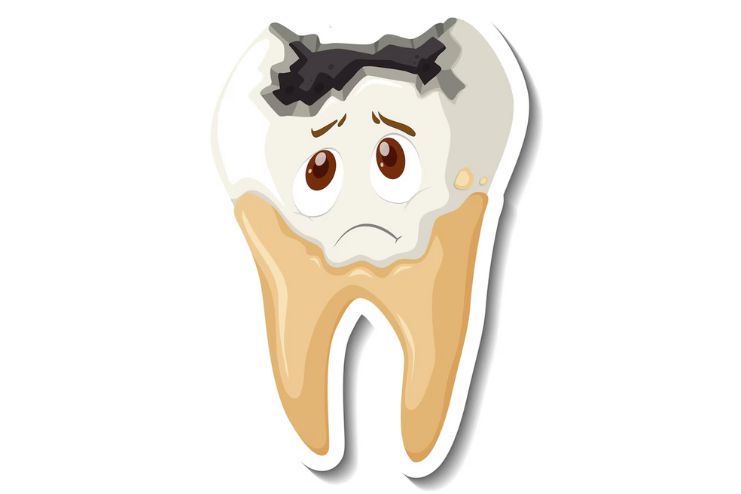
As mentioned earlier, the development of a hole in a tooth is known as a cavity. The process of cavity formation damages the entire structure of the tooth. It is essential to address the problem at its initial stage to prevent it from escalating and becoming more severe. There are several major causes and symptoms that you should always be aware of.
Causes of Cavities
The following are some of the major causes of cavities.
- Bacteria: When certain food particles get stuck between the teeth, they are converted into acids due to bacteria. This damages the tooth enamel and leads to cavities. These food products include carbohydrates, such as cereal, bread, candies, sodas, and cakes.
- Aging: Aging causes the widening of the distance between the teeth, which increases the risk of plaque formation.
- Dryness of Mouth: Dryness of the mouth can be a major cause of cavities, as saliva plays a key role in preventing plaque buildup and washing away food particles. This process is hindered when you have a dry mouth.
- Lack of Enamel: A lack of enamel or insufficient enamel, which helps cover the teeth, can also lead to the formation of cavities.
- Pattern of Teeth: If you have small teeth with deep grooves, you are at a higher risk of developing cavities. Plaque may accumulate in these deep grooves. This risk also applies to people with overlapping teeth.
Cavities, another name for tooth decay, are the most prevalent kind of chronic childhood disease in the US and the main reason why kids miss school, according to the Centers for Disease Control and Prevention (CDC).
Jeffrey Johnson, D.M.D., chair of the pediatric dentistry department at Virginia Commonwealth University School of Dentistry, says untreated cavities can significantly affect your child’s learning and overall health.
Also, Read: Best Oral Care Products for Healthier Teeth and Gums (Dentist-Approved Essentials)
Symptoms of Cavities
Although you may not notice any symptoms when a cavity first starts to develop, various major symptoms may appear as the condition progresses. Some of the major symptoms of cavities are as follows:
- Pain while consuming sweets
- Development of stains on teeth
- Pain while chewing solid foods
- Toothache
- Holes in the teeth
- Increased sensitivity of teeth
Natural Remedies to Get Rid of Cavities

Using some natural remedies may help provide relief from cavities and support oral health. However, these treatments are not medically proven. It is recommended to consult your doctor before using them and for proper diagnosis and treatment.
1. Clove
Clove is rich in anti-inflammatory, antibacterial, and analgesic properties (R). Due to this, clove is also an important ingredient in treating various kinds of dental issues. It is helpful in preventing cavities from spreading.
- Mix 2-3 drops of clove oil in ½ teaspoon of sesame seed oil and dilute properly.
- Take the mixture on a cotton ball.
- Place the cotton ball on the affected tooth.
- Repeat the process every night before going to bed.
- You can also chew a clove to extract its oil and then place the clove under your tongue for a few minutes.
2. Garlic
Garlic is rich in antibiotic and antibacterial properties (R) and is therefore highly recommended for cavities as well as tooth decay. In addition to strengthening gums and teeth, garlic offers relief from pain.
- Make a paste by crushing 1-4 cloves of garlic and mixing it with ½ teaspoon of rock salt.
- Apply it to the teeth with cavities and leave it for 10 minutes.
- Rinse with mouthwash.
- Use this method for a few weeks.
- Another method is to apply garlic oil directly to the affected tooth.
- You can also chew raw garlic for better results.
3. Turmeric
The antibacterial and anti-inflammatory properties of turmeric make it a valuable remedy for alleviating pain associated with cavities in Ayurveda. Along with preventing bacterial infections, it also helps in avoiding tooth decay.
- After applying turmeric powder to the affected teeth, leave it for a few minutes and rinse well with water.
- You can also use a paste of turmeric powder mixed with mustard oil.
- Do not forget to apply it to your teeth and leave it for 10 minutes before rinsing.
4. Salt
Salt contains both antibacterial and antiseptic properties (R). It reduces inflammation and provides relief from pain. It also helps in removing infection as well as the growth of bacteria in the mouth.
- Mix a teaspoon of salt in water and mix well.
- Swish this mixture in your mouth.
- Concentrate more on the affected tooth.
- Repeat this remedy around three times every day.
- You can also mix ½ teaspoon of salt with lemon juice or mustard oil and then massage your teeth gently with it for a few minutes.
- Gargle well with the help of warm water.
- Using it twice a day helps eliminate bacteria.
5. Licorice
Various scientific studies have recommended using licorice roots to strengthen your teeth (R). Licorice roots are rich in essential substances, including licoricidin and licorisoflavan A. These two compounds play a key role in preventing the growth of harmful bacteria that may cause cavities. Additionally, licorice also helps reduce plaque.
- Brush your teeth regularly with the help of dried licorice root powder.
- You may also use a stick of licorice to brush your teeth every day.
6. Oil Pulling
It is a traditional remedy to reduce cavities and tooth pain. Oil pulling is also helpful for bleeding gums and bad breath. It eliminates harmful bacteria from the mouth, which can cause various dental problems.
- Take a tablespoon of sesame oil in your mouth.
- Gently swish it for 20 minutes.
- Avoid swallowing or gargling with it, and spit it out.
- Use warm salt water to rinse your mouth well.
- Then, brush your teeth normally.
- Use this process regularly in the morning on an empty stomach.
- If sesame oil is not available, you can also use sunflower or coconut oil.
7. Indian Gooseberry or Amla
Amla, also known as Indian gooseberry, is highly beneficial in treating cavities. It is high in vitamin C as well as antioxidants and therefore works well in fighting harmful bacteria and infections. Amla also helps boost healing and the development of connective tissues, which benefits the gums. Amla is also beneficial in eliminating bad breath and cleansing the entire mouth.
- You can consume an amla daily.
- Mix ½ teaspoon of dried amla powder with ½ glass of water and drink it daily.
- Consult with your doctor before consuming amla pills if fresh amla or amla powder is not available.
Conclusion
It is essential to visit a dentist once or twice a year to prevent cavities, as it allows the dental professional to diagnose, treat, and address more severe ones.
Meanwhile, natural treatments, such as oil pulling or garlic, can help reduce symptoms; however, they should be used in conjunction with professional dental services. Clove, garlic, turmeric, salt, licorice, oil pulling, and Indian gooseberry are several remedies with antiseptic and healing effects.
Research has not proven the effectiveness of these treatments. It is best to consult your dentist promptly for a proper diagnosis and treatment.
Maintaining optimal oral health—the habit of brushing your teeth, following a controlled diet, and undergoing regular dental checkups—can prevent cavities and ultimately lead to long-term oral health.
In this Article