

















Your mouth can reveal more about your health than you might think. Many people brush and floss to prevent cavities or bad breath, but the effects of oral care extend far beyond the teeth and gums.
The mouth naturally contains many bacteria, most of which are harmless when oral hygiene is good. However, when brushing and flossing are neglected, harmful bacteria can grow, leading to gum disease, infections, and inflammation. These bacteria may enter the bloodstream and travel to other parts of the body.
This relationship, known as the mouth-body connection, is why taking care of your teeth and gums is not just about a bright smile, but an important step in protecting your heart, lungs, brain, and immune system.
- Bacteria and inflammation from gum disease can enter the bloodstream and affect organs throughout the body.
- Poor oral hygiene is linked to heart disease, diabetes complications, respiratory infections, and more.
- Simple daily habits can protect your long-term health.
What Is the Mouth-Body Connection?
The mouth is one of the body’s main entry points, hosting a complex ecosystem called the oral microbiome. Scientists estimate there are more than 700 species of bacteria living on the tongue, gums, teeth, and in saliva.
Many of these microbes are beneficial. They support digestion, protect tooth enamel, and keep harmful bacteria in check.
When oral hygiene is poor, this balance breaks down. Harmful bacteria multiply, and the gum tissue becomes inflamed and vulnerable. As Dr. Anna Vishart, DDS, explains, “When gum disease or periodontitis develops, bacteria and germs can pass through the mouth’s systemic tissues, enter your bloodstream, and trigger illnesses and diseases in your body.”
Once in the bloodstream, these bacteria and inflammatory substances can reach and affect other organs, which is why oral health and overall health are so closely linked.
Read More: Tongue Scraping: An Ayurvedic Practice for Detox & Oral Health
Conditions Linked to Poor Oral Health

Heart Disease
Researchers have found a strong link between gum disease and heart disease. When periodontal disease develops, the gums become inflamed and infected. This infection can allow bacteria to enter the bloodstream and reach the arteries.
The resulting chronic inflammation may contribute to the hardening of arteries through the buildup of thick plaques in blood vessel walls, a condition called atherosclerosis.
Research has found that these atherosclerotic plaques in patients who have both gum disease and cardiovascular disease frequently harbor bacteria originating in the oral cavity, suggesting a direct biological pathway between the two conditions. This increases the risk of heart attacks and strokes.
Diabetes
There is a well-established two-way relationship between diabetes and gum health. People with diabetes are more likely to develop gum disease because high blood sugar levels can weaken the immune system and make it harder to fight infections, including gum infections.
At the same time, severe gum disease can make it more difficult for the body to control blood sugar levels. Type 2 Diabetes is a disease caused by insulin resistance, and the major cause of insulin resistance is inflammation. Chronic inflammation caused by gum infections may therefore reduce insulin effectiveness, worsening diabetes symptoms.
Pregnancy Complications
Poor oral hygiene during pregnancy may lead to serious complications. Studies show that inflammation from poor oral hygiene and gum infections may be linked to preterm birth, low birth weight, and preeclampsia, as harmful bacteria and inflammatory chemicals can travel through the mother’s bloodstream into the placental circulation.
Dr. Tanvi Kapadia, DDS, a dentist who practices in Arlington, MA, says, “Periodontal disease can increase the risk of pre-eclampsia and exacerbate its progression in pregnant women.“
Respiratory Infections
The mouth can also influence lung health. Harmful bacteria from infected gums or tooth infections may be inhaled into the lungs, posing health risks. This can contribute to respiratory problems such as pneumonia or worsen conditions like chronic obstructive pulmonary disease (COPD).
Cognitive and Neurological Health
Scientists are exploring possible links between gum disease and brain health. Some studies suggest that bacteria and inflammatory molecules associated with gum infections may travel to the brain through the bloodstream.
Over time, this chronic inflammation may contribute to neurological conditions such as Alzheimer’s disease. Research is still ongoing, but findings point to oral care as an important factor in long-term cognitive health.
“The bottom line is that periodontal disease is a low-grade chronic infection in your body. And we know that any chronic inflammation has a profound negative effect on many organs and systems over the long term in so many different ways.
Just seeing your dentist regularly and screening for any oral issues is therefore important for not just maintaining your dental health, but your overall health.”
Read More: Oral Health Matters: Unique Practices for National Dental Hygiene Month
Signs Your Oral Health May Be Affecting Your Body

Because oral and overall health are so closely connected, certain symptoms may signal that a gum infection or oral issue is influencing your well-being beyond the mouth:
- Bleeding gums: Frequent bleeding while brushing or flossing is often an early sign of periodontal disease. Left untreated, bacteria not only affect the health of the jawbone surrounding your teeth, but also can enter the bloodstream through inflamed gum tissue.
- Persistent bad breath: Chronic halitosis can indicate a buildup of bacteria related to gum disease or a hidden tooth infection.
- Tooth sensitivity: This usually signals enamel damage due to wear or erosion of teeth, or due to gum recession.
- Loose teeth: Loose teeth are a sign of advanced periodontal disease. Weakening and gradual loss of the jawbone and structures that support your teeth cause the teeth to become loose and eventually be lost due to gum disease.
- Fatigue, joint pain, or recurring infections: Chronic oral infections may strain the immune system. As the body constantly fights bacteria, people may experience fatigue, joint discomfort, or frequent infections. This reflects the strong relationship between dental health and immune system function.
- Unexplained blood sugar changes or cardiovascular symptoms: Research shows strong connections between oral infections and both blood sugar control and cardiovascular health.
Read More: 14 Best Oral Health Foods – Take Care of Your Pearly Whites
How to Protect Both Mouth and Body

The good news is that protecting your oral health does not require major lifestyle changes. A few consistent habits make a significant difference.
Practice daily dental hygiene. Brush at least twice a day with fluoride toothpaste and floss once daily to remove plaque from areas a toothbrush cannot reach. Using an antimicrobial mouthwash can further reduce harmful bacteria that may be hiding in other tissues in the mouth besides the teeth.
Schedule regular dental visits. Professional cleanings remove hardened tartar that daily brushing cannot eliminate, and routine checkups allow dentists to catch early signs of gum disease or infection before they progress.
Eat a mouth-healthy diet. Limiting sugary or processed foods and drinks helps prevent tooth decay and gum disease. Fiber-rich foods like fruits, vegetables, and whole grains support healthy gums and teeth, while staying hydrated helps rinse away bacteria. Foods such as leafy greens and fermented foods may also support a healthy oral microbiome.
Manage inflammation. Stress, poor sleep, and unmanaged health conditions can weaken the immune system, making oral infections more likely. Getting adequate rest, managing stress, and keeping chronic conditions like diabetes under control all support both oral and overall health. That’s the two-way mouth and body connection.
Read More: 14 Natural Remedies For Receding Gums For A Better Oral Health
When to See a Dentist (and a Doctor)
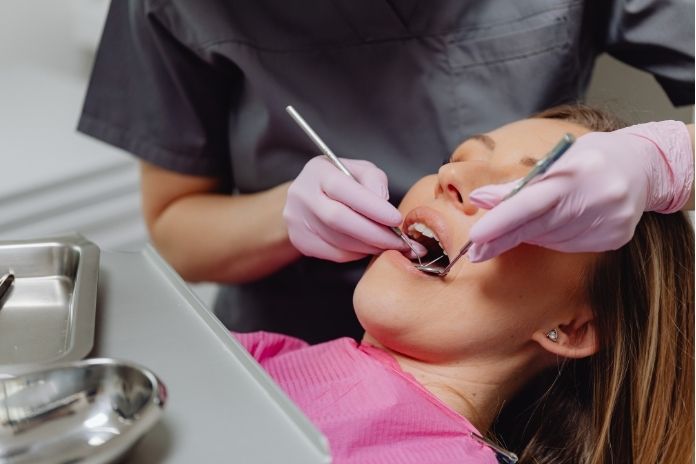
Dr. Kapadia says, “Early periodontal disease often does not have any acute symptoms or pain. So most patients are usually unaware of any gum issues that they may have. Regular dental checkups help screen for this. The earlier the issue is diagnosed and treated, the better the long-term results for your teeth, and in turn, the fewer chances of the chronic inflammation affecting your body.”
If you experience persistent gum bleeding, swelling, or tenderness, ongoing mouth pain, loose teeth, or sores that do not heal, do not wait to seek care. These may be signs of infection or advanced gum disease that require professional treatment.
If you are managing a chronic condition such as diabetes, heart disease, or an autoimmune disorder, consider keeping both your dentist and your doctor informed.
These conditions can affect oral health, and oral infections can make them harder to control. Coordinating care between both providers can help prevent complications on both sides.
Read More: 8 Oral Symptoms That Could Signal Serious Health Problems — From Diabetes to Heart Disease
Your Mouth Is a Mirror of Your Health
The mouth-body connection makes clear that oral health is not separate from overall health. Bacteria and inflammation that begin in the mouth can affect the heart, lungs, brain, and more.
Simple daily habits like brushing, flossing, eating well, and seeing your dentist regularly are not just good for your smile. They are an investment in your whole body.
Read More: Strategies to Transform Your Oral Health

About the Reviewer: Dr. Tanvi Kapadia, DDS
Dr. Tanvi Kapadia is a general dentist with a focus on preventive and esthetic dentistry. She earned her Doctor of Dental Surgery degree from New York University College of Dentistry and leads clinical care at Elevate Dentistry in Arlington, Massachusetts, where she provides comprehensive dental services.
Read more →References
- Mayo Clinic. Oral health: A window to your overall health.
- Harvard School of Dental Medicine. Understanding the connection between gum disease and diabetes.
- PMC/NIH. Oral health and pregnancy outcomes.
- Texas Health. Beyond cavities: How poor oral health impacts your whole body.
- Vishart, A. DDS. Mouth-Body Connection.
- Fu, D. et al. (2025). Connection between oral health and chronic diseases. MedComm, 6(1), e70052.
- World Health Organization. Oral health.
In this Article