













Men frequently experience changes in their energy levels, sexual health, mood, and physical performance as they age. It can be challenging to distinguish whether these changes are normal aging in men or an indication of a medical disease like low testosterone in men, because many of these changes can coincide with the symptoms of low testosterone.
A delayed diagnosis or needless therapies are frequently the result of this misconception. This article will compare low testosterone vs aging, explain how testosterone fluctuates over time, highlight the main distinctions between the two, go over signs of low testosterone, and explain when and how to get a medical evaluation.
- Testosterone naturally declines by 1% annually after age 30, causing subtle, manageable changes in energy and metabolism.
- Sudden, severe drops in libido, chronic depression, and rapid muscle loss point to clinical low testosterone, not just normal aging.
- Diagnosis requires a morning blood test (under 300 ng/dL). Treatment combines lifestyle shifts like weightlifting with targeted medical therapies.
Read More: Signs of Low Testosterone That Go Beyond Muscle Loss or Low Libido
Why Low Testosterone and Normal Aging Are Often Confused
Testosterone levels normally decrease as we enter our 30s, 40s, and beyond; by age 30, they usually drop by 1% annually. Similar to menopause in women, this is a slow process known as andropause in men.
It may be quite challenging for men to determine whether to treat their symptoms seriously and when to accept them as a part of life because low testosterone and natural aging have a surprising number of overlapping symptoms.
The distinction is important because aging vs low testosterone is more than a philosophical debate. It’s a medical issue, and the solution could significantly alter your mood and functioning.
Normal Aging: Men are not immune to the effects of aging, which affect all bodily systems. A helpful baseline for comparison can be established by knowing what typical age-related changes look like.
The following are typical indicators of aging:
- Slower rate of metabolism
- Reduced muscle mass
- More fat on the body
- A slight decrease in energy
Low Testosterone: When the testes do not generate enough testosterone to sustain normal function, it is known as hypogonadism. Although testosterone normally decreases with age, clinical low testosterone is caused by factors other than aging.
The following are typical indicators of low testosterone:
- A sharp decline in libido
- Continuous sadness or depression that cannot be explained
- Substantial decrease in muscle mass despite consistent training
- Rapid or inexplicable build-up of fat
- Brain fog that makes it difficult to do everyday tasks or work
What Happens During Normal Aging in Men?
Although growing older is a normal part of life, it brings many changes and difficulties, especially for men approaching midlife. Men can retain a high quality of life as they age by being aware of these changes and taking care of prevalent health issues.
Modifications in Metabolism
- Reduced metabolism
- Increased accumulation of fat
- Insulin resistance
Modifications in Hormones
- Decline in testosterone
- Andropause
- Changes in growth hormone
Physical Health and Energy Levels
- Reduced stamina
- Loss of muscle
- Bone health
Cognitive Function and Mental Health
- Cognitive decline and memory
- Issues related to mental health
Heart Health
- Heart disease risk is higher
- Monitoring is important
Changes brought on by aging are often slow, steady, and controllable. They don’t seriously interfere with day-to-day activities or general well-being.
What Is Low Testosterone?
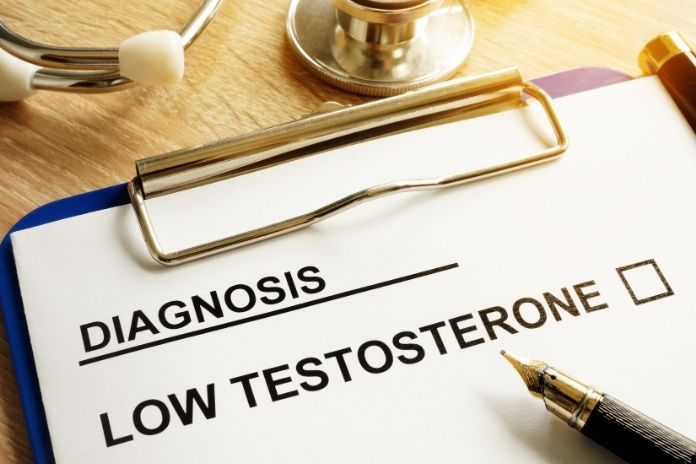
The hormone testosterone is in charge of numerous vital processes, such as the growth of bones and muscles, the control of emotions, the generation of red blood cells, sex drive, and sperm. Testosterone levels in individuals with testes rise sharply during adolescence but progressively decline in mid-adulthood as they age.
After age 30, testosterone levels typically drop by 1% annually. The majority have normal testosterone levels. However, 30% of men will be considered to have low testosterone by the age of 70, and that number rises to 50% by the age of 80.
Low testosterone can also affect young people; according to one study, 20% of adults between the ages of 15 and 39 had a testosterone shortage. There are several ways to classify low testosterone:
- The testes’ inability to respond to the chemicals released by the brain that trigger testosterone synthesis is known as primary low testosterone.
- Secondary low testosterone is caused by issues with the pituitary gland and hypothalamus, two parts of the brain that generate the hormones that cause the synthesis of testosterone.
- A combination of issues with the brain and the testes can occasionally bring on low testosterone.
Read More: Estrogen, Progesterone, and Testosterone: What Every Woman Needs to Know About Her Own Hormones
Signs That May Point to Low Testosterone Rather Than Normal Aging
Certain symptoms, like the following, are more likely or directly associated with low testosterone:
- Decreased desire for sex
- Diminished erectile function
- Body hair loss
- Less growth of the beard
- Reduction in lean muscular mass
- Always feeling exhausted (fatigue)
- Being overweight is called obesity
- Signs of depression
Symptoms That Can Occur in Both Aging and Low Testosterone
Low testosterone vs. aging share several symptoms, such as:
Reduced Energy: Mild fatigue is common in aging, but severe fatigue may indicate low testosterone symptoms by age.
Irritability and Mood Swings: It can be challenging to distinguish between the two without testing, as both affect mood.
Weight Gain and Increasing Body Fat: Both aging and testosterone deficiency can cause metabolic changes.
Decreased Exercise Performance: In both situations, there may be a drop in strength and stamina.
Changes in Sleep Quality: Sleep disorders can mimic symptoms and affect testosterone levels.
Other Health Conditions That Can Mimic Low Testosterone

Although low testosterone diagnoses are becoming more prevalent, there are other possible causes for your symptoms. Additionally, these symptoms may indicate several medical disorders. The following conditions can mimic symptoms of low testosterone:
- Either sleep apnea or poor sleep quality
- Prolonged stress can affect your hormones
- Lack of exercise
- Hypothyroidism is another name for an underactive thyroid
- Obesity
- Inadequacies in certain vitamins, such as B12 and D
- Diabetes
- Heart condition
- Erectile dysfunction
“The tricky part about low testosterone is that its symptoms can look like a lot of other health issues,” says Dr. Fahad Chaus, a urologist at Advocate Health Care. He adds, “It’s important to test for low testosterone. However, before jumping into testing and treatment, we recommend patients first focus on addressing other health problems and lifestyle habits.”
Read More: Does Lifting Weights Boost Testosterone? Here’s What Research Shows
When Should You Get Your Testosterone Levels Checked?
Testosterone significantly influences energy, mood, bone strength, muscular mass, and sexual health. Levels naturally decrease with age, particularly in men, but occasionally the decline is large enough to produce symptoms.
Additional indicators that you should discuss testosterone insufficiency with your doctor include:
- Notable variations in libido
- Persistent and inexplicable exhaustion or low energy
- A diagnosis of pituitary conditions, severe chronic obstructive pulmonary disease (COPD), or diabetes
- A history of using heavy doses of steroids
Testosterone should be tested between 7 and 10 AM for the most reliable results. If you have symptoms such as low libido, exhaustion, erectile dysfunction, or muscle loss, you should confirm any low numbers with another early morning test; routine screening without symptoms is not advised.
How Doctors Diagnose Low Testosterone
The amount of circulating testosterone in a person is measured by a blood test known as a serum testosterone test. T levels are at their peak in the morning, which is when the test is typically conducted. When the hormone level is less than 300 ng/dL, low testosterone is typically diagnosed.
Additional testing might be necessary. To look for indications of prostate cancer, a urologist may also do a PSA (prostate-specific antigen) blood test. To maintain a baseline record of red blood cell counts, which can increase after taking testosterone, they may also assess the body’s hematocrit.
A urologist can give and interpret these tests to determine whether medication is necessary and whether any underlying illnesses, health problems, or lifestyle choices are impacting testosterone production.
If Testosterone Is Low, What Are the Treatment Options?
Low testosterone can be managed in several ways. The best ways to treat low testosterone are listed here:
Exercise: It may be advantageous because it can boost energy and muscle mass, as well as enhance overall health and well-being. The best workouts for boosting testosterone, both temporarily and permanently, are weightlifting and other forms of resistance training.
Weight Loss: Low testosterone is associated with obesity. Low testosterone is more common in men who are overweight or obese. If people lose weight, they could feel better and have more energy.
Testosterone Replacement Therapy: Due to a problem with the testicles or the pituitary gland, which regulates the testicles, hypogonadism reduces the production of testosterone. For these men, testosterone replacement therapy can help restore testosterone levels, alleviate symptoms, and support general health and well-being. Injections, pellets, patches, or gels can all be used in hormone replacement treatment.
Can Healthy Lifestyle Habits Help Preserve Testosterone as You Age?

To maintain testosterone levels in aging men and prevent age-related testosterone decline, adopting healthy practices is crucial. Maintaining a healthy weight promotes improved metabolic health, and regular resistance training helps maintain muscle mass and may aid low testosterone in men.
Making good sleep a priority is crucial since inadequate sleep may lead to hormonal imbalances and sleep disorders. The management of long-term illnesses, including diabetes and heart disease, also aids hormone stability. To properly maintain long-term hormone health, it is crucial to steer clear of unproven substances and concentrate on evidence-based methods.
Read More: Prenatal Testosterone To Be A Degrading Factor For The Female Twin, New Study Suggests
Conclusion
Making informed health decisions will require understanding the distinction between low testosterone vs aging. Persistent symptoms such as decreased libido, fatigue, and muscle loss may indicate low testosterone in men rather than normal aging, even if some physical and emotional changes are typical of aging.
Age alone can be deceptive, which is why appropriate medical assessment and testing are very crucial. Men can take proactive steps to enhance their overall well-being by identifying key symptoms early and consulting a professional.
References
- Abe, Y. Male Hypogonadism: How Doctors Diagnose Low Testosterone vs. Normal Aging.
- Invite Wellness Health. Is It Low Testosterone or Just Getting Older? How to Tell the Difference.
- Tier1 Health & Wellness. Low testosterone vs. normal aging: How to tell the difference.
- Urology Associates. Low testosterone.
- Tampa General Hospital. Low testosterone: Signs and symptoms.
- Emily Knapp. Conditions that mimic low testosterone.
- Ubie Health. When Should You Get Your T Levels Tested? A Guide to Accurate Results.
- Samantha Malott. (November 1, 2024). Low testosterone: Do you need testing?
In this Article