











Most people associate hormones primarily with periods, fertility, or menopause. The reality is considerably broader and more clinically important than that framing suggests. Hormones are the body’s chemical messaging system, and they don’t confine their influence to the reproductive system.
How hormones affect the body extends to bone density, cognitive performance, cardiovascular function, tear production, hair follicle cycling, and gut motility. Understanding these connections matters for practical reasons. When hormonal changes occur during perimenopause, postpartum recovery, or as a result of a thyroid condition, symptoms can appear across multiple organ systems simultaneously.
A female experiencing joint stiffness, foggy thinking, thinning hair, and digestive changes at the same time isn’t dealing with four separate problems. They may be responding to a single hormonal shift that’s expressing itself through multiple physiological pathways. This article examines how hormones affect the body from head to gut, what the research currently supports, and what warrants medical evaluation.
- Hormones regulate far more than reproduction, influencing bone strength, brain function, cardiovascular health, vision, hair growth, digestion, metabolism, and mood.
- Hormonal transitions, especially menopause, can affect multiple body systems at once, contributing to symptoms such as bone loss, brain fog, dry eyes, hair thinning, digestive changes, and increased cardiovascular risk.
- Lifestyle factors, including regular exercise, a nutrient-dense diet, quality sleep, stress management, and preventive health screenings, play a major role in supporting hormonal and overall health.
- Persistent changes in cognition, mood, hair, vision, digestion, or cardiovascular health should be evaluated, as they may reflect hormonal shifts, underlying medical conditions, or both.
Read More: Stiff Every Morning? Here’s the Real Reason and a 5-Minute Routine to Loosen Up Fast
What Are Hormones and Why Do They Affect So Many Parts of the Body?
Hormones are chemical messengers produced by glands and released into the bloodstream, where they regulate functions throughout the body. The endocrine system works in a constant feedback loop with the brain, particularly the hypothalamus and pituitary gland, to monitor hormone levels and adjust production as needed.
Because hormone receptors are found in nearly every tissue, changes in hormone levels can trigger effects far beyond their primary targets. As a result, hormonal imbalances often cause broad, seemingly unrelated symptoms that are difficult to trace to a single source.
Estrogen is one of the most studied hormones, influencing bone, brain, cardiovascular, and skin health. Progesterone balances estrogen and is essential for menstrual cycles and pregnancy. Testosterone, though present in smaller amounts in women, supports libido, muscle mass, bone density, and mood.
Other hormones have similarly wide-ranging effects. Thyroid hormones regulate metabolism and influence the skin, hair, digestive system, and heart. Insulin controls blood sugar and affects cardiovascular health and inflammation. Cortisol, the body’s primary stress hormone, helps regulate immune function, sleep, bone turnover, and digestion.
Hormonal changes are a normal part of life. Puberty initiates reproductive hormone production, while pregnancy and the postpartum period bring major shifts in estrogen, progesterone, prolactin, and thyroid hormones.
Perimenopause, which often begins in the mid-40s, is marked by fluctuating estrogen levels before menopause. Conditions such as thyroid disorders, polycystic ovary syndrome (PCOS), adrenal dysfunction, and age-related changes can also alter hormone levels and affect health across multiple body systems.
Read More: 7 Everyday Products That May Be Disrupting Your Hormones
How Hormones Affect Bone Health
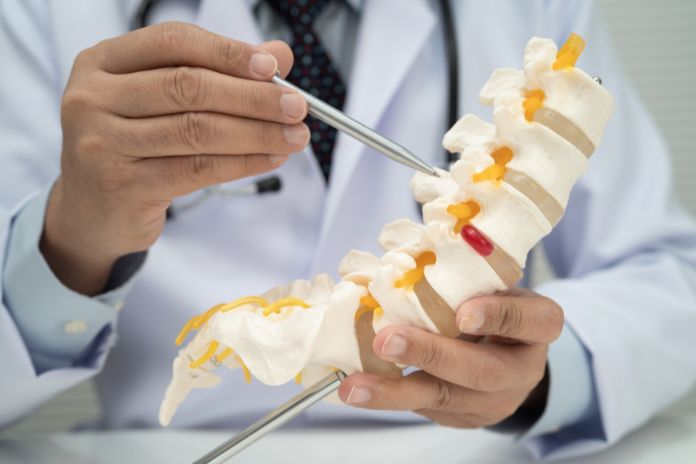
Bone is a living tissue that constantly remodels itself through the opposing actions of osteoclasts, which break down old bone, and osteoblasts, which build new bone. Estrogen helps maintain this balance by suppressing osteoclast activity and limiting bone resorption.
When estrogen levels are adequate, bone breakdown and formation remain relatively balanced, preserving bone density. This is why menopause has such a profound effect on skeletal health. As estrogen levels decline, bone turnover accelerates, and resorption outpaces formation, leading to rapid bone loss.
The first years after menopause are associated with the steepest decline in bone mineral density. A landmark study in the New England Journal of Medicine found that women not using hormone therapy lost approximately 1-2% of bone mass annually during the first decade after menopause, significantly increasing the risk of osteopenia and osteoporosis.
By age 50, a woman’s lifetime risk of fracture is estimated at roughly 50%. Bone loss is often silent until a fracture occurs. Warning signs can include loss of height, fractures from minor injuries, and progressive spinal curvature such as thoracic kyphosis.
Prevention focuses on preserving bone mass through regular weight-bearing exercise, including walking and resistance training, along with adequate calcium (1,200 mg daily for postmenopausal women) and vitamin D (800–1,000 IU daily). Bone density screening with DEXA is recommended beginning at age 65 or earlier for women with significant risk factors such as early menopause.
How Hormones Influence Brain Function and Mental Well-Being
Estrogen receptors are found throughout the brain, particularly in the hippocampus and prefrontal cortex, where they support memory, executive function, emotional regulation, and cognitive processing. Estrogen promotes synaptic plasticity, increases cerebral blood flow, and influences key neurotransmitters, including serotonin, dopamine, and acetylcholine.
As hormone levels fluctuate, many women experience changes in memory, concentration, processing speed, and verbal recall. These symptoms are especially common during perimenopause, when estrogen and progesterone levels become increasingly unpredictable.
Declining estrogen can reduce serotonin activity, contributing to low mood, anxiety, and irritability, while fluctuations in progesterone may disrupt the calming effects of its metabolite, allopregnanolone. Brain fog, characterized by forgetfulness, word-finding difficulties, and impaired concentration, is a common feature of the menopausal transition.
A large longitudinal study from the SWAN cohort found that verbal learning and memory declined during the menopausal transition but generally rebounded after menopause, suggesting that many cognitive changes may be temporary and improve as hormone levels stabilize.
Dr. Lisa Mosconi, PhD, director of the Women’s Brain Initiative at Weill Cornell Medicine, has argued that menopause should be viewed as a neurological as well as a reproductive transition. Her neuroimaging research has demonstrated measurable changes in brain structure, connectivity, estrogen signaling, and energy metabolism during the menopause transition, years before cognitive decline would typically be assessed clinically.
While brain fog is often temporary, persistent or worsening cognitive symptoms warrant evaluation for conditions such as thyroid disease, sleep apnea, depression, or neurodegenerative disorders.
How Hormones Affect Heart and Blood Vessel Health
Premenopausal women generally have lower rates of cardiovascular disease than age-matched men, largely due to estrogen’s protective effects on the vascular system. Estrogen supports endothelial function and vasodilation through nitric oxide production, improves lipid profiles, and helps reduce vascular inflammation.
As estrogen declines during menopause, cardiovascular risk rises. LDL cholesterol increases, blood pressure often climbs, and visceral fat accumulation accelerates.
A longitudinal study from the SWAN Heart cohort found that arterial stiffness accelerated significantly during the menopausal transition, independent of chronological aging and traditional cardiovascular risk factors, suggesting that menopause itself contributes to worsening cardiovascular health.
Risk is further amplified by smoking, diabetes, obesity, physical inactivity, and early menopause. A heart-healthy lifestyle, including regular exercise and a diet rich in vegetables, whole grains, legumes, and unsaturated fats, can help mitigate these changes. Routine blood pressure checks and periodic lipid screening remain important throughout the menopausal transition.
How Hormonal Changes Can Affect Your Eyes
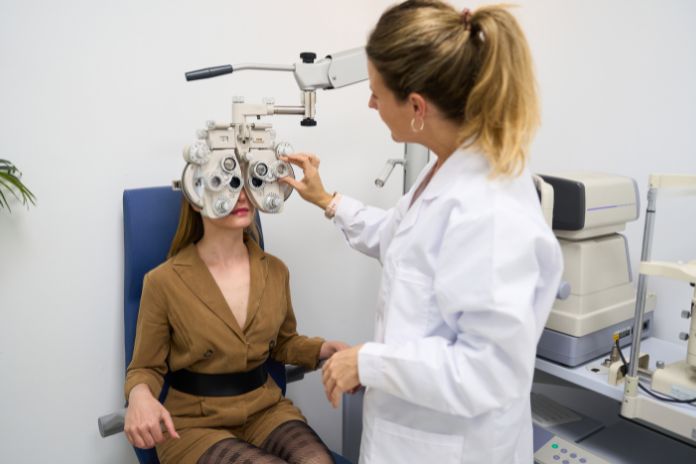
Hormone receptors for estrogen, progesterone, and androgens are found throughout the lacrimal glands, meibomian glands, and ocular surface, where they help regulate tear production and stability. As hormone levels change, particularly during menopause, dry eye symptoms become more common.
Androgens appear especially important for meibomian gland function. Declining androgen levels can reduce the oily layer of the tear film, increasing evaporation and eye discomfort.
Dr. Reza Dana, MD, director of the Cornea and Refractive Surgery Service at Massachusetts Eye and Ear, has contributed to a body of research demonstrating that sex hormones play a central role in regulating the ocular surface and lacrimal functional unit.
Hormonal changes, particularly those associated with menopause, are recognized as important contributors to the development of dry eye disease in women. Estrogen’s role is more complex and, in some cases, may worsen dry eye symptoms, which helps explain why hormone therapy does not consistently improve ocular complaints.
Some women also report temporary blurry vision during hormonal fluctuations, though persistent vision changes, new floaters, or sudden visual disturbances should always be evaluated promptly.
First-line treatment includes regular use of preservative-free artificial tears, along with measures such as reducing screen time, using humidifiers, and optimizing environmental conditions. An ophthalmologist can determine whether prescription therapies or meibomian gland treatments are appropriate.
How Hormones Influence Hair Growth and Hair Loss
Hair growth follows a cycle of growth, regression, and rest, all of which are influenced by hormones. Estrogen helps keep hair in the growth phase longer, while excess androgens can shorten this phase and contribute to follicle miniaturization and thinning.
Many women experience diffuse hair thinning during menopause as estrogen declines and the androgen-to-estrogen ratio shifts. Thyroid disorders and conditions, such as PCOS, can also cause significant hair loss and should be considered before attributing changes solely to menopause.
Postpartum hair shedding, or telogen effluvium, is another common hormone-driven condition that typically resolves as hormone levels stabilize. Excessive shedding, crown thinning, or noticeable changes in hair texture may warrant evaluation. Initial testing often includes thyroid function (TSH), ferritin levels, and, when appropriate, androgen studies.
The most effective treatment targets the underlying cause. Topical minoxidil has proven benefit for female-pattern hair loss, and correcting iron deficiency can improve hair growth when present. While cosmetic approaches may improve appearance, they do not address the underlying hormonal drivers.
How Hormones Affect Gut Health and Digestion
The gastrointestinal tract contains hormone receptors throughout its tissues, making gut function highly responsive to hormonal changes. Estrogen and progesterone influence gut motility, appetite, and intestinal permeability, which helps explain why many women experience bloating, constipation, or changes in bowel habits during the menstrual cycle, pregnancy, and menopause.
Hormonal fluctuations can alter the speed of digestion, contributing to constipation before menstruation and looser stools at the onset of bleeding. During perimenopause, these symptoms often become less predictable as hormone levels fluctuate more dramatically.
Bloating is especially common during hormonal transitions and may result from changes in gut motility, fluid retention, and shifts in the gut microbiome. Researchers are increasingly studying the relationship between estrogen and the gut microbiome, particularly the “estrobolome,” a group of gut bacteria that helps regulate estrogen metabolism and may influence circulating hormone levels.
A review published in the Journal of the Endocrine Society concluded that the gut microbiome plays a significant role in estrogen metabolism through the estrobolome, a collection of bacterial genes involved in estrogen processing. The authors noted that dysbiosis may alter estrogen homeostasis and contribute to estrogen-related conditions, highlighting a bidirectional relationship between gut health and hormone regulation that remains an active area of investigation.
Dr. Jolene Brighten, NMD, has emphasized the close relationship between gut health and hormone regulation, noting that the gut microbiome plays an important role in hormone production, metabolism, and elimination. She argues that addressing gut dysfunction is often a foundational step in supporting hormonal health, particularly in women with symptoms linked to estrogen imbalance.
A fiber-rich diet centered on fruits, vegetables, legumes, and whole foods supports gut motility and the microbial diversity involved in healthy estrogen metabolism. Regular physical activity further supports digestive function, while chronic stress can disrupt the gut barrier and alter the microbiome, making stress management an important component of both digestive and hormonal health.
Read More: Routine Beverage Mistakes That Could Hurt Your Gut and What to Do Instead
Symptoms That May Suggest Hormonal Changes Are Affecting Multiple Body Systems
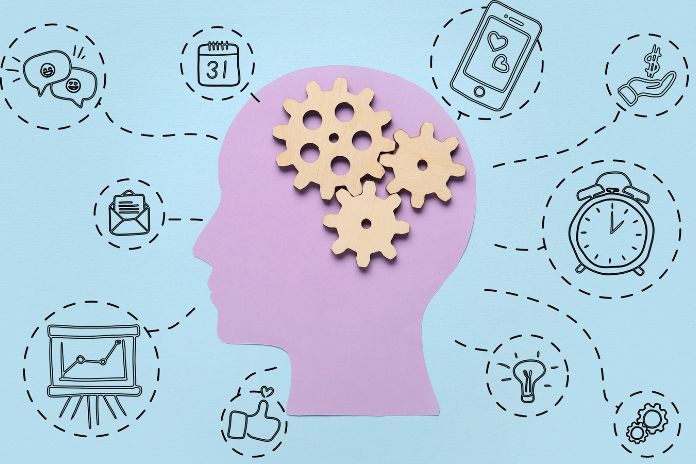
Hot flashes and night sweats are the most recognized symptoms of the menopausal transition but represent only one dimension of hormonal impact. Sleep disturbances, which often accompany hot flashes, compound cognitive and mood symptoms by impairing recovery and restorative processes.
Weight gain, particularly the accumulation of visceral adipose tissue around the abdomen, and hair thinning frequently coincide with declining estrogen and shifting metabolic hormones.
Mood fluctuations, increased reactivity to stress, difficulty with concentration or word recall, and a general sense of cognitive slowing are commonly reported during perimenopause and can precede obvious physical symptoms. These are not psychological responses to aging. They reflect genuine neurobiological changes driven by hormonal shifts.
Significant new changes in health or daily functioning, including cognitive symptoms that interfere with work, persistent mood disturbance, new cardiovascular symptoms, or hair loss that is distressing or rapidly progressing, warrant clinical evaluation. The goal of that evaluation is to identify which hormones are involved, to what degree, and which interventions are both evidence-supported and appropriate for an individual’s health history.
Can Hormone Therapy Help Protect Bones, Brain, Heart, Eyes, Hair, or Gut Health?
Menopausal hormone therapy (MHT) is FDA-approved for treating vasomotor symptoms, genitourinary syndrome of menopause, and preventing postmenopausal osteoporosis. Many women also report improvements in sleep, mood, and cognitive symptoms, though individual responses vary.
Its benefits for bone health are well established, with clinical trials showing preservation of bone mineral density and reduced fracture risk during treatment. Cardiovascular effects appear to depend on timing, with evidence suggesting that starting MHT closer to menopause may offer greater benefit than initiating treatment years later.
Research into MHT’s effects on cognitive function, eye health, gut health, and hair remains evolving. Because risks and benefits vary based on factors such as age, medical history, formulation, dose, and route of administration, decisions about MHT should be individualized and made in consultation with a healthcare provider.
Everyday Habits That Support Hormonal and Whole-Body Health
Lifestyle plays a central role in hormonal health. Regular aerobic and resistance exercise improves insulin sensitivity, supports bone health, preserves muscle mass, and helps regulate cortisol levels.
A diet rich in whole grains, vegetables, legumes, lean protein, and healthy fats supports cardiovascular health, weight management, gut function, and the nutrients required for hormone production and metabolism. Sleep is essential for hormonal regulation, cellular repair, and metabolic health.
Chronic sleep disruption can increase cortisol levels, impair insulin sensitivity, and worsen mood and cognitive function. Likewise, chronic stress can disrupt reproductive hormones, accelerate bone loss, and promote visceral fat accumulation. Preventive screening becomes increasingly important during hormonal transitions.
DEXA scans, mammograms, lipid panels, blood pressure checks, thyroid testing, and routine eye exams can help identify changes before symptoms develop. Smoking remains one of the most harmful modifiable risk factors, accelerating bone loss, increasing cardiovascular risk, and advancing menopause by an average of one to two years.
Read More: Your Hormones Might Be Out of Balance: Here’s How to Tell and Fix It
The Takeaway
How hormones affect the body is a question with answers that span from the hippocampus to the gut microbiome. Estrogen, progesterone, testosterone, thyroid hormones, insulin, and cortisol collectively regulate bone remodeling, neurological function, vascular integrity, tear film stability, hair follicle cycling, and digestive motility. When these hormones shift, the effects are rarely confined to a single system.
Women’s hormones and aging interact in ways that are increasingly well-understood and, in many cases, increasingly addressable. Recognizing the multi-system nature of hormonal changes helps women and their clinicians make better sense of symptom patterns that might otherwise seem disconnected.
Some effects, particularly on bone and cardiovascular health, have strong evidence bases and clear intervention pathways. Others, including gut-hormone interactions and cognitive protection, represent active areas of research where understanding continues to evolve.
What is certain is that hormonal changes are not simply reproductive events. They are whole-body transitions that deserve whole-body attention, proactive screening, and clinical conversations that go well beyond the most obvious symptoms.
References
- Baker, J. M., Al-Nakkash, L., & Herbst-Kralovetz, M. M. (2017). Estrogen-gut microbiome axis: Physiological and clinical implications. Journal of the Endocrine Society, 1(7), 832–847.
- Greendale, G. A., Wight, R. G., Huang, M. H., Avis, N., Gold, E. B., Joffe, H., Seeman, T., Vigen, C., & Karlamangla, A. S. (2009). Cognitive performance during the menopause transition: Results from the Study of Women’s Health Across the Nation (SWAN). Neurology, 72(21), 1850–1857.
- Mosconi, L., Berti, V., Dyke, J., Schelbaum, E., Jett, S., Loughlin, L., Jang, G., Rahman, A., Hristov, H., Pahlajani, S., Andrews, R., Matthews, D., Etingin, O., Ganzer, C., de Leon, M., Isaacson, R., & Brinton, R. D. (2021). Menopause impacts human brain structure, connectivity, energy metabolism, and amyloid-beta deposition. Scientific Reports, 11(1), Article 10867.
- Samargandy, S., Matthews, K. A., Brooks, M. M., Barinas-Mitchell, E., Magnani, J. W., Janssen, I., El Khoudary, S. R., & Thurston, R. C. (2020). Arterial stiffness accelerates within 1 year of the final menstrual period. Arteriosclerosis, Thrombosis, and Vascular Biology, 40(4), 1001–1008.
- Schaumberg, D. A., Sullivan, D. A., Dana, M. R., & the TFOS DEWS II Sex, Gender, and Hormones Subcommittee. (2017). TFOS DEWS II sex, gender, and hormones report. The Ocular Surface, 15(3), 284–333.
- Brighten, J. (n.d.). Why is a healthy gut microbiome important for hormone health? Dr. Jolene Brighten.
- Santoro, N. (2024). The menopause transition and cardiovascular disease risk: Implications for timing of early prevention. Circulation, 149(7), 523–535.
- University of California, Los Angeles Health. (2009, May 27). Menopause transition may cause trouble learning. UCLA Health.
In this Article