
















Picture someone in their late 40s who has just been told by their doctor that their blood pressure is creeping up and their cholesterol numbers are no longer ideal. No prescriptions yet, but the message is clear: something needs to change. They’re not ready for a gym membership, and running is off the table. What they can do, their doctor tells them, is walk.
Consistently, purposefully, and with a little more intention than a casual stroll to the mailbox. Walking for heart health is one of the most evidence-backed, underrated recommendations in preventive medicine. It requires no equipment, no athletic background, and no significant financial investment.
What it does require is consistency, and the research behind what that consistency can do for the cardiovascular system is genuinely compelling. This article covers what walking actually does for the heart, how much you need to do, and how to build a routine that sticks.
How Walking Benefits Heart Health
Walking is classified as moderate-intensity aerobic exercise, which means it challenges the heart and lungs enough to drive meaningful physiological adaptations without the joint stress or injury risk that comes with higher-impact activities. Regular walking produces several well-documented cardiovascular changes:
- The heart becomes more efficient.Cardiac output improves at rest and during exertion, and resting heart rate gradually declines as a marker of better cardiovascular fitness.
- Blood vessels adapt.Regular aerobic activity promotes endothelial function, which is the ability of blood vessel walls to dilate and regulate blood flow. Its deterioration is an early step in the development of coronary artery disease.
- Circulation improves.Walking supports healthy blood flow to the heart and peripheral tissues throughout the body.
Walking is low-impact and accessible across a wide range of ages and fitness levels, which is why cardiologists and primary care physicians recommend it so consistently. Unlike high-intensity exercise, it rarely causes injuries severe enough to force a prolonged break, so adherence is generally much better over time.
Practically speaking, the best exercise for heart disease prevention is the one a person will actually do for years, and walking wins that category for a large portion of the adult population.
A landmark analysis published in Arteriosclerosis, Thrombosis, and Vascular Biology followed over 33,000 runners and more than 15,000 walkers and found that walking reduced the risk of hypertension, high cholesterol, diabetes, and heart disease, comparable to running when the same energy expenditure was applied.
The key variable was not intensity but total energy output over time, a finding that firmly establishes walking as a legitimate cardiovascular intervention rather than a fallback for people who “can’t really exercise.”
Read More: The 6-6-6 Walking Routine: What It Is and How It Boosts Your Health
Key Heart Health Benefits of Walking Regularly
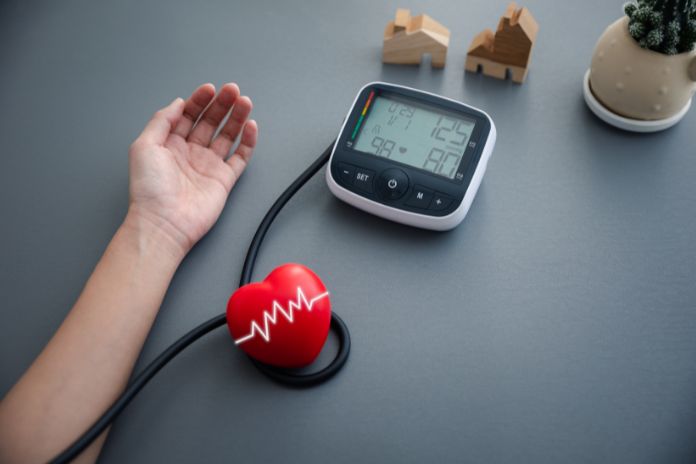
May Help Lower Blood Pressure
Elevated blood pressure is one of the most significant modifiable risk factors for cardiovascular disease, including heart attack and stroke. Regular moderate-intensity walking has been shown to reduce both systolic and diastolic blood pressure through multiple mechanisms, including reduced vascular resistance, improved endothelial function, and lower sympathetic nervous system activation.
A meta-analysis published in the Journal of Human Hypertension examined walking interventions across multiple studies and found consistent reductions in resting blood pressure in adults with hypertension. The effects were most pronounced in those who walked five or more days per week, and meaningful enough to reduce cardiovascular risk independently of other interventions.
Walking for blood pressure management works best when it’s habitual rather than sporadic, and when it’s sustained over weeks and months rather than treated as a short-term effort.
Can Improve Cholesterol Levels
Walking and cardiovascular health connect through lipid management as well. A meta-analysis published in the Journal of the American College of Sports Medicine found that regular walking produced significant reductions in LDL cholesterol and the total cholesterol-to-HDL ratio in adults.
Aerobic exercise, including brisk walking, is also associated with modest increases in HDL cholesterol and reductions in triglycerides. The effect on LDL cholesterol can vary and often depends on dietary habits alongside exercise.
Supports Healthy Weight Management
Excess body weight, particularly visceral fat, increases cardiovascular risk through multiple pathways, including elevated blood pressure, insulin resistance, dyslipidemia, and chronic low-grade inflammation. Walking contributes to a caloric deficit and, in combination with an appropriate diet, supports gradual and sustainable weight management.
Walking as part of a comprehensive lifestyle approach is more effective than walking alone when weight loss is the primary goal. Nutrition plays an equally important role. Balancing macronutrients effectively alongside a consistent walking habit creates a stronger foundation for managing weight and cardiovascular risk together.
May Improve Blood Sugar Control
Regular physical activity improves insulin sensitivity by promoting glucose uptake in skeletal muscle independent of insulin. For people with type 2 diabetes or prediabetes, this mechanism is clinically significant because improving insulin sensitivity directly reduces the chronic hyperglycemia that accelerates cardiovascular damage.
Even short walks after meals, specifically 10-to-15-minute post-meal walks, have shown meaningful effects on postprandial blood glucose in people with impaired glucose metabolism. A randomized crossover study published in Diabetologia found that walking for 10 minutes after each main meal produced significantly greater reductions in post-meal blood glucose than a single 30-minute daily walk, even though both approaches met physical activity guidelines.
The timing matters because muscle activity during the post-meal window reduces the blood sugar spike from food intake.
Helps Strengthen Overall Cardiovascular Fitness
Cardiorespiratory fitness, often measured as VO2 max or estimated through submaximal exercise testing, is one of the strongest independent predictors of cardiovascular and all-cause mortality. Regular walking improves cardiorespiratory fitness in previously sedentary individuals, even without dramatic intensity increases.
Better cardiovascular fitness translates practically into improved exercise tolerance, reduced fatigue with daily activities, and enhanced physical capacity for other forms of movement that also support heart health over time.
Walking also has a meaningful impact on psychological stress, which is a direct contributor to cardiovascular disease. Chronic stress raises cortisol levels, which in turn increases inflammation, elevates blood pressure, and accelerates vascular damage over time.
Research shows that regular moderate-intensity walking reduces baseline cortisol levels and blunts the body’s stress response, making it not just a physical cardiovascular intervention but a psychological one as well. This stress-reduction effect is an additional reason that a consistent walking habit supports long-term heart health in ways that go beyond the measurable improvements in blood pressure or cholesterol alone.
How Much Walking Is Recommended for Heart Health?
Adults should aim for 150 to 300 minutes of moderate-intensity aerobic activity each week, and brisk walking can fully meet this recommendation.
For most people, that means about 30 minutes of walking five days per week, though the activity can be divided into shorter sessions if needed. These guidelines come from the American Heart Association and are consistent with the Physical Activity Guidelines for Americans published by the U.S. Department of Health and Human Services.
Walking pace does matter, but it should be based on individual effort rather than a specific speed.
A brisk pace typically causes slightly heavier breathing and a mild increase in heart rate while still allowing conversation. This “talk test” is one of the simplest ways to gauge whether you’re working at the right level: if you can carry on a conversation but couldn’t comfortably sing, you’re likely in the moderate-intensity range.
For those who prefer numbers, the American Heart Association defines the target heart rate zone for exercise as 50 to 85 percent of your maximum heart rate. A rough estimate of your maximum heart rate is 220 minus your age.
So a 50-year-old has an estimated maximum heart rate of 170 bpm, which puts their target zone at roughly 85 to 145 beats per minute. For a brisk walk, you’d expect to land in the lower half of that range. Wearable fitness trackers make this easy to monitor in real time, but the talk test works just as well if you don’t have one.
Even a slower pace provides benefits, but brisk walking offers greater cardiovascular improvements.
When it comes to duration, research suggests that total weekly walking volume is more important than how it’s accumulated. Three 10-minute walks spread throughout the day can provide benefits similar to a single 30-minute session.
The most important factor is consistency. Regular walking performed week after week produces greater improvements in heart health than occasional long or intense walking sessions.
- Regular walking helps lower blood pressure, improve cholesterol levels, and reduce the risk of heart disease. It also strengthens the heart and improves overall cardiovascular fitness.
- Walking supports healthy weight management and better blood sugar control, making it especially beneficial for people with obesity, prediabetes, or type 2 diabetes.
- Most adults can achieve significant benefits with 150 minutes of moderate-intensity walking per week. Consistency matters more than occasional long or intense workouts.
- Adding brisk intervals, hills, or tracking daily activity can enhance results. Combining walking with healthy eating, quality sleep, and stress management provides the greatest heart health benefits.
How to Start a Walking Routine Safely
Starting a walking routine safely means beginning at a level that matches your current fitness. For beginners, 15 to 20 minutes of comfortable walking three to four times per week is often enough to build the habit. People with heart conditions, joint issues, or other chronic health concerns should consult a healthcare provider before starting.
A gradual approach works best. Focus on increasing walking duration first, aiming for a comfortable 20-to-30-minute walk before increasing pace. Adding a few minutes each week or incorporating short brisk-walking intervals can help improve fitness without increasing injury risk.
A simple beginner progression might look like this: walk 15 minutes at a comfortable pace three days per week for the first two weeks. In weeks three and four, extend each session to 20 minutes. By weeks five and six, aim for 25 to 30 minutes.
Once you can walk 30 minutes comfortably, begin adding one or two minutes of brisk walking into each session before returning to your normal pace. This approach builds endurance first and cardiovascular challenge second, which is the safest way to progress for most adults.
The walking environment also influences consistency. Sidewalks, parks, trails, and indoor tracks are all suitable options, and occasionally changing routes can make walks more enjoyable. Comfortable, supportive walking shoes are essential, while weather-appropriate clothing, hydration, and visibility gear help keep walking safe and sustainable year-round.
Read More: How Just 10 Minutes of Walking After Meals Can Transform Your Health
Walking for Heart Health at Different Ages and Fitness Levels

Walking for Young and Middle-Aged Adults
For adults in their 20s through 50s, regular walking builds cardiovascular fitness and establishes lifestyle habits that compound in benefit over decades. The preventive value is substantial. Heart disease develops over years, not overnight, and the protective effects of consistent aerobic activity accumulate long before clinical symptoms emerge.
Establishing a walking routine during midlife also creates a physical activity foundation that makes it much easier to maintain activity into older age, when the cardiovascular benefits become even more consequential.
Walking for Older Adults
For adults over 60, walking for cardiovascular fitness intersects with preserving functional independence, bone density, balance, and muscle mass. The cardiovascular benefits remain fully accessible, and walking’s low-impact nature makes it one of the safest aerobic options for people managing arthritis, osteoporosis, or other age-related physical limitations.
A large meta-analysis published in The Lancet Public Health found that among older adults, daily step count was inversely associated with all-cause mortality, with meaningful reductions in risk at step counts well below the often-cited 10,000-step target.
For adults 60 and older, risk reductions plateaued at roughly 6,000 to 8,000 steps per day, suggesting that even modest increases in daily walking produce significant benefits for older adults who are currently sedentary.
Walking After a Heart Event or Cardiac Procedure
Walking is typically among the first physical activities recommended during cardiac rehabilitation following a heart attack, heart surgery, or other cardiovascular event. The progression is supervised and individualized, starting with very short, slow sessions and advancing based on clinical response.
Cardiac rehabilitation programs that include supervised walking and exercise have demonstrated improvements in exercise tolerance, quality of life, and reduced rates of rehospitalization. For anyone returning to exercise after a cardiac event, following an individualized plan developed with a cardiologist or rehabilitation specialist is non-negotiable.
Dr. Hicham Skali, MD, MSc, a cardiologist at Mass General Brigham, emphasizes that walking is one of the most accessible forms of cardiovascular exercise. He notes that even modest amounts of walking can improve heart health, lower cardiovascular risk, and provide meaningful benefits for people who may not yet be able to engage in more vigorous forms of exercise.
Ways to Make Walking More Effective for Cardiovascular Fitness
Walking can be more effective for heart health by incorporating short bursts of faster-paced walking into a session. Alternating between brisk and comfortable walking increases cardiovascular demand and can improve fitness more than maintaining the same pace throughout.
Including hills or inclines is another simple way to increase intensity. Walking uphill challenges the heart and muscles more than flat surfaces, making it an effective option for improving endurance without necessarily walking faster.
Tracking activity through steps, distance, or time can help maintain consistency. The specific metric is less important than regularly monitoring progress, as tracking often encourages accountability and supports long-term adherence to a walking routine.
Read More: 9 Tips to Boost Fitness and Manage Diabetes Through Walking
Common Barriers to Walking and How to Overcome Them

Many people struggle to find time for walking, but short sessions can still be effective. Three 10-minute walks spread throughout the day can provide meaningful cardiovascular benefits. Walking during breaks, after meals, or while running errands can help fit activity into a busy schedule.
Staying motivated can be challenging, which is why setting small, specific goals often works better than broad fitness ambitions. Walking with a friend or joining a group can also provide accountability and make the habit more enjoyable.
The weather doesn’t have to stop you from staying active. Indoor options such as malls, gyms, or treadmills offer practical alternatives when outdoor conditions are unfavorable. During colder months, appropriate clothing and attention to safe walking surfaces can help reduce risks.
Joint discomfort may make walking feel difficult, but it doesn’t always mean activity should be avoided. Softer surfaces, supportive footwear, and professional guidance from a physical therapist can help make walking more comfortable and sustainable.
Mistakes That Can Limit the Heart Health Benefits of Walking
Avoid increasing walking duration or intensity too quickly, as this can lead to overuse injuries such as plantar fasciitis, shin splints, and knee pain. Gradual progression helps maintain consistency and reduces injury risk. Consistency matters more than occasional intense efforts. Regular walks throughout the week provide greater cardiovascular benefits than infrequent long-distance walks.
It’s also important to remember that walking is only one part of a heart-healthy lifestyle. A balanced diet, quality sleep, stress management, and following prescribed treatments all contribute to better cardiovascular outcomes.
For people managing respiratory conditions that affect exercise capacity, understanding the full picture of what influences cardiovascular fitness is important. Natural strategies for managing asthma effectively cover complementary approaches for those whose breathing limitations affect exercise participation.
Dr. I-Min Lee, MD, ScD, has explained in published research that physical activity acts like a medicine because it produces numerous beneficial physiological changes simultaneously, helping prevent cardiovascular disease through improvements in blood pressure, glucose metabolism, body composition, inflammation, and overall fitness rather than through a single mechanism.
Read More: Commute Workouts: Turning Walking and Cycling Into Training
When to Talk to a Healthcare Professional Before Starting a Walking Program
Chest discomfort, pressure, or tightness during exertion, unexplained shortness of breath at low activity levels, and heart palpitations all warrant evaluation before beginning or intensifying a walking program. These symptoms may reflect conditions that require medical assessment before exercise is appropriate.
This isn’t a reason to avoid walking. It’s a reason to get cleared for it properly, so that the intensity and progression of activity are appropriate for individual cardiovascular status.
People with two or more significant cardiovascular risk factors, including high blood pressure, type 2 diabetes, high cholesterol, smoking history, or a family history of early heart disease, benefit from discussing a new exercise program with their physician. The goal is not to create barriers but to ensure that beginning walking is as safe and effective as possible, given individual risk profiles.
Anyone returning to exercise after a heart attack, bypass surgery, angioplasty, or other cardiac intervention should work from a rehabilitation plan developed in partnership with their care team.
Key Takeaway
Walking Is a Simple Habit That Can Support Long-Term Heart Health.
The case for walking for heart health is not built on theoretical mechanisms alone. It’s built on decades of epidemiological research, clinical trials, and rehabilitation data showing that regular walking lowers blood pressure, improves cholesterol profiles, reduces cardiovascular event risk, supports healthy weight and blood sugar, and improves cardiorespiratory fitness in ways that extend and improve life.
None of this requires running a marathon or joining a gym. It requires showing up, consistently, for a 30-minute walk most days of the week. For people managing cardiovascular risk factors, that consistency is not a modest lifestyle adjustment. It is one of the most impactful, accessible, and sustainable interventions available.
For those looking to further support their heart-healthy lifestyle, understanding how exercise interacts with overall well-being is worth exploring. How much exercise you need for a healthy heart offers context on building a well-rounded cardiovascular fitness routine.
Start where you are, be consistent, progress gradually, and involve your healthcare provider when cardiovascular symptoms or conditions warrant it. Walking for heart health is that simple, and the evidence strongly supports making it a permanent part of your life.
References
- Biswas, A., Oh, P. I., Faulkner, G. E., Bajaj, R. R., Silver, M. A., Mitchell, M. S., & Alter, D. A. (2015). Sedentary time and its association with risk for disease incidence, mortality, and hospitalization in adults. Annals of Internal Medicine, 162(2), 123–132.
- Lee, I. M., Shiroma, E. J., Lobelo, F., Puska, P., Blair, S. N., & Katzmarzyk, P. T. (2012). Effect of physical inactivity on major non-communicable diseases worldwide: An analysis of burden of disease and life expectancy. Lancet, 380(9838), 219–229.
- Murphy, M. H., Nevill, A. M., Murtagh, E. M., & Holder, R. L. (2007). The effect of walking on fitness, fatness and resting blood pressure: A meta-analysis of randomised, controlled trials. Preventive Medicine, 44(5), 377–385.
- Paluch, A. E., Bajpai, S., Bassett, D. R., Carnethon, M. R., Ekelund, U., Evenson, K. R., & Lee, I. M. (2022). Daily steps and all-cause mortality: A meta-analysis of 15 international cohorts. Lancet Public Health, 7(3), e219–e228.
- Rowe, D. A., Welk, G. J., Heil, D. P., Mahar, M. T., Kemble, C. D., Calabró, M. A., & Camenisch, K. (2011). Stride rate recommendations for moderate-intensity walking. Medicine and Science in Sports and Exercise, 43(2), 312–318.
- Sallis, R., Franklin, B., Joy, L., Ross, R., Sabgir, D., & Stone, J. (2015). Strategies for promoting physical activity in clinical practice. Progress in Cardiovascular Diseases, 57(4), 375–386.
- Williams, P. T., & Thompson, P. D. (2013). Walking versus running for hypertension, cholesterol, and diabetes mellitus risk reduction. Arteriosclerosis, Thrombosis, and Vascular Biology, 33(5), 1085–1091.
- Kelley, G. A., Kelley, K. S., & Tran, Z. V. (2004). Walking, lipids, and lipoproteins: a meta-analysis of randomized controlled trials. Preventive Medicine, 38(5), 651–661.
- Heden, T. D., et al. (2016). Advice to walk after meals is more effective for lowering postprandial glycaemia in type 2 diabetes mellitus than advice that does not specify timing: a randomised crossover study. Diabetologia, 59(12), 2572–2578.
- Mass General Brigham. (2024). The benefits of walking for heart health.
- World Health Organization. (2024). Physical activity.
In this Article