
















Vaginal dryness, painful sex, irritation, and urinary symptoms are common during and after menopause, yet many women never seek treatment. These symptoms are part of a broader condition called genitourinary syndrome of menopause (GSM), driven by declining estrogen levels that affect vaginal and urinary tissue.
Two local hormone-based options, vaginal DHEA and vaginal estrogen, can meaningfully improve these symptoms, but they work differently and may not be the right fit for everyone. Understanding the key differences can help you have a more informed conversation with your healthcare provider about DHEA vs vaginal estrogen.
- Vaginal estrogen delivers estrogen directly to vaginal tissue, while DHEA is a prohormone that your cells convert locally into hormones.
- Both effectively reverse vaginal dryness, thinning, and painful sex with minimal absorption into the bloodstream.
- Base your decision on personal preference, medical history, and whether you want a direct estrogen or a non-estrogen alternative.
Read More: What Vaginal Discharge Color Says About Your Health
What Are DHEA and Vaginal Estrogen?
What Is Vaginal DHEA?
Vaginal DHEA is a prescription treatment for the genitourinary syndrome of menopause (GSM). Its active ingredient is dehydroepiandrosterone (DHEA), a hormone your body naturally produces and uses to make estrogen and testosterone. DHEA levels decline with age and can drop by around 60% by the time menopause occurs.
When applied vaginally, DHEA is converted locally by vaginal cells into small amounts of estrogen and androgens. This local conversion, rather than a direct hormone delivery, is what makes vaginal DHEA unique.
The FDA-approved prescription form of vaginal DHEA is called prasterone, sold under the brand name Intrarosa. It comes as a once-daily vaginal insert and is indicated specifically for moderate to severe dyspareunia (painful sex) due to menopause.
Unlike systemic DHEA supplements sold over the counter, prescription vaginal DHEA (prasterone/Intrarosa) has been evaluated in clinical trials and is the only form with proven efficacy for GSM. Over-the-counter DHEA products have not been evaluated for this use.
What Is Vaginal Estrogen?
When estrogen levels drop during menopause, vaginal tissues become thinner, drier, and less elastic. This is what the medical community now calls genitourinary syndrome of menopause (GSM). Vaginal estrogen directly replenishes estrogen in the tissue, helping restore moisture, thickness, and flexibility.
Vaginal estrogen comes in several forms:
- Creams: Applied with an applicator, typically a few times per week after an initial daily loading period.
- Tablets/suppositories: Small insertable tablets (such as Vagifem or Yuvafem) used daily at first, then twice weekly.
- Rings: A soft ring inserted by a provider or the patient that releases a steady low dose of estrogen over 90 days (Estring).
All forms deliver estrogen locally with very little absorption into the bloodstream, which distinguishes them from systemic hormone therapy.
Why These Treatments Are Different From Systemic Hormone Therapy
Both vaginal DHEA and vaginal estrogen are local treatments, meaning they work primarily at the site of application. They are not the same as systemic hormone therapy (such as estrogen pills or patches), which raises hormone levels throughout the body to address symptoms like hot flashes and night sweats.
Because local treatments stay largely in the vaginal tissue, they involve much lower hormone exposure overall and carry a different risk profile than systemic hormone therapy.
This distinction matters clinically. Some women who are not candidates for systemic hormone therapy, including certain cancer survivors, may still be eligible for local vaginal treatments. Always confirm with your provider.
What Symptoms Can DHEA and Vaginal Estrogen Treat?
Both treatments target the core symptoms of GSM. Research estimates that between 27% and 84% of postmenopausal women experience at least one GSM symptom, and the condition tends to worsen over time without treatment.
Reduces vaginal dryness: Vaginal DHEA raises estrogen levels within vaginal tissue, improving cellular lubrication and moisture. In a clinical trial published in Menopause, moderate to severe vaginal dryness improved in 84% of women treated with 6.5 mg of intravaginal DHEA daily over 12 weeks.
Rebuilds thinning tissue: Declining estrogen during menopause causes vaginal tissue to thin and weaken, a condition sometimes called vulvovaginal atrophy. Vaginal DHEA supports tissue regeneration through local hormone conversion, while vaginal estrogen directly stimulates collagen production and tissue repair.
Reduces painful sex (dyspareunia): Both treatments address the root cause of painful intercourse by restoring tissue thickness, lubrication, and elasticity. In four placebo-controlled trials of intravaginal prasterone, the most common adverse event with an incidence of 2% or more was vaginal discharge, and the treatment showed meaningful reductions in dyspareunia scores.
May reduce recurrent UTIs: By restoring the protective vaginal environment and a healthy acidic pH, both treatments may help reduce the incidence of recurrent UTIs associated with GSM. The 2025 AUA/SUFU/AUGS guideline recommends local low-dose vaginal estrogen specifically to reduce the risk of recurrent urinary tract infections in women with GSM.
Vaginal estrogen can also:
- Boost comfort and lubrication in the vagina.
- Restore the flexibility and thickness of the vaginal lining.
- Support a balanced pH and a healthy vaginal microbiome.
- Improve the comfort and function of sexual activity.
How Does Vaginal DHEA Work?
The Role of DHEA in the Body
The adrenal glands produce DHEA naturally. It serves as a precursor to sex hormones, including estradiol (estrogen) and testosterone. Levels of DHEA and its sulfate form (DHEA-S) are the most abundant circulating steroids in the human body in early adulthood, but they decline by 70–80% in older adults compared to young adults.
Local Conversion to Estrogen and Androgens
This is the key to how vaginal DHEA works: rather than delivering estrogen directly, it is taken up by vaginal cells and converted there into small amounts of estrogen and androgens. This process, sometimes called intracrinology, keeps the hormonal effects local.
Serum hormone levels in women using vaginal DHEA remain within the normal postmenopausal range, meaning the treatment does not meaningfully raise systemic hormone levels.
The dual conversion into both estrogen and androgens may offer broader tissue support than estrogen alone, though research comparing the two treatments head-to-head is still evolving.
What Research Suggests About Effectiveness
Clinical trials support vaginal DHEA for reducing dyspareunia and vaginal dryness. The FDA approved prasterone (Intrarosa) in 2016 specifically for moderate to severe dyspareunia due to menopause.
In the pivotal trials reviewed in Climacteric, intravaginal prasterone produced significant reductions in dyspareunia compared to placebo. Vaginal pH, tissue maturation, and secretions also improved.
How Does Vaginal Estrogen Work?

Vaginal estrogen works by directly replenishing the estrogen that vaginal tissue loses after menopause. Its effects include increased blood flow, greater collagen production, improved tissue thickness and elasticity, more natural lubrication, and support for a healthy acidic vaginal microbiome.
All of these changes work together to reduce the symptoms of GSM and improve comfort during daily life and sex.
What Studies Show About Vaginal Estrogen
A large Women’s Health Initiative Observational Study following over 45,000 postmenopausal women found that the risks of cardiovascular disease, breast cancer, stroke, and other major health events were not elevated among women using vaginal estrogen, providing strong reassurance about its safety profile at low doses.
Read More: Best Probiotics for Vaginal Health: Strains, Benefits, and How to Choose the Right One
DHEA vs Vaginal Estrogen: What Are the Main Differences?
Both treatments are effective for menopause vaginal dryness treatment and vaginal atrophy treatment, though they work through different mechanisms, come in different forms, and suit different patients.
Hormonal Therapy Options
Vaginal DHEA vs. Vaginal Estrogen for GSM
| Feature | Vaginal DHEA (Prasterone) | Vaginal Estrogen |
|---|---|---|
| How it works | Converted locally into estrogen + androgens | Delivers estrogen directly to tissue |
| Available forms | Once-daily vaginal insert | Creams, tablets, rings |
| Evidence for GSM | Strong for dyspareunia; good for dryness | Strong across all GSM symptoms |
| Systemic absorption | Minimal | Minimal |
| Who may prefer it | Women avoiding direct estrogen; women wanting dual estrogen/androgen support | Women with broader GSM symptoms, women familiar with estrogen therapy |
| Prescription required | Yes | Yes (most forms) |
Convenience and Personal Preference
Vaginal DHEA (prasterone) is inserted once daily at bedtime using a single-use applicator. Most vaginal estrogen products start with a daily loading phase for 2 weeks, then drop to twice weekly. Rings are placed once every 90 days. Ease of use and frequency can influence which treatment fits a person’s lifestyle better.
Who Might Benefit From Vaginal DHEA?
If you’re experiencing dryness, irritation, painful sex, or other symptoms of genitourinary syndrome of menopause (GSM) and want a locally effective option, vaginal DHEA may be a good fit. Consider it if:
You want more than lubrication alone. If over-the-counter lubricants or vaginal moisturizers have eased dryness but not fully restored comfort, DHEA’s dual conversion into estrogen and androgens may offer broader tissue support.
You prefer a localized solution. Vaginal DHEA operates largely within vaginal tissue with minimal systemic absorption, and blood hormone levels generally remain within the normal postmenopausal range.
You are already on systemic HRT but still have vaginal symptoms. Vaginal tissue sometimes needs extra local support even when systemic hormone therapy is in place.
You would rather not use estrogen directly. Vaginal DHEA does not deliver estrogen outright. It converts locally into trace amounts, which some women prefer.
When non-hormonal treatments haven’t worked and a woman has a history of estrogen-sensitive cancer, vaginal DHEA may also be considered, but only in close consultation with an oncologist. Intrarosa’s prescribing information notes it has not been studied in women with a history of breast cancer, and that estrogen is a metabolite of prasterone.
Who Might Benefit From Vaginal Estrogen?
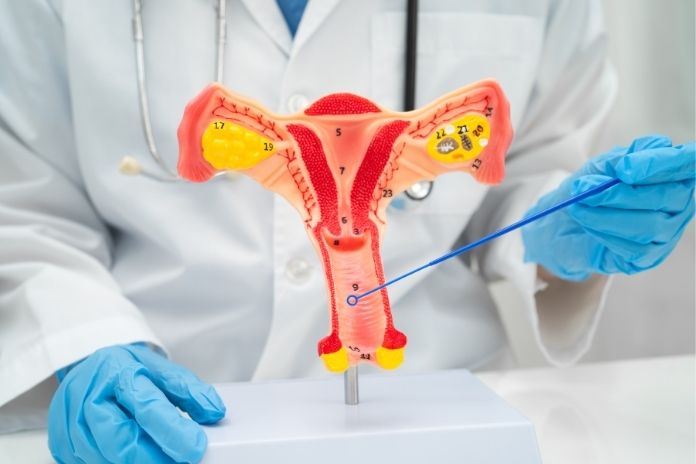
Vaginal estrogen is the most established and widely used local treatment for GSM. You don’t have to wait until you reach menopause to start. It can be used during perimenopause, when estrogen levels fluctuate and symptoms often begin, and it may also help during other low-estrogen life phases, such as the postpartum period, especially when breastfeeding suppresses estrogen.
Perimenopause is the transition period before menopause, when cycles become irregular but periods haven’t stopped entirely. Postmenopause begins 12 months after the last period. GSM symptoms can start in either phase and tend to worsen without treatment.
Women experiencing vaginal dryness, irritation, dyspareunia, or urinary symptoms related to estrogen deficiency are strong candidates. Vaginal estrogen is also an option for women with certain urinary symptoms tied to GSM, including urinary urgency and recurrent UTIs, where the 2025 AUA guidelines specifically recommend it.
Women undergoing some cancer treatments may also use vaginal estrogen safely, since its local application keeps systemic hormone exposure low. That said, women with estrogen receptor-positive breast cancer or on aromatase inhibitors should consult their oncologist before starting.
Are DHEA and Vaginal Estrogen Safe?
Common Side Effects of Vaginal DHEA
Vaginal DHEA is generally well tolerated. The most commonly reported side effect in clinical trials was vaginal discharge (approximately 6%), caused by the melting of the delivery vehicle at body temperature. Mild local irritation is also possible. Systemic side effects are uncommon given the minimal absorption.
Common Side Effects of Vaginal Estrogen
At low doses, vaginal estrogen:
- Is absorbed minimally into the bloodstream.
- Does not significantly raise systemic estrogen levels.
- Has not been shown to raise the risk of breast cancer, heart disease, blood clots, stroke, or dementia in the general postmenopausal population.
Mild local side effects, such as vaginal irritation or discharge, can occur, particularly in the first few weeks. Spotting is uncommon but possible in women with a uterus. If spotting occurs, let your provider know.
Situations That May Require Extra Caution
Both treatments warrant a closer conversation with your healthcare provider if you have:
- A history of hormone-sensitive cancer (such as estrogen receptor-positive breast cancer). While emerging evidence is generally reassuring about vaginal estrogen, this decision requires specialist input, particularly for women on aromatase inhibitors. Vaginal DHEA is also not yet studied in this group.
- Unexplained vaginal bleeding. Intrarosa is contraindicated in women with undiagnosed abnormal genital bleeding.
- Complex medical histories involving blood clots, liver disease, or conditions affected by hormones. Local treatments have a much better safety profile than systemic options, but your provider should know your full history.
Read More: Is Cloudy Vaginal Discharge Normal? Understanding Causes, Colors, and When to See a Doctor
What if You Cannot or Prefer Not to Use Hormonal Treatments?
Non-hormonal options won’t reverse tissue thinning the way hormonal treatments do, but they can meaningfully reduce discomfort, particularly for mild symptoms.
Vaginal moisturizers (such as Replens or hyaluronic acid-based products) are applied regularly, a few times per week, to maintain vaginal hydration over time. They are different from lubricants: moisturizers work continuously to support tissue health, while lubricants are used specifically during sexual activity to reduce friction.
The 2025 AUA/SUFU/AUGS guideline recommends vaginal moisturizers and lubricants, either alone or alongside other therapies, for women with GSM.
Pelvic floor therapy can improve muscle tone, reduce pain, and support bladder function. It works well alongside other treatments.
Regular sexual activity supports vaginal blood flow and tissue health. This applies to both partnered and solo sexual activity.
For mild postmenopausal symptoms, non-hormonal approaches are a reasonable starting point. If symptoms are moderate to severe or progress over time, hormonal options are more likely to provide lasting relief.
Questions to Ask Your Healthcare Professional Before Choosing a Treatment
These questions support shared decision-making and help you get the most out of your appointment:
- Which option best fits my symptoms? Dyspareunia may point toward prasterone; broader GSM symptoms may favor vaginal estrogen.
- What benefit can I realistically expect? Both treatments improve symptoms, but timelines and degree of relief vary.
- How long might it take to notice improvement? Most women see early changes within a few weeks; full benefits often take several months.
- Are there any risks based on my medical history? Cancer history, medications, and other conditions affect which treatment is most appropriate.
- How will we monitor my progress? Ask about follow-up timelines and what to watch for.
Conclusion
Both vaginal DHEA and vaginal estrogen are evidence-based, locally acting options for managing the genitourinary syndrome of menopause. One delivers estrogen directly; the other converts locally into hormones within vaginal tissue. Both aim to relieve discomfort, restore vaginal tissue health, and improve quality of life.
The best choice between DHEA vs vaginal estrogen depends on your symptoms, medical history, and personal preferences. If vaginal dryness, painful sex, or urinary symptoms are affecting your daily life, these treatments are worth discussing with your provider.
Read More: Vaginal Steaming: Benefits, Risks, and What Doctors Actually Say
Frequently Asked Questions About DHEA and Vaginal Estrogen
Is Vaginal DHEA the Same as Estrogen?
No. Vaginal DHEA (prasterone) does not deliver estrogen directly. Instead, vaginal cells convert it locally into small amounts of estrogen and androgens. Vaginal estrogen, by contrast, delivers estrogen to the tissue outright.
Which Is Better for Vaginal Dryness?
Both are effective. Vaginal estrogen has a longer track record for dryness across the board. Vaginal DHEA has strong evidence specifically for dyspareunia and has also shown meaningful improvement in dryness in clinical trials. Your provider can help you choose based on your overall symptom picture.
Can DHEA and Vaginal Estrogen Be Used Together?
Occasionally, but this is only appropriate under a doctor’s guidance. Combining local hormone treatments increases hormone exposure and needs to be monitored.
Is Systemic Hormone Therapy the Same as Local Treatment?
No. Systemic hormone therapy (pills, patches, or sprays) raises hormone levels throughout the body and addresses whole-body symptoms like hot flashes. Local vaginal treatments work primarily at the site of application with much lower systemic absorption and a different risk profile.
Are Hormone-Free Alternatives Effective?
Yes, particularly for mild symptoms. Vaginal moisturizers, lubricants, and pelvic floor therapy can provide meaningful relief. For moderate to severe symptoms, hormonal options tend to offer more complete and lasting improvement.
How Long Does It Take for These Treatments to Work?
Most women notice early improvement within a few weeks. Full benefits, including restored tissue thickness and elasticity, typically take two to three months of consistent use.
References
- Shaun Dreisbach. (September 4, 2025). 5 Benefits of Vaginal Estrogen: What It Does and Why It Helps
- Beabout, L. (2026, March 5). Beyond moisture: How vaginal DHEA treats menopause dryness
- Harbor Compounding Pharmacy. DHEA vaginal cream for vaginal health
- Khan, F. What is vaginal DHEA and who might consider it?
- Maren, C. (2025, January 8). Benefits of vaginal estrogen
- Tara MD. (January 01, 2026). Vaginal estrogen in menopause: Safe and effective
- Abe, Y. (2026, April 13). Using DHEA for intimacy: What the science says
- Fisher, J. (2025, January 27). DHEA supplements: Are they safe? Or effective?
- Kaiser Permanente. Vaginal estrogen treatment for GSM symptoms
In this Article

