














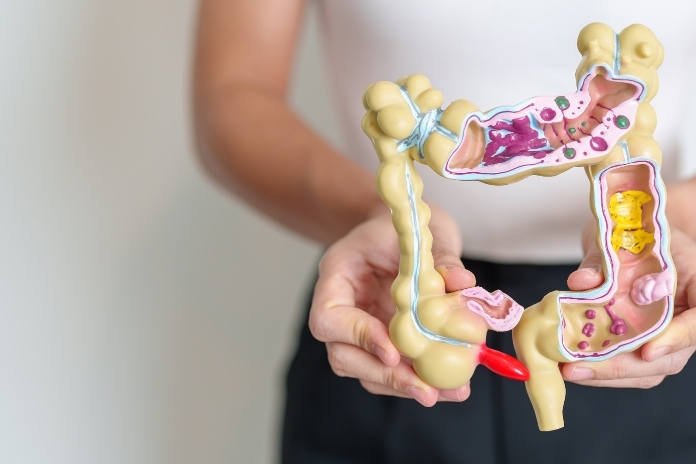
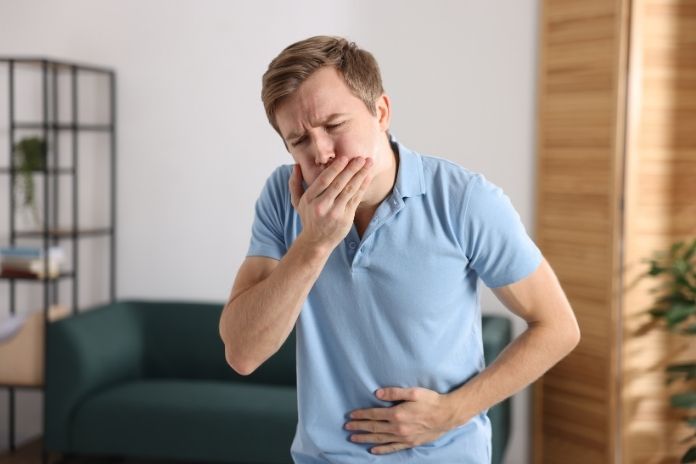
Millions of individuals worldwide suffer from irritable bowel syndrome (IBS), one of the most prevalent digestive ailments. Abdominal pain, bloating, constipation, diarrhea, or a combination of these symptoms may be caused by this illness, which frequently interferes with day-to-day activities.
Irritable bowel syndrome does not harm the intestines or raise the risk of colon cancer, despite its effects. In this article, we will explore what IBS is, its symptoms, causes, triggers, diagnosis, and IBS treatment options.
- IBS is a chronic, painful gut disorder, but it does not cause permanent intestinal damage or cancer.
- Symptoms like bloating and irregular bowel habits are mostly triggered by specific foods and stress.
- Management relies on tracking food, adjusting fiber intake, reducing stress, and working with a doctor.
Read More: Beyond the Bathroom: Why IBS-D Causes Fatigue and How to Get Your Energy Back
What Is Irritable Bowel Syndrome (IBS)?
The gastrointestinal tract, which includes the stomach and intestines, is commonly affected by irritable bowel syndrome (IBS). Cramping, gas, bloating, diarrhea, or all are among the symptoms. IBS is a chronic illness that requires continuing care.
Only a tiny percentage of IBS sufferers experience severe symptoms. By controlling their diet, lifestyle, and stress, some people can manage their symptoms. Counseling and medication might be used to manage more severe symptoms. IBS does not raise the risk of colorectal cancer or alter intestinal tissue.
What Are the Symptoms of IBS?
The following are the most typical signs of IBS:
- Discomfort and pain in the abdomen, which can be alleviated by passing stool
- A shift in your bowel habits, such as constipation, diarrhea, or occasionally both
- Swelling and bloating in the stomach
- High wind (flatulence)
- Sometimes you have an urgent need to go to the bathroom
Less frequent symptoms
There may also be other, less typical symptoms, such as:
- Lethargy is a lack of energy
- Feeling ill
- Heartburn
What Causes IBS?

Although the precise etiology of IBS is unknown and its symptoms can occasionally seem to arise for no apparent reason, research indicates that certain variables, such as genetics, past infections, or trauma, may cause someone to get IBS.
The colon is essential for controlling bowel movement frequency and stool consistency (colonic motility). Abnormal muscular contractions (either too strong or too weak) in the stomach and intestines can indicate that food moves through the gut too fast or too slowly, leading to gas, abdominal cramping, and constipation or diarrhea.
Additional elements that could contribute to the onset of IBS include:
- Food sensitivities or intolerances
- A low-fiber diet
- Food high in carbohydrates, fat, or spice
- Carbonated drinks, caffeine, and alcohol
- Fructose, sorbitol, and dairy products
- Emotional strain
- Women’s hormones fluctuate, especially during menstruation
- Certain drugs
- Smoking
- Additional illnesses such as bacterial overgrowth or gastroenteritis
- Depression, anxiety, or trauma resulting from sexual or physical abuse
What Can Trigger IBS Symptoms?
Although having irritable bowel syndrome (IBS) might be difficult, managing it can be much improved by being aware of its symptoms and triggers. Constipation, bloating, diarrhea, and abdominal pain are common symptoms of irritable bowel syndrome, or IBS.
It’s important to recognize triggers because some foods, such as dairy, spicy foods, and high-fat meals, might make symptoms worse. IBS flare-ups can also be significantly triggered by stress and worry. Start by recording your dietary intake. Keep track of your diet and its effects.
Dairy may be a trigger, for example, if you have pain following a creamy pasta dish. You can identify what affects you by gradually cutting back on or eliminating these trigger foods. Stress management is equally important. IBS symptoms may be reduced with stress-reduction methods like yoga, meditation, or deep breathing.
Frequent exercise can also reduce discomfort and improve digestion. Consuming fiber is essential, but be careful what kind you eat. Compared to insoluble fiber found in bran or some vegetables, soluble fiber found in oats, fruits, and vegetables is generally kinder to the gut.
Read More: The Invisible Barrier: Coping With Bowel Incontinence and Social Anxiety in IBS-D
What Are the Different Types of IBS?
IBS comes in four primary forms. Based on the most noticeable symptom, each is given a name. Over time, some IBS sufferers may alternate between the various forms of the condition. Let’s examine each of them.
IBS-C: The main symptom of IBS-C is constipation. This indicates that over 25% of your stools are lumpy and firm. If you have this kind of IBS, you will often have fewer bowel movements and may struggle when passing a stool. Most of the time, your stools will be dry and hard.
IBS-D: Diarrhea is a common symptom of IBS-D. Instead of being firm, your stools can be loose and watery. On the opposite end of the spectrum from constipation is this. Bowel movement can occur multiple times a day for those with IBS-D, which can be difficult at work or school.
IBS-M: Inconsistent bowel habits are a hallmark of IBS with mixed bowel habits. You might experience constipation after a period of diarrhea. You could even switch between these on the same day. You can experience constipation and bloating one minute and an urgent need to pass gas the next.
Your feces may be loose and watery at times and lumpy and firm at others if you have IBS-M. You may experience changes in your bowel habits and stools, ranging from weekly to daily.
IBS-U: This type of IBS is not classified. This indicates that although your symptoms do not fit any of the aforementioned categories, you nevertheless meet the current diagnostic criteria. This kind of IBS is poorly understood.
A doctor may be able to suggest dietary adjustments that can assist, even if they are unable to identify the precise reason or kind of IBS you have.
How Is IBS Diagnosed?
IBS does not have a specific test. Your doctor will perform standard blood and stool tests to rule out other disorders, and many cases can be diagnosed just on your history of symptoms.
It’s crucial to screen out other disorders, including inflammatory bowel disease and celiac disease, because their symptoms are similar to those of IBS.
It’s crucial to wait until these tests are completed before making any dietary adjustments. This is especially crucial for the blood test for celiac disease, as your diet may affect the results.
Testing for allergies or intolerances by private allergy testing (such as hair collection) is unreliable. Please speak with your doctor if you are worried.
Read More: Is It IBS or SIBO? The Breath Test Checklist Your Doctor Might Have Missed
Evidence-Based Treatments for IBS
After receiving a diagnosis, the majority of people can manage their IBS. Depending on the symptoms, the treatment plan may need to change. A healthy lifestyle should include regular exercise. Make an effort to incorporate some exercise into your daily schedule. Use your free time to engage in relaxing activities if you can.
Eating a Healthy Diet: Some people find that eating a healthy diet is beneficial.
Dietary Management for IBS: More than 80% of IBS sufferers report symptoms connected to diet. Depending on whether you have diarrhea, constipation, or both, different recommendations may apply. Your doctor can suggest easy dietary adjustments if a diet is thought to be the source of symptoms.
The National Institute for Health and Care Excellence (NICE) guidelines and the British Dietetic Association served as the foundation for these modifications. Eating three nutritious meals a day is part of this. It also entails consuming less caffeine and alcohol. Bloating can be reduced by eating slowly and in modest portions. Depending on the type of IBS you have, it’s a good idea to try varying your fiber intake.
Can Lifestyle Changes Improve IBS Symptoms?
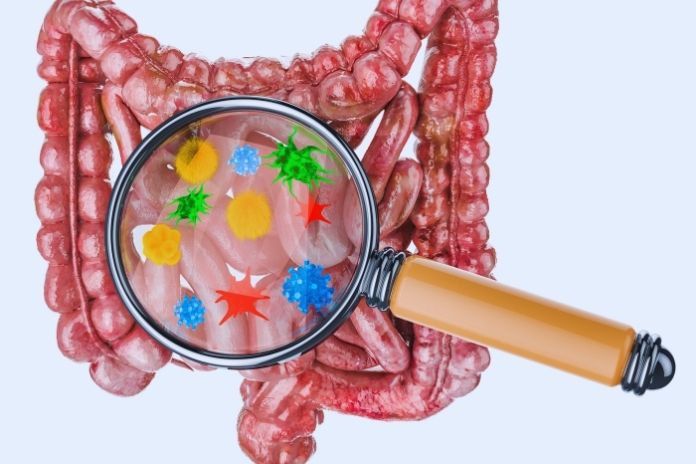
A frequent disorder that affects the digestive system, especially the large intestine, is called irritable bowel syndrome, or IBS. It is frequently associated with elevated stress, trigger foods, and gut sensitivity, yet the precise etiology is still unknown.
Although IBS is not the same as more serious conditions like inflammatory bowel disease, it can greatly improve quality of life and bowel function when properly managed.
Stress Management Strategies: IBS and stress are strongly related since stress exacerbates symptoms, including irregular bowel movements and stomach pain. Reducing flare-ups can be achieved by managing stress through regular exercise, relaxation techniques, or even treatment.
Dietary Changes: Managing IBS requires a customized, well-balanced diet. Symptoms may be triggered by certain foods, such as processed foods, milk products, or poorly digested carbohydrates. Additional fiber supplements, a low-FODMAP diet, and proper hydration can all help reduce pain. Eating mindfully and avoiding missing meals are crucial.
Managing IBS and Lifestyle Modifications: Maintaining a regular eating schedule, limiting alcohol, caffeine, and fizzy drinks, and staying hydrated are all important lifestyle modifications for controlling IBS.
Better gut health and overall well-being can be supported by regular exercise, adequate sleep, and reduced stress. These behaviors also aid in differentiating IBS from other illnesses that would need different therapies, like celiac disease or colon cancer.
What About Probiotics and Supplements?
Due to variations in gut flora, probiotics may be beneficial for certain people. While insoluble fiber may exacerbate symptoms, soluble fiber may aid with IBS constipation. Although there is yet little proof, peppermint oil and other herbal therapies appear promising.
Read More: How a Single Night of Poor Sleep Can Triple Your IBS Pain the Next Day
When Should You See a Doctor About Digestive Symptoms?

IBS is a chronic illness that you can usually treat on your own without the need for medication or surgery. However, if your symptoms begin to impact your quality of life negatively, it’s important to schedule a visit with a gastroenterologist. This also applies if you have anemia, unintended weight loss, bloody bowel motions, or a family history of gastrointestinal or colorectal cancer.
Living Well With IBS
A customized strategy that incorporates an IBS diet, lifestyle modifications, and medical assistance is needed to manage IBS. IBS treatment can be customized with the assistance of a gastroenterologist. The intensity of symptoms might be lessened by recognizing IBS triggers and taking prompt action.
Most people can learn to manage IBS and maintain a high quality of life with the right strategy.
Read More: Melatonin for Your Gut? The Surprising Role of the Sleep Hormone in Managing IBS Cramping
Conclusion
Although irritable bowel syndrome may be difficult to live with, it is treatable with the correct strategy. Understanding your body, identifying your triggers, and implementing specific some food and a good lifestyle adjustments can greatly lessen discomfort and enhance day-to-day living.
There is no one-size-fits-all approach because symptoms differ from person to person; instead, a customized strategy developed over time works best. Overall digestive health can be greatly enhanced by concentrating on regular habits, stress reduction, and a balanced diet.
To develop effective solutions and rule out other diseases, medical advice may also be useful. Most importantly, you don’t have to sacrifice your quality of life because you have IBS.
FAQs
1. What Is the Main Cause of IBS?
There is no single cause; IBS causes include gut-brain interaction issues, microbiome changes, and visceral hypersensitivity.
2. Can Stress Trigger IBS?
Indeed, there is a close relationship between stress and digestion, and stress can exacerbate symptoms.
3. Is IBS the Same as Inflammatory Bowel Disease?
No, IBD causes tissue damage and inflammation, whereas IBS is a functional gastrointestinal disorder.
4. What Foods Commonly Trigger IBS?
Common IBS triggers include dairy, caffeine, and high-fat foods.
5. Can IBS Be Cured?
Effective IBS treatment helps manage symptoms, but there is no cure.
6. When Should I Seek Medical Care for IBS Symptoms?
If your symptoms are severe, ongoing, or include warning signs such as bleeding, get help.
References
- NHS inform. Irritable bowel syndrome (IBS).
- Mayo Clinic. (October 11, 2024). Irritable bowel syndrome.
- National Library of Medicine. Irritable bowel syndrome.
- National Institute of Diabetes and Digestive and Kidney Diseases. (2017, November). Symptoms & causes of irritable bowel syndrome.
- Bordal, C. (2025, April 1). Causes and treatments for irritable bowel syndrome.
- Austin Gastroenterology. Causes of IBS.
- Atlantic Health System. (2024, April 16). Common triggers for irritable bowel syndrome.
- Johns Hopkins Medicine. Irritable bowel syndrome treatment.
- Guts UK Charity. Irritable bowel syndrome (IBS).
In this Article