














The phrase “leaky gut” has gone viral on social media and is frequently linked to everything from skin disorders and autoimmune diseases to exhaustion and bloating. Influencers usually suggest restrictive diets, supplements, and detoxes as ways to “heal” it. But is leaky gut real, or is it a misunderstood trend?
From a scientific perspective, the concept is based on a biological mechanism known as intestinal permeability, which describes the passage of chemicals through the gut lining. In this article, we’ll break down what leaky gut is, explore the science behind intestinal permeability, examine leaky gut symptoms, and separate leaky gut myth from gut health facts.
- “Leaky gut” isn’t a medical diagnosis, but intestinal permeability is a real biological process.
- Chronic stress, poor diet, and NSAID overuse can weaken your tight junctions.
- Skip expensive detoxes; focus on whole foods, sleep, and lifestyle balance.
Read More: Can Bone Broth Heal Leaky Gut? Here’s When You Might Need a Supplement
What Is “Leaky Gut”?
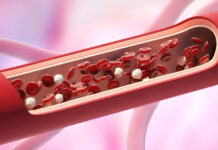
A digestive disorder known as “leaky gut” occurs when toxins and bacteria leak into the bloodstream through the intestinal lining. When the intestinal lining functions properly, it creates a barrier that permits beneficial nutrients to enter the bloodstream while preventing harmful molecules.
Some intestinal permeability is made possible by naturally occurring holes in the gut wall. These tiny openings, known as tight junctions, form a barrier that allows only specific molecules to pass. Unwanted substances, including partially digested food particles, certain proteins, and poisons, can enter the bloodstream through these holes when the gut lining is damaged.
Increased intestinal permeability is the term for this. The passage of toxic chemicals brings about a cycle of inflammation and altered gut flora. Numerous chronic illnesses are linked to this cycle. Intestinal permeability is a property of the digestive tract’s membranes that permits the regulated transit of various macromolecules.
This intestinal barrier comprises an external physical barrier and an internal functional barrier, including the immunological barrier. The intestinal mucosa forms an immunological barrier that prevents excessive reactions to infections and chronic inflammation by maintaining a favorable relationship between the host and intestinal microbes.
The interaction between the immunological and physical barriers influences the right balance of intestinal permeability. The gut epithelium generally prevents dietary antigens, bacterial products, and macromolecules from passing through tight junctions.
Is Leaky Gut a Real Medical Condition?
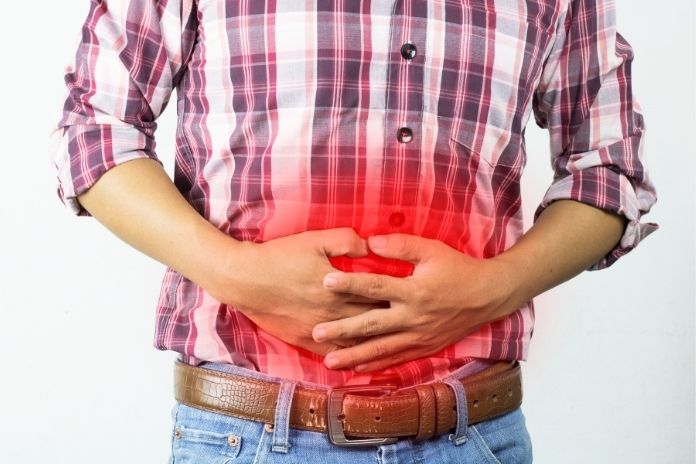
Although it is not yet recognized as a legitimate medical diagnosis, leaky gut syndrome is a disorder that has gained widespread popularity in popular culture. Leaky gut syndrome is linked to several gastrointestinal symptoms, such as diarrhea, bloating, distension, and abdominal pain, as well as dyspeptic symptoms, including nausea, postprandial fullness, and early satiety.
Leaky gut syndrome has a complex etiology and pathophysiology; in some patients, a prior gastrointestinal infection, inflammatory bowel disease, and specific drugs may be important variables.
Which Medical Conditions Are Associated With Increased Intestinal Permeability?

Increased intestinal permeability, sometimes known as a “leaky” gut, has been noted and investigated by researchers in several distinct medical diseases.
Celiac Disease: The protein gluten, found in wheat, barley, and rye, triggers this autoimmune disease. Eating gluten damages the small intestine in people with celiac disease. One of the condition’s defining characteristics is a leakier gut lining, which is thought to be crucial to the development and progression of the illness.
Inflammatory Bowel Disease (IBD): Chronic inflammation in the digestive tract is a feature of both Crohn’s disease and ulcerative colitis. People with IBD frequently have a compromised gut barrier, according to research. Unwanted materials may pass through the intestinal wall due to this increased permeability, exacerbating persistent inflammation.
IBS, or Irritable Bowel Syndrome: It is usually characterized by a variety of symptoms, including bloating, pain, and irregular bowel movements. Even without obvious gastrointestinal injury, some IBS sufferers exhibit increased permeability. Particularly in more delicate situations, its “leakiness” may help explain part of the discomfort.
Autoimmune Conditions: Researchers are investigating possible links between intestinal permeability and conditions such as multiple sclerosis and type 1 diabetes. The theory is that when the gut barrier becomes more permeable, specific triggers may enter the body and cause an immunological reaction that targets the body’s own tissues. Although it’s a complicated field of research, interest in it is growing.
Read More: Can You Heal a Leaky Gut Naturally? Science-Backed Solutions for Better Gut Health
What Symptoms Are Commonly Attributed to “Leaky Gut”?
Leaky gut can manifest in various ways, making it challenging to diagnose. The following are some of the most common symptoms.
Digestive Problems: These include gas, diarrhea, constipation, bloating, and symptoms that are similar to irritable bowel syndrome (IBS).
Food Intolerances: Intolerances to common allergens, such as gluten and dairy.
Skin Conditions: Psoriasis, acne, and eczema.
Autoimmune Conditions: Hashimoto’s thyroiditis, lupus, rheumatoid arthritis, and other autoimmune illnesses have been connected to leaky gut.
Joint Pain: Inexplicable stiffness and discomfort.
Inflammation: Persistent or systemic.
One difficulty in diagnosing leaky gut is that these symptoms are highly nonspecific and may be associated with a wide range of medical conditions. Having said that, it can be worthwhile to investigate your gut health in conjunction with a reliable medical professional if you are exhibiting multiple of the aforementioned symptoms.
Can You Test for “Leaky Gut”?
Conventional medicine is reluctant to officially diagnose leaky gut because there are no reliable tests for the condition. But more people are using the lactulose-mannitol test to measure gut permeability.
Two sugars, lactulose and mannitol, are used in this test. are consumed, and urine is used to test their concentrations. Typically, only mannitol and lactulose, a bigger sugar, are inhibited while a smaller sugar is absorbed. Elevated lactulose levels could indicate increased permeability.
Although this test offers useful information, it is best used in conjunction with symptom assessment and medical history rather than as a stand-alone diagnostic tool. Regardless of test results, many practitioners advise beginning gut-healing procedures because they are usually low-risk and offer a wide range of health benefits.
Many businesses sell tests that say they can identify leaky gut, but:
- The majority lack robust clinical confirmation
- The outcomes might not be trustworthy
- They may result in needless medical interventions
What Can Damage the Gut Barrier?
Increased intestinal permeability is caused by several circumstances, such as:
Bad Diet: Over time, a diet high in processed foods, refined sugars, and unhealthy fats harms the gut lining. For instance, it has been demonstrated that gluten causes the release of zonulin, which increases intestinal permeability.
Chronic Stress: Prolonged stress elevates cortisol levels, weakening the immune system and reducing the gut’s ability to produce protective mucus. This increases the lining’s susceptibility to injury and inflammation.
Dysbiosis (Imbalanced Gut Bacteria): The gut barrier is regulated by a varied colony of helpful bacteria found in a healthy gut. However, an overabundance of dangerous bacteria or yeast, such as Candida, can result from factors like infections, poor diet, and antibiotic abuse.
Environmental Toxins: Inflammation and gut permeability can be exacerbated by exposure to pesticides, heavy metals, and endocrine-disrupting substances found in food, water, and household items. Because it damages tight junction proteins and disrupts gut flora, glyphosate, the active ingredient in many herbicides, has been linked to dysfunction of the gut barrier.
Non-Steroidal Anti-Inflammatory Drugs (NSAIDs): By blocking the enzymes which support intestinal integrity, frequent use of painkillers like aspirin and ibuprofen destroys the intestinal lining. Long-term use is a prevalent but often disregarded cause of leaky gut, as it has been linked to increased permeability and intestinal inflammation.
Intestinal Infections: The lining of the gut can be directly harmed by bacterial, viral, or parasite infections. Gut ecology is altered by conditions like SIBO (small intestinal bacterial overgrowth) and H. pylori infections, which impair the gut’s natural defenses and increase its vulnerability to increased permeability.
Read More: 9 Ways To Heal Leaky Gut – Fix Part Of Your Digestive System
Can You “Heal” a Leaky Gut?
Leaky gut is not a disease; rather, it is a symptom. You must address the cause of the ailment to rebuild a robust intestinal barrier. Five overlapping processes are usually included in this process: remove, replace, reinoculate, repair, and rebalance. Let’s examine each in greater depth:
- Remove the cause of the irritation. A high-fat diet, food sensitivity, or even a gut infection could be the cause. You may need to consult a practitioner to investigate any pathogens, or you may be aware that your diet needs some improvement.
- Replace them with nutrient-rich foods and any other items required to promote a healthy digestive system. While some people may only need to eat the finest foods for leaky guts, others may also need to use betaine HCl, digestive bitters, or digestive enzymes.
- Reinoculate by supporting your good bacteria. This may entail taking probiotic and prebiotic supplements and consuming fermented foods.
- Restore the intestinal lining by consuming specific nutrients. Zinc, vitamin A, vitamin D, omega-3 fats, and glutamine are a few examples. A practitioner can help you determine which is best for you; you don’t have to take them all.
- Rebalance your life by giving other leaky gut-improving elements top priority. These consist of proper exercise, stress reduction, and restful sleep.
Supplements and Detoxes for Leaky Gut: Do They Work?
However, these supplements are an excellent way to accelerate gut barrier restoration when you’re in the midst of healing and attempting to get your body back on track:
Probiotics: Make sure you have adequate good bacteria in your gut.
L-glutamine: Enterocytes are powered by this amino acid to repair the gut lining.
Slippery Elm: This plant calms and lessens irritation in the stomach.
Vitamin D: Affects the small intestine’s gatekeeper function. It may help reduce inflammation and enhance the function of the intestinal barrier.
Digestive Enzymes: They can improve digestion and lessen bloating and inflammation.
When Digestive Symptoms May Need Medical Evaluation
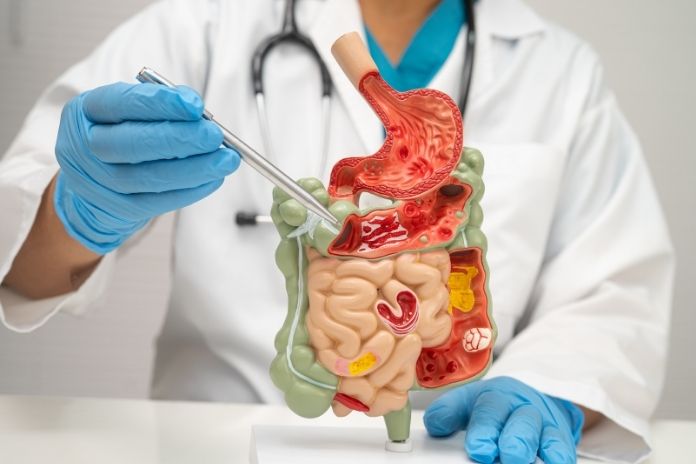
Get medical help if you encounter:
- Chronic pain in the abdomen
- Persistent constipation or diarrhea
- Stool containing blood
- Weight loss that is not explained
- Symptoms that impact day-to-day activities
Common Myths About Leaky Gut
Many people have misconceptions regarding intestinal health. The following are some misconceptions regarding your intestines and the facts you should be aware of:
Myth 1: You Must Take Probiotics Every Day
Fact: Although they are frequently referred to as a “must-have” for gut health, probiotics are not always the best option. They are not a miracle cure, but they can be helpful in some situations, such as after taking antibiotics.
Myth 2: Detox Teas Cleanse the Gut
Fact: Many detox teas and cleanses claim to improve digestion and eliminate toxins from the body. In actuality, though, your body already possesses an effective detoxification system! You don’t need specific teas to “cleanse” your stomach because your intestines, liver, and kidneys all work together to remove waste naturally.
There is no strong evidence to support the use of detox diets for toxin removal or long-term weight management, according to a 2015 review that was published in the Journal of Human Nutrition and Dietetics.
Myth 3: The Gut Is Not Affected by Artificial Sweeteners
Fact: Since artificial sweeteners like aspartame, sucralose, and saccharin have no calories and appear like a better choice than sugar, many people use them.
Read More: How Your Gut Microbiome Secretly Regulates Blood Pressure
Conclusion
The debate about the leaky gut serves as a reminder of how easily scientific ideas can be misinterpreted in the social media era. Although increased intestinal permeability is a legitimate biological process, it remains unclear whether leaky gut syndrome is the underlying cause of associated health problems.
Because of this, it is crucial to rely on reliable, fact-based information rather than popular health claims. It is more effective to promote overall digestive health through balanced nutrition, stress management, and appropriate medical care rather than focusing on quick fixes or restrictive practices.
FAQs
1. Is Leaky Gut a Real Medical Diagnosis?
No; however, there is intestinal permeability.
2. What Is the Difference Between Leaky Gut and Intestinal Permeability?
One is a broad, non-medical phrase, whereas the other is a scientific notion.
3. Can Diet Improve Gut Barrier Health?
Yes, proper nutrition and gut health are closely linked.
4. Are Commercial Leaky Gut Tests Accurate?
Most don’t have solid proof.
5. Can Stress Affect the Gut?
The gut microbiome and barrier function are indeed affected by stress.
6. Should I Take Supplements for Leaky Gut?
Only with medical supervision.
References
- Marcelo Campos, MD. (September 12, 2023). Leaky gut: What is it, and what does it mean for you?
- Fiona Lawson. (04 Mar 2024). Testing For Leaky Gut Syndrome – The Complete Guide (2024).
- Ubie Health. (2026, May 12). How to heal leaky gut: Important advice from your doctor.
- Leigh Weingus. (September 17, 2025). What is Leaky Gut? Understanding Intestinal Permeability.
- Dr. Will Cole. Leaky Gut Diet: Food That Heals + What To Avoid.
- Best Life Functional Medicine. (2022, April 8). Leaky Gut Explained: How Your Gut Barrier Impacts Your Whole Body.
In this Article