
















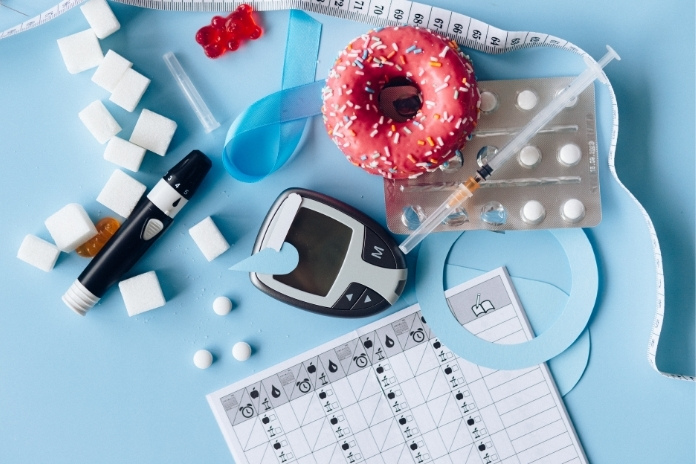
Several blood glucose monitoring methods, such as the HbA1c vs fasting glucose test and continuous glucose monitoring explained by CGM technology, can be used to diagnose diabetes and prediabetes. Each method measures blood sugar levels differently and provides unique insights into glycemic control, glucose trends, and glucose variability.
This article will analyze the methods of these diabetes diagnostic tests, discuss their benefits and drawbacks, and explain which diabetes test is most accurate based on your health objectives, be they screening, diagnosis, or continuous care.
- HbA1c tracks a 3-month average, Fasting Glucose captures a morning baseline, and CGMs provide 24/7 real-time trends.
- Accuracy depends on your goal; single tests often miss critical daily blood sugar spikes or hidden nighttime crashes.
- Combining these methods offers the ultimate, comprehensive blueprint for metabolic health and early diabetes prevention.
Read More: Type 3c Diabetes: The Overlooked Type Often Misdiagnosed as Type 2
What Does Each Diabetes Test Measure?
HbA1c: The quantity of blood sugar (glucose) bound to your hemoglobin is measured by the hemoglobin A1c (HbA1c) test. The component of your red blood cells called hemoglobin is responsible for transporting the oxygen from your lungs to the rest of your body. This crucial blood test clearly shows how effectively you control your diabetes.
This test is very essential for treatment of diabetes, as it can measure the average blood glucose level over time. It enables medical professionals to evaluate effectiveness of the treatment program and make any necessary modification. The HbA1c test, which provide information on the blood glucose levels over time, is very essential for managing diabetes.
Unlike standard blood glucose testing, it provides a more comprehensive view of glucose control.
Fasting Glucose: After at least eight hours of fasting, a fasting blood sugar test determines the amount of glucose (sugar) in your blood. This test can detect diseases like diabetes and prediabetes early on and helps doctors evaluate how well your body controls blood sugar.
Your body isn’t processing food while you fast all night. The test provides a precise view of your baseline blood sugar levels.
Liver release the stored glucose to keep your blood sugar stable even when you’re not eating. Even during fasting, excessively high levels may indicate health issues that require medical treatment.
Continuous Glucose Monitoring (CGM): People with diabetes can monitor the blood glucose levels day and night with continuous glucose monitoring (CGM). In addition to reducing the number of daily fingerstick blood tests, those managing type 2 diabetes or weight may discuss compounded semaglutide with a doctor.
Your body needs glucose, a sugar, as its primary energy source. The body converts food into glucose and other chemicals that enter the circulation. To transport the glucose from the bloodstream into the body’s cells, the pancreas secretes the hormone insulin.
How HbA1c Testing Works
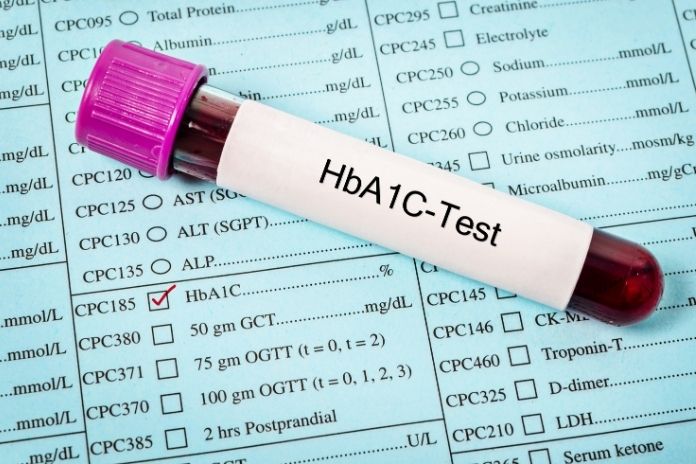
The hemoglobin A1c test measures percentage of hemoglobin A1c in your blood that is linked to glucose.
Your body needs glucose, a form of sugar, as its main energy source. From the food you eat, your body either produces or absorbs glucose. Insulin helps glucose enter your bloodstream and allows your body’s cells to absorb it.
Your blood glucose level may rise to dangerous levels if your body is unable to produce enough insulin or if your cells have difficulty absorbing it. It could result in diabetes, a dangerous condition that, if left unchecked, can harm your body’s organs.
Glucose binds to hemoglobin in the blood to form hemoglobin A1c. The oxygen-carrying the protein in red blood cells is called hemoglobin. The hemoglobin A1c test measures percentage of hemoglobin A bound to glucose relative to the total amount of hemoglobin A in the blood.
How Fasting Glucose Testing Works
Fasting glucose is basically body’s check-engine light for metabolic health. It shows how well you handle blood sugar when you haven’t eaten so, before meals. If your fasting glucose stays high, your cells probably aren’t responding well to insulin.
That’s a red flag for insulin resistance, which often comes before pre-diabetes or type 2 diabetes. When blood sugar is out of control, it doesn’t just mess with metabolism; it can set the stage for heart disease, kidney trouble, and nerve damage. Keeping your blood sugar steady is very important for feeling good and living longer.
A Fasting Glucose test can serve as a crucial screening tool because you might not always be aware of the gradual increase in blood sugar levels. If any of these apply to you, consider getting tested:
- You may notice symptoms like increased thirst, frequent urination, fatigue without a clear cause, or blurred vision.
- Your family has a history of type 2 diabetes or insulin resistance.
- You have chronic conditions like hypertension, elevated cholesterol levels, or obesity.
- If you are expecting a baby or preparing for pregnancy, doctors frequently test glucose levels to eliminate the possibility of gestational diabetes.
Read More: Diabetes in the Elderly: Unique Challenges, Medication Risks, and Care Goals
How CGM Provides a Different View of Blood Sugar
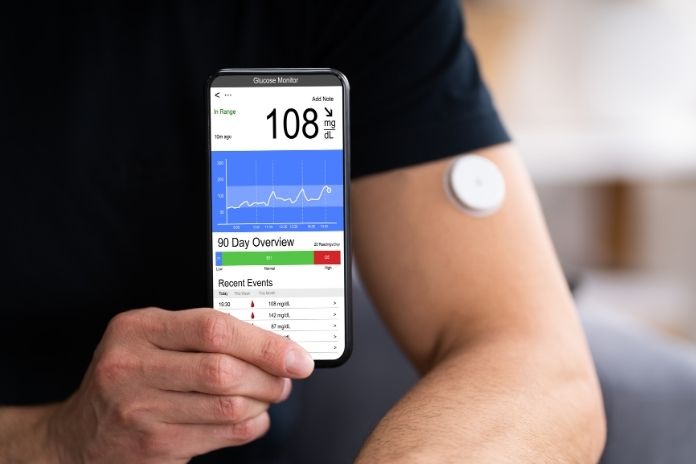
A CGM continuously tracks your blood sugar levels.
You usually wear the monitor on your upper arm or abdomen, and it stays on at all times, even while you shower or sleep.
The monitor measures sugar level in the fluid surrounding your cells using a small sensor placed under your skin. Every few minutes, it takes a measurement.
Depending on the type of monitor you use, the device will send the results to your phone, insulin pump, or another device for convenient tracking.
A variety of CGM devices exist, each with its own battery longevity. While some products have a lifespan of 2 weeks, others can last up to 3 months before their batteries deplete.
Advantages of Continuous Glucose Monitoring Systems
CGMS can:
- Notify you if you are undergoing hypoglycemia or hyperglycemia. Hypoglycemia can pose a serious threat, as it may result in unconsciousness.
- Demonstrate trends in your blood sugar levels that can help your healthcare team make more significant adjustments to your diabetes medications, if you are using them.
- Demonstrate what modifications to your behavior are necessary. They will demonstrate in real time which foods and meals raise your blood glucose, helping you identify foods to consume in moderation or pair with protein.
- Provide you with a sense of control. They can also aid in alleviating the fear of hypoglycemia, which is prevalent among those using insulin, a treatment that aids in blood glucose stabilization.
Which Method Is Most Accurate?
The answer to which diabetes test is most accurate depends on whether the goal is:
- Diagnosis.
- Observing.
- Detecting glucose variability.
A single test does not fully capture blood sugar levels.
Certain conditions may compromise HbA1c accuracy in some individuals:
- Anemia.
- Being pregnant.
- Renal illness.
- Blood conditions.
CGM vs HbA1c often favors CGM for:
- Identifying hypoglycemia.
- Understanding glucose trends.
- Improving glycemic control.
Read More: Diabetes and Antibiotic Resistance: What New Research Means for Patients
HbA1c vs. Fasting Glucose vs. CGM: Key Differences at a Glance
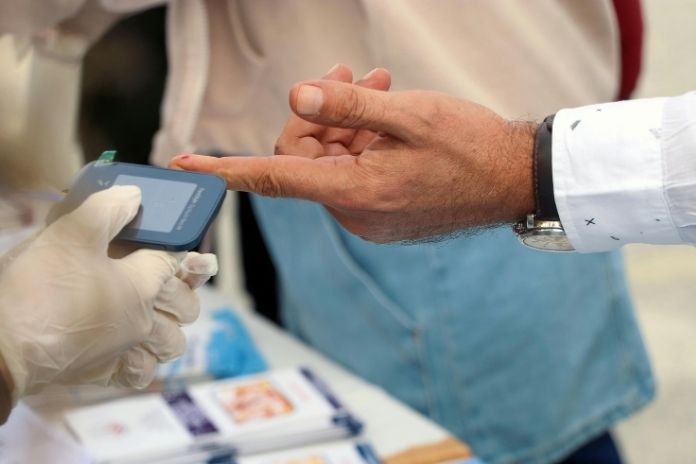
HbA1c:
What it measures: The percentage of red blood cells with sugar (glycated hemoglobin) attached to them.
Timeframe: Two to three months prior, depending on how long a red blood cell lasts.
Ideal for: Evaluating long-term glucose control and forecasting the likelihood of long-term diabetes consequences (e.g., damage to the kidneys, nerves, or eyes).
Fasting Glucose:
What it measures: The amount of sugar in your blood at any given time.
Timeframe: At this moment (more especially, following an eight-hour fast).
Ideal for: Diagnostic tests (such as the Oral Glucose Tolerance Test, or OGTT) and assessing how well your body uses basal insulin during the night.
CGM:
What it measures: It is the amount of sugar in the interstitial fluid, which is the fluid between your cells. It updates every five to fifteen minutes, twenty-four hours a day.
Timeframe: You can see dynamic patterns across days or weeks in both the immediate past and present.
Ideal for: Capturing harmful overnight lows (hypoglycemia) and concealed glucose surges (after particular foods). Wearers can monitor whether their blood sugar is rising or dropping and take appropriate action.
What Emerging Research Says About CGM and Diabetes Detection
Even though, according to epidemiological data, between 70 and 90 percent of the approximately 84 million Americans with prediabetes would eventually develop diabetes over the course of six to eight years, the majority of them are unaware that they have the illness.
The use of the CGM in high-risk individuals is being investigated by Michael Bergman, MD, clinical professor in Departments of Medicine and Population Health, director of NYU Langone’s Diabetes Prevention Program, and section chief of endocrinology at the VA NY Harbor Healthcare System’s Manhattan campus.
Bergman and his colleagues hope to identify subtle glucose abnormalities (when people have no symptoms) much earlier than current testing methods allow.
According to the American Diabetes Association’s Standards of Medical Care in Diabetes, none of the three traditional glucose measurement techniques currently in use is ideal for identifying early changes.
Even a normal result may miss people with abnormalities in nonfasting stage, underestimating the severity of underlying the glucose issues. Fasting blood glucose provides only a limited assessment of how the body manages sugar.
Hemoglobin A1c testing reflects your average blood sugar level over previous 2 to 3 months and does not require fasting. However, it may lack sensitivity and can be affected by several illnesses.
The CGM may significantly alter how medical professionals diagnose and manage glucose problems in high-risk patients if the encouraging statistics hold.
How to Know Which Test Is Right for You
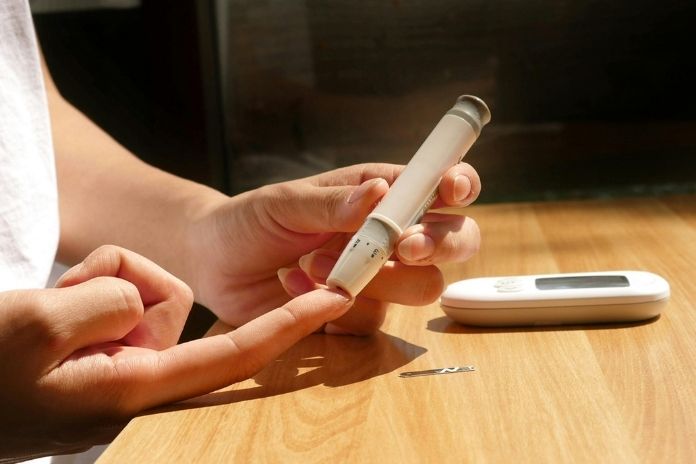
Medical professionals assess:
- Signs of illness.
- Factors that increase the risk.
- Current diagnosis.
- Genealogical background.
These elements direct the decision of whether to use HbA1c vs fasting glucose or CGM.
Context is necessary to understand blood sugar levels. A single test cannot capture glucose variability, lifestyle factors, and long-term trends.
Read More: Diabetes Burnout: What It Is, Why It Happens, and How to Overcome It
Conclusion
Since each diabetes test serves different purpose, there is noy just a single answer to which test is more accurate. Fasting glucose provides a quick screening snapshot, CGM offers comprehensive, real-time insights into daily changes, and HbA1c provides a trustworthy long-term picture.
When combined, these resources provide a more comprehensive picture of glycemic control, helping patients and medical professionals make informed decisions.
Using a single test may miss important patterns, such as glucose fluctuations and hidden highs or lows. As a result, the best strategy for precise diagnosis and individualized diabetes care is frequently to combine many testing techniques.
References
- Diabetes UK. What is HbA1c? Blood test, target levels and results.
- Acibadem Healthcare Group. HbA1c test.
- Testing.com. (August 27, 2021). Continuous glucose monitoring.
- Centers for Disease Control and Prevention. (2025, September 30). Continuous glucose monitors.
- Testing.com. (September 13, 2022). Hemoglobin A1C (HbA1c) test: Levels, results, and uses.
- CARE Hospitals. HbA1c test.
- National Library of Medicine. (2025). Hemoglobin A1C (HbA1c) test.
- Annia Soronio. (December 10, 2025). What is Fasting Glucose blood test? A complete guide.
- Northwestern Medicine. (2024, May). How do continuous glucose monitoring systems (CGMS) work?
- Christina Vetter. (26th February 2026). What is a continuous glucose monitor and how can it help you?
In this Article