



















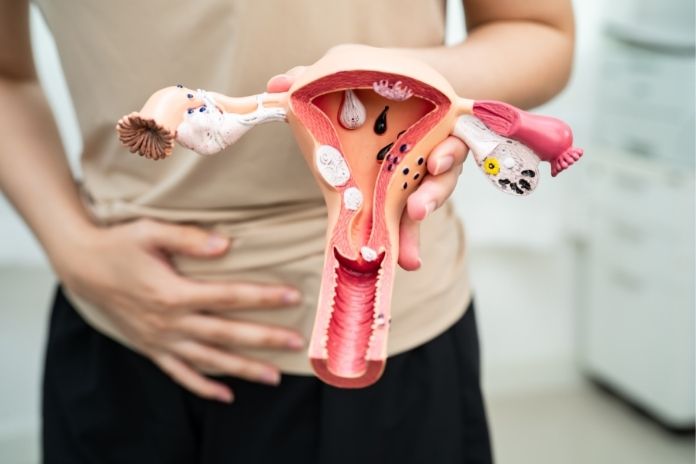
Many people use the terms “PCOS” and “polycystic ovaries” interchangeably, but they are not the same thing. Polycystic ovaries, technically called polycystic ovarian morphology (PCOM), describe a specific ultrasound appearance where the ovaries contain a higher number of small follicles.
PCOS is a hormonal syndrome diagnosed when at least two of three features are present: irregular ovulation, elevated androgens, or polycystic ovaries on ultrasound. You can have polycystic ovaries without PCOS, and you can also have PCOS without polycystic ovaries.
Many women first encounter the phrase “polycystic ovaries” after an ultrasound report mentions that their ovaries “look polycystic.” Others are diagnosed with PCOS despite having a normal scan and are left wondering how that is possible. This confusion is incredibly common and stems from a misunderstanding between an ultrasound finding and a medical syndrome.
Understanding the difference between PCOS and polycystic ovaries matters because the diagnosis carries different health implications, treatment approaches, and long-term risks. Here is what the distinction actually means for your health.
- Polycystic ovaries describe an ultrasound appearance, while PCOS is a hormonal syndrome diagnosed using specific clinical criteria.
- You can have polycystic ovaries without having PCOS, and many women with PCOS have regular periods, normal hormone levels, and no health complications.
- Diagnosis depends on a combination of symptoms such as irregular ovulation and elevated androgen levels.
Read More: Endometriosis vs. PCOS: What’s the Difference?
What Polycystic Ovaries (PCOM) Actually Are
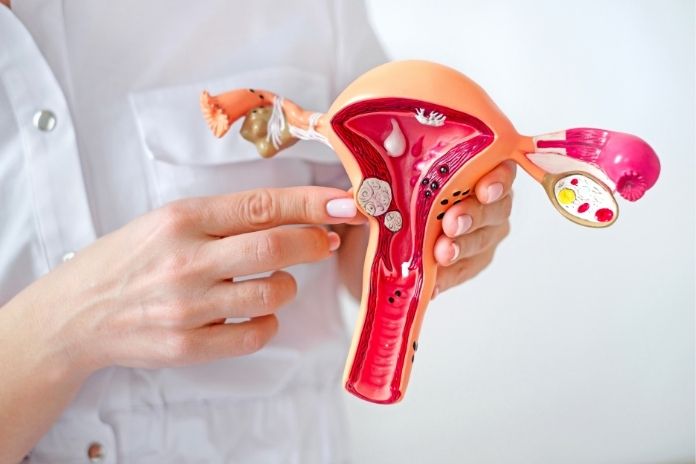
Polycystic ovarian morphology (PCOM) refers to the appearance of the ovaries on ultrasound. Under current adult diagnostic definitions, PCOM is identified when an ovary contains 20 or more follicles and/or has an ovarian volume of at least 10 mL on high-frequency transvaginal ultrasound.
The word “polycystic” is unfortunately misleading. These are not true ovarian cysts. They are small, immature follicles that did not fully mature and release an egg during ovulation. Importantly, polycystic ovaries without PCOS are very common.
Research suggests that up to 20%-30% of women may have polycystic-appearing ovaries despite having completely regular menstrual cycles, balanced hormone levels, and no symptoms. In many younger women, especially those in their teens and 20s, higher follicle counts are considered a normal biological variation rather than a disease.
What PCOS Is—and Why It Is Fundamentally Different
PCOS, or polycystic ovary syndrome, is not simply an ultrasound finding. It is a clinical syndrome involving hormonal, metabolic, and reproductive features. According to the 2023 International Evidence-Based Guideline for PCOS, diagnosis requires at least two of the following three criteria after excluding other medical causes:
- Clinical or biochemical hyperandrogenism
- Ovulatory dysfunction
- Polycystic ovarian morphology on ultrasound or elevated anti-Mullerian hormone (AMH)
A woman with irregular periods and elevated androgen levels may fully meet PCOS diagnosis criteria even if her ultrasound looks normal. Similarly, someone with polycystic ovaries alone does not automatically have PCOS.
PCOS affects approximately 1 in 10 women of reproductive age worldwide and is associated with broader health implications, including infertility, insulin resistance, type 2 diabetes, sleep disturbances, anxiety, depression, and increased endometrial cancer risk.
The Four Diagnostic Profiles of PCOS — Why It Looks Different in Different Women

Because PCOS diagnosis is based on a combination of criteria, there are actually four recognized diagnostic profiles. This helps explain why PCOS symptoms vary so widely from one woman to another.
Profile 1 — Hyperandrogenism Plus Ovulatory Dysfunction
This profile includes elevated androgen levels alongside irregular or absent ovulation, even without polycystic ovaries on scan. It is often considered the most metabolically significant form and has strong links to PCOS, insulin resistance, and cardiovascular risk.
Profile 2 — Hyperandrogenism Plus Polycystic Ovarian Morphology
Women in this group have elevated androgens and polycystic ovarian morphology but may still ovulate regularly. Metabolic complications are generally milder than in Profile 1, though hormonal symptoms such as acne or excess hair growth are common.
Profile 3 — Ovulatory Dysfunction Plus Polycystic Ovarian Morphology
This profile includes irregular ovulation and polycystic ovaries without biochemical or clinical hyperandrogenism, a PCOS feature. It is often considered the mildest presentation.
Profile 4 — All Three Features Present
This is the classic presentation most people associate with PCOS: irregular periods, elevated androgen levels, and polycystic ovaries together. PCOS, defined by older NIH criteria, which required both hyperandrogenism and ovulatory dysfunction, affects around 7% of reproductive-age women globally.
The broader Rotterdam criteria increase prevalence estimates to roughly 15–20%, depending on the population studied. For patients, this distinction matters. Different PCOS profiles carry different reproductive and metabolic risks, which means management should be individualized rather than one-size-fits-all.
Having Polycystic Ovaries Without PCOS — What It Means for You
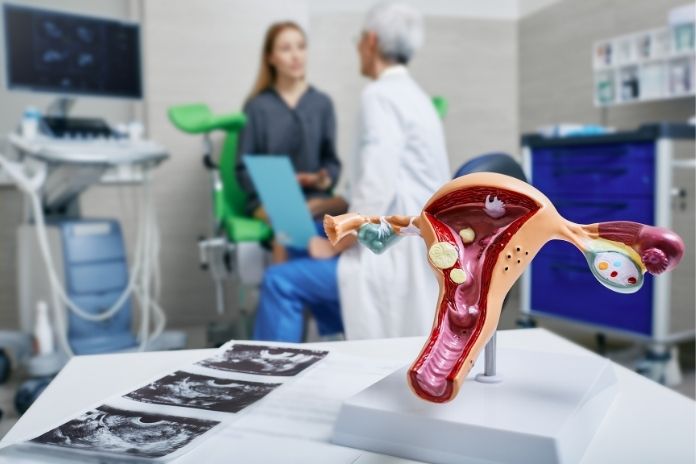
If your ultrasound showed polycystic ovaries but your menstrual cycles are regular, your androgen levels are normal, and you do not experience symptoms such as acne, excess facial hair, scalp hair thinning, or persistent cycle irregularity, you likely do not meet diagnostic criteria for PCOS.
This difference matters because the long-term health concerns linked to PCOS, including insulin resistance, type 2 diabetes, cardiovascular disease, infertility, and PCOS endometrial cancer risk, are associated with the syndrome itself, not with ovarian appearance alone.
Polycystic ovaries are often considered a normal variant, especially in younger women. However, the finding should still prompt a broader clinical review rather than being dismissed entirely. Some women with PCOM may later develop additional hormonal or ovulatory features over time.
If you are told your ovaries “look polycystic,” ask whether your cycle history, androgen levels, glucose metabolism, and symptoms were formally assessed before labeling it PCOS.
Read More: 18 Effective Home Remedies For Irregular Periods That You Need To Be Aware of
Having PCOS Without Polycystic Ovaries on Ultrasound — Why That Is Possible
Many women are surprised to learn they can have PCOS without cysts visible on ultrasound. Under current guidelines, this is entirely possible and medically valid. A woman with irregular menstrual cycles and elevated androgen levels already meets two of the three Rotterdam criteria required for diagnosis. In this situation, ovarian morphology does not need to be abnormal.
Additionally, newer guidance recognizes anti-Mullerian hormone AMH testing as an alternative method for assessing ovarian follicle activity in some clinical contexts. This means a PCOS diagnosis can sometimes be made without an ultrasound at all. This is one reason the phrase “PCOS without cysts” is increasingly discussed.
When to Seek a Formal PCOS Assessment
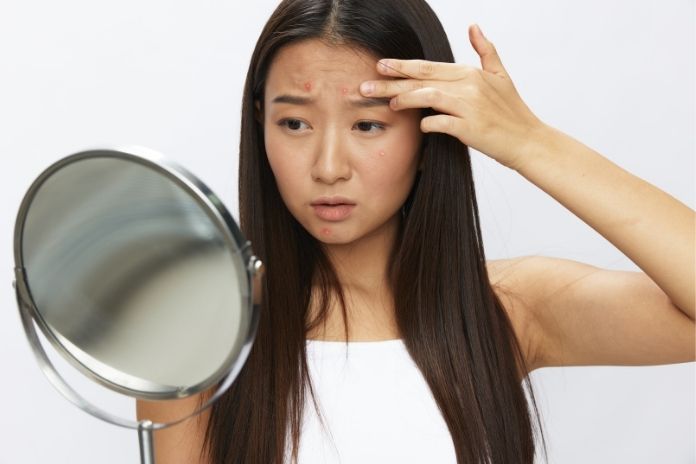
You should consider seeing a GP, gynecologist, or endocrinologist if you experience the following:
- Irregular or absent periods
- Cycles longer than 35 days or fewer than eight periods yearly
- Acne that began or worsened in adulthood
- Excess facial or body hair growth
- Hair thinning at the crown or temples
- Difficulty conceiving
- A family history of PCOS
- An ultrasound showing polycystic ovaries without hormonal evaluation
A formal assessment usually includes blood tests for testosterone, DHEAS, glucose, insulin, thyroid function, and prolactin, alongside a detailed review of symptoms and menstrual history. Early evaluation matters because untreated PCOS may increase long-term risks involving fertility, metabolism, and endometrial health.
Read More: Understanding Insulin Resistance in the Context of PCOS (Polycystic Ovary Syndrome)
Conclusion
Understanding the difference between PCOS and polycystic ovaries is more than a technical detail; it has real implications for diagnosis, treatment, and long-term health. Polycystic ovaries alone are not the same as PCOS and do not automatically carry the hormonal or metabolic risks associated with the syndrome.
PCOS is a broader endocrine condition requiring at least two diagnostic criteria and may exist even without polycystic ovaries on ultrasound. If you are uncertain where you fall, a formal hormonal assessment with a gynecologist or endocrinologist is the most appropriate next step.
FAQs
Q. Can I have polycystic ovaries and not have PCOS?
A. Yes, and this is very common. Up to 1 in 4 women may have polycystic ovaries without symptoms or health complications. Polycystic ovaries are often considered a normal variation, particularly in younger women.
Q. Do polycystic ovaries go away?
A. The appearance of polycystic ovaries can change over time. Many younger women with polycystic ovarian morphology find that follicle counts naturally decrease with age. In women with PCOS, ovarian appearance may also normalize approaching perimenopause.
Q. What is the difference between a polycystic ovary and an ovarian cyst?
A. They are completely different. In polycystic ovarian morphology, the small follicles are immature follicles measuring around 2–9 mmthat did not complete ovulation. They are not true cysts. True ovarian cysts are larger, fluid-filled structures that may cause pain, rupture, or occasionally require surgery.
References
- Monash University. (n.d.). PCOS guideline. Monash Centre for Health Research and Implementation.
- Superpower. (n.d.). PCOS and ovarian cysts: Are they connected?
- World Health Organization. (n.d.). Polycystic ovary syndrome.
- Gynea. (n.d.). What is the difference between polycystic ovary syndrome (PCOS) and polycystic ovaries?
- PMC Article. (2025). PubMed Central.
- ScienceDirect Article. (2025). ScienceDirect.
In this Article