




















The body unintentionally targets and kills its own insulin-producing cells in type 1 diabetes, a chronic autoimmune disease. As a result, patients must strictly control their blood sugar and consistently use insulin therapy. One of the most promising areas of medical research in recent years has been stem cell therapy for type 1 diabetes, which offers a long-term solution or possibly a cure.
But how close are we really to achieving a cure for type 1 diabetes that stem cells can provide? This article will cover the operation of stem cell therapy, recent scientific advancements, clinical trials on stem cell diabetes, possible advantages and disadvantages, and prospective future developments.
- Stem cell therapy aims to replace insulin-producing cells but is still mostly in clinical trials.
- No confirmed cure for type 1 diabetes yet, despite promising research progress.
- Current diabetes management tools remain essential while scientists work toward safer, long-term solutions.
Read More: Same Sex Mice Can Have Pups Using Stem Cell Therapy And Gene Editing, Study Says
Why Type 1 Diabetes Is Difficult to Cure
A routine blood test may have revealed that you have type 1 diabetes. Alternatively, you might have visited the doctor or perhaps the emergency department due to symptoms.
You’ll probably have a lot of questions. Did you contribute to type 1 diabetes in any way? Now, what will life be like? Is type 1 permanent, or is there a cure?
Type 1 diabetes currently has no known cure. Researchers are generating significant discoveries, and new technologies and medications are being created. People with type 1 diabetes are currently living full, robust lives at all ages. You can as well!
Although the exact origin of type 1 diabetes is unknown, diet and lifestyle choices are known to play a role. An autoimmune reaction is assumed to be the cause of type 1. It is where your body targets the insulin-producing cells in your pancreas. Insulin acts as a key, allowing your body’s cells to take in blood sugar and use it as fuel.
Sometimes, an autoimmune reaction may be triggered by a viral infection. While most people with type 1 diabetes do not have a family history of the disease, many do.
What Is Stem Cell Therapy?
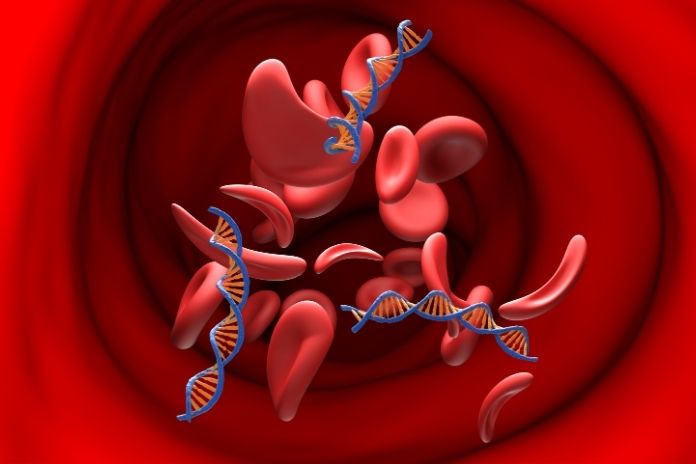
To understand stem cell therapy for type 1 diabetes, it’s important first to grasp what stem cells are.
Two key characteristics of stem cells make them unique. They can produce more of their own cells. They self-renew, in other words. Additionally, they can undergo differentiation, becoming cells with specialized functions. Nearly every tissue in the body contains stem cells. Further, they support tissue maintenance and repair tissues after injury.
Stem cells can stimulate the growth of nearby cells and replace damaged or diseased tissue. Scientists can genetically modify them to help the immune system identify and eliminate unhealthy tissue.
Genetic errors in stem cells, such as those found in blood cancer, can be fixed and reintroduced into the patient.
Additionally, stem cells can be used in gene therapy to deliver proteins or genes to specific tissues.
The capacity of stem cells to continuously self-renew, maybe for the duration of the patient’s life, is one of their main advantages.
How Stem Cell Therapy Could Work for Type 1 Diabetes
Recently, stem cells have been thoroughly investigated as a promising new therapy option for Type 1 diabetes. Juvenile diabetes, which is also known as type 1 diabetes, is an autoimmune condition in which immune cells destroy pancreatic beta cells that produce insulin.
This results in a shortage of insulin, a hormone that controls blood sugar levels, necessitating continuous insulin injections and blood sugar monitoring for patients.
At DVC Stem, stem cell therapy for diabetes has an approximately 80% success rate. It is determined by either improving metrics in the patient’s quality of life, the PAR-Q questionnaire, increasing organ function, or decreasing inflammatory markers.
With a noteworthy success rate in India, stem cell therapy is also becoming popular for treating diabetes, particularly type 2 diabetes. Important elements consist of:
Success Rate: According to this study, stem cell therapy has a 70–80% success rate in treating diabetes mellitus in India.
Therapy Process: Doctors inject stem cells into damaged tissue to encourage the body’s natural healing process. Adults, bone marrow, and the umbilical cord are sources of stem cells.
Insulin-Producing Cells: One important tactic for controlling type 2 diabetes is the transplantation of stem cells that develop into insulin-producing cells.
Read More: Low-Carb vs. Low-Fat for Type 2 Diabetes: What 27 Clinical Trials Actually Found
What Current Research and Clinical Trials Show
Despite the complexity of the science, the idea behind stem cell therapy is really straightforward. In type 1 diabetes, the immune system mistakenly attacks the pancreas, destroying the beta cells that produce insulin. Replacing these destroyed cells with new, functioning ones made from stem cells is the aim of stem cell therapy.
Nonetheless, there have always been two difficulties:
- Producing healthy beta cells that react to glucose by releasing insulin
- Preventing these new cells from being attacked by the immune system right away
The rejection issue may be resolved by “stealth” or “disguised” stem cells, according to recent research, including trials from Stanford Medicine and Vertex Pharmaceuticals.
Researchers hope to reduce the need for strong immunosuppressive medications by genetically modifying cells to evade the immune system, thereby increasing the number of patients who can benefit from the treatment.
Are Stem Cell Treatments Available Today?
A common question is: Is stem cell treatment available for diabetes?
According to the most recent International Diabetes Federation (IDF) Diabetes Atlas, 589 million people between the ages of 20 and 79 have diabetes, which has reached epidemic proportions globally. This startling figure indicates that 11.1% of adults worldwide have diabetes, or almost 1 in 9 adults. What’s even more alarming is that more than 40% of people with diabetes do not even know they have the disease.
Currently, most stem cell therapies are only available through regulated clinical trials. There is no universally approved cure for type 1 diabetes that stem cells can offer yet.
Hematopoietic (or blood) stem cell transplantation is now the only stem cell-based treatment that the U.S. Food and Drug Administration (FDA) regularly reviews and approves. Doctors use it to treat patients with immune system and blood abnormalities, as well as malignancies.
Certain clinics make unsupported claims about stem cell treatments. These may be dangerous and inefficient.
Potential Benefits of Stem Cell Therapy
If successful, future stem cell-based treatments for type 1 diabetes could transform lives.
Effectively Reduces Pain: Stem cells are used in pain management to reduce inflammation and relieve pain. The goal is to relieve pain while effectively healing and regenerating the injured area.
Encourages Conscientious Innovation: Stem cell therapy is a cutting-edge medical advancement that aids in the rejuvenation and regeneration of injured muscles, cartilage, nerves, and tissues. It guarantees safe and effective outcomes in addition to providing quick relief.
Boosts Flexibility, Range of Motion, and Function: In addition to speeding healing, stem cell therapies improve the functioning, range of motion, and flexibility of the damaged joint, muscle, or body part. Helping patients return their wounded body part to its pre-injury state is one of the most notable advantages.
One Possible Method for Reversing an Injury: Certain injuries can permanently harm tissue. Damaged tissue can gradually regenerate when stem cells are used, reducing frustration and providing long-lasting pain relief.
General Anesthesia Not Needed: Anesthesia is not necessary because stem cell therapy is non-surgical and minimally invasive. The technique is safer and more comfortable for patients because general anesthesia is not required.
Read More: Diagnosed With Diabetes? Here’s Exactly How to Tell the People Who Matter Most
Risks and Ethical Considerations
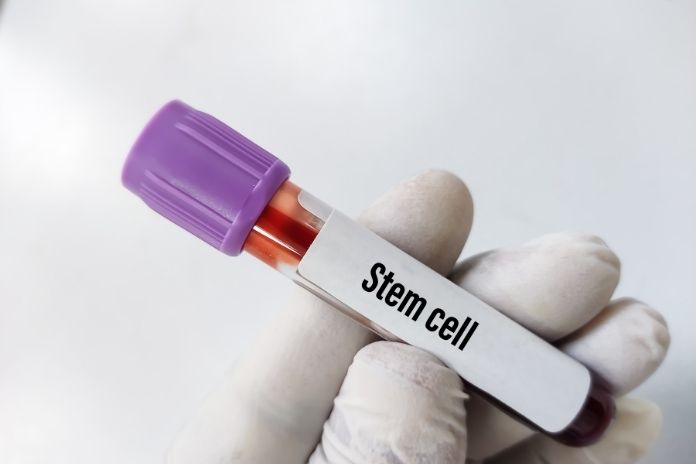
While promising, stem cell therapy for type 1 diabetes also raises concerns.
Injection Site Reactions: Many patients feel discomfort, swelling, redness, or soreness at the injection site because the majority of stem cell therapies include injections.
Infection—A Serious yet Common Risk: Infection is one of the biggest side effects of stem cell therapy. Bacteria can enter the body through any skin puncture and cause catastrophic diseases.
Blood Clots and Cardiovascular Risks: Rarely, stem cell treatments, particularly those administered intravenously, have been connected to blood clots and pulmonary embolisms, which can be fatal if left untreated. Individuals who already have clotting issues or cardiac conditions may be more vulnerable.
Migration and Distinction Issues: The innate propensity of stem cells to migrate and differentiate can have both positive and negative effects. They should ideally reach the injured location and transform into the type of cell required for healing.
However, unexpected consequences include differentiation into the wrong cell type (e.g., bone formation in soft tissues or organ failure) and migration to unintended locations in the body, leading to unwelcomed tissue formation far from the injection site.
How Close Are We to a Real Cure?
The big question remains: Is a cure for type 1 diabetes truly within reach?
The fascinating field of stem cells is driving advances in treatments for numerous illnesses.
As of now, the only proven stem cell-based treatments are for immune system and blood illnesses, including blood malignancies such as leukemia. Additionally, several potential stem cell treatments, including those for Parkinson’s disease, heart disease, and macular degeneration, are currently undergoing clinical trials.
However, patients must be aware of the numerous “bad actor” clinics that prey on vulnerable patients to market costly, unproven, and potentially hazardous interventions as remedies for a variety of ailments, including ALS, cancer, arthritis, MS, hair loss, back pain, and more.
Who Might Benefit First from These Therapies
Doctors can consider cell therapy for diabetes in any patient without contraindications. Patients with diabetes should not get stem cell therapy if they:
- Possess an acute phase of a chronic or infectious illness
- Either expecting or nursing a baby
In this instance, the patient must either go into remission, give birth, or wait for the lactation to stop. The therapy can then begin.
What People With Type 1 Diabetes Can Do Now

There are practical ways to treat the illness while we wait for new developments.
Advances in Current Management: Continuous glucose monitoring (CGMs), insulin pumps, and automated delivery systems are examples of modern management advancements.
Importance of Ongoing Care: Consistent observation and medical support remain necessary.
Keeping Informed: Patients are better able to make decisions if they are aware of upcoming therapies for type 1 diabetes.
Read More: Can You Eat Yogurt If You Have Diabetes? A Dietitian Explains
Conclusion
Although researchers have made tremendous progress, they still have a long way to go before they completely cure type 1 diabetes. Research on stem cell therapy for type 1 diabetes remains promising, particularly for enhancing quality of life and restoring insulin production. But issues such as accessibility, long-term safety, and immunological rejection persist.
Although modern medications effectively manage the illness, they do not replace the body’s natural insulin system. To get closer to a workable treatment, scientists are focusing on cutting-edge strategies, such as beta-cell replacement therapy. For now, it’s critical to stay informed, adhere to tried-and-true treatment regimens, and keep an eye on research developments.
References
- Centers for Disease Control and Prevention. (2024, May 15). Just diagnosed with type 1 diabetes.
- Diabetes UK. The type 1 diabetes grand challenge: Racing towards cures.
- Mayo Clinic. (January 21, 2026). Stem cells: What they are and what they do.
- PHG Foundation. What is stem cell therapy?
- Institute for Stem Cell & Regenerative Medicine, University of Washington. How does stem cell therapy work?
- Louis A. Cona, MD. (April 15, 2026). Stem Cell Therapy for Type 1 Diabetes (Updated 2026).
- Doral Health & Wellness. Stem cell cure for type 1? New trials insights.
- Advanced Sports & Spine. 10 benefits of a stem cell treatment.
- New York Stem Cell Foundation. Stem Cell Treatments: What You Need to Know.
In this Article