
















Diabetic ketoacidosis (DKA) is a dangerous and sometimes fatal consequence of diabetes that needs to be treated right away. It arises from insufficient insulin, which raises blood sugar levels dangerously and causes the body to produce ketones, which acidify the blood. Delaying treatment can cause serious problems, lead to a coma, or even result in death.
The definition of DKA, its early and advanced warning symptoms, its main causes and triggers, how it differs from basic high blood sugar, and, above all, when to go to the ER for high blood sugar are all covered in this article. Additionally, we will go over diagnosis, hospital care, preventive measures, and what to do if you suspect an emergency at home.
- DKA is a life-threatening diabetes complication caused by a lack of insulin and high ketones.
- Watch early signs like thirst, frequent urination, nausea, and fatigue.
- Go to the ER immediately if vomiting, confusion, or rapid breathing occurs.
Read More: Type 2 Diabetes Can Cause DKA: Understanding Ketosis-Prone Diabetes and Why It’s Often Missed
What Is Diabetic Ketoacidosis (DKA)?
Diabetic ketoacidosis (DKA) is a potentially fatal consequence of diabetes. People with type 1 diabetes are more likely to experience DKA. DKA can also occur in people who have type 2 diabetes.
DKA is a sequence of events that begins when the body does not have enough insulin to meet the current metabolic demand, leading to significant blood imbalances. The body attempts to produce energy from alternative sources when the insulin levels are insufficient. As a result, your blood becomes more acidic, and breathing may become more difficult. Additionally, you may experience extreme dehydration and even enter a coma.
According to Harvard Health, you are more likely to get type 1 diabetes if you already have the disease. Ketoacidosis can also result from missing an insulin administration.
Early Symptoms of DKA

Early detection of the diabetic ketoacidosis symptoms can save the condition from developing into a medical emergency. Because early warning symptoms frequently mimic common illnesses, knowledge is crucial.
- Excessive thirst
- Having to urinate a lot
- Throwing up or feeling queasy
- Stomachache
- Exhaustion, weakness, or extreme fatigue
- Difficulty breathing
- Breath that smells fruity
- Uncertainty
- High blood sugar
- Elevated urine ketone levels
Ketoacidosis symptoms can appear suddenly, sometimes in a single day. It’s best to get medical help as soon as possible.
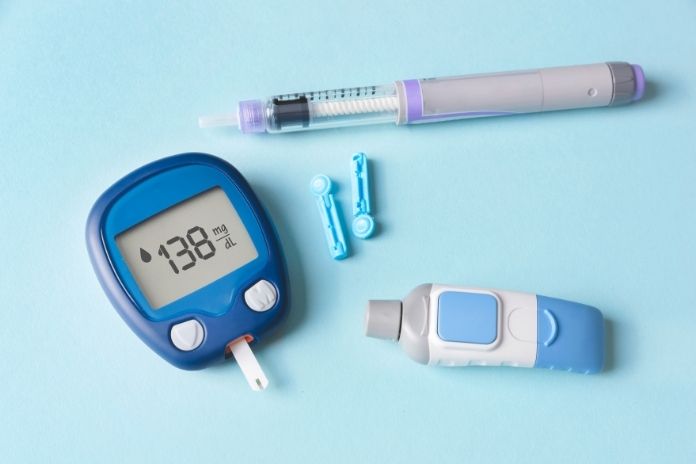
You can detect ketones with a simple urine test using a strip that resembles a blood test strip. When your blood glucose level exceeds 240 mg/dL, several specialists recommend testing your urine for ketones. To find out when and how to test for ketones, consult your physician.
Advanced and Emergency Symptoms
The symptoms of DKA worsen and become potentially fatal as the condition worsens. These are critical signs of diabetic ketoacidosis that require emergency intervention.
Abdominal Pain Severe: In DKA, abdominal pain can vary from moderate cramps to severe, stabbing pain. It is frequently associated with increasing acidosis and elevated ketone levels.
What to be aware of:
- Sudden onset of cramping or severe pain
- Pain that over-the-counter medications are unable to relieve
- Pain and additional warning indicators of DKA
Persistent Vomiting or Inability to Hold Fluids: Vomiting further depletes your body’s electrolyte and fluid reserves. Your condition may rapidly deteriorate as a result of this dehydration, which makes it more difficult to eliminate more ketones.
What to be aware of:
- Vomiting more than twice in a short time
- Inability to consume clear liquids or water without throwing up
- Dehydration symptoms like dry mouth, decreased urination, or dizziness
Rapid, Deep Breathing (Kussmaul Respiration): Your body uses rapid, deep breathing to help expel excess acid. Despite being a natural reaction, it indicates severe acidosis.
What to be aware of:
- Breathing that is notably quicker or deeper than usual
- Panting or gasping, even when at rest
- A sensation that, while breathing quickly, one is not getting enough air
Confusion, Lethargy, or Altered Mental State: Acidic blood and elevated ketone levels can disrupt normal brain function. Mental disorders can develop rapidly and result in coma.
What to be aware of:
- Inability to focus or communicate effectively
- Extreme sleepiness or trouble waking up
- Confusion regarding individuals, places, or time
Extremely High Blood Glucose Levels (Over 300 mg/dL): Blood sugar levels above 300 mg/dL are a warning sign of inadequate management and the potential start of DKA. Elevated glucose levels worsen dehydration and ketone production.
What to be aware of
- Persistently elevated levels beyond 300 mg/dL (16.7 mmol/L) despite additional insulin
- Blood sugar that remains elevated despite multiple doses of correction
- You must frequently correct high blood sugar levels, but this has little long-term impact
Read More: Normal Blood Sugar but Severe Symptoms? Understanding the Euglycemic DKA Risk With SGLT2 Inhibitors
Common Causes and Triggers of DKA
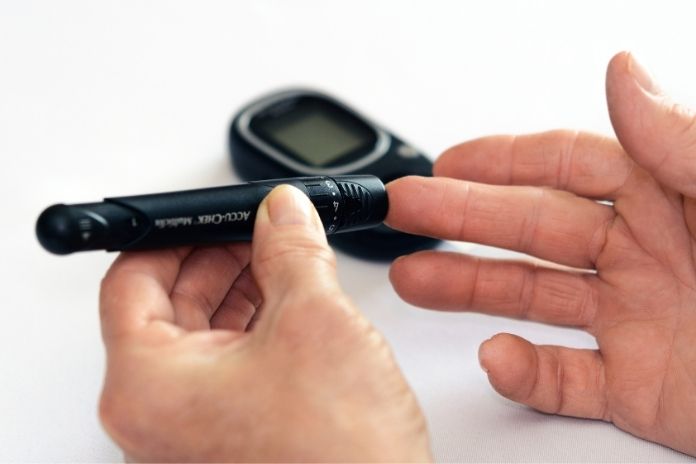
DKA is caused by extreme high blood sugar and insufficient insulin. The two most frequent reasons are the following:
- It could be difficult to control your blood sugar because you can’t eat or drink as much as you usually can.
- Insufficient insulin dosage, a blocked insulin pump, or missing insulin doses.
Additional factors that may result in diabetic ketoacidosis include the following:
- Mental or physical discomfort
- Stroke or heart attack
- Pancreatitis is the term for the swelling and inflammation of the pancreas
- Pregnancy
- Abuse of drugs or alcohol, especially cocaine
- Some medications, like corticosteroids and certain diuretics, are water pills
How DKA Differs From Regular High Blood Sugar
HHS and DKA have some characteristics. They both stem from a problem with insulin that dangerously raises blood sugar levels.
People with type 1 diabetes are more likely to get DKA, while type 2 diabetics can also experience the illness. It happens when the body doesn’t have enough insulin to use sugar as fuel.
This shortage causes the liver to begin breaking down lipids rather than sugars for energy. It produces ketones during this process. The quantity of ketones can quickly rise to an excessive level, putting the person in danger.
HHS usually affects those who have type 2 diabetes. The pancreas continues to produce insulin, unlike in DKA. The peripheral tissues, however, are extremely resistant to this hormone, leading to a dangerous accumulation of blood sugar.
If a person does not get treatment right away, both illnesses could be fatal.
When to Go to the ER Immediately
If you have abnormal blood sugar levels that don’t go down with at-home diabetes treatment, have been throwing up and can’t hold down food, or have slightly or extremely high blood or urine ketones, call your doctor right away. According to the American Diabetes Association, getting medical attention as soon as possible helps reduce the severe consequences of ketoacidosis, which may include diabetic coma or even death.
Your doctor will check your electrolyte, ketone, and glucose levels to diagnose you. They might also look for infections. You might require hospital treatment if they diagnose you with diabetic ketoacidosis.
One dangerous consequence of diabetes is ketoacidosis. Understanding the signs of diabetic ketoacidosis is crucial if you have diabetes. However, as long as you take your doctor’s recommendations to manage your illness effectively, you shouldn’t have to worry about it too much.
How DKA Is Diagnosed and Treated in the Hospital
The DKA treatment hospital process focuses on quickly stabilizing the patient and correcting metabolic imbalances.
Your healthcare physician will inquire about your symptoms and medical history. There will be an exam as well.
Doctors will perform blood tests to measure your glucose levels and check for ketones. They may also test your urine and run additional blood tests if needed:
- The amount of dissolved particles in your blood (plasma osmolarity).
- The amount of specific electrolytes, such as sodium, potassium, chloride, and bicarbonate, in your blood. It’s known as a basic metabolic panel.
- Your kidneys work.
An electrocardiogram (EKG) may also be necessary to assess your cardiac rhythm. It is because altered blood electrolyte levels may lead to cardiac issues.
You may receive treatment in the emergency room or be admitted to the hospital if you are diagnosed with diabetic ketoacidosis. Typically, treatment entails:
Fluids: Urinating frequently replenishes lost fluids. They reduce blood sugar as well. Doctors can administer fluids orally or intravenously. When they deliver them through a vein, they call them IV fluids.
Replacement of Electrolytes: Electrolytes are minerals with an electric charge found in the blood, such as sodium, potassium, and chloride. Electrolytes are necessary for many organs and tissues to function properly. Insufficient insulin lowers the blood levels of several electrolytes. Doctors administer electrolytes intravenously to support healthy heart, muscle, and nerve cell functions.
Insulin Therapy: Insulin reverses diabetic ketoacidosis. Doctors often administer insulin, fluids, and electrolytes intravenously. When your blood sugar drops to approximately 200 mg/dL (11.1 mmol/L) and your blood no longer contains excessive amounts of acid, you might be ready to resume your normal insulin therapy.
Read More: Stage 2 CKD With Diabetes: How to Slow Progression and Protect Kidney Function
Can DKA Be Prevented?

By taking good care of your diabetes, you can significantly reduce your risk of developing DKA. It entails taking all of your medications, including insulin, as directed. Make sure your blood sugar is neither too high nor too low by taking frequent readings. You might need to discuss temporarily altering your insulin dosage with your physician if you are ill.
When you’re unwell, you may require more insulin than usual. If you experience symptoms or have elevated blood sugar, call your doctor. It could prevent DKA from worsening.
What to Do if You Suspect DKA at Home
Take prompt action if you suspect early diabetic ketoacidosis symptoms. Check your blood sugar and ketones immediately. If ketones are high, this may indicate blood sugar emergency symptoms and require urgent care.
If at all possible, stay hydrated, but don’t put off getting medical help. It is obvious when to go to the ER for high blood sugar if vomiting, disorientation, or worsening symptoms occur.
Only very early cases are suitable for home management. Hospital therapy is required once signs of diabetic ketoacidosis worsen.
Conclusion
If left untreated, diabetic ketoacidosis symptoms may rapidly worsen, transforming a treatable illness into a potentially fatal emergency. For prompt action, it is very crucial to comprehend how DKA develops, recognize the early warning signs, and spot major red flags.
These symptoms, which range from extreme thirst and exhaustion to disorientation and respiratory issues, should never be disregarded. When it comes to avoiding problems and guaranteeing appropriate care, knowing when to go to the ER for high blood sugar can be crucial.
References
- Abbott. Diabetic ketoacidosis (DKA): Symptoms and treatment.
- Centers for Disease Control and Prevention. (2024, May 15). Diabetic ketoacidosis.
- Cooperman Barnabas Medical Center. Diabetic ketoacidosis (DKA).
- Mayo Clinic. (July 25, 2025). Diabetic ketoacidosis.
- Ubie Health. (2026, April 28). DKA emergencies: 7 symptoms that require an immediate ER visit.
- Cedars-Sinai. Diabetic ketoacidosis.
- Osama Hamdy, MD. (March 21, 2024). Diabetic Ketoacidosis (DKA) Treatment & Management.
- Houston Heights ER. Diabetic ketoacidosis treatment and emergency care.
- diaTribe. (2024, January 29). Can you have DKA without high blood sugars?
In this Article