















Many people experience anxiety before a dental appointment. Some people have modest anxiety prior to an appointment, while others may develop a significant fear of the dentist that prevents them from receiving care at all. Sadly, this avoidance can deteriorate dental health and start a vicious cycle that becomes more difficult to overcome over time.
What dental anxiety is, why it occurs, and how it impacts your health are all covered in this article. Additionally, you will learn useful, scientifically supported approaches to overcoming dental fear, including coping mechanisms, relaxation techniques, and contemporary treatment options such as sedation dentistry.
- Dental anxiety is common and can lead to serious oral and overall health issues if ignored.
- Simple strategies like communication, breathing techniques, and gradual exposure can ease fear.
- Modern dentistry offers safe sedation options to make treatments more comfortable and stress-free.
Read More: Water Flosser vs String Floss: The Definitive Guide for Better Dental Hygiene
What Is Dental Anxiety and How Common Is It?
Children and adults alike frequently struggle with dental phobia. In fact, almost one in five Americans (21%) have avoided dental care due to fear, according to the 2025 State of America’s Oral Health and Wellness Report.
While it’s normal to feel uneasy about an uncomfortable situation, skipping dental treatment often leads to worse oral health, discomfort, and more expensive, complicated dental procedures down the road. Confronting dental anxiety is crucial for those who suffer from it.
While most people are aware of their anxiety levels, those with mild dental anxiety might not even be aware of it. Sweating, heart palpitations, anxiety, fear, sobbing, anger, feeling overburdened, and a general sense of panic are common symptoms.
“Anxiety is the body’s natural response to new or uncertain situations,” according to Dr. Jennifer Farrell, DDS, DABSCD, director of the Phil and Karen Hunke Special Care Clinic at UT Dentistry.
“While some level of anxiety is normal, when it becomes overwhelming, it can result in avoiding dental appointments altogether,” she said. “Long-term avoidance can lead to deteriorating oral health, which may eventually impact overall well-being.”
Why Do People Fear the Dentist?
You might be surprised to learn how frequent dental anxiety is. Many people experience anxiety and dread at the mere prospect of sitting in a dentist’s chair. Actually, research indicates that 36% of people have dental anxiety, and 12% have dental phobia, an extreme form of the condition. Adults may avoid the dentist for various reasons. The following are typical causes of dental anxiety:
Previous Experiences
Due to past negative experiences, many individuals avoid going to the dentist. Dental visits may seem like a nightmare due to a bad childhood experience or an uncomfortable procedure. Another significant factor is the fear of discomfort or pain.
Shame in Dental Health
Shame or humiliation over one’s dental condition is a frequent excuse for avoiding an appointment with your dentist. Many people have self-consciousness and anxiety over their dentist’s opinion, which can cause avoidance behavior and exacerbate dental problems.
Financial Issues
It is also impossible to ignore financial issues. For many people, the expense of dental treatment can be a significant obstacle. Even a normal checkup can feel intimidating if you’re worried about the cost, especially if you don’t have dental insurance or have limited funds.
You might not have dental coverage, be retired, have a low income, be unemployed, or be a student. Expensive services may force you to make significant out-of-pocket expenditures even if you have insurance.
Signs You May Have Dental Anxiety or Phobia
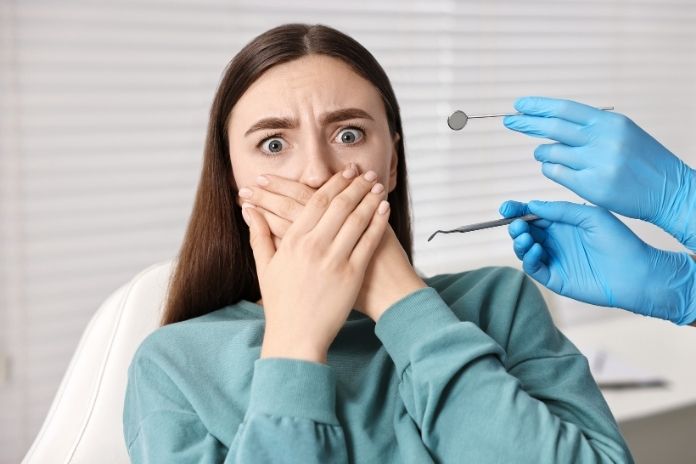
Dental anxiety might have minor to severe symptoms, and it’s not always easy to recognize them. However, you are probably suffering from dental anxiety if you have any of the following problems before or during a dental appointment:
- Pulsing heart
- Sweating
- Signs of stress, such as sobbing or panicking
- Difficulty falling asleep the night before a dental visit
- Breathing difficulties
- Variations in temper or mood
- Inability to focus
- Excessive anxiety
- Feeling weak or worn out
- Feeling the need to stay away from whatever is making you nervous
Read More: Dental Implants vs. Dentures: A Comprehensive Guide to Replacing Missing Teeth
Practical Strategies to Manage Dental Anxiety Before Your Appointment
These useful suggestions will help you get ready and feel more comfortable if you’ve been putting off dental care due to fear:
Communication with Your Dental Team: Share your worries honestly with your dentist. Dental experts can help patients relax since they have experience managing anxiety.
Bring a Relative or Friend: Having a trusted companion with you can make you feel more at ease, particularly on your first return.
Make an Early Appointment: Because you won’t have as much time to prepare for your visit during the day, early appointments can help you feel less stressed.
Distractions: To divert your attention from the process, think about your “happy place” or use stress balls or headphones. As a diversion, several dental offices provide music or television.
Practice Deep Breathing: Before and throughout your appointment, try taking calm, deep breaths. It calms your nervous system and lowers your heart rate.
Techniques to Stay Calm During Dental Visits
People have conflicting feelings about visiting the dentist regularly. Some people find them tolerable, while the idea of being in the dentist’s chair causes severe anxiety in others. Avoidance driven by this concern often results in inadequate dental care.
Patients can reduce their anxiety before or during their session, even though dentistry can feel intrusive.
Talk to your dentist about your anxiety: The first thing you should do is be open about how nervous you are about visiting the dentist. Your dentist will be able to assist you more effectively if they are aware of your anxieties. In certain situations, your dentist may be able to recommend medication for you to take before the treatment. As a result, your anxiety is less likely to worsen.
Plan a dental procedure when you’re well-rested: reschedule your dentist appointment if you’re feeling worn out or exhausted. Your dentist may find it difficult to perform their duties if you are too tired to be polite and helpful.
Try the gradual exposure approach: This method entails gradually raising your comfort level during a dental appointment. For instance, begin with a consultation, advance to basic cleanings, and then proceed to more involved treatments.
Dental Treatment Options That Can Reduce Anxiety
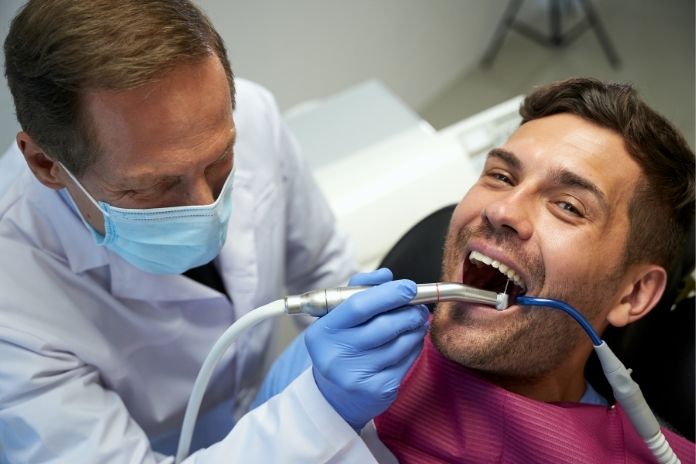
Medication or sedation can help patients relax during dental procedures. The patient may be in profound sedation, on the verge of consciousness but still able to be roused if needed, or in minimal sedation, where they are awake but relaxed. The most popular sedatives used in dentistry are as follows:
Laughing Gas, or Nitrous Oxide
Laughing gas, also known as nitrous oxide, is one of the most popular sedatives used in dentistry. You inhale it through a mask over your nose, and it takes effect within mins. During a dental procedure, nitrous oxide can reduce anxiety by inducing feelings of euphoria and relaxation. The fact that nitrous oxide’s effects swiftly fade upon exhalation is one of its main advantages.
Oral Sedation
Before the dental procedure, oral sedation involves taking a prescribed medication, usually in tablet form. Benzodiazepines, which offer relaxing effects, such as Valium or Xanax, are the most often prescribed oral sedatives. Oral sedation may be mild to moderate, depending on the dosage.
IV (intravenous) Sedation
IV sedation involves injecting a sedative straight into the bloodstream via a vein, typically in the arm. Patients having severe dental anxiety or those undergoing longer, more complicated treatments will find this method perfect because it enables quick and accurate management of the sedative level. Many people may not remember the surgery after receiving IV sedation since it causes a profound state of relaxation.
General Anesthesia
The deepest level of sedation, known as general anesthesia, renders the patient totally asleep for the duration of the dental treatment. Dentists usually reserve it for individuals with severe dental anxiety, complicated procedures, or specific needs that make other types of sedation ineffective. An anesthesiologist administers general anesthesia at a hospital or specialty dentistry clinic.
Read More: Effortless Oral Care: The Top 7 Water Dental Flossers for Superior Dental Hygiene
When Professional Help May Be Needed
You may need professional assistance if your dental phobia is severe and prevents you from receiving care.
One of the best therapies for anxiety disorders, including dental anxiety, is cognitive behavioral therapy (CBT). It benefits you:
- Recognize unfavorable mental processes.
- Swap them out for actual ones.
- Develop coping strategies.
Tips for Parents: Helping Children With Dental Fear

Parents can help their children avoid developing a fear of the dentist at a young age.
- Children pick up on your tone and body language, so model calm behavior.
- Don’t promise “no pain”; instead, use straightforward and upbeat language.
- Before and during the dentist visit, engage in brief breathing exercises together.
- To create a cozy atmosphere, bring familiar objects and your favorite music.
- Focus on developing trust with a pediatric dentist while coordinating with the dental team regarding any prior experiences or sensitivities.
Why Addressing Dental Anxiety Matters for Overall Health
Ignoring dental anxiety can have detrimental effects that go beyond dental health. Heart disease, diabetes, and respiratory infections are all associated with poor oral health.
Frequent dental care lowers long-term costs, prevents invasive procedures, and helps identify issues early.
Addressing fear of the dentist is essential for maintaining overall well-being.
Read More: Why Good Dental Care Before Cancer Treatment Helps Prevent Mouth Sores
Conclusion
In addition to being feasible, overcoming dental anxiety is crucial for preserving long-term oral and general health. You can start taking small, manageable steps toward more comfortable dental appointments by understanding the underlying causes of your fear of the dentist.
Every action contributes to lowering anxiety and boosting self-assurance, whether it’s selecting a friendly dentist, engaging in relaxation exercises, or researching contemporary treatment alternatives.
Open communication and consistent care are essential for ending the avoidance loop and achieving better results. Remember that modern dentists prioritize patients’ comfort and safety.
References
- The University of Texas Health Science Center at San Antonio. (2025, April 3). Overcoming dental anxiety: Your path to a healthier smile.
- Dr. Natalie Rudoni, DDS. Why are people afraid of the dentist?
- Lockwood. (September 10, 2025). How to Overcome Dental Anxiety Before Your Appointment.
- Vose Family Dentistry. Five ways to stay calm and get the dental work done.
- Kaitlin McKelvy and Katherine Kirk. (September 05, 2024). Dental anxiety: Three tips and techniques for a calmer trip to the dentist.
- Perfect Smiles. (August 26, 2024). The Best Sedation Options for Patients with Dental Anxiety.
- Ferguson Dental Associates. (June 20, 2020). Help and Options for Dental Anxiety Treatment.
- Giesler Family Dentistry. Ease dental anxiety: 5 proven methods.
- Brentwood Pediatric Dentistry. How to help your child overcome their dentophobia (fear of dentists).
- Leap Kids Dental. (2026, April 24). Easing dental fear in kids: A complete guide.
In this Article