













Menopause occurs gradually as a biological transition rather than all of a sudden. The initial phase, referred to as perimenopause symptoms, may start several years before the complete cessation of your menstrual cycles. Throughout this period, many women experience slight physical and emotional changes due to hormonal fluctuations.
This article will address all aspects of the early signs of menopause, including its onset, typical and subtle symptoms, the underlying science of these changes, and effective management strategies. Additionally, you’ll find out how to know if menopause is starting and when it’s advisable to consult a doctor.
- Perimenopause begins years before menopause, causing hormonal changes and early symptoms like irregular periods and mood swings.
- Common signs include hot flashes, sleep issues, and weight changes.
- Lifestyle changes and medical support can effectively manage symptoms and improve overall well-being.
Read More: How Long Does Menopause Last? What to Expect at Each Stage
What Is Perimenopause and When Does It Start?
Perimenopause, which is often known as “around menopause,” is the period of time before menopause during which the ovaries produce fewer hormones, particularly progesterone and estrogen.
Unlike menopause, which requires 12 months without periods, perimenopause includes the years before menopause and causes hormonal fluctuations that trigger emotional and physical changes.
The time, length, and symptoms of this phase vary from months to more than ten years for each woman. To manage symptoms and preserve well-being during this important life stage, it is essential to comprehend this change.
In their late 30s or early 40s, the majority of women start to experience symptoms associated with hormonal changes and alterations in their menstrual cycles. Perimenopause frequently begins slowly and subtly. However, the following variables affect the precise timing.
“Perimenopausal symptoms are caused by hormonal fluctuations.” “It is kind of like puberty in reverse,” explains Morgan Steffen, DO, OB-GYN resident. She adds, “The most prominent change in hormones is a decrease in estrogen, which occurs when the body no longer ovulates (releases eggs from the ovary).”
The Most Common Early Signs of Menopause

The majority of women will have menopausal symptoms, and many will have early signs while still menstruating. Menopausal symptoms can start months or even years before menstruation ends and continue for years afterward.
You will probably experience menopausal symptoms much less gradually if you go through menopause as a result of surgery or medical therapies:
Period Irregularities: One of the most prevalent and obvious indicators of menopause is irregular periods. When will your menstrual cycle get lighter, heavier, longer, or shorter?
Hot Flashes and Nighttime Sweats: Sweating and sudden heat waves can happen at any time. Notably, night sweats can leave you tired and disrupt your sleep.
Sleep Disturbances: Due to hot flashes or hormonal changes, many women experience severe insomnia or frequent nightly awakenings.
Mood Swings and Irritability: Similar to PMS but more severe, hormonal changes might cause worry, despair, or increased irritability.
Weight Gain and Reduced Metabolism: Menopause and weight gain may result from hormonal changes that enhance fat storage, particularly in the abdominal area.
Read More: Best Diet for Menopause: Foods That Help and Foods to Limit
Less Obvious Early Symptoms to Watch For
Many people do not immediately recognize all perimenopause symptoms as hormone-related, and some remain subtle but equally important:
Vaginal Dryness: Low vaginal lubrication from lower estrogen levels causes discomfort during sexual activity and increases the risk of infections.
Reduced Libido: Due to hormonal changes and vaginal dryness, many women experience a reduction in their desire for sex.
Dry Skin and Thinning Hair: Estrogen helps keep skin and hair healthy; when estrogen levels drop, it can cause dry, itchy skin, thinning hair, or both.
Breast Tenderness: Similar to PMS, many women experience breast enlargement and tenderness, primarily as a result of hormonal fluctuations.
Urinary Incontinence: Weak pelvic muscles and a weakened urinary lining cause frequent urination or leakage when laughing or sneezing.
Muscular and Joint Pain: Because estrogen has anti-inflammatory properties, decreased levels can lead to muscular pain and joint stiffness.
Memory Problems and Brain Fog: The most prevalent symptoms of perimenopause include difficulty focusing, forgetfulness, and mental exhaustion.
Digestive Issue: Hormonal fluctuations can also affect gut health, leading to bloating, gas, and altered digestion.
Menstrual Flow Changes: Your periods may become lighter or heavier, and you may even see skin changes months before they entirely end.
Why These Symptoms Happen
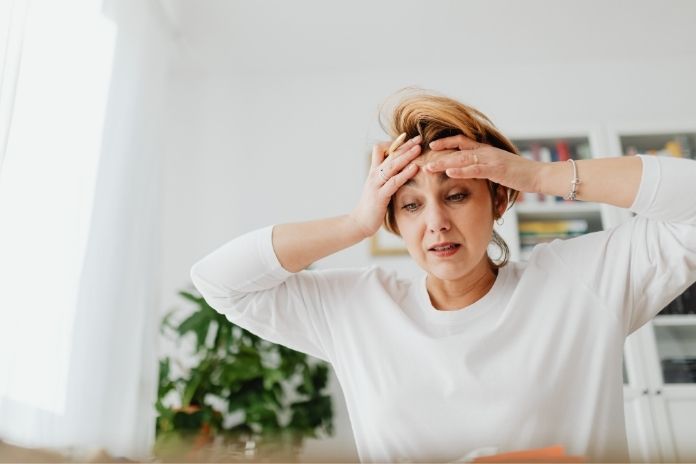
Your ovaries cease producing progesterone and estrogen as well as eggs during natural menopause. You become infertile and cease getting your period when this happens. Menopause can also result from ovarian surgery, chemotherapy, or hormone therapy used to treat breast cancer.
Hormones control everything, including mood and temperature. In perimenopause:
- The brain’s ability to regulate body temperature is affected by fluctuating estrogen levels, which can lead to vasomotor symptoms (hot flashes, night sweats).
- Progesterone fluctuations affect mood and sleep.
- Skin health and bone density are affected by decreased estrogen levels.
How to Tell If It’s Menopause or Something Else
Many people believe that menopause is the source of hot flashes, exhaustion, and mood swings. Although these indicators typically signal a hormonal shift, other illnesses can also cause them. Sometimes what appears to be menopause is actually something completely else.
Contrary to popular belief, this misconception is more prevalent in women’s health.
Misinterpreting the symptoms can result in “false menopause.” Menopause-like symptoms brought on by unrelated medical conditions are a very real experience, despite not being a formal name. A misdiagnosis of menopause may follow, which could cause treatment to be incorrect or delayed.
Thyroid Disorders
One common cause is thyroid abnormalities:
- Hot flushes, anxiety, difficulty sleeping, and a pounding heart are all signs ofhyperthyroidism.
- Fatigue, melancholy, brain fog, temperature intolerance, and weight gain can all result fromhypothyroidism.
Non-Menopausal Hormonal Imbalances
Menopause is not the cause of all hormonal changes. Conditions such as the following can cause menstrual irregularities, weight gain, mood swings, and sleep problems:
- PCOS stands forpolycystic ovary syndrome
- POI, orPrimary ovarian insufficiency
- Elevated cortisol due to long-term stress
Side Effects of Medication
Some drugs may cause menopausal-like symptoms:
- Antidepressants may alter libido and sleep patterns and induce sweating.
- Radiation and chemotherapy can cause menopause or comparable symptoms.
- Blood pressure medicines may cause fatigue and changes in libido.
Important Lifestyle Facts
Fatigue, brain fog, and mood swings can also be caused or exacerbated by unmanaged stress, poor sleep patterns, a sedentary lifestyle, and dietary deficiencies (like low levels of iron or vitamin B12).
Read More: It’s Not Just “Stress”: How Menopause and Pregnancy Rewrite Your Sleep Biology
How Long Do Early Menopause Symptoms Last?
Menopause symptoms typically last seven years, with four and a half years of symptoms after the last menstrual cycle. However, this might vary greatly from person to person. Studies indicate that symptoms may last for up to 10 years or longer if they began early, during perimenopause, or in the initial months of menopause.
Ongoing hormonal changes may impact your health and well-being during menopause. The hormones progesterone and estrogen are produced in smaller quantities by your body. Menopause can have detrimental effects on your emotions, sexuality, metabolism, and sleep.
Additionally, you may experience problems with temperature dysregulation, thinning hair, and weight gain. Managing these symptoms is a crucial component of women’s health and wellness care because menopause can last for almost ten years of your life.
Menopause-related discomfort is not something you have to endure. Modern medicine offers choices for managing and reducing symptoms that can help your menopause go more smoothly.
What You Can Do to Manage Early Symptoms
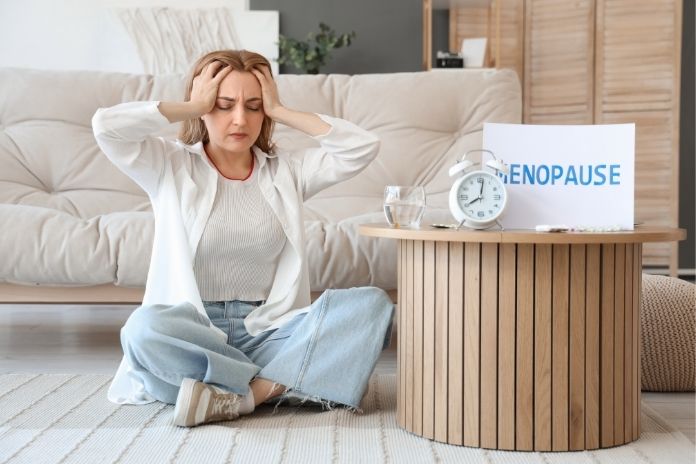
Managing perimenopause symptoms usually involves a combination of lifestyle changes and medical support.
Modifications to Lifestyle
- Balanced Diet:A good balanced diet should include lean proteins, healthy fats, and complete foods.
- Regular Exercise:Yoga, cardio, and strength training help to balance hormones
- Stay Hydrated:Drink enough water to prevent bloating and preserve the quality of your skin.
- Sleep Well:To improve the quality of your sleep, establish a regular bedtime routine.
Medical Procedures
- Hormone Replacement Therapy (HRT):Reduce symptoms and help balance estrogen.
- Vaginal Estrogen Therapy:Lessens pain and dryness in the vagina.
Consider contacting the top gynecological hospital if you believe that your symptoms are becoming more severe or interfering with your day-to-day activities, or if menopause starts before the age of 40.
When to See a Doctor

It’s very crucial to consult a doctor if you notice any early signs of menopause, particularly if they start abnormally early. Noticing the first symptoms of menopause at age 40 or earlier may indicate premature menopause and should be evaluated. Address irregular periods, menopause, heavy or prolonged bleeding, and unexpected changes in your cycle.
Do not disregard severe sleep disturbances, mood swings, or any other perimenopause symptoms that interfere with day-to-day activities. Seeing a doctor can help you manage symptoms and rule out other disorders if these problems start to impact your overall health negatively.
Read More: Menopause or Panic Attack: Why Your Heart Is Pounding (and What to Do Next)
Conclusion
It is crucial to identify the early signs of menopause to confidently and easily navigate this normal life change. Understanding the changes usually enables you to take proactive measures to improve your health, from mild perimenopause symptoms like irregular periods and mood swings to more obvious ones such as hot flashes and sleep disruptions.
The menopausal timeframe varies greatly, and every woman’s path is different. You can effectively manage the symptoms and enhance your overall well-being by being mindful of your body, leading a healthy lifestyle, and consulting a doctor when necessary.
References
- Mount Nittany. (June 3, 2025). How do I know if I’m starting perimenopause?
- Nebraska Medicine. (2024, July 5). What are perimenopause symptoms, and when can they start?
- University of Utah Health. Perimenopause: Signs, symptoms, & treatments.
- Johns Hopkins Medicine. Perimenopause.
- UPMC. (2022, April 26). Perimenopause: How to Spot the First Signs of Menopause.
- NHS inform. (18 March, 2026). Signs and symptoms of menopause.
- World Health Organisation. (16 October 2024). Menopause.
- Mayo Clinic. (August 07, 2024). Menopause.
- UPMC. Menopause.
- Hailey Kean. (April 09, 2026). False Menopause: Conditions That Mimic the Change.
In this Article