














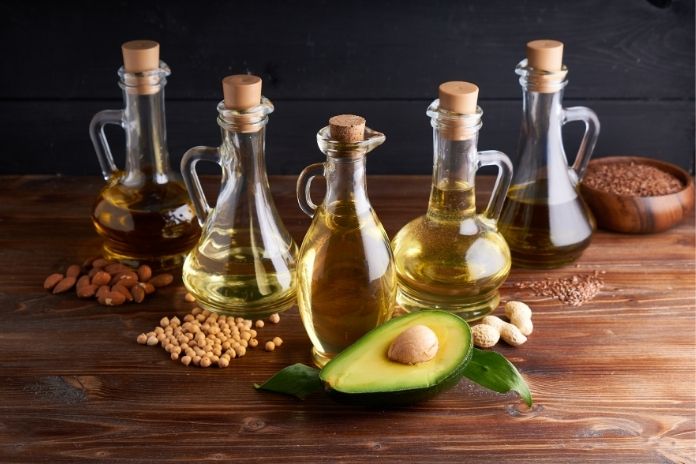
Seed oils have become one of the most polarizing topics in metabolic health discussions. On one side, social media influencers and some researchers argue that these oils drive insulin resistance and worsen blood sugar control. On the other hand, most mainstream nutrition scientists point to decades of clinical trial data showing the opposite.
The gap between those two positions is not simply a matter of opinion. It reflects genuinely different interpretations of the evidence, different study designs, and a tendency on both sides to treat a complex nutritional context as though it has a clean single-ingredient answer.
Understanding what the seed oils and blood sugar debate is actually about, and what research shows, requires stepping back from the noise and examining the full picture. This article covers what seed oils are, why the controversy exists, what clinical and observational research says about their effect on insulin sensitivity and glucose levels, and what factors genuinely matter more for blood sugar control.
- Seed oils are high in omega-6 linoleic acid, a polyunsaturated fat the body cannot produce. Their rise in the food supply has been linked by some researchers to increased metabolic disease rates, though that association does not establish causation.
- Clinical trials and large pooled analyses have generally found that linoleic acid improves, not worsens, markers of insulin sensitivity and blood sugar control compared to saturated fats or refined carbohydrates.
- The inflammation concerns attached to omega-6 fats remain scientifically contested. Most rigorous human studies do not find meaningful pro-inflammatory effects from seed oils at typical dietary intakes.
- Blood sugar control depends far more on overall diet quality, refined carbohydrate intake, physical activity, and body composition than on which cooking oil is used.
What Are Seed Oils

Seed oils are plant-derived fats extracted from seeds rather than the fruit of a plant. Common examples include soybean, corn, canola, sunflower, safflower, cottonseed, grapeseed, and rice bran oil. These differ from olive oil, coconut oil, and avocado oil, which are pressed from the flesh of their respective fruits.
The defining characteristic of most seed oils is their high concentration of polyunsaturated fatty acids (PUFAs), particularly omega-6 fatty acids. Linoleic acid, an 18-carbon omega-6 fat, makes up the dominant PUFA in most seed oils. Soybean oil, one of the most consumed oils in the United States, is approximately 55 percent polyunsaturated fat.
Unlike olive oil, which can be cold-pressed with minimal processing, industrial seed oil production typically involves solvent extraction, followed by refining, bleaching, and deodorizing. Critics of seed oils often point to this processing as a source of concern, arguing that it introduces oxidized lipid byproducts into the final product. Proponents counter that refining actually removes impurities, making the oil more shelf-stable and safer for cooking.
Why Seed Oils Are Linked to Blood Sugar in the Debate
The seed oils controversy involving blood sugar control centers on several overlapping claims. The most prominent is that omega-6 fatty acids promote chronic, low-grade inflammation, which impairs insulin signaling and drives insulin resistance. A second concern is the dramatic increase in omega-6 consumption in Western diets over the past century, running parallel to rising rates of obesity and type 2 diabetes.
That parallel timing is real, but correlation is not causation. The same period also saw steep increases in refined sugar consumption, ultra-processed food intake, and sedentary behavior. Blaming seed oils specifically requires separating them from everything else that changed at the same time.
Another key dimension is how seed oils appear in the food supply. Most processed, packaged, and fast foods contain seed oils. When people eat diets high in these products, the oils are often accompanied by added sugar, sodium, and refined starches. Attributing metabolic effects to the oil rather than the total dietary pattern requires controlled trials that are difficult to conduct at scale.
Dr. Christopher Gardner, PhD, director of nutrition studies at the Stanford Prevention Research Center, made this point directly: he noted that “until we do a controlled trial where we compare the effects of all this junk food with versus without seed oils”, attributing any health outcome to the oil alone is not scientifically justified.
How Dietary Fats Affect Blood Sugar Regulation
Fat does not raise blood sugar directly. Unlike carbohydrates, which break down into glucose and enter the bloodstream, dietary fats do not produce a meaningful glycemic response on their own. Their effect on blood sugar regulation is indirect: fats slow gastric emptying, blunting the post-meal rise in blood glucose when consumed alongside carbohydrates. They also influence cell membrane composition and insulin receptor sensitivity over time.
The type of fat consumed matters. Saturated fats, found in butter, lard, and tropical oils, have been consistently associated with increased insulin resistance in controlled feeding trials compared with unsaturated alternatives. Monounsaturated fats, found primarily in olive oil and avocado, appear largely neutral to modestly beneficial for insulin sensitivity.
Polyunsaturated fats, which include the omega-6s in seed oils and the omega-3s in fatty fish and flaxseed, tend to show the most favorable effects on blood sugar markers in clinical feeding comparisons.
The overall composition of a meal matters more than any single fat source in isolation. A meal high in refined carbohydrates paired with seed oils produces a very different metabolic response than the same oil consumed alongside fiber-rich vegetables, lean protein, and whole grains.
READ MORE: The Best (and Worst) Cooking Oils for Hormonal Balance and Fertility
What Research Suggests About Seed Oils and Blood Sugar

This is where the picture becomes clearest, and where the online narrative most sharply diverges from published science.
A meta-analysis published in PLOS Medicine, co-authored by Dariush Mozaffarian and colleagues, pooled data from dozens of controlled feeding trials. It found that replacing saturated fat or refined carbohydrates with polyunsaturated fats consistently improved HbA1c, fasting insulin, HOMA-IR, and insulin secretion.
Every 5% shift from saturated to polyunsaturated fat was associated with measurable improvements in long-term blood sugar markers.
A systematic review and meta-analysis in Diabetes Care examined 20 prospective cohort studies and found that higher circulating linoleic acid levels were associated with dose-dependent reductions in type 2 diabetes risk.
Research presented at NUTRITION 2025 involving nearly 1,900 participants found that higher plasma linoleic acid levels were consistently linked to lower fasting glucose, lower insulin, lower HOMA-IR, and reduced concentrations of inflammation markers. The analysis used blood biomarkers rather than dietary recalls, making it less susceptible to reporting error than most nutritional epidemiology studies.
A 2023 meta-analysis in the International Journal of Molecular Sciences covering 21 randomized controlled trials found that linoleic acid dietary ratios had no significant effect on fasting blood sugar, insulin, HOMA-IR, or HbA1c overall. That null glycemic finding is informative in its own right: if seed oils meaningfully harmed blood sugar control, this analysis would be expected to show it.
Theoretical models proposing that oxidized linoleic acid metabolites disrupt mitochondrial function and cause insulin resistance have been published, but a peer commentary in Frontiers in Nutrition concluded they are not supported by direct experimental or clinical evidence in humans.
Seed Oils vs. Other Cooking Oils for Blood Sugar Control
Olive oil occupies a favored position in discussions of blood sugar and metabolic health, largely because of the consistent association between Mediterranean dietary patterns and lower rates of type 2 diabetes. The benefit likely reflects both the high oleic acid content and the polyphenols in extra-virgin varieties.
Olive oil is not dramatically superior to seed oils in direct head-to-head glycemic comparisons, but it has a stronger overall evidence base for broader metabolic outcomes. Butter and other animal fats contain high concentrations of saturated fatty acids. When substituted for polyunsaturated fats in controlled trials, saturated fats consistently show less favorable effects on insulin sensitivity and lipid profiles.
Dariush Mozaffarian, MD, DrPH, director of the Food Is Medicine Institute at Tufts University, stated that eating unsaturated fats rather than saturated fats “improves blood sugar control and insulin sensitivity” in controlled human feeding studies.
Blended fat sources, cooking methods, and overall dietary context shape outcomes more than oil brand choice. Replacing butter with canola oil for sauteing is a different intervention than replacing whole-food fat sources with seed-oil-heavy packaged snacks.
Do Seed Oils Increase Inflammation
The inflammation argument is the backbone of most anti-seed-oil claims. The theory is that high omega-6 intake displaces omega-3s in cell membranes, favors pro-inflammatory eicosanoid production, and sustains a low-grade inflammatory state that impairs insulin signaling. The biochemical pathway is real at the molecular level. The question is whether it translates to meaningful clinical effects at actual dietary intakes.
Martha Belury, PhD, RD, professor of human nutrition at Ohio State University and a leading researcher on dietary fats and insulin sensitivity, found in her team’s research that higher blood linoleic acid was associated with lower inflammation markers and reduced diabetes risk indicators, a result she called surprising given prior theoretical frameworks.
Both omega-6 and omega-3 fatty acids participate in inflammatory and anti-inflammatory pathways. Gardner has noted that the fact that omega-3s may be more anti-inflammatory does not make omega-6s pro-inflammatory by default. Both are essential. The optimal approach is balance, not elimination.
Most controlled human studies examining linoleic acid’s effect on circulating inflammatory markers have not found significant increases. A 2020 AHA scientific advisory reviewed the evidence and concluded that omega-6 fats either reduced markers of inflammation or left them unchanged in human feeding studies.
Factors That May Matter More Than the Type of Oil

The seed oils debate has drawn enormous attention to one variable in a very complex equation. Several factors carry far more consistent and robust evidence for their effect on blood sugar control. Ultra-processed food intake is among the strongest. Foods engineered with refined grains, added sugars, salt, and calorie-dense fats drive insulin resistance, not because of their oil content but because of their overall nutritional profile.
Refined carbohydrate consumption is another primary driver: white bread, sugar-sweetened beverages, and high-glycemic processed snacks raise blood glucose rapidly and repeatedly, placing sustained demand on insulin secretion.
Body composition and physical activity may be the most powerful modifiable factors of all. Skeletal muscle is the primary site of glucose disposal after meals. Higher muscle mass improves insulin sensitivity independent of diet. Regular aerobic and resistance exercise increases glucose transporter expression through mechanisms that no dietary fat can replicate.
Portion size and total caloric intake also shape metabolic outcomes. Energy surplus promotes visceral adiposity, which releases inflammatory cytokines and free fatty acids that directly impair insulin signaling. An excess of any fat, regardless of origin, contributes to this process when total calories exceed expenditure.
Who May Be More Sensitive to Dietary Fat Choices
Most healthy individuals show relatively little variation in blood sugar response across oil types, provided other dietary variables are controlled. But certain groups may have reasons to pay closer attention to fat quality.
People with existing insulin resistance or prediabetes may benefit more from replacing saturated fats with unsaturated ones, as the evidence for glycemic improvement in those populations is stronger than in healthy controls. For people managing type 2 diabetes, fat quality is one element of a broader dietary strategy, with carbohydrate quality and quantity typically receiving more clinical emphasis.
Those with metabolic syndrome may find that shifting dietary fat composition away from saturated sources helps improve individual markers. Individual variability in fat metabolism, influenced by genetics, gut microbiome composition, and baseline inflammatory status, means that population averages do not always accurately predict individual responses.
Practical Tips for Choosing Cooking Oils
No single oil is ideal for every purpose. A practical approach uses a variety of fat sources suited to cooking method, flavor, and nutritional goal.
Extra-virgin olive oil works well for salad dressings, low-heat cooking, and finishing. Avocado oil, with its high smoke point and neutral flavor, is well-suited to high-heat methods like stir-frying. Seed oils like canola and sunflower are versatile and affordable for everyday cooking. Minimizing deep-frying regardless of oil type reduces exposure to heat-generated oxidation products.
Including dietary omega-3 sources, fatty fish two to three times weekly or flaxseed, walnuts, and chia seeds daily, helps maintain a reasonable omega-6 to omega-3 ratio without requiring seed oil elimination. The ratio matters less than whether both essential fatty acid families are adequately represented in the diet.
Prioritizing whole, minimally processed foods overall reduces seed oil exposure in its most problematic context: heavily processed packaged products, where oils are often paired with excess sugar, sodium, and additives.
Common Misconceptions About Seed Oils

One of the most persistent is that seed oils directly raise blood sugar. As the research reviewed above shows, the weight of controlled human evidence does not support this. Replacing saturated fat or refined carbohydrates with polyunsaturated fats from seed oils tends to improve, rather than worsen, glycemic markers.
A second misconception is that all omega-6 fats are harmful. Omega-6 is an essential nutrient. The body cannot synthesize linoleic acid; it must be obtained from food. Deficiency produces skin disorders, impaired immunity, and metabolic dysfunction. The body needs omega-6; the question is about proportion and context, not elimination. A third misconception is that eliminating seed oils alone will meaningfully improve glucose control.
Kevin C. Maki, PhD, whose team analyzed nearly 1,900 individuals using blood biomarker measurements, noted that “people with higher levels of linoleic acid in their blood tended to have a healthier overall risk profile for heart disease and diabetes.” That direction of association makes it difficult to argue that removing linoleic acid from the diet would produce clinical benefit.
When to Discuss Diet Choices With a Healthcare Professional
People managing diagnosed diabetes or prediabetes should work with their care team before making significant dietary shifts. Fat composition is one variable, but medication management, carbohydrate targets, and caloric goals require individualized guidance that no general article can provide.
Individuals with metabolic syndrome or a strong family history of type 2 diabetes may benefit from a referral to a registered dietitian for a personalized nutritional assessment. Those on lipid-lowering medications or insulin should be aware that dietary changes can influence how these medications function.
Read More: Are Seed Oils Bad for You? What the Science Actually Says
The Bigger Picture Matters More Than One Ingredient
Seed oils and blood sugar control are not a story with a simple villain. The evidence does not support the claim that seed oils cause insulin resistance or directly harm glucose regulation. Controlled human trials consistently show that linoleic acid, the dominant fatty acid in these oils, improves, or does not worsen, key markers of metabolic health when rigorously measured.
The evidence does support the idea that overall diet quality, refined carbohydrate intake, body composition, and physical activity are the dominant determinants of blood sugar and insulin sensitivity. A person eating an ultra-processed foods diet has a metabolic problem that cannot be solved by switching cooking oils in either direction.
Choosing a variety of fat sources, prioritizing minimally processed whole foods, and maintaining balanced omega-6 to omega-3 intake represent the most evidence-informed path for supporting seed oils and blood sugar control over the long term. The controversy is genuinely engaging, but focusing on it at the expense of the bigger dietary picture is exactly the kind of misdirection that makes nutrition science so hard to apply in practice.
References
- Imamura, F., Micha, R., Wu, J. H. Y., de Oliveira Otto, M. C., Otite, F. O., Abioye, A. I., & Mozaffarian, D. (2016). Effects of saturated fat, polyunsaturated fat, monounsaturated fat, and carbohydrate on glucose-insulin homeostasis: A systematic review and meta-analysis of randomised controlled feeding trials. PLOS Medicine, 13(7), e1002087.
- Mousavi, S. M., Jalilpiran, Y., Karimi, E., Aune, D., Larijani, B., Mozaffarian, D., Willett, W. C., & Esmaillzadeh, A. (2021). Dietary intake of linoleic acid, its concentrations, and the risk of type 2 diabetes: A systematic review and dose-response meta-analysis of prospective cohort studies. Diabetes Care, 44(9), 2173–2181.
- Liang, H., Mu, H.-B., Zhang, F.-H., Li, W.-Q., Li, G.-C., Li, W.-D., Liang, M., & He, Z.-L. (2023). Causal relationship between linoleic acid and type 2 diabetes and glycemic traits: A bidirectional Mendelian randomization study. Frontiers in Endocrinology, 14, 1277153.
- Shafii, M., Faghih, S., Dabbaghmanesh, M. H., & Ayremlou, P. (2023). The effect of plant-derived low-ratio linoleic acid/α-linolenic acid on markers of glucose controls: A systematic review and meta-analysis. International Journal of Molecular Sciences, 24(18), 14383.
- Maki, K. C., Kirkpatrick, C. F., & colleagues. (2025). New biomarker-based evidence suggests linoleic acid may reduce cardiometabolic risk. Presented at NUTRITION 2025, American Society for Nutrition.
- Gardner, C. (2025, March). Seed oils and health: Five things to know. Stanford Medicine.
- Mozaffarian, D. (2020). The facts about plant oils. Tufts Health & Nutrition Letter.
- Belury, M. A. (2016). Time to rethink your vegetable oil? Ohio State University College of Food, Agricultural, and Environmental Sciences.
- Laurindo, L. F., et al. (2025). Evaluating the effects of seed oils on lipid profile, inflammatory markers, and glycemic control.
- Stanford Medicine. (2025, March). 5 things to know about the effects of seed oils on health.
- Johns Hopkins Bloomberg School of Public Health. (2025). The evidence behind seed oils’ health effects.
- Fornari Laurindo, L., et al. (2025). Effects of seed oils on metabolic and inflammatory markers: A systematic review. Frontiers in Nutrition.
- SugarMDs. (n.d.). The impact of seed oils on diabetic health.
- Harvard T.H. Chan School of Public Health. (2025). Are seed oils healthful or harmful?
- European Food Information Council. (2025). Do seed oils cause chronic diseases?
- Seed oils and cardiometabolic health: A review.
- Dietary fats and cardiometabolic outcomes. Journal of Nutrition.
In this Article