













Do you always feel cold, no matter the season? Are you the one in the room always asking to turn up the heat? If yes, your body might be telling you something important.
Deficiencies in Iron, Vitamin B12, Vitamin D, and folate can cause an individual to feel cold. Vitamin B12 deficiency is the primary cause of cold sensitivity, as it can lead to anemia. Iron and Vitamin D deficiencies also significantly affect an individual in cold temperatures, as they cause poor energy production and circulation.
On the whole, these four vitamins and nutrients impact your red blood cell production/circulation. With a vitamin(s) deficiency, one can feel coldness in hands, feet, and toes and be sensitive to cold temperatures.
In this article, we will discuss what deficiencies make you feel cold, symptoms to watch out for, and when to seek a doctor’s help.
Why Deficiencies Make You Feel Cold
The body generates heat by burning fuel in cells (metabolism) and by circulating warm blood to the skin and extremities (such as the hands, feet, toes, nose, and ears). Both these processes rely on vitamins and nutrients to function properly.
When these vitamins are present at lower levels, they disrupt red blood cell production, reducing oxygen supply to tissues and heat output. Additionally, some deficiencies block blood vessel dilation, leading to reduced blood flow in the hands and feet.
This is why deficiencies in some vitamins and nutrients make you feel cold, especially in the extremities like the feet and hands, even when the environment is warm and comfortable.
The 4 Main Deficiencies That Cause Cold Intolerance
Here are the four common vitamin and mineral deficiencies that can cause an individual to feel cold:
1. Iron Deficiency — the Most Common Cause
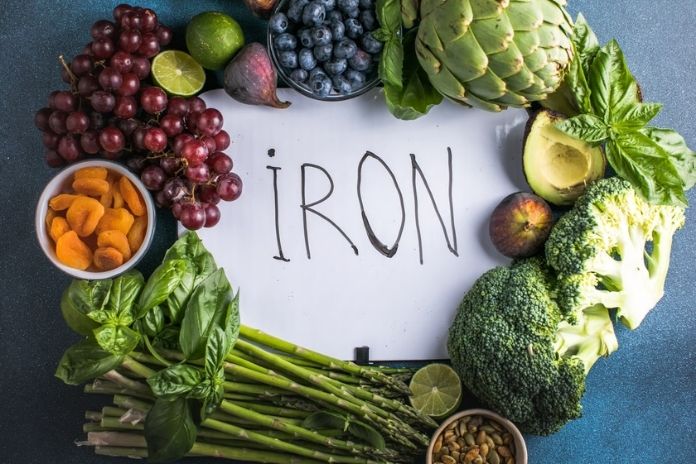
Iron is the protein in red blood cells that forms hemoglobin and circulates oxygen through the body. According to a Lancet study, the leading cause of anemia in 2021 was dietary iron deficiency, constituting 66.2% of total anemia cases, with 825 million women and 444 million men affected globally.
When hemoglobin is below 12 g/dL in women or 13.5 g/dL in men, oxygen supply to tissues becomes extremely poor.
But why do you feel cold? This is because a deficiency in iron reduces the delivery of oxygen to tissues, thereby damaging cellular metabolism and heat production. Not only that, but individuals with Iron deficiency experience faster core cooling and reduced heat generation during cold exposure.
Iron deficiency also slows down thyroid function, which results in hypothyroidism. This condition also makes you feel cold. This is also the reason Iron deficiency acts as a significant nutritional cause of cold intolerance.
2. Vitamin B12 Deficiency
Vitamin B12 plays a crucial role in red blood cell maturation and in the maintenance of the myelin sheath. B12 deficiency results in anemia, a well-known cause of cold sensitivity. Serum B12 levels below 200 pg/ml are considered deficient. That being said, levels between 200–400 pg/mL (the grey zone) can also show deficiency syndrome in a few individuals.
Research also shows that marginal Vitamin B12 status, 200–300 pg/mL without any visible symptoms, affects up to 40% of Western populations.
Read More: Benefits of Vitamin B12
3. Vitamin D Deficiency
Vitamin D deficiency is common among individuals living in low-sun regions and indoor lifestyles. A pooled analysis of 7.9 million participants (2000–2022) found vitamin D deficiency to be widespread globally, particularly in populations with limited sun exposure.
Vitamin D supports vascular endothelial function and mitochondrial energy production. Lower levels of Vitamin D (<20 to 30 ng/ml) disrupt vasodilation. At this level (<20 ng/ml), it disrupts the blood vessel function, decreasing blood flow to the hands and feet during cold exposure.
4. Folate (Vitamin B9) Deficiency
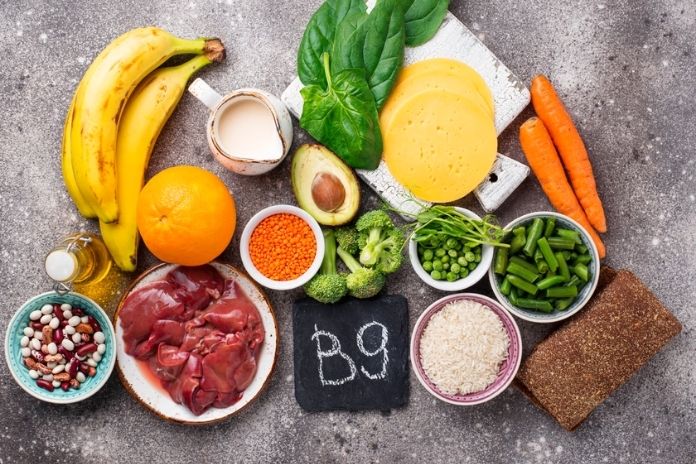
The Lancet Global Health estimates folate (Vitamin B9) inadequacy affects over half the world’s population, which is more than 4 billion people, with women and children most at risk.
Folate is a contributor to red blood cell production and DNA replication. The role of Vitamin B9 is similar to that of Vitamin B12. The symptoms also overlap with vitamin B12 deficiency. Folate deficiency also causes anemia.
Unlike Vitamin B12, Vitamin B9 is water-soluble and has minimal storage capacity; thus, it depletes within weeks if there’s no intake from greens, legumes, or eggs.
Read More: Is it normal to feel cold all the time?
Vitamin Deficiency Symptoms to Watch For
Cold sensitivity doesn’t occur in isolation; it accompanies various other symptoms. Watch out for the following symptoms in each deficiency.
- Iron: fatigue, weakness, pale skin, brittle nails, hair loss, shortness of breath.
- Vitamin B12: tingling/numbness in extremities, concentration issues, balance problems, mouth ulcers, low mood.
- Vitamin D: muscle weakness, bone pain, infections, low mood.
- Folate: fatigue, mouth sores, pale skin, irritability.
Who Is Most at Risk?
Some people are more likely to develop these deficiencies than others. Here’s a breakdown by nutrient.
Vitamin B12
In the US and UK, about 6% of adults under 60 are clinically B12-deficient, rising to nearly 20% in those over 60. You’re most at risk if you: American Academy of Family Physicians
- Follow a vegan or vegetarian diet
- Are over 75
- Have pernicious anemia, Crohn’s disease, celiac disease, or have had gastric bypass surgery
- Take metformin, PPIs, or H2 blockers long-term
Folate
In countries without mandatory folic acid fortification, deficiency rates can reach as high as 23.8%, compared to as low as 1.7% in countries with established programs. Your risk is higher if you:
- Eat a few fruits, vegetables, or legumes
- Drink alcohol heavily
- Are a pregnant woman or trying to conceive
Vitamin D
You’re more likely to be deficient in vitamin D if you:
- Spend most of your time indoors
- Live in a northern state or a region with limited sunlight
- Are an older adult
- Have darker skin
- Have a fat malabsorption condition
- Are living with obesity
Iron
In 2021, anemia affected 33.7% of women ages 15–49 globally, compared to 11.3% of men. Iron deficiency is most common in:
- Women with heavy menstrual periods
- Pregnant women
- Young children
Read More: Anemia after gastric bypass
What to Do and When to See a Doctor
What to do:
- Do not self-supplement high doses without a doctor’s recommendation.
- Heavier doses can cause GI issues or toxicity.
- Stay warm with layered clothing, sweaters, and use warmers, or take a hot shower.
- improve your diet with iron-rich foods like lean meats, beans, greens, and vitamin B12, or consider supplements (with doctor’s advice).
- Get blood tests like CBC/FBC, ferritin, B12, 25(OH)D, folate. Also check for thyroid, and for deficiencies like D, calcium, B12, or Iron.
- Exercise regularly to stay active and improve blood circulation.
When to see a Doctor:
- Consult a doctor when you feel cold consistently for days or weeks.
- In addition to cold, you also experience fatigue, dizziness, weakness, and weight loss.
- Call for emergency if the symptoms include confusion, slurred speech, or very low energy.
In most cases, there isn’t a serious consequence. But consult a doctor before going with supplements. If there’s a deficiency, consider switching your diet, taking supplements, or vitamin B12 shots based on your physician’s advice
Conclusion
Feeling cold all the time isn’t just about the weather. It could be a sign that your body is missing something important.
Deficiencies in iron, vitamin B12, vitamin D, and folate are among the most common and most overlooked causes of cold intolerance, and they’re more widespread than most people realize.
The good news is that a single blood test can identify the problem, and most deficiencies are straightforward to correct with the right diet, supplements, or medical treatment.
If you’ve been feeling persistently cold alongside any of the symptoms covered above, it’s worth getting checked out. The answer is often simpler than you’d expect.
In this Article