















A routine physical, a quick fasting blood draw, and a few weeks later, your doctor calls. Your glucose number is a little high. Not diabetes, just borderline. Many people hear that and shrug. The truth is that a single number often signals a condition affecting more than one in three American adults, and most of them have no idea.
So what is prediabetes, and why does it slip past so many people for so long? It is a state where blood sugar sits above the normal range but below the threshold for type 2 diabetes. The window matters because action taken now can change the trajectory, while waiting often closes the door on reversal.
This guide breaks down the signs of prediabetes, the prediabetes blood sugar levels clinicians use to diagnose it, the causes, and the practical steps you can take to lower your risk. You will also learn who should consider screening and what evidence says about turning things around.
- Prediabetes = early warning stage where blood sugar is high but not diabetes yet, and most people don’t notice it.
- It’s mainly caused by insulin resistance, weight gain (especially belly fat), low activity, and genetics.
- It’s detectable through simple blood tests and sits in that “fixable” range before full diabetes.
- The upside: lifestyle changes (weight loss, movement, better diet) can reverse it; ignoring it often leads to type 2 diabetes.
What Is Prediabetes?

Prediabetes is an intermediate stage of glucose metabolism. Plasma glucose levels are elevated but have not reached the cutoffs for diabetes. It reflects early dysfunction in the body’s management of insulin and glucose, often years before symptoms surface.
Sun H. Kim, MD, MS, associate professor of medicine in the division of endocrinology at Stanford University School of Medicine, has written that prediabetes is an intermediate state of glucose homeostasis in which plasma glucose concentrations exceed normal but fall below the criteria for diabetes. Her work in the Journal of Internal Medicine calls for sharper risk stratification, as the label encompasses a wide spectrum of people.
The condition matters because it is a documented warning stage. Without intervention, a meaningful share of those affected will progress to type 2 diabetes within years. Recognizing it early opens a window for prevention that closes once full diabetes develops.
What Blood Sugar Levels Indicate Prediabetes?
Three blood tests are commonly used to identify prediabetes. Each method measures glucose differently, so results can vary.
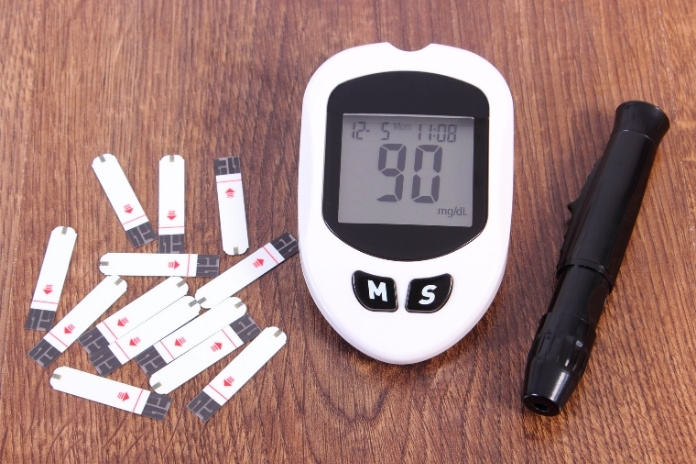
Fasting plasma glucose between 100 and 125 mg/dL falls in the prediabetes range. The oral glucose tolerance test uses a two-hour reading between 140 and 199 mg/dL after a 75-gram glucose drink. Hemoglobin A1c values from 5.7 percent to 6.4 percent also signal the condition.
Vivian Fonseca, MD, FRCP, Tullis-Tulane Alumni Chair in Diabetes and chief of endocrinology at Tulane University, described the diagnostic gap plainly: there is space between diabetes at 126 mg/dL fasting and normal below 100, and that space is where prediabetes lives.
Clinicians often use multiple tests before making a final decision. The hemoglobin A1c reflects roughly three months of glucose exposure, while fasting glucose captures a single moment. When results disagree, repeat testing or a different method usually clarifies the picture.
Why Most People Don’t Know They Have Prediabetes
The biggest reason prediabetes goes undetected is silence. Most people have no symptoms at all. Blood sugar rises slowly; the pancreas compensates by producing more insulin, and outward signs remain hidden until the system starts to fail.
Routine screening also lags. Many adults never get fasting glucose or A1c testing unless symptoms push them into a clinic. Even when results come back elevated, the term prediabetes is sometimes communicated as a minor concern rather than an actionable diagnosis.
When mild symptoms do appear, they overlap with everyday complaints. Tiredness gets blamed on a busy schedule. Increased thirst is attributed to the weather. The result is a condition that quietly progresses while life continues as usual.
Possible Signs of Prediabetes
While most cases are silent, some people notice subtle changes. Increased thirst and more frequent urination can develop as glucose levels rise. Some report low energy or unexplained fatigue, particularly after meals heavy in refined carbohydrates.
Blurred vision can occur when fluctuating blood sugar levels affect the lens of the eye. Slow wound healing or recurrent skin infections may also occur, although these are more common in established diabetes.
One physical clue worth noting is acanthosis nigricans, dark velvety patches that often appear on the neck, armpits, or groin. A clinical study on insulin resistance in various grades of acanthosis nigricans confirmed a strong link between these skin changes and elevated insulin levels, making the marker a useful prompt for testing.
Read More: Insulin Sensitivity vs. Insulin Resistance: Key Differences and Why They Matter
What Causes Prediabetes?

Several biological and lifestyle factors converge to push blood sugar above the normal range. The central problem is impaired insulin function, but the path there can vary from person to person.
- Insulin Resistance: When cells stop responding efficiently to insulin, glucose stays in the bloodstream longer than it should. The pancreas compensates by pumping out more insulin, often successfully at first, until the system gradually loses ground.
- Excess Body Weight and Fat Distribution: Carrying extra weight, especially around the abdomen, is closely tied to insulin resistance. Visceral fat secretes inflammatory signals that interfere with insulin action, a connection well established in metabolic medicine.
- Physical Inactivity: Muscle is the body’s largest glucose consumer. When daily activity drops, so does the capacity for cells to absorb sugar from the blood, accelerating the slide toward elevated readings.
- Genetic and Family Factors: Family history plays a measurable role. Having a parent or sibling with type 2 diabetes raises individual risk, partly through inherited insulin sensitivity patterns and partly through shared environment.
- Hormonal and Metabolic Conditions: Polycystic ovary syndrome, obstructive sleep apnea, and other endocrine disruptions often coexist with insulin resistance. These conditions can both contribute to and result from glucose dysregulation.
Risk Factors for Prediabetes
Risk climbs with age, particularly after 35, and rises further in adults with overweight or obesity. A sedentary lifestyle, high blood pressure, and abnormal cholesterol levels all increase the likelihood of impaired glucose handling.
Women with a history of gestational diabetes carry elevated long-term risk, as do those who delivered babies weighing more than nine pounds. Race and ethnicity also factor in, with higher rates documented among Black, Hispanic, Native American, and Asian American populations.
Robert H. Eckel, MD, emeritus professor of medicine at the University of Colorado Anschutz Medical Campus and past president of the American Diabetes Association, has spent decades on cardiometabolic research. In a conversation with Healio, Eckel emphasized that diabetes-related concerns extend well beyond glucose, pointing to cardiovascular risk that builds in parallel.
Who Should Consider Screening?
The American Diabetes Association recommends testing for adults 35 and older, and earlier for those with risk factors like obesity, hypertension, or a family history of diabetes. Women who have gestational diabetes should also be screened periodically.
Screening matters because early identification is the foundation of prevention. A simple blood test in a primary care setting can reveal a problem that may otherwise go unnoticed for years, and the earlier action begins, the more options remain.
Can Prediabetes Be Reversed?
The evidence here is genuinely encouraging. The landmark Diabetes Prevention Program lifestyle intervention, which paired modest weight loss with regular activity, produced a 58 percent reduction in the rate of new type 2 diabetes cases compared with placebo over an average follow-up of nearly three years.
Subsequent research backs this up. A systematic review and meta-analysis on the prevention of type 2 diabetes through lifestyle changes, published in Nutrients, confirmed that combined diet and exercise interventions consistently lower diabetes incidence across diverse populations.
That said, not everyone responds the same way. Genetics, baseline insulin function, and adherence to lifestyle changes all influence results. The earlier the intervention, the better the chances of returning glucose levels to the normal range.
Read More: Best Diet for Insulin Resistance: Foods That Support Metabolic Health
Lifestyle Changes That May Help Lower Risk
- Balanced Eating Patterns: Diets rich in vegetables, fruits, whole grains, legumes, lean proteins, and healthy fats consistently support better glucose control. The Mediterranean and DASH patterns are among the most studied and recommended frameworks.
- Regular Physical Activity: The CDC and ADA recommend at least 150 minutes of moderate-intensity activity per week. Even short bouts of movement after meals improve insulin sensitivity, a benefit that compounds with consistency.
Lauren Harris-Pincus, MS, RDN, founder of Nutrition Starring YOU and author of The Everything Easy Pre-Diabetes Cookbook, made the priority clear in a podcast interview on Liz’s Healthy Table, urging anyone with the diagnosis to put more produce on every plate before worrying about restrictive rules.
- Weight Reduction Strategies: Even modest weight loss makes a measurable difference. Research from the DPP and follow-up trials consistently shows that losing 5 to 7 percent of body weight cuts diabetes risk substantially in high-risk adults.
- Sleep and Stress Management: Chronic short sleep and elevated stress hormones both worsen insulin resistance. Aiming for 7 to 9 hours of sleep and using practical stress tools like walking, breathing practices, or therapy supports metabolic health alongside diet and exercise.
When Medication May Be Considered
Lifestyle is the foundation, but medication has a role for some patients. Metformin is the most studied option for prediabetes, particularly in younger adults with obesity, women with prior gestational diabetes, and those whose A1c continues climbing despite lifestyle efforts.
The decision is individualized. Clinicians weigh age, body mass index, glucose readings, other risk factors, and patient preference. Regular follow-up testing helps confirm whether the chosen approach is working.
Medication never replaces lifestyle change in this setting. It supplements it. The strongest results in prevention trials still come from combined approaches that pair pharmacology with sustained behavioral support.
Potential Health Risks if Prediabetes Progresses
The most direct concern is progression to type 2 diabetes, which carries lifelong implications for medication, monitoring, and complications. But the risks begin accumulating before that line is crossed.
A widely cited meta-analysis on prediabetes and risk of all-cause mortality and cardiovascular disease published in The BMJ in 2020 examined data from roughly 10 million people and found that prediabetes was independently associated with higher rates of cardiovascular disease and mortality compared with normal glucose levels.
Over time, untreated prediabetes can also contribute to nerve damage, kidney strain, and microvascular changes. These complications, traditionally linked to diabetes, can begin developing during the prediabetes window itself.
Practical Steps to Take if You’re Diagnosed With Prediabetes
Confirm the diagnosis first. Ask which test was used and whether a repeat or alternative test would help clarify your status. Combining fasting glucose with A1c provides a fuller picture than a single result alone.
Next, set realistic goals. A 5-7% weight-loss target, 150 minutes of weekly activity, and one or two dietary upgrades are well-supported starting points. Sustained small changes outperform dramatic short-term efforts.
Finally, track progress and stay engaged with your care team. Repeat A1c every 6 to 12 months, monitor blood pressure and lipids, and ask about a Diabetes Prevention Program if one is available locally or through telehealth.
Read More: The 120-Second Rule: How 2 Minutes of Walking After Lunch Can Improve Artery Health
Key Takeaway: Why Early Awareness of Prediabetes Matters
Prediabetes hides in plain sight. It rarely produces dramatic symptoms, and most affected adults have no idea their glucose levels are drifting upward. That silence is exactly what makes screening so important, particularly for anyone with risk factors like overweight, family history, or hypertension.
The encouraging part is the amount of control individuals retain at this stage. Sustained lifestyle changes, modest weight loss, regular physical activity, and better food choices can substantially lower the risk of progression, with strong clinical evidence supporting each component.
Awareness opens the door. Knowing what prediabetes is, recognizing the signs, and understanding the prediabetes blood sugar levels that define it gives people the chance to act before a manageable warning becomes a chronic disease. Early detection paired with consistent action remains the most powerful tool available.
References
- Cai, X., Zhang, Y., Li, M., Wu, J. H., Mai, L., Li, J., Yang, Y., Hu, Y., & Huang, Y. (2020). Association between prediabetes and risk of all cause mortality and cardiovascular disease: Updated meta-analysis. BMJ, 370, m2297.
- Diabetes Prevention Program (DPP) Research Group. (2002). The Diabetes Prevention Program (DPP): Description of lifestyle intervention. Diabetes Care, 25(12), 2165–2171.
- Eckel, R. H. (2021, September 12). Curiosity prevails: A conversation with Robert H. Eckel, MD [Interview]. Healio.
- Fonseca, V. A. (n.d.). Tulane expert: Dr. Vivian A. Fonseca. Tulane University.
- Harris-Pincus, L. (2022, January 19). What is pre-diabetes and how to manage and reverse it [Audio podcast episode]. In Eat, Drink, Live Longer. Liz’s Healthy Table.
- Karim, M., Nahar, K., Nasreen, K., Nilofa, S., & Khan, A. M. (2022). Insulin resistance in various grades of acanthosis nigricans. Journal of Drugs in Dermatology, 21(9), 967–971.
- Kim, S. H. (2024). Reframing prediabetes: A call for better risk stratification and intervention. Journal of Internal Medicine, 295(6), 735–747.
- Uusitupa, M., Khan, T. A., Viguiliouk, E., Kahleova, H., Rivellese, A. A., Hermansen, K., Pfeiffer, A., Thanopoulou, A., Salas-Salvadó, J., Schwab, U., & Sievenpiper, J. L. (2019). Prevention of type 2 diabetes by lifestyle changes: A systematic review and meta-analysis. Nutrients, 11(11), 2611.
- Mayo Clinic. (2023, November 11). Prediabetes: Symptoms and causes.
- Centers for Disease Control and Prevention. (2024, December 26). Prediabetes: Your chance to prevent type 2 diabetes.
- National Library of Medicine. (2025). [Study on prediabetes].
- Apollo Hospitals. (n.d.). Prediabetes: Causes, symptoms, and treatment.
- Dr. Mohan’s Diabetes Specialities Centre. (n.d.). Risks and causes of prediabetes.
- MedlinePlus. (n.d.). Prediabetes.
- Diabetes UK. (n.d.). Prediabetes: Causes.
- Johns Hopkins Medicine. (n.d.). Prediabetes.
- National Center for Biotechnology Information. (2023). Prediabetes (StatPearls).
- American Heart Association. (n.d.). Understand your risk for diabetes.
In this Article