














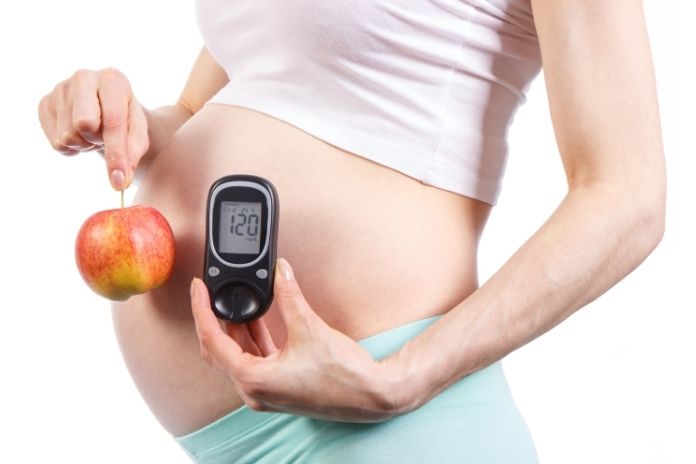
Pregnancy is a transformative experience, and treating diabetes and pregnancy calls for meticulous preparation and ongoing care. Whether you have type 1 diabetes pregnancy or are having a type 2 diabetes pregnancy, proper preparation can support a healthy outcome for both mother and baby.
This article explains essential aspects of pregnancy with preexisting diabetes, including pre-pregnancy diabetes planning, safe medication use, and achieving optimal blood sugar targets during pregnancy with diabetes. We will also explore effective strategies for managing diabetes during pregnancy, including nutrition, physical activity, and monitoring.
- Planning diabetes care before pregnancy reduces risks to both mother and baby.
- Strict blood sugar control before and during pregnancy is essential for healthy fetal development.
- Regular monitoring, insulin adjustments, and a balanced diet improve pregnancy outcomes significantly.
Read More: Why the Second Pregnancy Feels So Much Harder, and What Actually Helps
Understanding Diabetes Before Pregnancy
If you manage your blood glucose (blood sugar), maintain an active lifestyle, and adhere to a nutritious diet, you can have a healthy pregnancy and infant if you have diabetes.
To safeguard your unborn child, it’s critical to control your diabetes well before getting pregnant and in the early stages of your pregnancy, fewer than eight weeks following your last menstrual cycle, when the main organs are developing. Among these organs are the heart and neural tube, which contain the brain and spinal cord of your unborn child.
You can make a strategy to protect your health and the health of your unborn child by planning for every stage of pregnancy, including preconception and the first, second, and third trimesters
Talking to your doctor a few months or more before attempting to conceive will help ensure a healthy pregnancy because your baby begins developing so early. It will enable you to take action to lower your A1C if necessary and bring your blood glucose (blood sugar) within your goal range.
Your care team should consist of the following for optimal prenatal care:
- A physician with diabetes care training who has treated diabetic pregnant patients.
- An obstetrician-gynecologist (OB/GYN) who has treated pregnant diabetic patients and manages high-risk pregnancies.
- A pediatrician (a physician who treats children) or neonatologist (a physician who treats newborns) who is knowledgeable about and capable of treating issues that may arise in children whose mothers have diabetes.
- A dietician who can modify your dietary plan as your needs vary both during and after pregnancy.
- An expert in diabetes education and care who can assist you in controlling your diabetes while pregnant.
Why Blood Sugar Control Is Important Before Conception
If you have diabetes and are considering pregnancy, begin preparing about six months before conception. Maintaining strong control over your diabetes and learning how to manage it during pregnancy are the most crucial things to do before getting pregnant.
After you’ve made up your mind to get pregnant, you should schedule a consultation with your endocrinologist, a specialist in diabetes medicine, to discuss your pregnancy goals and current health. Your primary care physician may refer you to an endocrinologist if you don’t already have one.
A registered nurse and/or dietitian who specializes in managing diabetes, an ophthalmologist who will ensure the health of your eyes, and an obstetrician are among the other healthcare professionals who can assist you during your pregnancy, in addition to an endocrinologist.
Even though you will be in charge of your pregnancy, you still need assistance from loved ones and a medical team. Before and during the early stages of pregnancy, poor glycemic control raises the risk of:
- Miscarriage
- Congenital anomalies
- Abnormal growth of organs
Pre-Pregnancy Planning With Diabetes

There are things you can do now to get ready for pregnancy and significantly lower your chance of giving birth to a healthy child.
Create a Pre-Pregnancy Plan: Making an appointment with your diabetes team at least 6 months before attempting to conceive is the first crucial step. Together, you and your physician can create a pre-pregnancy plan to lower risks after discussing how diabetes impacts pregnancy and the unborn child.
Inform Your Doctor About Medications: Talk to your doctor about any over-the-counter, prescription, or supplement medications you take. You need time to switch to safer options, as some are not recommended during pregnancy. If it isn’t feasible, your doctor might recommend that you see a maternal-fetal medicine specialist for additional assessment.
See a Dietitian: Now is a good time to start seeing a dietitian if you don’t already. You can modify your nutrition plan for pregnancy with the assistance of a dietician. In addition to providing your body with nourishment both before and throughout pregnancy, a nutritious diet also helps you control your blood sugar level and maintain a healthy weight.
Remain Active: Whether you are trying to conceive or not, it’s critical to incorporate regular exercise into your daily routine. However, it’s even more important if you have diabetes.
Give up Smoking and Other Substances: Now is the best moment to give up smoking and other dangerous substances. Both your baby’s and your own health will improve. Smoking is harmful to your health and raises your risk of several pregnancy-related issues, particularly if you have diabetes.
Read More: Diagnosed With Diabetes? Here’s Exactly How to Tell the People Who Matter Most
How Pregnancy Changes Blood Sugar Levels
Pregnancy hormones significantly affect glucose metabolism:
- Insulin sensitivity may rise in the early stages of pregnancy.
- Insulin resistance rises in the later trimesters.
It leads to fluctuating glucose levels and changing insulin needs during pregnancy.
Blood Sugar Targets During Pregnancy
Maintaining strict blood sugar targets during pregnancy with diabetes is essential. Typical targets include:
- Blood sugar levels during fasting and before meals: 80–110 mg/dl.
- 100–155 mg/dl of blood glucose an hour after eating.
- A1C is a blood test that measures average blood glucose over a period of 2 to 3 months; it should be less than 7% and as close to 6% as possible without hypoglycemia.
- Blood pressure less than 130/80 mm Hg (if you are taking blood pressure medication, it is safe to take it while pregnant).
Doctors recommend tighter glycemic control to reduce the risks associated with diabetes and pregnancy.
Insulin and Medication Adjustments
Increased Insulin Requirements: As pregnancy progresses, insulin needs during pregnancy often increase due to hormonal changes. People with type 1 diabetes during pregnancy typically require frequent insulin adjustments and close glucose monitoring.
Changes for Type 2 Diabetes: Individuals with type 2 diabetes pregnancy may transition from oral medications to insulin and require combination therapy.
Safety Considerations: During pregnancy, not all drugs are safe. The most effective treatment for pregestational diabetes is still insulin.
Continuous Glucose Monitoring: Continuous glucose monitoring (CGM) devices lessen episodes of hyperglycemia and hypoglycemia and follow trends in real time.
Potential Risks of Diabetes During Pregnancy

Understanding the risks of diabetes in pregnancy helps prevent and manage it early.
Being:
- 35 years of age or more
- African, Arab, Asian, Hispanic, Indigenous, or South Asian ancestry are examples of high-risk groups
Using:
- Corticosteroid medication
Having:
- Given birth to a child weighing over 4 kg
- Pre-diabetes
- Diabetes during a prior pregnancy
- Obesity (BMI of at least 30 kg/m²).
- A sibling who has Type 2 diabetes, such as a parent.
- PCOS, or polycystic ovarian syndrome, is sometimes known as acanthosis nigricans (darkened skin patches)
Read More: Type 2 Diabetes Can Cause DKA: Understanding Ketosis-Prone Diabetes and Why It’s Often Missed
Nutrition Strategies for Managing Diabetes in Pregnancy
You must consume a variety of nutritious meals to maintain a balanced diet. When you shop, you may make healthier decisions by reading food labels.
Consult your healthcare practitioner if you follow a particular diet or are a vegetarian to ensure it is balanced.
Generally speaking, you ought to consume:
- Lots of whole fruits and vegetables
- Moderate levels of healthy fats and lean proteins
- Moderate quantities of starchy vegetables, such as maize and peas, along with whole grains, such as bread, cereal, pasta, and rice
- Fewer items high in sugar, like fruit juices, soft drinks, and pastries
Each day, you should consume one or more snacks and three modest to moderate-sized meals. Never miss a meal or snack. Maintain daily consistency in the quantity and kinds of food (proteins, fats, and carbohydrates). You may be able to maintain a stable blood sugar level by doing this.
Physical Activity and Pregnancy With Diabetes

Exercising during pregnancy does not pose any danger to your baby. While some individuals worry that their workout may jostle their baby, this is not true. Your baby is safe in your womb as long as you don’t hit your bump. If you don’t engage in many activities, the idea of beginning can be intimidating.
However, there’s no need to pay for exercise classes or join a gym. Begin gradually, and with a gentle approach. Attempt to accomplish a small amount each day. Good starting options include swimming, pregnancy yoga, or taking walks after eating.
There are two kinds of activities you should engage in:
Exercise of Moderate Intensity: You should engage in this for a minimum of 150 minutes per week (approximately 30 minutes per day for 5 days), unless your healthcare team recommends otherwise. Examples encompass brisk walking and biking.
Strength Training: At a minimum, 2 days each week. Examples may include using weights or elastic resistance bands.
Monitoring Blood Sugar During Pregnancy
Frequent monitoring is essential in pregnancy with preexisting diabetes. It includes:
- Monitor glucose several times each day
- Utilizing CGM if it is available
- Monitoring trends
Read More: How Quality Sleep Supports Diabetes Management: Tips for a Healthier Life
Preventing Low Blood Sugar (Hypoglycemia)
Hypoglycemia occurs frequently, particularly during the first trimester of pregnancy or when undergoing rigorous insulin treatment. Symptoms include:
- Light-headedness
- Sweating
- Confusion
Preventive strategies:
- Meals and snacks at regular intervals
- Having quick-acting glucose on hand
- Frequent monitoring
Labor and Delivery Considerations
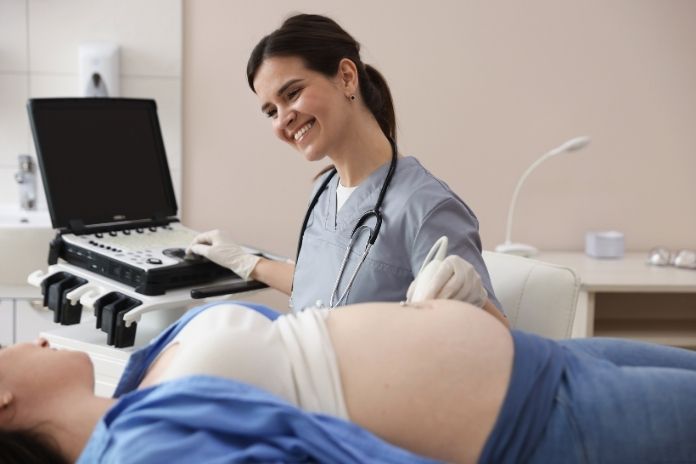
It is crucial to manage glucose levels carefully during labor:
- Insulin and glucose levels are carefully monitored.
- Healthcare providers may use IV-administered insulin.
- The delivery timing is contingent on the health of both the mother and the fetus.
A coordinated prenatal care team ensures safe outcomes.
After Delivery: What Happens to Blood Sugar?
Post childbirth, your body’s sensitivity to insulin increases significantly. It increases the risk of low blood sugar (hypoglycemia). Therefore, it is very crucial to monitor your blood sugar levels meticulously.
In the initial hours and days following birth, your insulin requirement decreases rapidly. Actually, you might require little to no insulin. Only a few days postpartum, your insulin requirements may drop to half of what they were before delivery.
Due to these factors, it is crucial to always have quick-acting glucose sources on hand in case your blood sugar drops. Keep your blood sugar monitor handy as well. It is particularly significant when caring for a newborn.
Glucose sources that act rapidly include:
- Tablets or gel containing glucose
- Hard candy
- Juice
- Non-diet soda
- Sugar, jam, or honey
Planning for a Healthy Pregnancy With Diabetes

Consistent care and support are crucial for successful outcomes. Significant measures include:
- Routine check-ups during pregnancy
- Collaborating with a team of specialists from various fields (endocrinologist, obstetrician, and dietitian)
- Support for emotions and stress management
Read More: Diabetes-Friendly Quinoa and Vegetable Stir-Fry: A Low-GI Delight
Conclusion
Careful planning, regular monitoring, and careful medical supervision are necessary for managing diabetes and pregnancy. People with diabetes can have healthy pregnancies and successful outcomes with the correct strategy.
Maintaining stable glucose levels is essential for lowering risks and promoting the health of both the mother and the fetus, from preconception planning to postpartum care. Better control is ensured at every stage by adjusting insulin doses to changes in insulin requirements, maintaining a balanced lifestyle, and attending routine checkups.
References
- Diabetes UK. (12 June 2025). Planning for pregnancy.
- American Diabetes Association. Diabetes and pregnancy.
- MedlinePlus. (24 April, 2025). Pre-existing diabetes and pregnancy.
- Joslin Education Team. (November 20, 2019). Managing Diabetes During Pregnancy.
- Akron Children’s. (January 11, 2026). Five ways to prepare for pregnancy when you have diabetes.
- Sweet Life. Managing gestational diabetes.
- MedlinePlus. (2025, May 22). Gestational diabetes diet.
- Tommy’s. (2024, March 27). Staying active with gestational diabetes.
- UMass Memorial Health. Diabetes: After delivery (postpartum).
In this Article