


















- Move Daily: Even light activity such as walking, stretching, or chair exercises helps protect kidney and heart health.
- Mind your Diet and Fluids: Limit sodium, eat whole foods, and stay hydrated without drinking too much water.
- Track and Unwind: Monitor blood pressure/glucose and spend a few minutes reducing stress for overall kidney support.
Kidney function is still mostly intact in stage 2 chronic kidney disease (CKD), which is usually characterized by an eGFR of 60–89. This phase presents a crucial opportunity to develop habits that support kidney health and reduce long-term complications.
This article will discuss a useful 30-minute kidney health routine, discuss the importance of daily habits for kidney health in early CKD, and offer a planned Stage 2 CKD daily routine that you can realistically follow. To halt the progression of Stage 2 CKD, we will also discuss weekly routines, nutrition principles, and how to customize your regimen.
Read More: Does C3 Glomerulopathy Lead to Kidney Failure? What the Data Shows
Why Daily Habits Matter in Stage 2 CKD
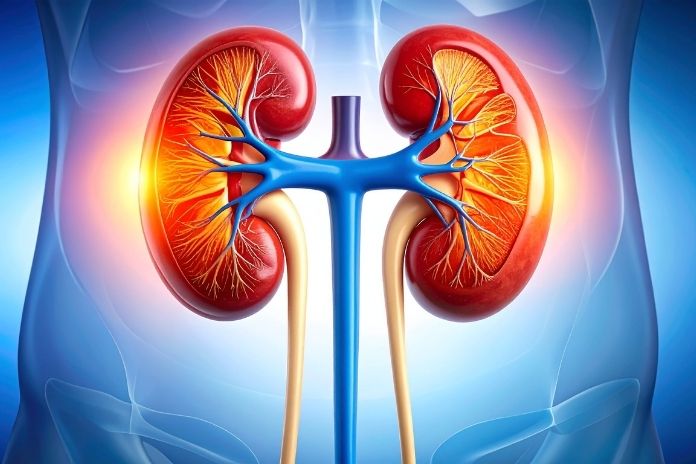
Making good lifestyle decisions can affect both your overall health and your renal health. Your kidneys play a very crucial role in controlling your body’s fluid balance and removing waste from your blood. It’s critical to your health that they perform their duties as well as possible.
You can slow the progression of chronic kidney disease (CKD) even though kidney damage cannot be undone. Other health problems like diabetes or high blood pressure (or hypertension), which are major causes of kidney disease, may arise if your kidneys aren’t filtering your blood as they should.
Making good lifestyle decisions can enhance your overall health and well-being, as well as support kidney function.
It’s crucial to keep in mind that different lifestyle modifications may affect your kidneys differently. It depends on various factors, such as the stage of kidney disease. Therefore, while making healthy decisions is crucial, each person may benefit differently.
Consistency matters more than intensity. Small daily actions when repeated over months and years can help protect kidney function Stage 2 and reduce cardiovascular risks.
“Diabetes is the number one cause of kidney disease; so, because more patients have diabetes, we’re seeing more kidney disease,” says Randy Luciano, MD, a Yale Medicine nephrologist.
The 30-Minute Kidney Protocol: How It Works
The Stage 2 CKD daily routine focuses on simplicity, sustainability, and time efficiency. This regimen focuses on a kidney-friendly daily schedule divided into achievable steps rather than drastic lifestyle changes.
This 30-minute kidney health routine combines several preventive practices into a brief daily window. Movement, hydration knowledge, dietary decisions, stress management, and monitoring are among these.
Consistency, not perfection, is the aim. You can still support the lifestyle goals of preventing CKD progression even when you divide the program throughout the day.
Minute 0–10: Movement to Support Kidney and Heart Health

One of the best strategies to reduce the advancement of Stage 2 CKD is physical activity.
According to new research published today in Journal of the American Heart Association, an open-access, peer-reviewed journal of the American Heart Association, people with cardiovascular-kidney-metabolic (CKM) syndrome have a lower risk of dying if they engage in light-intensity activities like walking, cycling, yoga, or household chores.
The CKM syndrome, which involves high blood pressure, abnormal cholesterol and lipid levels, elevated blood glucose (sugar), excess weight, and decreased kidney function, affects about 90% of adult Americans. These variables raise the risk of a heart attack, stroke, and heart failure more when taken together than when taken separately.
Even with limited mobility, chair exercises or stretching can still support daily habits for kidney health in early CKD. The secret is to be consistent. Daily brief sessions are much more beneficial than sporadic, high-intensity workouts.
Read More: Polycystic Kidney Disease: Early Signs and Treatment Options
Minute 10–15: Hydration Check (Not Overhydration)

Balance is vital, but hydration is important for kidney function. Proper hydration is essential in Stage 2 CKD to support filtration and waste removal without overloading the kidneys.
Take a moment to think about how much fluid you are drinking. Think about this:
- Did I drink enough water today?
- Is my urine light yellow, which usually means I’m well-hydrated?
Avoid drinking too much water, as it could stress your kidneys. Your fluid needs can change depending on the weather, your level of activity, and any health conditions you have.
Choose water instead of drinks with added sugar or sodium. This easy practice promotes hydration balance and fits into a kidney-friendly daily schedule.
Minutes 15–20: Sodium and Food Awareness
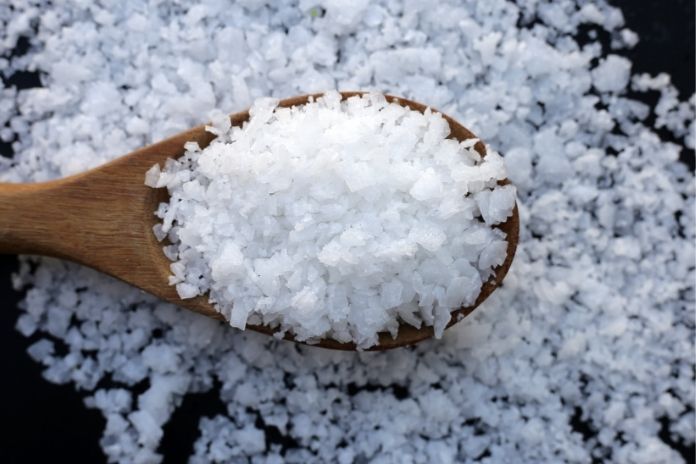
Diet plays a major role in lifestyle changes in Stage 2 CKD. In this 5-minute window, focus on mindful eating decisions.
One of the most prevalent elements on Earth is sodium. Most people think of salt when they hear the word “sodium.” In actuality, salt is the mineral sodium chloride. Foods may contain sodium in different forms, including sodium chloride (salt). Your physician and dietitian may recommend a low-sodium diet, which includes avoiding salt and other foods high in sodium, if you have chronic kidney disease (CKD).
People with kidney disease may be at risk of excessive salt intake because their kidneys are unable to remove the excess fluid and sodium from the body. Your blood pressure rises, and you experience discomfort as sodium and fluid accumulate in your tissues and circulation.
Unhealthy kidneys might be further damaged by high blood pressure. The body accumulates even more fluid and waste products as a result of this injury, further impairing kidney function.
Easy dietary changes consist of:
- Selecting whole foods over processed ones
- Cutting back on fast meals and boxed snacks
- Putting portion awareness into practice
Minute 20–25: Blood Pressure or Glucose Monitoring (If Recommended)
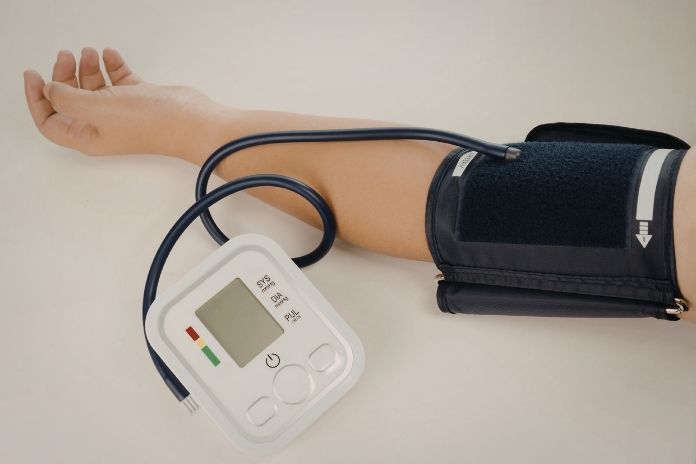
Monitoring key health metrics is an important part of daily habits for early CKD management.
As directed by your physician, take this opportunity to verify:
- Blood pressure
- Blood sugar (for those with diabetes)
It is more beneficial to monitor patterns over time than to focus on a single reading. This procedure improves kidney function monitoring and helps identify trends.
Read More: Kidney Stones: Why They Happen and How to Prevent Them
Minute 25–30: Stress Reduction and Sleep Preparation

About 10% of people worldwide suffer from chronic kidney disease (CKD), which is a major global health concern that places a heavy burden and expense on both individuals and the healthcare system.
Recent studies have demonstrated the impact of sleep on both physical and mental health, making it an essential component of total wellness. There is mounting evidence that sleep problems can hasten the development of chronic kidney disease.
It can happen directly through alterations in the sympathetic nervous system and circadian rhythm, or indirectly through contributing to diseases like diabetes and hypertension, which are prevalent in people with poor sleep.
Your general health, including your kidneys, can be severely harmed by stress. Your body releases blood pressure-raising chemicals like cortisol when you’re under stress. One of the main causes of kidney disease is high blood pressure.
Spend the last few minutes of your 30-minute kidney health routine unwinding. Basic methods consist of:
- Be mindful
- Retain a routine
- Keep in touch
- Take Up Exercise
- Use techniques for relaxation
Weekly Habits That Complement the Daily Routine
Even though daily actions are important, weekly behaviors help you stick to your daily routine for Stage 2 CKD. Think about adding:
- Preparing meals to follow a renal dietitian’s advice
- Looking at how well people stick to their medications
- Planning regular exercise for Stage 2 CKD
- Keeping an eye on swelling and weight
These habits make your daily routine more consistent over time and better for your kidneys.
Nutrition Principles That Support the Protocol

Diet is an important part of making lifestyle changes for Stage 2 CKD. To keep your kidneys healthy, you need a balanced plan. Stage 2 with no extra restrictions.
It’s very important to eat a moderate amount of protein. Too little protein can make you lose muscle, but too much protein can hurt your kidneys.
A balanced potassium intake may be necessary based on individual requirements. Before making any big changes, you should always talk to a doctor or other health care professional.
Foods that are high in fiber help control blood sugar levels and support healthy metabolism. Fruits, vegetables, and whole grains are all good choices.
Read More: How Diabetes Impacts Your Kidneys (and How to Protect Them)
Habits That May Undermine Kidney Protection
Your kidneys are very essential for maintaining overall health because they filter waste products, balance fluids, regulate electrolyte levels, and support numerous body processes. Unfortunately, over time, several routine behaviors might damage these vital organs.
Using Too Many Painkillers: Although over-the-counter painkillers are a fantastic method to get rid of aches and pains, they may be damaging your kidneys. Over time, they may cause analgesic nephropathy, a chronic kidney disease. The kidneys’ tiny blood-filtering vessels have been damaged. Aim to take them less frequently and avoid exceeding the prescribed dosage.
Eating Processed Foods: Processed foods can be handy and delicious, but they are high in sodium and phosphorus, which can damage your kidneys. Choose fresh fruits and vegetables, whole grains, and lean proteins rather than stuffing your meals with items like pizza and potato chips.
Overconsumption of Salt: A diet heavy in sodium makes it more difficult for the kidneys to process excess salt, which can result in hypertension and long-term kidney damage. It raises blood pressure, which is a major risk factor for renal disease. Don’t consume more than 2,300 mg of sodium daily.
Smoking: The majority of people are aware that smoking is injurious to the lung and heart. Many people, however, are ignorant of the fact that this unhealthy behavior can increase the amount of protein in their urine and ultimately cause kidney damage.
Not Exercising: It’s crucial to get up and move every day, regardless of how busy you are. You increase your risk of renal illness by neglecting to do so and sitting for extended periods of time. To put it simply, exercise helps your body maintain a healthy weight, lower blood pressure, lower cholesterol, enhance muscle function, and improve sleep.
Not Getting Enough Water: Water helps your kidneys remove toxins and excess salt, so staying hydrated is crucial. Water not only helps the body eliminate toxins but also widens blood vessels, allowing blood to reach your kidneys more freely. Neither of these processes can proceed at their best rate when you are dehydrated.
Read More: Can the Kidneys Repair Themselves? What Science Says
How to Personalize the 30-Minute Routine
Each person has unique demands. Customizing your Stage 2 CKD daily routine guarantees improved efficacy and adherence.
Give regular monitoring and glucose control top priority if you have diabetes. If hypertension is present, focus more on reducing salt intake and controlling blood pressure.
The 30-minute kidney health regimen may need to be divided into smaller parts throughout the day due to hectic schedules. This flexibility still supports daily habits for kidney health in early CKD.
You can customize your regimen to meet your unique needs by consulting a renal dietitian or other healthcare professional.
Realistic Expectations: Can You “Stay in Stage 2 Forever”?
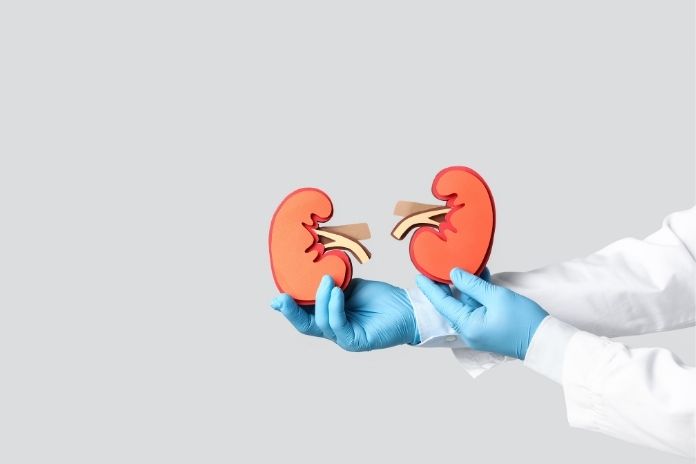
The course of CKD differs from person to person. While some people may gradually deteriorate, others may stay steady for years.
Experts still believe that people with stage 2 renal disease have only a slight reduction in kidney function. Although you cannot cure kidney disease or reverse kidney damage, you can slow the progression of chronic kidney disease (CKD) by taking precautions, closely monitoring your health, and maintaining a healthy lifestyle.
Everybody’s experience with kidney disease is unique, and many people who receive an early diagnosis never reach renal failure. With dialysis or a kidney transplant, those who eventually develop renal failure may live well for decades.
When to Reassess Your Routine
Your daily routine for Stage 2 CKD should change as your health does.
Reevaluate your routines if you observe:
- Variations in kidney function monitoring outcomes
- New medications
- Symptoms include edema, exhaustion, or altered urine patterns
- Dietary or exercise-related lifestyle modifications
Frequent examinations ensure your kidney-friendly daily schedule stays efficient and aligned with your health objectives.
Read More: Back Pain vs. Kidney Pain: How to Tell the Difference
Conclusion
You don’t have to make big changes to your life to keep your kidneys working well in Stage 2 CKD. You need to stick to daily healthy routines. People with Stage 2 CKD can help prevent the disease from getting worse by following a routine that includes exercise, staying hydrated, eating mindfully, monitoring their health, and managing stress.
You can keep your kidneys healthy over time by making small, long-lasting changes to your blood pressure, blood sugar, and general kidney function.
It’s important to remember that everyone’s CKD progression is different, and while no routine can guarantee long-term stability, these daily habits can make a big difference. With regular checkups, working with your doctor, and changes to your daily Stage 2 CKD routine, your efforts will continue to be tailored to your health needs.
References
- American Kidney Fund. (March 4, 2026). Kidney-friendly eating plan.
- Venus, M. (2026, February 13). Love your heart: 10 minutes of movement that matter.
- American Heart Association. (2026, January 7). Movement matters: Light activity led to better survival in diabetes, heart, kidney disease.
- DaVita Kidney Care. Sodium and chronic kidney disease
- Dallas Nephrology Associates. Stress management practices for chronic kidney disease
- Durham Nephrology & Hypertension. 6 Ways You Could Be Harming Your Kidneys.
- Prabhakar Bhurke Nephrology Urology and Gynecology Fertility Clinic Mumbai. (2025, January 8). Habits that seriously damage your kidneys
- Fresenius Kidney Care. (2021, January 29). Stage 2 of chronic kidney disease.
- Katella, K. (2024, April 24). Why is chronic kidney disease (CKD) on the rise? 6 things to know
In this Article