


















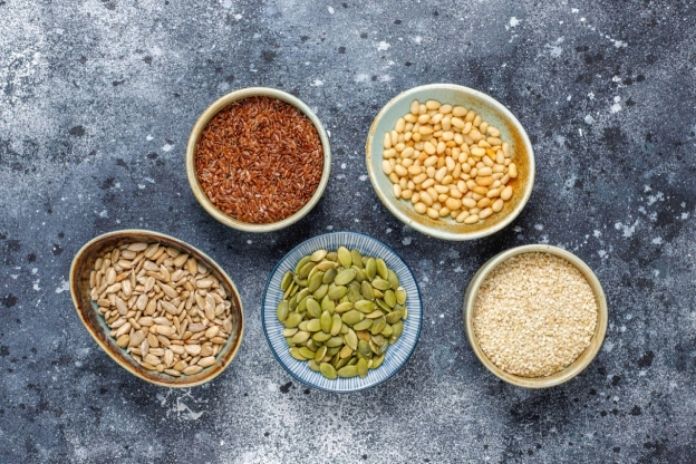
Whenever blood sugar is discussed, someone will say, “Just eat seeds.” Not trendy powders. Not expensive supplements. Just small metabolic regulators packed inside the natural food structure. But which seed? And why? Many articles are repeating those same lines: “high fiber,” “good fats,” “low glycemic index.”
That is just a surface-level detail. Blood sugar regulation is never that simple. There are two main levers here:
- How fast glucose enters the bloodstream
- How well the body responds to insulin
Seeds influence both, but never equally. So the real question is not which seed is actually the healthiest. It is: Are you trying to make your insulin sensitivity better (magnesium effect) or want to reduce glucose spike (fiber effect)? That changes everything.
Why Seeds Are a Smart Choice for Blood Sugar Balance

Seeds are metabolically quiet foods. They never suddenly increase the glucose. They contain minimal starch. Most of their energy comes from fats and fiber. That alone makes them useful in glucose control.
But their power is not just about “low carb.” It is about:
- Mineral density (especially magnesium)
- Viscous soluble fiber
- Polyphenols and lignans
- Fat profile
When someone has elevated blood sugar, usually one of two patterns is present:
- High fasting glucose (an insulin resistance problem)
- High spikes after meals (absorption speed problem)
Different seeds target different patterns. A refined meal and a seed-rich meal may contain similar carbohydrates, yet the glucose response becomes completely different.
The Magnesium vs. Fiber Showdown Explained
1. Magnesium: The Insulin Optimizer
Magnesium is rarely discussed in routine glucose advice, yet it is deeply involved in insulin signaling. Insulin never works in isolation. It attaches to the receptor, stimulates phosphorylation (protein modification) pathways, and activates glucose transporters. Magnesium is crucial in several of these steps.
Low magnesium status is repeatedly associated with:
- Increased insulin resistance
- Higher fasting glucose
- Higher risk of developing type 2 diabetes
What happens if magnesium is low? Insulin may be present. But cells respond weakly.
Magnesium content per 2-tablespoon serving (approximate):
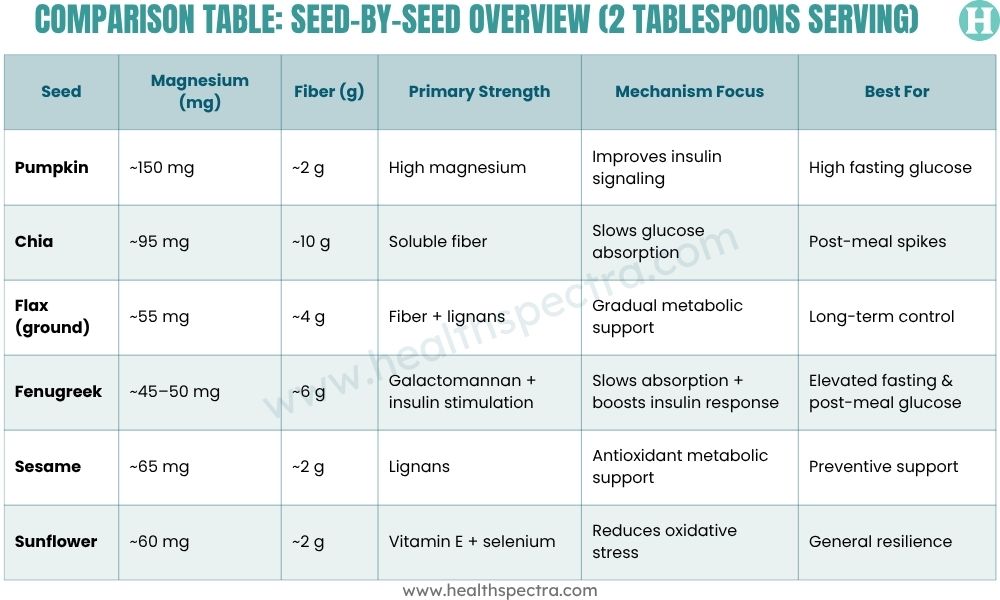
- Pumpkin seeds (2 tbsp / ~20g): ~150 mg magnesium
- Chia seeds (2 tbsp / ~28g): ~95 mg magnesium
- Ground flaxseed (2 tbsp / ~14g): ~55 mg magnesium
- Sesame seeds (2 tbsp / ~18g): ~65 mg magnesium
- Sunflower seeds (2 tbsp / ~18g): ~60 mg magnesium
- Fenugreek seeds (2 tbsp / ~22g): ~45–50 mg magnesium
Magnesium-rich seeds do not lower glucose immediately after eating. Their effect is slower. They improve the environment in which insulin works. This is not dramatic. It is metabolic repair.
2. Fiber: The Speed Regulator
Fiber works through a completely different mechanism. Fiber starts its work before glucose even reaches the bloodstream. Soluble fiber forms a viscous gel in the intestine. That gel:
- Slows carbohydrate digestion
- Delays glucose absorption
- Reduces post-meal spike
- Improves satiety
Fiber content per 2-tablespoon serving (approximate):
- Chia seeds: ~10 g fiber (mostly soluble, gel-forming)
- Ground flaxseed: ~4 g fiber
- Fenugreek seeds: ~6 g fiber (rich in galactomannan, a viscous soluble fiber)
- Pumpkin seeds: ~2 g fiber
- Sesame seeds: ~2 g fiber
- Sunflower seeds: ~2 g fiber
Instead of a sharp glucose rise, blood sugar increases gradually. This effect is more visible. If someone monitors glucose after meals, adding viscous fiber often shows a lower peak value. Fiber is mechanical control. Magnesium is a biochemical control. Both are equally important. But they just act at different levels.
Top Seeds That Help Lower Blood Sugar Naturally
Different seeds dominate different metabolic pathways. No single seed wins universally.
1. Pumpkin Seeds: Winner for Magnesium
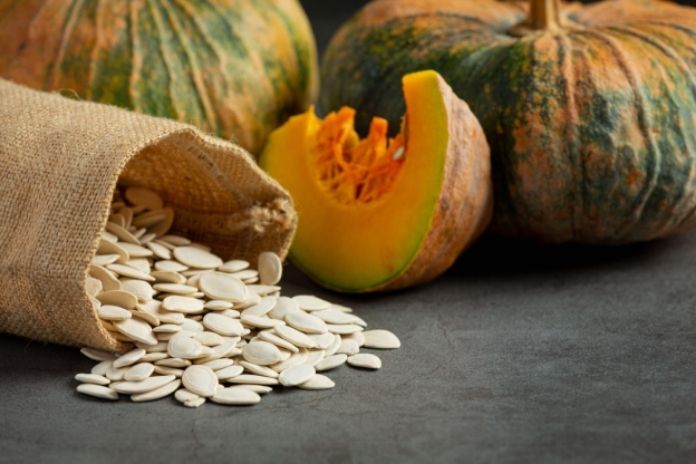
Pumpkin seeds are the richest edible source of magnesium. In individuals who take less magnesium, increasing dietary magnesium has shown some improvements in insulin sensitivity. Not magic. But measurable.
Pumpkin seeds also contain zinc, which supports insulin storage in the pancreas.
It is suitable for:
- High fasting glucose
- Early insulin resistance
- People with chronic stress (stress causes more magnesium loss)
Not ideal if:
- You expect a quick drop in post-meal glucose. That is not their main strength.
Cooking method is also important. “Roasting, mainly at too high temperatures, can lower some of the antioxidants and even slightly degrade healthy fats,” Devin Brittain, a nutritionist, warns. It is best to use it in evening consumption or add to dinner meals.
2. Chia Seeds: Winner for Soluble Fiber
Chia is mostly about texture. When soaked, it becomes gel-like. That gel is a soluble fiber, working physically.
“Like lots of nuts and seeds, chia seeds are also absolutely superfoods,” Dr. Amelia Harray, a dietician, said. “They are about 24 percent protein, and they are a complete protein source, meaning they contain all nine essential amino acids.”
Clinical trials show that chia supplementation can lower post-meal glucose rise and even modestly lower HbA1c (3-month average sugar) in some populations with metabolic syndrome.
Mechanism is simple:
Slower digestion → slower glucose rise → lower peak.
Chia never directly enhances insulin function. Instead, it prevents glucose overload from reaching the bloodstream too quickly.
Useful for:
- People who see 160–180 mg/dL after carb-heavy meals
- Those trying to blunt the spike without removing carbs fully
Limitation:
If the meal itself is refined carbohydrate-dominant, chia can never neutralize it completely.
3. Flaxseeds: Best for Long-Term Glucose Control
Flax is less dramatic than chia. But more interesting metabolically.
It contains:
- Soluble fiber
- Lignans (phyto-compounds affecting metabolism)
- Alpha-linolenic acid (an omega-3)
Some studies show reductions in fasting glucose and improved insulin sensitivity after consistent flax intake.
HbA1c, often mentioned in seed studies, refers to the 3-month average of your blood sugar levels. It reflects how much glucose has been attaching to hemoglobin in red blood cells. Unlike a single fasting glucose reading, HbA1c shows the longer-term pattern.
But the key point: It must be grounded. Whole flax mostly passes undigested.
Flax is better for:
- Long-term metabolic correction
- People with mild chronic elevation of glucose
- Those with combined lipid and glucose issues
It works slowly but steadily.
“Because it’s so-nutrient dense, I suggest not being concerned with the calories and fat, and the carbs are mainly from fiber, which isn’t digested or absorbed,” Julia Zumpano, a dietician, clarifies. “It’s so beneficial that the calories don’t matter.” She also added that, “Flaxseed oil is still an option if you want to avoid the seeds completely, especially in a flare-up,”
4. Fenugreek Seeds: Traditional Fasting Sugar Support
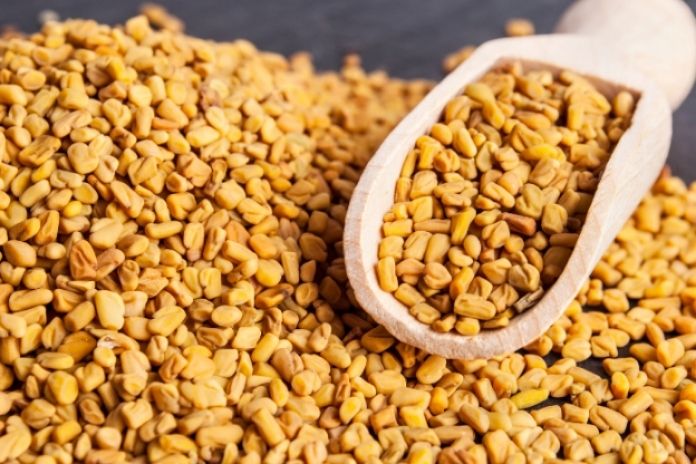
Fenugreek is different from other seeds. It has galactomannan fiber (viscous) and 4-hydroxyisoleucine, which may stimulate insulin secretion. Fenugreek has traditionally been used for morning glucose balance.
In simple terms, 4-hydroxyisoleucine appears to gently stimulate the pancreas to release insulin, but primarily when blood sugar is already elevated. It does not force insulin release in the absence of glucose. This glucose-dependent effect is why researchers find it interesting for fasting and post-meal control.
Many controlled trials show:
- Less fasting glucose
- Less post-meal glucose
- Better HbA1c
However, doses used in studies are often higher than what people casually sprinkle in food. It can cause bloating if taken in large amounts. Strong effect. But requires a proper dose and tolerance.
Important safety note: Because fenugreek can enhance insulin release and slow carbohydrate absorption, it may amplify the effect of diabetes medications (including insulin, sulfonylureas, and other glucose-lowering drugs). This can increase the risk of hypoglycemia (low blood sugar). Anyone taking diabetes medication should monitor glucose closely and speak with their clinician before using therapeutic amounts of fenugreek.
5. Sesame Seeds: Balanced Support
Sesame seeds provide ~65 mg magnesium and ~2 g fiber per 2 tablespoons. They are rich in lignans (such as sesamin), plant compounds with antioxidant and mild anti-inflammatory properties that may indirectly support metabolic health.
However, sesame is classified as a top-9 food allergen in the United States. Individuals with known seed allergies should avoid it unless medically cleared.
Best use:
- Preventive metabolic support
- Adding mineral diversity to meals
- Pairing with fiber-dominant seeds
Read More: Flaxseeds: Science-Backed Benefits, Traditional Uses, and Side Effects
6. Sunflower Seeds: Vitamin E and Selenium Support
Sunflower seeds provide ~60 mg magnesium and ~2 g fiber per 2 tablespoons. They are particularly rich in vitamin E and selenium, antioxidants that help reduce oxidative stress, a contributor to insulin resistance.
They are less fiber-dense than chia or flax, but supportive as part of an overall metabolic pattern.
Best use:
- Antioxidant support
- Replacing refined snack foods
- Combining with higher-fiber seeds
Gut Microbiome and Fiber: The Missing Link
Soluble fiber does more than slow glucose absorption. It feeds beneficial gut bacteria. When bacteria ferment soluble fiber, they produce short-chain fatty acids (SCFAs) such as butyrate. These compounds may improve insulin sensitivity, reduce inflammation, and strengthen gut barrier integrity.
This gut–metabolism connection is one reason fiber-rich seeds may have benefits beyond immediate glucose control.
Summary: Choosing the Right Seed for Your Needs
Rather than searching for one universal “super seed,” it makes more sense to match the seed to the specific blood sugar pattern you are trying to improve.
- If fasting glucose levels are consistently elevated, magnesium-rich options like pumpkin seeds may be more useful because they support insulin signaling and long-term insulin sensitivity.
- If the main issue is sharp post-meal glucose spikes, seeds rich in soluble fiber, particularly chia seeds, can help slow carbohydrate absorption and blunt the peak rise.
- For those aiming to improve overall glucose stability over time — including modestly elevated fasting levels and mild insulin resistance — regular intake of ground flaxseed may provide gradual, sustained metabolic support.
- When blood sugar remains significantly elevated despite dietary adjustments, fenugreek may offer a stronger effect on both fasting and post-meal glucose. However, it requires appropriate dosing and tolerance, as higher amounts can cause gastrointestinal discomfort.
Real improvement happens when both insulin sensitivity and absorption speed are addressed. So the real winner is not magnesium alone or fiber alone. It is a strategic combination.
Read More: What Happens If You Eat Pumpkin Seeds Daily? Benefits, Risks, and How Much Is Too Much
Comparison Table: Seed-by-Seed Overview (2 Tablespoons Serving)
 How to Incorporate These Seeds into a Blood-Sugar-Friendly Diet
Instead of just adding seeds randomly, timing can influence glucose response.
Before a meal (10–15 minutes prior):
Soaked chia or fenugreek may blunt the upcoming glucose spike by forming a gel before carbohydrates are digested.
During a meal:
Ground flax, sesame, or pumpkin seeds mixed into the meal help slow digestion when combined with protein and fats.
After a meal:
Seeds are less effective when taken after carbohydrates have already been absorbed.
Practical example:
- Add 1 tbsp of soaked chia into yogurt before a carb-heavy breakfast.
- Sprinkle 1 tbsp ground flax into oatmeal.
- Eat pumpkin seeds as part of a protein-rich snack.
- Soak fenugreek overnight and consume in the morning if targeting fasting glucose (only under supervision if diabetic).
Important:
- Increase fiber gradually.
- Drink adequate water.
- Never overeat seeds; calorie density is really high.
- If on diabetes medication, monitor glucose closely when introducing high-fiber or fenugreek seeds
Seeds help to regulate your metabolism, but should never be used as a substitute for medicine.
Read More: I Added Chia Seeds to My Diet Daily — Here’s What Changed
Final Thoughts: Magnesium + Fiber = The Winning Combo
The conversation should not be “which seed is best.” The conversation should be: Which metabolic pathway is weak in your case? Blood sugar regulation is not single-pathway biology.
Magnesium improves cellular insulin response. Fiber slows glucose entry. Address both, and blood sugar control becomes more stable.
But we need more direct comparative trials between seeds. Most research compares seed vs placebo, not seed vs seed. That gap still exists. Until then, mechanism-based selection is more logical than trend-based selection.
- Magnesium deficiency may silently worsen insulin resistance, yet routine screening is rarely done in metabolic patients.
- Soluble fiber reduces post-meal spikes, but the optimal type and dose across different seeds is still not standardized.
- Fenugreek shows promising results, but preparation methods vary widely in studies, making comparison actually difficult.
- Most trials are short-duration; long-term sustainability data are limited.
- There is almost no head-to-head clinical comparison of pumpkin vs chia vs flax; current recommendations are mechanism-driven, not comparative-evidence driven.
References
- Ardekani, E. A., Parvizi, M. M., Zare, R., Jahromi, M. M., Rampp, T., & Pasalar, M. (2026). Exploring the Adverse Effects of Fenugreek in Humans: A Scoping Review. Iranian Journal of Medical Sciences, 51(1), 4
- Arefhosseini, S., Parimi, M., Tutunchi, H., & Ebrahimi-Mameghani, M. (2025). The effects of salvia hispanica (chia seeds) on insulin sensitivity, hematological inflammatory indices and liver function in obese patients with non-alcoholic fatty liver disease (NAFLD). Nutrition & Metabolism, 22(1).
- Mohammadi-Sartang, M., Sohrabi, Z., Barati-Boldaji, R., Raeisi-Dehkordi, H., & Mazloom, Z. (2017). Flaxseed supplementation on glucose control and insulin sensitivity: a systematic review and meta-analysis of 25 randomized, placebo-controlled trials. Nutrition Reviews, 76(2), 125–139.
In this Article