

















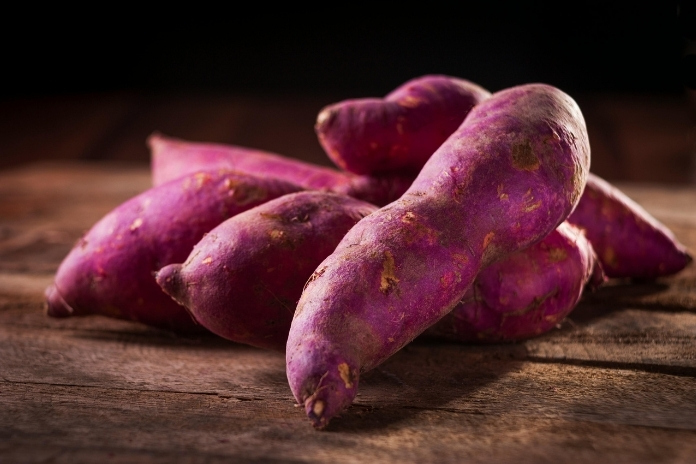
- Bananas and sweet potatoes affect blood sugar differently at lunch.
- This slower digestion helps prevent the common 3 p.m. energy crash, supporting steadier focus and productivity.
- Both foods are healthy, but sweet potatoes tend to work better as a lunch carb for sustained energy.
The war on fruit sugar has been running for a while now, and it has done some damage. People who once ate a banana without a second thought now wonder whether they’re spiking their insulin.
Others reach for low-carb alternatives out of fear of natural sugar vs added sugar confusion that collapses meaningfully different things into one vague threat. The reality is that both bananas and sweet potatoes are nutritious, and neither is the enemy. What they are not is interchangeable, especially not at lunch.
Sweet potato vs banana blood sugar comparison isn’t about which food is healthier in an absolute sense. It’s about which one functions better as a healthy lunch carb for energy, given the specific physiology of midday eating.
Lunch is a pivotal metabolic moment. What you eat between noon and 2 p.m. determines whether your blood glucose curves gently down into the afternoon or drops off a cliff at 3 p.m., sending you hunting for sugar.
In this article, we will understand fiber and satiety, insulin response, tryptophan, and craving mechanisms behind sweet potatoes. Learning these facts will make the swap from banana to sweet potato less of a sacrifice for you and more like a deliberate upgrade.
Read More: The Sweetest Superfood: 19 Sweet Potato Benefits, Tips & Quick Recipes
Why “Fruit Sugar” Fear Is Misplaced
Natural vs. Added Sugar: What Really Matters
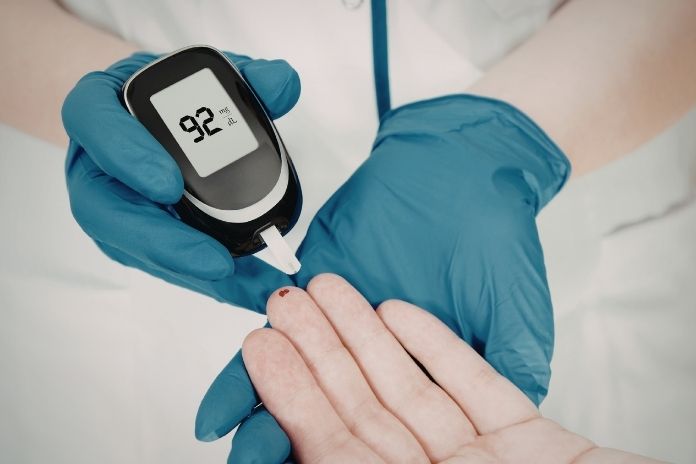
Natural sugar vs added sugar is one of the more widely misunderstood distinctions in everyday nutrition. The fear of fruit sugar treats fructose in a whole banana the same as fructose in a candy bar. That comparison ignores the food matrix entirely.
A whole banana’s sugar arrives packaged with water, fiber, resistant starch, pectin, and a range of micronutrients that collectively slow absorption, reduce the glycemic response, and change how the sugar behaves in the digestive tract. Stripped of its matrix in juice or candy form, the same fructose molecule hits the liver very differently.
The confusion has practical consequences. People eliminate whole fruit from their diets to manage blood sugar stability and end up cutting foods that would actually help them. They replace bananas with processed “low-sugar” bars that deliver refined maltodextrin, artificial sweeteners, and minimal fiber, ingredients that cause a more problematic insulin response than the banana ever would.
Sarah Berry, PhD, RNutr, addresses this fear directly on ZOE’s science podcast: “There are some people that are so fearful of sugar because of this sugar scaremongering that’s kind of gone on in the last 10 to 15 years that they avoid fruit.” She adds, “Actually, sugar that’s packaged within the original food that it came from behaves very, very differently.”
People who consume higher levels of fruit, she notes, citing the research, show improved cardiovascular health outcomes, even though fruit delivers more sugar to the diet. The food matrix is the mechanism.
The Real Problem: The Afternoon Blood Sugar Dip
The actual driver of afternoon cravings isn’t sugar itself. It’s the speed and shape of the glucose curve that follows a meal.
High-glycemic-load lunches, whether from refined grains, processed foods, or faster-digesting carbohydrates consumed without adequate fiber and satiety support, produce a sharp glucose rise followed by a drop that triggers hunger hormones, cortisol response, and a craving for quick energy.
This is the 3 p.m. slump. It’s not a character flaw or a willpower failure. It’s a predictable physiological outcome of a lunch that didn’t sustain blood sugar stability long enough.
Foods to prevent afternoon cravings work by flattening the glucose curve: slower digestion, more fiber, more protein, more fat, and a lower glycemic index per serving. The question of sweet potato vs banana blood sugar sits squarely in this framework.
Dr. David S. Ludwig, MD, PhD, describes what happens metabolically when the wrong carbohydrates dominate a meal: “Insulin is the ultimate fat-cell fertilizer. When fat cells get triggered to take in and store too many calories, there are too few for the rest of the body — that’s what the brain perceives.”
Choosing low glycemic lunch ideas built around complex carbohydrates that resist rapid digestion isn’t about avoiding carbs. It’s about choosing the ones that sustain energy rather than spike and crash it.
Banana vs. Sweet Potato: The Better Lunch Carb
Glycemic Impact: Fast vs. Slow Fuel
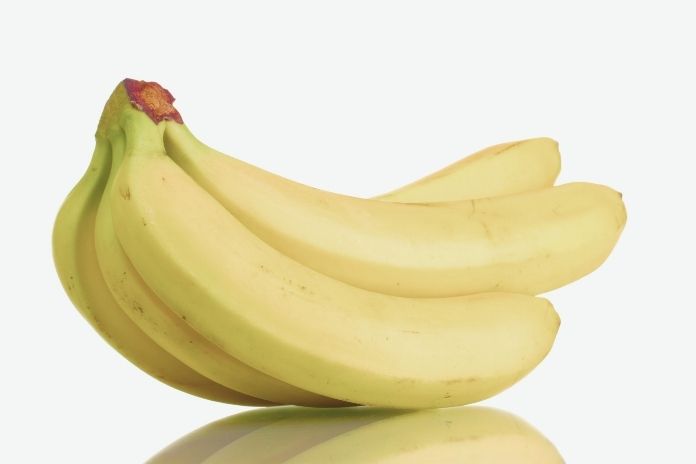
The glycemic index of bananas and sweet potatoes tells the first part of the story. A ripe banana carries a glycemic index of approximately 51 to 58, depending on ripeness, placing it in the medium-GI range.
Glycemic index rises with ripeness as resistant starches convert to simple sugars, so a very ripe banana with brown spots carries a meaningfully higher GI than a firm, slightly green one. A medium-ripe banana also has a glycemic load of around 11 to 12, which is moderate.
A boiled or steamed sweet potato has a GI of approximately 44 to 63, depending on preparation, with lower values for boiled and higher for baked. A study published in the USDA Agricultural Research Service found that dehydrated and raw sweet potato flesh had a GI of 41 and 32, respectively, both firmly in the low range.
Even the boiled and steamed methods showed moderate GI values that, combined with the food’s fiber and fat-free macronutrient profile, produce a glycemic load comparable to or lower than that of a banana at an equivalent serving size.
For foods to prevent afternoon cravings, the glycemic load number matters more than GI alone, because it accounts for the actual amount of carbohydrate per serving. A medium sweet potato at around 130 g has a glycemic load of approximately 11, similar to a banana in load but delivered more slowly due to its higher resistant starch and fiber content.
When combined with protein and fat at lunch, the sweet potato vs banana blood sugar difference becomes more pronounced: sweet potato’s starch structure resists digestion longer, slowing gastric emptying and sustaining the glucose curve further into the afternoon.
Fiber and Satiety: Why You Stay Fuller Longer
Fiber and satiety are directly linked through multiple mechanisms. Dietary fiber slows gastric emptying, stimulates the release of satiety hormones, including GLP-1 and PYY, and feeds beneficial gut bacteria that produce short-chain fatty acids with appetite-regulating properties.
Moreover, dietary fiber reduces the speed of carbohydrate absorption, all of which contributes to feeling fuller for longer after a meal. A medium sweet potato with skin delivers approximately 4 to 5g of fiber. A medium banana delivers approximately 3g.
The gap is not massive in isolation, but it matters in the context of how to stay full after lunch. Sweet potato’s fiber includes a meaningful proportion of resistant starch, particularly when cooked and cooled, which behaves like soluble fiber in the gut and provides slower, more sustained fermentation by gut bacteria.
A review published in the PMC found that boiled potato products induced significantly higher subjective satiety than energy-equivalent preparations when compared on a calorie basis, an effect attributed to both the lower glycemic response and the mechanical satiety properties of the food’s physical structure.
The skin adds additional insoluble fiber. Eating the skin, which most people discard, meaningfully increases the total fiber delivery and the satiety effect. Sweet potato, with a similar food matrix but additional pigmented antioxidants and higher natural fiber content, performs at least as well in this regard.
Micronutrients That Fight Fatigue
Where the sweet potato vs banana blood sugar comparison widens significantly is in the micronutrient profile. Both foods deliver potassium and magnesium for fatigue management. A medium sweet potato provides around 540mg of potassium and 33mg of magnesium.
A medium banana provides around 422mg of potassium and 32mg of magnesium. On electrolytes alone, they are comparable, but sweet potato adds a nutrient that bananas can’t match: vitamin A and energy metabolism.
A single medium sweet potato provides over 100% of the recommended daily allowance for vitamin A, delivered primarily as beta-carotene. Vitamin A and energy metabolism are connected through the role of retinoids in mitochondrial function, thyroid hormone metabolism, and the regulation of iron absorption, all of which influence how efficiently cells convert nutrients into usable energy.
Chronic vitamin A insufficiency, even at subclinical levels, is associated with fatigue, impaired immune function, and poor metabolic efficiency. Sweet potato is one of the most accessible and concentrated whole-food sources of beta-carotene available.
Its fat-soluble nature means pairing it with a drizzle of olive oil or a serving of avocado at lunch substantially increases its absorption. Sweet potato also provides meaningful amounts of vitamin C, manganese, and vitamin B6, all of which participate in energy metabolism pathways that a banana’s micronutrient profile doesn’t fully replicate.
How Sweet Potatoes Help Control Cravings
The Role of L-Tryptophan
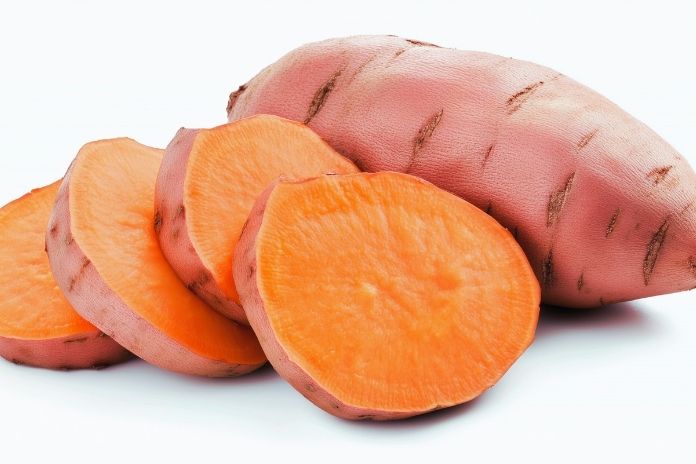
Tryptophan and cravings are connected through the serotonin synthesis pathway. Sweet potatoes contain L-tryptophan, an essential amino acid that serves as the upstream precursor for serotonin production.
Serotonin is the neurotransmitter most associated with mood stability, satiety signaling, and appetite regulation. When serotonin levels are adequate, the brain’s reward drive for quick carbohydrates and sweets is noticeably reduced. When they’re low, cravings intensify.
Felice Jacka, PhD, OAM, on the tryptophan-serotonin relationship, is precise about where the action actually happens: “The bacteria… control how much serotonin is produced by the metabolism of tryptophan and they’re in charge of that.” This means that the tryptophan and cravings connection isn’t simply about eating more tryptophan-rich foods in isolation.
The gut environment that processes tryptophan is the mediating variable. A lunch built around whole-food complex carbohydrates like sweet potato feeds the gut bacteria that drive tryptophan-to-serotonin conversion most efficiently.
Natural Sweetness Without the Spike
One underappreciated advantage of sweet potato as a healthy lunch carb for energy is its natural sweetness. A well-roasted sweet potato satisfies the palate in ways that plain brown rice or quinoa don’t, which matters practically for adherence. People are more likely to eat a satisfying lunch consistently than a technically optimal one that tastes flat.
The natural sweetness comes packaged with blood sugar stability, not against it, because it arrives within a food matrix high in fiber, water, and complex starch structures that collectively prevent the rapid glucose surge that a comparably sweet processed food would cause.
This is precisely what makes sweet potato one of the best low glycemic lunch ideas in practice rather than just in theory. It delivers the sensory experience of sweetness without the insulin response spike that derails the afternoon.
When to Choose Bananas Instead
The sweet potato vs banana blood sugar comparison is not a verdict against bananas. It’s a context-specific recommendation. Bananas remain one of the most practical and nutritionally complete portable foods available, and their faster glucose delivery is a feature, not a flaw, in the right circumstances.
For pre-workout energy within 30 to 60 minutes of training, a banana’s medium-GI carbohydrates provide rapidly accessible fuel that a sweet potato’s more complex starch structure doesn’t.
For post-exercise glycogen replenishment, the faster carbohydrate delivery of a banana is clinically relevant. For a quick breakfast option when meal prep time is limited, a banana with nut butter is a legitimate choice that supports blood sugar stability better than a pastry or cereal.
Foods to avoid a sugar crash in an afternoon context call for slower-digesting carbohydrates with more fiber. Foods to prevent afternoon cravings in a post-workout context may legitimately include a banana. The difference is in the timing and purpose of the carbohydrate delivery, not in the intrinsic quality of either food.
How to Use Sweet Potatoes for a Craving-Proof Lunch
Simple Preparation Tips
Preparation method matters for the glycemic index comparison of bananas and sweet potatoes. Boiled sweet potato has a lower GI than baked. Cooled sweet potato, as in a salad eaten at room temperature or cold, has an even lower GI due to resistant starch formation during cooling. The skin contributes fiber and antioxidants. Leaving it on adds measurable satiety benefit at no cost.
Pairing sweet potato with healthy fats such as olive oil, tahini, or avocado slows gastric emptying and increases fat-soluble vitamin absorption, particularly for beta-carotene and vitamin A. Pairing with protein, such as grilled chicken, a boiled egg, or legumes, strengthens the blood sugar stability effect and makes the lunch function as a sustained energy source well into the afternoon.
Insulin response is shaped by the full composition of the meal, not just the glycemic index of one component. A sweet potato at lunch paired with protein, fat, and fiber-rich vegetables will produce a glucose curve that outperforms a banana eaten alone in terms of afternoon energy maintenance.
Easy Lunch Combos
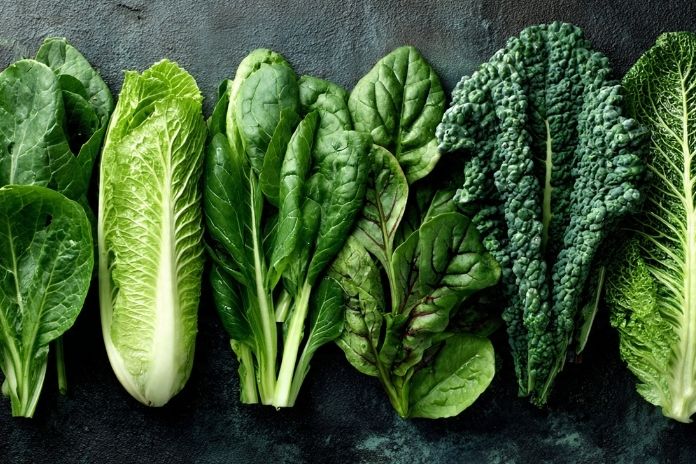
A roasted sweet potato bowl with leafy greens, chickpeas, and lemon tahini provides fiber and satiety, complex carbohydrates, potassium, and magnesium for fatigue, and protein in a single, practical preparation. Cold sweet potato cubes tossed into a salad with olive oil, pumpkin seeds, and arugula deliver the same slow-release energy in a lighter format.
Mashed sweet potato with Greek yogurt and cinnamon offers a warm, satisfying option that pairs naturally sweet flavor with the protein and calcium of the yogurt, a combination that leads to blood sugar stability while addressing tryptophan and cravings through both a sweet potato’s tryptophan content and the dairy’s.
Jessie Inchauspé offers the practical principle that underpins all of these combinations: “You can eat the same meal that you usually do, but if you have a plate of vegetables at the beginning of your meal, you’re going to harness the power of the fiber in your veggies at the beginning of your meal,” she told ZOE Science & Nutrition.
Starting any sweet potato-based lunch with a non-starchy vegetable, a simple mixed leaf salad, cucumber slices, or steamed broccoli applies the same principle. The fiber arrives first, creates the viscous protective mesh in the small intestine, and softens the subsequent glucose rise from a sweet potato’s carbohydrates. It’s the same food. Better sequenced.
Read More: Banana at Night for Weight Loss: Good Idea or a Mistake?
The Bottom Line: Smart Carbs Win Every Time
Sweet potato’s lower and more stable glycemic index; higher fiber and satiety profile; superior vitamin A and energy metabolism contribution; meaningful tryptophan and cravings support; and comparable potassium and magnesium for fatigue content all work together to make it the stronger choice for sustained afternoon energy.
Bananas are excellent foods. They are not, however, optimized for how to stay full after lunch in the way that sweet potatoes are. Foods to prevent afternoon cravings are characterized by slow-digesting complex carbohydrates, meaningful fiber, and micronutrients that support cellular energy production. Sweet potato checks all of those.
Low glycemic lunch ideas that are also satiating, practical, and actually satisfying to eat are harder to find than the nutrition literature suggests, which is part of what makes a sweet potato’s combination of qualities so practically valuable. The fruit sugar fear that started this conversation is worth setting down.
Natural sugar vs added sugar is a real distinction, and whole fruits, including bananas, are not problems to be solved. But understanding the specific differences in sweet potato vs banana blood sugar response, fiber and satiety delivery, and micronutrient support helps anyone who wants consistent afternoon energy make a more informed choice at lunch.
That choice, made consistently, is one of the most accessible foods to avoid sugar crash strategies available.
References
- Berry, S. (2024). Is honey really better than sugar? ZOE Science & Nutrition Podcast Recap
- Inchauspé, J. (2024). Blood sugar, brain fog, and glucose control. ZOE Science & Nutrition Podcast
- Jacka, F. N. (2019). Eating for mental health. The Doctor’s Kitchen, Episode 26
- Ludvik, B., Nolan, J. J., Roberts, A., Baloga, J., Joyce, M., Bell, J. M., & Olefsky, J. M. (2003). Evidence for hypothalamic control of carbohydrate utilization. Journal of Clinical Endocrinology & Metabolism. Referenced in Ludwig, D. S. (2021). Slow carbs, not low carbs. EcoWatch
- Ludwig, D. S. (2002). The glycemic index: Physiological mechanisms relating to obesity, diabetes, and cardiovascular disease. JAMA, 287(18), 2414-2423
- Niwattisaiwong, N., Horton, S., & Reinhart, G. A. (2005). Glycemic index of sweet potato as affected by cooking method. USDA Agricultural Research Service
- Ostman, E. M., Nilsson, M., Elmstahl, H. L., Molin, G., & Bjorck, I. M. (2001). Glycaemic and satiating properties of potato products. European Journal of Clinical Nutrition
- Tian, J., Chen, J., Ye, X., & Chen, S. (2016). Health benefits of the potato affected by domestic cooking: a review. Food Chemistry, 202, 165-175
- Artinci. (n.d.). Tame post-meal sugar cravings
- CARE Insurance. (n.d.). Ten reasons why sweet potato is a superfood
- Cleveland Clinic. (n.d.). Sweet potato benefits
- Healthmug. (n.d.). Too sweet to handle
- NDTV Food. (n.d.). How sweet potatoes help control sugar cravings and support weight loss
- Nutrisense. (n.d.). How to beat sugar cravings
- The Times of India. (n.d.). Sweet potatoes can beat sugar cravings: This healthy way may satisfy a sweet tooth naturally, improve heart health, and more.
- Vinmec International Hospital. (n.d.). Should you eat sweet potatoes on an empty stomach?
In this Article