


















- Food poisoning usually starts within a few hours after eating contaminated food. A stomach virus usually starts 12–48 hours after exposure.
- Food poisoning often causes sudden nausea and repeated vomiting. A stomach virus more often causes diarrhea, fatigue, and mild fever.
- Most cases improve with rest, fluids, and light foods. Seek medical care if symptoms are severe or dehydration occurs.
Sudden nausea, vomiting, and diarrhea can be quite alarming, and if they happen after eating food, people often wonder if it is food poisoning or if they have contracted a virus.
Both of these conditions affect the stomach and can cause acute gastroenteritis, a sudden inflammation of the stomach and intestines, which can show up as nausea, vomiting, diarrhea, and stomach cramps.
The only difference between food poisoning and having a virus is the timing. Food poisoning tends to manifest within hours of eating food that is contaminated with bacteria, whereas having a virus tends to manifest after 24 hours of exposure.
Many people also wonder, vomiting after eating, how long does it take before symptoms appear? There is often a rule of thumb for food poisoning, known as the “6-hour rule.” It is often used by doctors to understand what is happening in the body and when food poisoning symptoms start.
In this article, we will learn more about ways to differentiate food poisoning from viral gastroenteritis, the popular 6-hour rule, the onset of symptoms, and how to handle both conditions.
Read More: 14 Reasons You’re Not Feeling Hungry
What the “6-Hour Rule” Means for Sudden Nausea or Vomiting

Healthcare providers sometimes use an informal guideline known as the 6-hour rule for food poisoning patterns. The rule suggests that when vomiting after eating begins very quickly, often within about six hours, food poisoning caused by bacterial toxins in food is more likely. When symptoms appear much later, typically 12 to 48 hours after exposure, a stomach virus is often the cause.
This timing difference is related to how the illness develops. In some cases of food poisoning, toxins are already present in the food before it is eaten. These toxins irritate the stomach lining soon after ingestion, triggering the body’s natural defense reflex: vomiting. Because the toxin is already active, symptoms can develop rapidly.
Viral infections behave differently. When a virus enters the digestive tract, it must first infect cells and replicate. This process takes time, which is why symptoms such as diarrhea, nausea, or fatigue usually appear after an incubation period of 2 days.
The six-hour rule is useful as a clue, but it is not a definitive diagnosis. Some foodborne infections take longer to develop because bacteria must multiply in the body before symptoms appear. Likewise, individual immune responses can affect how fast the symptoms develop. Timing, therefore, helps narrow possibilities but cannot confirm the cause on its own.
How Food Poisoning Usually Begins
What Happens When Contaminated Food Is Eaten
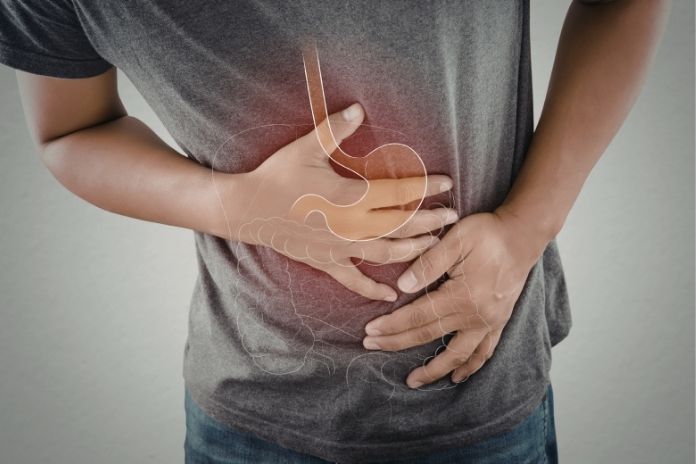
Food poisoning occurs when you ingest something that is spoiled or contaminated with harmful microbes or their poisons. It is usually caused by bacteria, viruses, parasites, or toxic chemicals produced by microbes. Once it is ingested, it interferes with your stomach and intestines, disrupting normal digestion.
Normally, your body immediately retaliates with nausea and vomiting. Your desire to vomit is an automatic response to protect yourself from a harmful substance. It is an attempt to rid your digestive system of the harmful substance before it causes more damage.
When food is contaminated with bacterial toxins in food, it is often immediately felt. Since it is already present in the food, it immediately attacks your stomach and nervous system shortly after consumption.
Read More: 16 Home Remedies For Stomach Flu – Get Relief At Home
Why Some Food Poisoning Symptoms Start Quickly
Some types of bacteria can cause toxins to be produced if the food is left outside at room temperature or is not stored properly. The culprits causing immediate symptoms are Staphylococcus aureus and Bacillus cereus. If you consume food contaminated with these toxins, your digestive system will react within a few hours.
This is why you might experience sudden nausea after eating, followed by vomiting shortly after. The symptoms might look severe, but they will go away within a short time.
Typical Symptom Pattern
Rapid-onset food poisoning usually follows this pattern:
- Nausea
- Repeated vomiting
- Stomach cramps
- The occasional diarrhea
Vomiting is usually the predominant symptom as the stomach tries to flush out the toxin. Fever is usually absent or minimal. Within 24 hours, people usually begin to feel better as their system flushes out the irritant. This also helps explain how long food poisoning takes to start in toxin-related cases, often just a few hours.
Common Foods Linked to Rapid-Onset Symptoms

Some foods are more likely to be linked with toxin-related food poisoning, and these are more likely to happen if proper storage is not followed. If cooked foods are not stored properly in the fridge or left at room temperature, bacteria are more likely to multiply and produce toxins.
Some foods that are more likely to be linked with food poisoning that have a rapid onset include:
- Rice or fried rice dishes
- Cream-filled desserts and pastries
- Delis meats and salads
- Foods that are left at room temperature for long periods on the buffet table
- Leftovers
These situations increase the risk of contaminated food exposure.
How a Stomach Bug (Viral Gastroenteritis) Develops

How Stomach Viruses Spread
Viral gastroenteritis, or stomach virus, is a contagious illness that causes stomach and intestinal inflammation. It is not spread by only one bad meal; it is spread through human contact.
Ways it is commonly spread:
- Through close contact with an infected person
- By touching something that is contaminated with the virus and then touching your mouth
- By eating something that was touched by an infected person
It is easy for stomach viruses to spread in close living areas, and that is why outbreaks tend to occur in homes, schools, hospitals, and work environments. Norovirus symptoms are among the most common causes of outbreaks around the world.
Typical Incubation Period
Stomach viruses require time to replicate inside the body before symptoms appear. This delay is known as the incubation period. For many viruses that cause viral gastroenteritis, the incubation period ranges from 12 to 48 hours.
Because of this delay, people may not connect their illness to the original exposure. Someone might feel perfectly healthy after contact with an infected person, only to develop symptoms the next day.
Common Viral Gastroenteritis Symptoms

Viral gastroenteritis symptoms can resemble food poisoning at first, but they often follow a different timeline. Diarrhea is often the main complaint, with several other signs and symptoms.
Some of the most common signs include:
- Watery diarrhea
- Nausea and vomiting
- Stomach cramps
- Mild fever or chills
- Headache or body aches
- Fatigue
Unlike food poisoning, diarrhea is often the main complaint. The infection runs its course over several days. This typical stomach virus symptoms timeline explains why people often feel ill for a few days rather than just a few hours.
Why Outbreaks Often Occur in Groups
Stomach viruses spread extremely easily. Even small amounts of virus particles can infect another person, and infected individuals may remain contagious for several days. Because of this, outbreaks often occur in places where people share space, food, or bathrooms.
When several people develop vomiting and diarrhea within a day or two of each other, a stomach virus is often responsible.
Symptom Timeline Comparison: Food Poisoning vs Stomach Bug
If you’re trying to decide between food poisoning and a stomach bug, several clues may help.
Onset Time
Food poisoning caused by toxins usually has a rapid onset. Symptoms can occur as early as 6 hours after eating contaminated food. The symptoms usually start with a strong wave of nausea and vomiting. The symptoms are usually severe at first, but within a day, people tend to start feeling better.
Main Symptoms
Viral gastroenteritis, on the other hand, tends to have a more gradual onset. After exposure to the virus, it usually takes between 12 and 48 hours before symptoms occur. Symptoms tend to include diarrhea, fatigue, and possibly a low-grade fever, as well as vomiting.
Most people tend feel better within one to three days, which answers the common question of how long a stomach bug lasts.
Exposure Clues
Another thing to consider is patterns of exposure. If symptoms occur after eating a meal and other people who ate the same meal are experiencing similar symptoms, it is more likely to be food poisoning. If symptoms occur after being exposed to someone who is sick, it is more likely to be a stomach virus.
Signs That Your Symptoms May Be Food-Related

Certain patterns strongly suggest that contaminated food may be responsible. Symptoms that begin very soon after eating are one of the biggest clues.
Food poisoning is more likely when:
- Vomiting begins shortly after a shared meal
- Multiple people who ate the same food became ill
- Symptoms start suddenly without fever
- Improvement occurs within about 24 hours
These features match the classic rapid-onset food poisoning pattern linked to bacterial toxins in food.
Signs That Suggest a Stomach Virus
Other symptoms that indicate a viral infection rather than contaminated food. A stomach virus often develops after exposure to someone who is already sick.
Clues suggesting a stomach virus include:
- Illness begins a day or two after exposure
- Prominent diarrhea and fatigue
- Mild fever or body aches
- Symptoms lasting several days
This pattern reflects the natural course of viral gastroenteritis as the immune system fights the infection.
Read More: Fluffy Poop: What It Means About Your Gut Health
What Helps Most With Either Condition

While the actual causes of these conditions are different, it is interesting to note that the initial treatment steps are quite similar.
Staying Hydrated
Hydration is the priority. Vomiting and diarrhea can cause severe dehydration, which is more dangerous in young children and elderly patients. Recommended hydrating fluids are water, oral rehydration solutions, electrolyte solutions, and broths. It is more advisable to have frequent sips rather than gulping too much at one time.
Be careful and watch out for dehydration symptoms, which are dry mouth, dizziness, fatigue, and fewer trips to the bathroom. All these are signs that the body is dehydrated and requires more fluid.
Gentle Foods During Recovery
After vomiting subsides, the digestive system usually tolerates simple foods better than heavy meals. Bland foods such as rice, bananas, toast, and crackers are commonly recommended during recovery. These foods are easier to digest and less likely to irritate the stomach.
People can gradually return to their normal diet once symptoms improve.
Rest and Gradual Recovery
Rest allows the immune system and digestive tract to recover. Antibiotics are generally not necessary for viral gastroenteritis, and many mild food poisoning cases also resolve without medication. The body typically clears the infection or toxin naturally within a few days.
Symptoms That Should Prompt Medical Care
Some cases of vomiting and diarrhea get better with home treatment, but some signs should not be ignored. The first concern is avoiding severe fluid loss.
If you notice any of the following symptoms, you should consult a medical professional:
- Dehydration symptoms such as dry mouth, dizziness, and low levels of urination
- Presence of blood in vomit and stool
- High fever
- Severe abdominal pain
- Vomiting for more than 24 hours in adults
These groups of people are at higher risk of developing serious illness:
- Infants
- Older people
- Those with a weak immune system
How to Reduce the Risk of Both Illnesses
Prevention of stomach illness is mainly about two things: food safety and hygiene. One must store food properly. Cooked meals should be refrigerated as soon as possible, and food should not be left at room temperature for too long. Food should also be cooked thoroughly and reheated sufficiently to kill bacteria.
Another important habit is hand hygiene. Hands should be washed before cooking and after using the restroom to reduce the spread of viruses that cause viral gastroenteritis. Shared surfaces should also be cleaned regularly to prevent illness if someone is sick at home.
These simple habits significantly reduce the chances of contaminated food exposure and viral transmission.
Read More: Salmonella Symptoms, Timeline & When to See a Doctor
Key Takeaway
Stomach problems that come on suddenly can be confusing, yet the timing of symptoms can provide useful clues. If vomiting begins within a few hours after eating, food poisoning from bacterial toxins in food may be responsible. If symptoms appear a day or two later, viral gastroenteritis may be the cause.
Understanding when food poisoning symptoms start, the stomach virus symptoms timeline, and how long a stomach bug lasts can help people better interpret what their body may be reacting to.
While symptoms can overlap, and dehydration symptoms may develop, persistent or severe illness should always be evaluated by a healthcare professional to ensure proper care and recovery.
References
- Centers for Disease Control and Prevention. (n.d.). Signs and symptoms of food poisoning
- HSE Health Protection Surveillance Centre. (n.d.). Norovirus: Information for employers
- Lumen Learning. (n.d.). Viral infections of the gastrointestinal tract
- National Center for Biotechnology Information. (n.d.). Foodborne illness. In StatPearls
- Oregon Clinic. (n.d.). The BRAT diet
- WebMD. (n.d.). Gastroenteritis (stomach flu)
- Author(s) unknown. (2023). Article on gastrointestinal infections. PubMed Central
In this Article