

















- Norovirus spreads easily and stays contagious until at least 48 hours after recovery.
- Viral shedding may continue for two weeks, spreading infection even after symptoms disappear..
- Strict hygiene, especially handwashing and surface cleaning, helps prevent norovirus outbreaks.
One of the most frequent causes of acute gastroenteritis, which can cause nausea, cramping in the stomach, diarrhea, and sudden vomiting, is norovirus. It spreads swiftly and causes millions of gastrointestinal illnesses worldwide each year.
Norovirus hits hard in the US every year, making about 19 to 21 million people ill with vomiting and diarrhea, according to the CDC.
Most people think they’re in the clear once they start feeling better. The symptoms usually disappear after a few days, so it’s easy to assume you’re done with it. But it’s not that simple. Research shows you can still shed the virus even after your symptoms fade.
Because norovirus spreads so quickly through stool transmission, contaminated hands, and contaminated surfaces, it is crucial to understand how long the virus remains contagious.
This article will describe the norovirus contagious period, discuss the well-known 48-hour rule, and examine the longer shedding phase, sometimes called the “two-week rule.”
Read More: 10 Things You Must Know About Zombie Virus – Top Cases in World
How Long Are You Contagious With Norovirus?
The norovirus contagious period can last from symptom onset until at least 48 hours after recovery. Extra precautions are required, as some people may continue shedding the virus for up to 2 weeks.
The period when people are most contagious
Your symptoms, which typically last 1 to 3 days, are the most contagious. Wash your hands frequently and stay away from other people, since whatever you touch during that time may be shedding viruses.
The 48-hour rule after symptoms stop
The norovirus 48-hour rule, which states that people should remain at home for at least 48 hours after their symptoms have fully subsided, is frequently advised by health officials. The virus does not disappear right away, even when you feel better.
Most people only remain immune for about 2 months, and they can still spread norovirus for at least 2 days after they start feeling better. Some even keep spreading it for up to two weeks, even if they don’t notice any symptoms.
The lesser-known extended contagious period
Sometimes, norovirus can persist in stool for 2 weeks or longer after you stop feeling sick. It is still possible to spread the virus to others during this prolonged period, though the risk drops sharply after the first few days.
Therefore, maintaining proper hygiene measures is crucial, even if you feel that you have completely recovered from norovirus.
“We do commonly call norovirus the stomach flu, although it’s not an influenza virus,” said Dr. Robyn F. Chatman, MD, MPH, a family physician in Cincinnati, and delegate in the AMA House of Delegates for the Ohio State Medical Association. She adds, “It is a stomach bug, but it is a virus, so antibiotics have absolutely no effect on it.”
Why Norovirus Spreads So Easily

Norovirus is one of the most contagious viruses affecting the digestive system. It is quite effective at spreading among people due to several distinctive features.
Knowing these elements helps explain why norovirus outbreaks are often so rapid.
Extremely small infectious dose
The fact that only a small amount of the virus is needed to cause illness is one reason outbreaks occur so frequently. With an estimated infectious dose as little as 18 viral particles, norovirus is highly contagious; during peak shedding, each gram of feces may contain about 5 billion infectious doses.
Even brief exposure to contaminated surfaces can cause illness due to this low infectious dose. It explains why norovirus-related foodborne illness outbreaks frequently take place in communal kitchens, restaurants, and educational institutions.
Outbreaks pop up a lot in places where people gather, no surprise there. From 1994 to 2006, the CDC tracked 660 outbreaks in places they could identify.
Of those, long-term care facilities accounted for the most, at 35.4%. Restaurants and parties weren’t far behind at 31.1%. Holiday spots, like cruise ships, accounted for 20.5%, and schools or local communities accounted for the remaining 13%.
The virus survives on surfaces for long periods
Norovirus sticks around outside the body, primarily why it spreads so fast. It moves easily from contaminated surfaces or from infected people. If someone has norovirus and they touch things after using the bathroom, especially if they haven’t washed their hands well, they leave virus particles behind. That’s how other individuals get infected.
Tainted food, water, or objects can pass the virus around if people touch them. When anyone vomits, the tiny drops filled with the virus fly into the air. They can land nearby or even end up in someone’s mouth.
When someone with norovirus uses the bathroom, germs from their poop can splash onto surfaces, spreading the virus. That’s why it’s so important to clean and disinfect surfaces often; otherwise, norovirus keeps moving from one place to another.
Hand sanitizers are less effective against norovirus
Lots of people grab alcohol-based hand sanitizers when they want to quickly clean their hands. But here’s the thing, those sanitizers don’t really work against norovirus the way they do with other viruses.
Norovirus lacks an envelope, making it more difficult to treat. It withstands changes in temperature and pH, as well as some disinfectants, including alcohol. Alcohol can’t get through the virus’s protein shell, or capsid, no matter how strong it is. So, alcohol-based hand rubs can’t wipe out norovirus.
Public health organizations advise washing hands with soap and water instead. Virus particles are physically removed from the skin through thorough handwashing. Reducing transmission during the norovirus contagious period requires good hand hygiene and infection control.
Read More: How to Clean Groceries During Coronavirus? Decontaminate the Virus
Why You May Still Spread Norovirus After You Feel Better
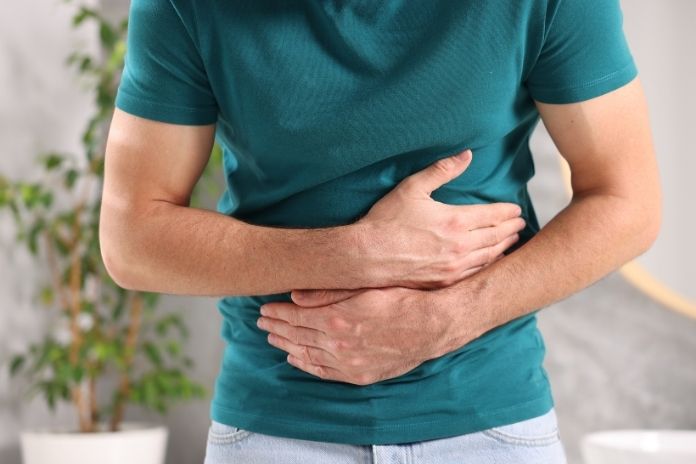
Many people believe that the infection is completely resolved when symptoms cease. During healing, the digestive system may nevertheless continue to discharge viral particles. This is why “can norovirus spread after recovery” is a common question among patients.
Viral shedding continues after symptoms resolve
The virus may continue to reproduce in the intestines for a while after recovering from acute gastroenteritis. The CDC states that an infected person can spread the norovirus for up to two weeks after feeling better.
Therefore, regularly sanitizing frequently touched surfaces is the best way to prevent norovirus. It entails cleaning counters, phones, cell phones, doorknobs, and hard surfaces. Additionally, the young children will be interacting with their toys and other items.
A list of disinfectants effective against norovirus is available on the U.S. Environmental Protection Agency website. Generally speaking, a solution containing five to twenty-five tablespoons of home bleach (5.25%) per gallon of water works well.
People may unknowingly contaminate food or surfaces
Even after their symptoms are gone, people recovering from norovirus can still spread it if they don’t wash their hands properly. It gets tricky in places with shared bathrooms or kitchens.
Someone uses the restroom, skips a good hand wash, then grabs a doorknob or a kitchen tool, and just like that, the virus ends up on stuff everyone else touches.
Another significant risk element is food preparation. Even after recovering from norovirus after symptoms, a person may still contaminate food if they handle it carelessly.
Some individuals shed the virus longer than others
Individual differences may exist in the duration of the norovirus contagious phase.
The majority of norovirus exposure cases result in illness within 12 to 24 hours. An average illness lasts from 12 to 60 hours, or half a day to two and a half days.
People are still contagious for a time after they start feeling better. While some remain contagious for much longer, many are only contagious for 48 hours.
“People can shed the virus for many weeks after the illness has resolved,” says Dr. Rani Sebti, M.D., an infectious disease physician in Hackensack, New Jersey. She adds, “Immunocompromised patients – with lymphoma, leukemia, bone marrow transplant – can shed the virus for months.”
When Is It Safe to Return to Work, School, or Food Preparation?
When it is safe to return to work after norovirus depends on symptoms, occupation, and hygiene standards, health officials advise being cautious when returning to regular activities due to the possibility of ongoing viral shedding.
General public guidance
The norovirus 48-hour rule is the safest recommendation for most people. It entails waiting for at least two full days following a complete cessation of vomiting and diarrhea.
Following this guideline reduces the risk of infection transmission through casual contact.
However, norovirus shedding after symptoms can persist at this time. Strict hygiene procedures are therefore still crucial.
Extra precautions for high-risk roles
Stricter infection control is necessary for some jobs because the consequences of transmission are more severe. Among them are:
- Food service employee.
- Medical personnel.
- Childcare providers.
- Employees in senior care institutions.
Activities to avoid during early recovery
Certain activities should be avoided during the early stages of recovery, even after the norovirus contagious period has passed its peak. Examples consist of:
- Never prepare, cook, or serve food to other people.
- Avoid recreational water areas.
- Sharing towels or cutlery.
- Going to big events.
These precautions help reduce the risk of spreading infection while norovirus after symptoms continues to clear from the body.
Read More: Coronavirus Imaging Features Unveiled By Radiologists, New Study Suggests
Practical Steps to Prevent Spreading Norovirus After Recovery
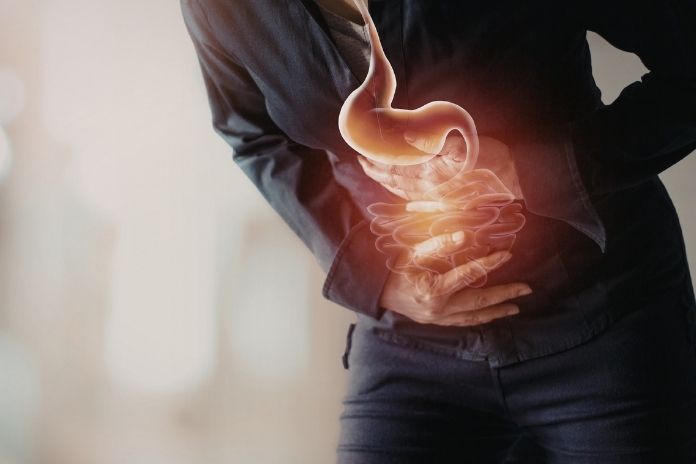
Even after your symptoms fade, you can still spread norovirus. That’s why it’s so important to follow hand hygiene and infection control steps, even if you feel fine.
Wash hands thoroughly and frequently
The best defense against norovirus is to wash your hands properly. Your best defense is soap and water- Scrub your hands for at least 20 seconds, especially before handling food or after using the restroom.
Disinfect contaminated surfaces properly
Using the right disinfectants to clean surfaces helps remove the virus particles. Use a bleach-based cleanser to clean doorknobs, worktops, and toilets. If someone in your home is ill, wash bedding, clothes, and towels in hot water.
These actions reduce the environmental presence of viruses in the home.
Handle laundry carefully
If not properly handled, clothing, bedding, and towels used during norovirus illness may harbor virus particles and contribute to subsequent spread. These items should be cleaned as soon as possible after use to reduce the risk of contamination.
When possible, use hot water cycles to help remove and deactivate virus particles. Shaking contaminated materials can release virus particles into the air and onto nearby surfaces; thus, it’s crucial to avoid shaking them.
Safe food handling during recovery
You must take extra care when preparing food after recovering from norovirus. Can you cook after norovirus? It is a common question, particularly for those in charge of the household’s meals.
You should stay out of the kitchen for at least 48 hours after symptoms go away, even if you feel better. Allow someone else to cook because food contamination is one of the main ways norovirus spreads.
Signs That Medical Advice Might Be Important

The majority of norovirus cases go away on their own. Nonetheless, some symptoms may indicate the need for medical care.
Symptoms of dehydration
Dehydration can result from severe vomiting and also diarrhea. Among the warning indicators are:
- Lightheadedness or dizziness
- Dry mouth
- Decreased urination
Severe or prolonged symptoms
While most illnesses go away in a few days, you might need to see a doctor if:
- Diarrhea or vomiting persists for more than a few days
- Instead of getting better, symptoms get worse
Higher-risk individuals
Some people are more prone to acute gastroenteritis problems. Among them are:
- Young children and infants
- Senior citizens
- Those who suffer from long-term illness
Read More: How To Prevent Coronovirus From Spreading, Especially When Travelling?
Conclusion
If you want to keep the virus from spreading, you really need to know how long is norovirus contagious. Even after the worst of it, vomiting, diarrhea, all that goes away, the virus doesn’t just disappear. You might feel totally normal, but you can still infect people around you.
Knowing the norovirus contagious period and practicing good hygiene helps you protect your family, coworkers, and everyone else around you. That’s how you stop outbreaks before they start.
References
- Mayo Clinic Staff. (March 07, 2024). Stomach flu: How long am I contagious?:
- Sara Berg, MS. (January 24, 2025). What doctors wish patients knew about the contagious norovirus.
- Huntington Health. Norovirus is on the rise: What you need to know.:
- Centers for Disease Control and Prevention. (2024, April 24). Norovirus: Causes and how it spreads.:
- Caroline Arbanas. (April 12, 2018). How highly contagious norovirus infection gets its start.:
- Robert Roos. (March 4, 2011). New CDC guidelines profile challenge of norovirus.:
- DynaMed. Norovirus infection.:
- Norovirus Transmission.
- Neal Wieselman. (January 7, 2025). Alcohol-Based Hand Sanitizers Ineffective Against Norovirus: Effective Alternatives and Infection Control Strategies.
- Michigan Department of Licensing and Regulatory Affairs. General norovirus fact sheet
In this Article