



















- Some “healthy” foods like dairy, refined carbs, and fried foods may worsen inflammation.
- Added sugars and unhealthy fats increase inflammatory markers and worsen arthritis symptoms.
- Replace inflammatory foods with fatty fish, leafy greens, berries, and anti-inflammatory spices.
Many consumers choose foods labeled “natural,” “low-fat,” or “whole grain” to improve their health. But when it comes to joint health, the narrative isn’t always that easy. Many foods often considered healthy may actually cause stiffness, edema, and persistent joint pain in some people. Your diet may be more important than you think if you have persistent joint discomfort.
An increasing amount of research indicates a direct relationship between diet and joint pain. Some meals can raise the body’s inflammatory levels, exacerbating conditions like arthritis. It implies that if your body reacts adversely to certain “good-for-you” meals, they may end up on the list of foods that cause joint inflammation.
In this article, we’ll explore three surprising foods that make arthritis worse, why they may contribute to inflammation, and what to eat instead.
Read More: Daily Micro-Habits That May Help Lower Inflammation Naturally
How Food Affects Joint Inflammation
The body’s natural response to damage or illness is inflammation. Chronic inflammation, however, can harm tissues, such as the cartilage and connective tissues that shield your joints. Persistent inflammation is closely associated with conditions such as rheumatoid arthritis and osteoarthritis.
The Centers for Disease Control and Prevention estimates that 54 million Americans have arthritis. One in four people with arthritis will have excruciating joint pain. Your quality of life is often affected by joint stiffness and pain, which makes it harder for you to do the things you enjoy.
One of the main lifestyle factors that can affect inflammation is diet. Over time, certain foods may exacerbate joint problems by promoting the creation of inflammatory substances called cytokines. For instance, elevated levels of harmful fats, sugar, and processed carbs in the blood might raise inflammatory markers.
Understanding which foods may be contributing to foods that cause joint inflammation can help you make smarter choices that support healthier joints.
Food #1 — Dairy Products (Even the “Low-Fat” Kind)
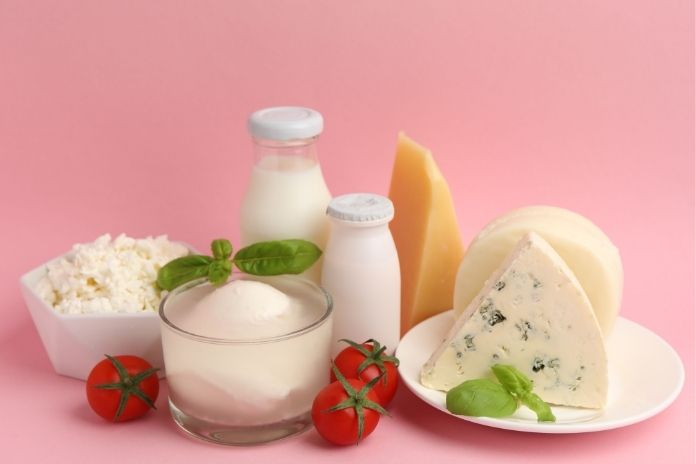
Dairy products usually get a thumbs up as part of a healthy diet. Milk, yogurt, and cheese give your body protein, calcium, and vitamin D, which your bones need to stay strong. However, if you have arthritis or ongoing joint pain, dairy can sometimes make things worse.
High-fat dairy, in particular, can stir up inflammation and joint pain. It’s not just the fat casein protein and arachidonic acid in these foods that also play a role. People with autoimmune conditions like rheumatoid arthritis often feel it the most. For them, it’s better to cut back on high-fat dairy or skip it altogether.
Here are some high-fat dairy products to avoid:
- Butter
- Full-fat cheese
- Thick cream
- Cream
- Whole milk
Plant-based substitutes may be helpful if dairy exacerbates your symptoms. Better choices consist of:
- Oat milk or almond milk without added sugar
- Calcium-enriched soy milk
- Leafy vegetables, including broccoli and kale
Food #2 — Refined Flour and Sugary “Energy” Foods

Refined carbs and sugary snacks, which are frequently promoted as convenient “energy” foods, are another surprising category of foods that cause joint inflammation. Eating foods high in sugar can lead to inflammation in the body, according to research published in the American Journal of Clinical Nutrition.
Eating processed sugars triggers the release of cytokines, which are known as “inflammatory messengers.” Always look for added sugar sources on food labels and ingredient lists. Aim for no more than 10 percent of daily calories from added sugars. Flavored coffees, yogurt, granola bars, instant oatmeal, and morning cereals are examples of hidden sources of added sugars.
Refined carbs don’t offer much nutritional value. On top of that, they raise levels of inflammation in your body. And when inflammation goes up, so does your risk for things like diabetes, heart disease, and inflammatory bowel disease. You’ll find refined carbs in foods like white bread, white rice, cookies, and cakes.
Read More: Why Sitting Too Much Can Trigger Inflammation (Even If You Exercise Regularly)
Food #3 — High-Fat or Fried Foods (Even “Healthy” Ones)

Although people often link fried foods to poor nutrition, several modern culinary trends make them appear healthier than they actually are. Vegetable chips, avocado fries, and air-fried snacks are often marketed by restaurants and packaged snack companies as healthy substitutes. These meals might still include oils that exacerbate inflammation, though.
High levels of trans or saturated fats can be found in many processed or fried foods. These fats may exacerbate arthritis symptoms and increase inflammation. Substituting healthy cooking methods for fried foods can significantly reduce inflammation.
Better choices consist of:
- Roasting or baking veggies
- Grilling or steaming lean meats
- Instead of deep-frying, use a small amount of olive oil
The Best Anti-Inflammatory Replacements for Joint Health
Avoiding certain foods may reduce inflammation, but including nutrient-rich foods is just as vital. Numerous foods are well known for their anti-inflammatory properties and may help protect joint tissue.
Fatty Fish: Fatty fish like salmon, sardines, and mackerel pack a ton of omega-3 fatty acids, which makes them some of the best foods for joint health. These healthy fats actually help calm inflammation by dialing down the production of inflammatory cytokines.
Leafy Greens: Leafy greens, such as spinach, kale, and Swiss chard, are loaded with vitamins and minerals that keep your cartilage in good shape. They’re especially rich in vitamins K and C, both key players in healing tissue and managing inflammation.
Berries: Raspberries, blueberries, and strawberries are rich in powerful antioxidants. These help clear out free radicals that can mess with your joints.
Spices: Ginger and turmeric are two spices that have drawn interest for joint health. Curcumin, a substance with anti-inflammatory properties, is found in turmeric. Bioactive compounds in ginger may also help reduce pain and inflammation.
Read More: Ginger vs Turmeric: Which Is Better for Inflammation—and When Should You Use Each?
How to Build a Joint-Friendly Plate

Strict limitations are not necessary to create a balanced diet for joint health. Rather, it entails limiting meals that exacerbate inflammation and increasing those that lessen it. A meal suitable for sharing usually consists of several components that promote overall health.
For instance, a balanced meal may include grilled salmon, roasted veggies, leafy greens, and a portion of whole grains. Omega-3 fatty acids, fiber, vitamins, and antioxidants are all included in this mixture to promote joint health.
Here are some useful tips for creating a plate that is pleasant to joints:
- Select whole foods over processed snacks.
- Include healthy fats such as olive oil and almonds.
- Give priority to fruits and vegetables rich in antioxidants.
- Limit items high in refined sugar or saturated fats.
Read More: Vegetables That May Cause Inflammation: What to Know (and What to Eat Instead)
Conclusion
Besides medicine and exercise, keeping your joints healthy often depends on your daily diet and the joint pain connection. Some foods that look healthy on the surface can actually stir up inflammation, especially if you’re sensitive to certain ingredients.
If you figure out which foods set off your symptoms and swap them for more nutritious options, you give your joints and your whole body a much better shot at feeling good.
In this Article