



















- Joint pain can occur without arthritis due to infections, hormones, or injuries.
- Conditions like fibromyalgia, hypothyroidism, and nutrient deficiencies may trigger joint discomfort.
- Persistent joint pain, swelling, or stiffness lasting weeks should be medically evaluated.
You may frequently question why your joints pain so much. One of the most prevalent skeletal problems that people currently face is joint discomfort.
A common misconception is that joint pain, but not arthritis, is uncommon. Arthritis is frequently the first diagnosis made when knees, fingers, or shoulders start to hurt. That presumption isn’t always accurate, though.
Although it is one of the most prevalent causes of joint pain, arthritis is by no means the only explanation. Actually, arthralgia, the medical term for joint pain, can be caused by several illnesses without producing the inflammation characteristic of arthritis.
It can be confusing and occasionally irritating to figure out why my joints hurt when I don’t have arthritis. In actuality, a variety of factors, including hormone imbalances, dietary deficiencies, temporary viral infections, and even lifestyle stress, can cause joint pain without arthritis.
This article will examine five unexpected causes of joint pain, but not arthritis. We’ll go over how viral infection, joint pain from fibromyalgia, hypothyroidism, joint stiffness, vitamin deficiency joint pain, and overuse injury joint pain can all lead to joint discomfort.
Read More: Psoriatic Arthritis: Symptoms, Causes, and Treatment Options You Should Know
Why Joint Pain Isn’t Always Arthritis
More than 92 million adults in the US have arthritis, a type of joint pain whose symptoms can range from minor to serious limitations. Although arthritis is by far the most common cause of joint pain, other causes exist as well.
Although the terms arthritis and arthralgia are frequently used interchangeably, they are not the same. In light of this, arthralgia refers to joint pain or aching, whereas arthritis refers to joint inflammation.
Many people have joint pain but not arthritis as a result of this distinction. Even when an inflammatory disease isn’t affecting the joint itself, a person may experience joint stiffness, soreness, or discomfort.
There are many causes of joint pain that are not arthritis. Potential causes of joint pain that aren’t always associated with arthritis include:
- An infection in a joint or another body part.
- A joint injury, such as a sprain.
- Celiac disease, multiple sclerosis, and Crohn’s disease are examples of autoimmune diseases.
- A reaction caused by allergies.
- Multiple sclerosis and other degenerative diseases.
- Overuse injury joint pain.
Doctors must determine the right cause for the treatment to be effective. A misdiagnosis may result in delayed care or needless medication. Rather, to ascertain the actual cause of pain, physicians usually assess symptoms, medical history, blood tests, and imaging studies.
Reason #1 — Viral Infections

Infections, especially viral infections, are among the most neglected causes of joint pain without arthritis. Numerous viruses cause temporary immune reactions that impact muscles and joints.
Joint pain due to viral infection can happen during or after conditions like:
Parvovirus B19: It doesn’t just cause fifth disease in kids. In adults, it can also lead to arthritis.
Hepatitis Viruses (B and C): Hepatitis B and C aren’t just about the liver. These viruses can trigger arthritis as part of a broader infection.
Rubella Virus: Rubella, or German measles, is known for causing arthritis, especially in adult women.
Alphaviruses (like the Ross River and Chikungunya viruses): Then there are alphaviruses, such as Ross River or Chikungunya. These mosquito-borne viruses can hit hard, causing severe joint pain and swelling that’s tough to ignore.
During these infections, the immune system releases inflammatory chemicals that travel throughout the body. Even though there is no long-term joint damage, these substances may cause arthralgia by irritating joint tissues.
Viral infection joint pain usually goes away as the infection does. On the other hand, some people experience post-viral syndrome, which causes persistent symptoms. For weeks or even months after the initial illness subsides, this condition can cause joint pain and fatigue.
Read More: Ease Arthritis Symptoms: 5 Best Heating Pads for Joint Pain Relief
Reason #2 — Fibromyalgia

Fibromyalgia joint pain is another commonly misdiagnosed cause of joint pain that is not related to arthritis. A complicated neurological disorder called fibromyalgia affects how the brain interprets pain signals.
Fibromyalgia results in severe fatigue and pain throughout the body. Because it can cause joint, muscle, and soft-tissue pain, it can be mistaken for arthritis. Physicians, however, classify fibromyalgia as a pain condition.
Although the symptoms are not life-threatening, they can interfere with sleep, memory, and other aspects of daily life. Chronic anxiety or depression are 20% more common in fibromyalgia sufferers. To manage emotional symptoms, it is crucial to seek professional assistance and employ complementary therapies.
Fibromyalgia, which is not an autoimmune disease, is more common in people with lupus, rheumatoid arthritis, and other autoimmune conditions. Typically, symptoms begin between the ages of 30 and 55. Despite being more prevalent in adults, fibromyalgia can also strike children, particularly teenage girls.
“Fibromyalgia is a response to various environmental stressors,” explains Kevin Hackshaw, MD, who is a board-certified rheumatologist in UT Health Austin’s Rheumatology Clinic. He adds, “While interplay exists between psychiatry, rheumatology, and neurology about this condition, ample evidence has been provided that indicates fibromyalgia is a true condition caused by neurochemical changes that are occurring in the brain chemistry.”
The following are typical signs of fibromyalgia:
- Tenderness and pain.
- Sleep issues and exhaustion.
- Issues with thinking and memory.
Reason #3 — Thyroid Disorders (Especially Hypothyroidism)
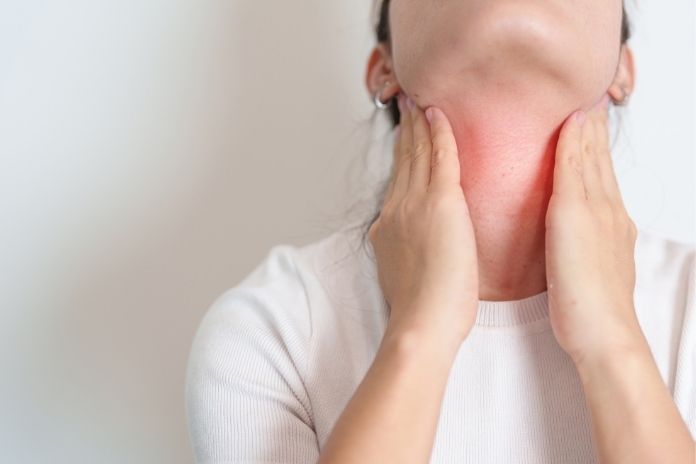
Hormonal imbalances can also explain why my joints hurt, particularly when they involve the thyroid gland. Hypothyroidism and joint stiffness are two of the most prevalent endocrine causes of joint pain that do not involve arthritis.
A lack of this hormone results in hypothyroidism, which slows down bodily functions and produces a variety of symptoms, including joint pain.
Thyroid hormones affect how bone and cartilage cells grow and develop, and that can lead to joint pain. When someone has hypothyroidism, they can end up with musculoskeletal problems like:
- Epiphyseal dysgenesis.
- Infection-related necrosis.
- Different forms of arthritis, like erosive osteoarthritis or crystal-induced arthritis.
- Weakness of the muscles.
- People may experience myalgias, with or without elevated creatinine phosphokinase levels.
- Carpal tunnel syndrome.
Hypothyroidism can result from physical conditions like a tumor or an autoimmune disease, as well as from medications or therapies used to treat other conditions.
Hypothyroidism and joint stiffness frequently affect the following areas:
- Wrists and hands
- Knees
- Ankles
- Shoulders
Joint pain may coexist with other thyroid dysfunction symptoms, such as:
- Exhaustion
- Gaining weight
- Mood swings
- Feeling cold
- Constipation
- Cholesterol level high
Read More: Bursitis vs Arthritis: What’s Causing Your Joint Pain? A Clear Comparison Guide
Reason #4 — Nutrient Deficiencies

Vitamin deficiency joint pain is another underappreciated cause of joint pain unrelated to arthritis. To keep bones, muscles, and connective tissues in good condition, the body needs a range of vitamins and minerals.
People call vitamin D the “sunshine vitamin” for a reason. Your body needs it to absorb calcium, and without enough, your bones don’t stay strong. When you’re low on vitamin D or have a vitamin D deficiency, your bones get weaker, and you’re more likely to break something. It’s not just about bones, either; some studies link low vitamin D with a bigger risk of osteoarthritis, which is a pretty common source of joint pain.
Vitamin B12 is just as important, though it works a bit differently. Your body depends on B12 to make red blood cells and keep your nerves working right. It doesn’t really build joints, but if you don’t get enough B12, your nerves can suffer.
That can bring on pain, tingling, or numbness; sometimes it feels a lot like joint pain, or even makes joint problems worse. On top of that, B12 plays a role in keeping your whole musculoskeletal system healthy.
Magnesium is an essential mineral for hundreds of body functions, including bone health and muscle and nerve function. It helps regulate muscle contraction and relaxation.
By placing stress on surrounding tissues, a magnesium deficiency can cause joint pain, muscle cramps, and spasms. Sufficient magnesium intake from foods such as leafy green vegetables, nuts, and seeds can promote joint and muscle comfort.
Reason #5 — Overuse, Strain, or Any Old Injury

Not all joint pain originates from disease. In many cases, physical strain is the reason my joints hurt.
When repetitive motion, overuse, or joint pain results, stress occurs in the muscles, tendons, or ligaments surrounding a joint. Tennis elbow, swimmer’s shoulders, runner’s knee, Achilles tendinitis, and shin splints are all overuse injuries that cause joint pain from repeated microtrauma to bones, joints, and tendons.
In sports, overuse injuries are surprisingly more common than acute injuries. However, overuse injuries are more difficult to diagnose and treat because they are subtle and typically develop gradually.
When you attempt to engage in too much physical activity too soon, you may sustain overuse injuries. Symptoms could consist of:
- Pain that develops gradually (more like an ache).
- Aching or stiffness during or after an activity.
- The time it takes for the pain to subside is getting longer.
- Point tenderness.
- Noticeable inflammation and swelling.
In general, treatment aims to ease stress and promote healing. Frequently suggested tactics consist of:
- Putting the affected joint to rest.
- Utilizing ergonomic equipment or adopting good posture.
- Gradually increasing your strength.
- Physical treatment.
Read More: Early Signs of Arthritis in Your 30s You Shouldn’t Ignore
Other Hidden Causes of Joint Pain
In addition to the five main causes mentioned above, several other illnesses can cause joint pain but not arthritis.
- Bursitis
- Tendinitis
- Gout
- Lyme disease
- Lupus
- Osteomyelitis
- Complex regional pain syndrome
- Not doing physical activity
- Paget’s disease of the bones
- Rheumatic fever
Mental health issues can also influence pain perception. Stress, anxiety, and depression impact the nervous system and amplify pain signals. Even in the absence of a physical injury, these factors can lead to persistent arthralgia and chronic pain conditions.
When to See a Doctor
It’s normal to have some joint pain now and then, but certain symptoms really deserve a doctor’s attention. Talk to a healthcare professional if you notice any of these:
- Pain in your joints that sticks around for more than two weeks, even if it’s not arthritis.
- Any joints that feel sore, swollen, or stiff.
- Joints that feel warm or look red when you touch them.
- Stiffness or tenderness in joints.
- Difficulty moving a joint or doing your daily activities.
These signs can indicate something more serious, such as an autoimmune disease, an infection, or another condition that needs a doctor’s attention.
Read More: 5-Minute Daily Mobility Routine for Arthritis You Can Do at Home
Conclusion
Joint pain can be pretty worrying, especially when you’re not sure why it’s happening. Most people jump straight to arthritis, but honestly, arthritis isn’t as common as you’d think.
There are plenty of other reasons for thinking, “Why do my joints hurt?” such as infections, hormone imbalances, injuries, or even not getting the right nutrients. If you know about these other causes, you don’t have to stress over every ache, and you’re more likely to get the right treatment.
If you frequently wonder why your joints hurt, it’s crucial to consider other symptoms and lifestyle factors that may be contributing to the problem.
References
- Guthrie. 6 Reasons Why Your Joints Hurt
- Dr Trisha MacNair. (05 August, 2019). 5 surprising causes of joint problems.
- PSRI Hospital. 15 ways you may be hurting your joints.
- DrOracle.ai. (2025, December 29). How do you clinically differentiate between arthritis and arthralgia?
- Castro-Domínguez, F. (n.d.). What is a viral arthritis? What viruses can cause it? How does it usually evolve? Which is the treatment?
- University of Washington Department of Orthopaedic Surgery and Sports Medicine. Infectious arthritis.
- Arthritis Foundation. Fibromyalgia.
- Medical News Today. 12 signs and symptoms of hypothyroidism (underactive thyroid).
- Mayo Clinic. Hypothyroidism: Does it cause joint pain?
- Denise Mann, MS. (November 29, 2022). Hypothyroidism and Joint Pain.
- Summa Health. Overuse injuries.
- Mayo Clinic Staff. (2023, April 5). Joint pain: Causes.
In this Article