


















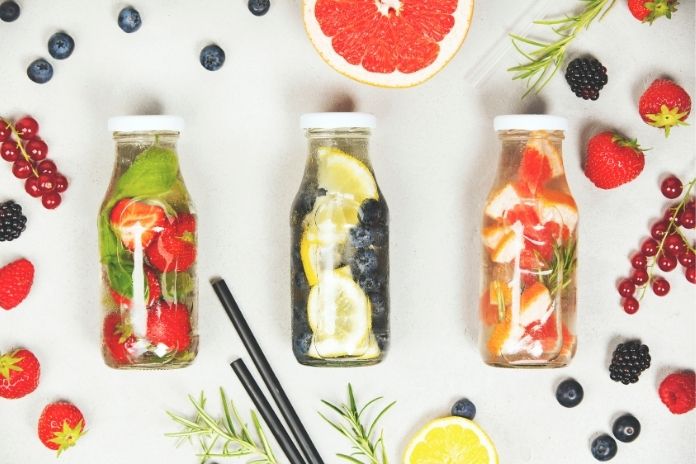
For some, the problem with water is simply the taste. Water is boring. People are busy, and the availability of flavored drinks is high. This is why the popularity of healthy water flavoring is growing so quickly. People want to hydrate, but they also want to hydrate with something that is flavorful.
But what is the best flavored water? The answer to this is not simply “natural,” “sugar-free,” or “zero calories.” The best flavored water is considered healthy, but this is based on the ingredients, the frequency, the sodium content, the impact on the teeth, and the overall diet. For some, the best flavored water is not the one bought in the store but the one made at home.
In this article, we will be discussing the best methods for flavored water, the best water flavoring, the difference between natural and store-bought, the risks of artificial sweeteners, the risks of electrolyte powders, and the best methods for weight loss, sugar control, and other benefits.
Read More: Unveiling the Health Benefits of Raisin Water: A Natural Elixir
What Makes a Water Flavoring “Healthy”?
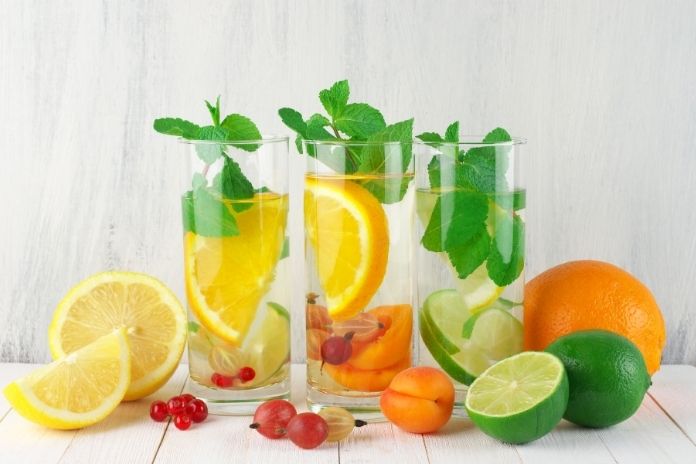
A good water flavoring encourages you to drink more water without also leading to other health issues. It sounds easy, but many popular flavored water brands fail to deliver on this basic requirement.
First, it should be low in or devoid of sugar. Too much sugar leads to weight gain, insulin resistance, fatty liver, and cavities. Even “natural” flavored water can contain high amounts of sugar in the form of fruit juice concentrates or syrups.
Second, it should not contain artificial colors. Color is not related to the taste, hydration, or health benefits of the drink. It is mostly for aesthetics. Many people also avoid artificial colors due to their potential to cause problems for their children, especially if their kids are sensitive to colors.
Third, it should not be high in sodium. Many electrolyte water brands contain high amounts of sodium. Unless you are sweating buckets, you don’t need more sodium than what is in water.
Lastly, it should not be overly processed. If it contains a long list of additives, it is probably highly processed. Flavoring should encourage, not replace, water consumption. Flavored water is good for people to drink more water, but this is true only if the flavored water is not detrimental to their health.
Natural Ways to Flavor Water
Natural options are the most secure and reliable choices for healthily flavoring water.
Fresh Fruit Infusions
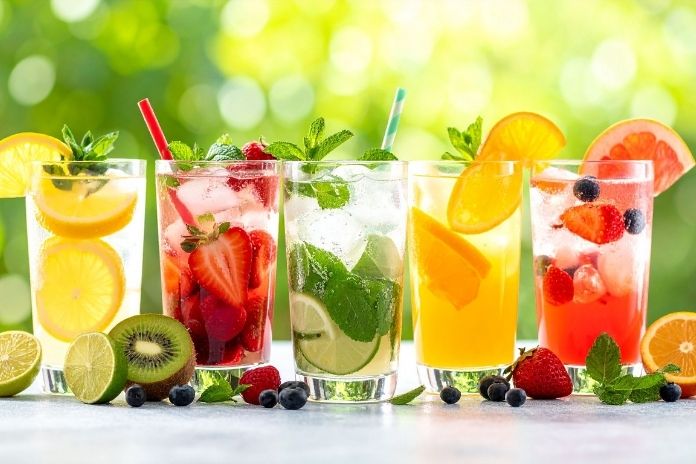
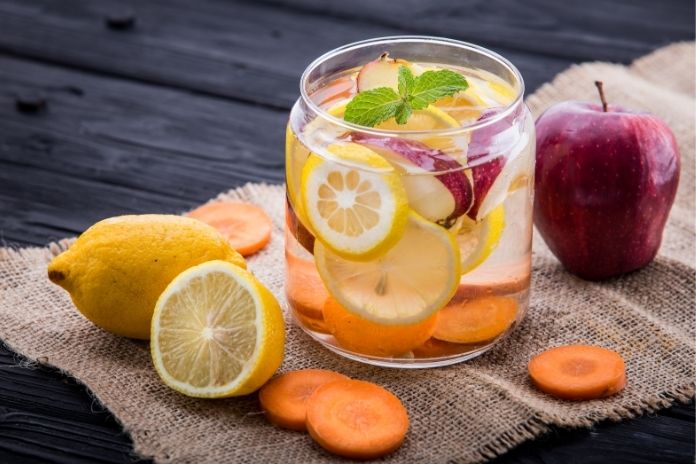
Fresh fruit infusions are an excellent choice for flavoring water. Fruit infusions release the flavor and aroma of the fruits into the water but do not extract a lot of sugars. Some of the most commonly used fruits for infusions include citrus fruits, strawberries, cucumber, and melon.
The advantage of using fresh fruits for infusions is that the flavor and aroma are released into the water without adding excessive sugar.
Instead of throwing a mix of fruits into the water, here are a few of the most popular options for infusions:
- Lemon and Mint: The lemon will add flavor to the water, and the mint will add an aroma.
- Strawberry and Basil: The strawberries add natural sweetness, while the basil brings a fresh, slightly herbal twist.
- Orange and Blueberry: The orange will add a flavor to the water, and the blueberry will add color to the water.
- Cucumber and Lime: The cucumber will add a flavor to the water, and the lime will add a flavor to the water.
Preparation of the Water:
To prepare the water for infusions, the water needs to be chilled for a few hours to allow the flavor to infuse into it. The fruits should not be left in the water for more than a day to avoid bitterness.
Fresh Herbs
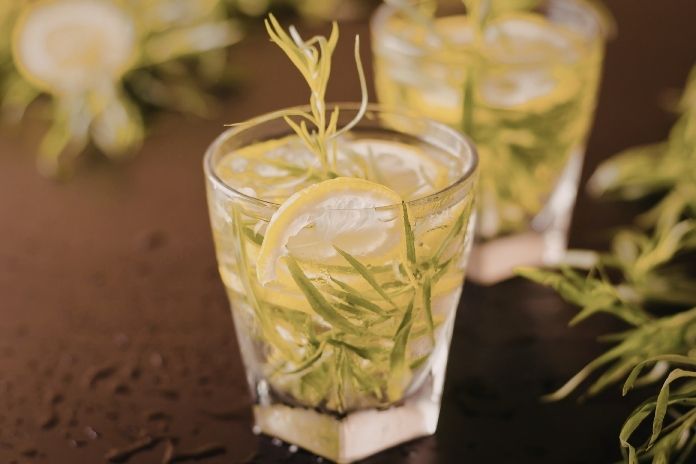
Herbs add depth to flavor without further sweetening the water. Mint, basil, rosemary, thyme, and lavender add to the aroma and flavor of a drink.
For example, a combination of rosemary and lemon is effective in reducing cravings for sweetened beverages. Basil and watermelon add flavor to water without adding calories.
Herbs are perhaps the most uncomplicated form of natural flavorings.
Frozen Fruit Cubes
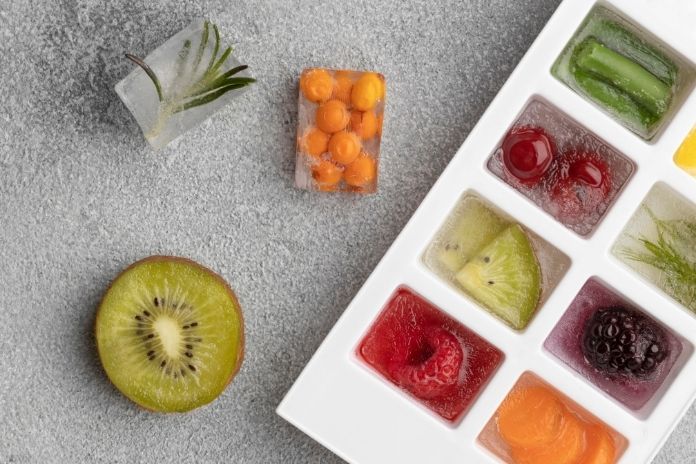
Frozen fruit cubes are a great way to incorporate fruit into a busy schedule. Simply add berries or citrus to ice trays and let their flavor slowly come out as they melt. This is a great way to control portion sizes and ensure a cold drink is always at hand. It also helps reduce food waste by utilizing leftover fruit.
Unsweetened Coconut Water (Diluted)
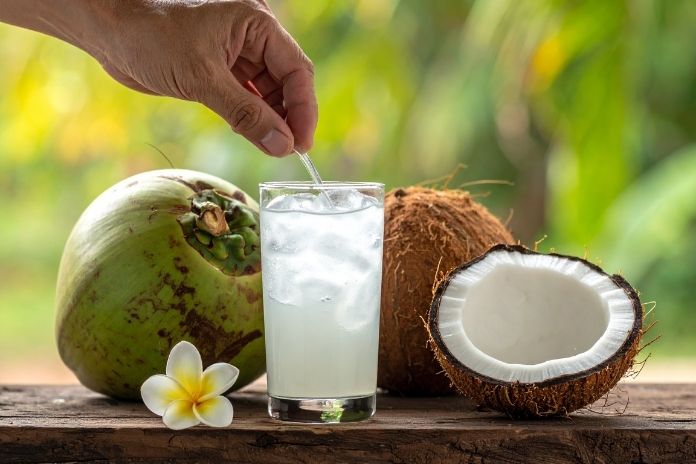
Coconut water is a rich source of potassium and a little sodium, both of which help replenish fluids post-workout or in hot weather. However, it does have a significant amount of natural sugars.
Mixing it with regular water helps cut calories while retaining flavor. As is always the case with any food item, it is best to check labels and consult health sites such as the FDA.
Read More: The Impact of Hydration: How Water Influences Your Diet and Health
Store-Bought Water Flavorings: What to Look For

Store-bought flavorings are convenient but vary widely in quality. Reading labels is essential.
Instead of a simple checklist, consider how each factor affects health:
- Ingredient list length: The more ingredients, the more processed the formula is likely to be. Your body will have an easier time digesting simple formulas.
- Sweetener type: If you are looking for sugar-free, stevia and monk fruit are good options, but so are artificial sweeteners such as aspartame and sucralose, which are also approved by the FDA in controlled amounts.
- Sodium content: Some of these flavors/drops are high in sodium and could affect your blood pressure if consumed daily.
- Artificial colors: If the color is bright, chances are it is artificial and provides no nutritional benefit to your body.
- Citric acid levels: If you are constantly consuming acidic drinks, you are wearing away your enamel, especially if you are sipping throughout the day.
By making these choices, you will be able to choose a sugar-free water flavoring that is part of a healthy lifestyle.
Are Artificial Sweeteners in Water Flavoring Safe?
Artificial sweeteners have been extensively studied. Organizations regularly monitor them for safety. Most of the available scientific evidence supports that artificial sweeteners are safe to consume in moderation.
They do not increase blood sugar levels and can actually help you reduce your calorie intake if you replace sweetened beverages with them.
However, people react differently to sweeteners. Some people complain of headaches, stomach problems, or increased cravings for sweets. Again, not everyone experiences these side effects, but moderation is essential.
Sweeteners can be helpful in flavored water if you’re trying to break the habit of drinking too much soda, but water is always the preferred choice.
Electrolyte Powders and Drops: Are They Healthy?
Electrolytes are minerals that are lost through sweating. There are times when electrolyte drinks are necessary.
For extensive physical activities, electrolyte drinks can help replenish the sodium and potassium lost through sweating. If you are ill and have been vomiting or have had diarrhea, electrolyte drinks can help to replace fluids. In hot weather or if you are physically exerting yourself at work, electrolyte drinks can help prevent dehydration.
For regular work in an office setting or for light physical activities, water is sufficient. Most electrolyte powders contain a lot of sugar and sodium, which are not necessary for regular use.
Is Sugar-Free Water Flavoring Better Than Soda?
In many cases, the answer is yes. Soda carries a lot of added sugars and calories. Replacing it with a sugar-free water flavoring helps eliminate calories and improve hydration. Flavored water can also be a tool to change habits. If a person is used to drinking soda, flavored water provides a familiar taste without all the sugars.
The idea is to gradually reduce the level of sweetness to adjust to a new taste. Ultimately it is all about creating new hydration habits instead of relying on sugary drinks.
Read More: Best Infuser Water Bottles: Add Flavor to Your Hydration Routine
Healthy Water Flavoring for Specific Goals
For Weight Loss
Low-calorie infused water and herbal flavoring help reduce calorie intake without sacrificing taste. Drinking flavored water before meals may increase fullness and reduce overeating.
Some people notice artificial sweeteners increase appetite. In this case, switching to unsweetened natural flavoring helps.
For Blood Sugar Management
It is recommended to avoid added sugars altogether. However, if you need to add some sweetness to your drink, you can try infusions or low-glycemic sweeteners like stevia or monk fruit. However, water with some fruit infusions is relatively low in sugar content and is considered to be safe for consumption.
For Kids
Kids tend to prefer sweet flavors in their drinks. However, you can try to gradually reduce the level of sweetness in the drink to help them get accustomed to it. It is recommended to avoid artificial colors in the drink. In addition to that, it is suggested to avoid high-sodium content in the drink.
Potential Downsides of Flavored Water
Even healthy options can have drawbacks.
The enamel on your teeth can be affected by acidic drinks. Infusions like citrus or citric acid increase the acidity level. To reduce the risk, drink flavored water with meals, drink it through a straw, and rinse with plain water afterward.
However, if you always depend on flavored drinks, you could be craving sweet tastes, which makes plain water less appealing. Some people also get gastrointestinal problems with artificial sweeteners or sugar substitutes. On the other hand, over-relying on flavored water could undermine your natural hydration habits.
The moral is to strike a balance.
How to Transition to Healthier Hydration
It is important to remember that building new habits is not an immediate process and requires patience, so do it slowly.
Start by combining flavored water with plain water and gradually reduce the level of sweetness to which your taste buds get accustomed. Store flavored water in the refrigerator and have it chilled and ready to drink, making it easier to stick to your decision to drink water.
You can also add sparkling water to your drink from time to time without adding sugar. Change the flavors regularly so that you do not get bored.
Maintain a simple record of your water intake until it becomes second nature to you.
The Bottom Line
The best type of healthy water flavoring is simple and unadulterated, as well as being low in sugars. Infused water with real fruits and herbs, frozen cubes with fruits, herbs, and ice cubes, and a splash of diluted coconut water appear to be the safest and most accessible choice.
Even store-bought flavorings can be part of a healthy lifestyle if used in moderation and selected thoughtfully.
The bottom line is that hydration is key, not perfection. If a healthy flavoring helps you consume more water regularly, it is a net gain for your health.
References
- Laya Healthcare. (n.d.). Supertrooper research.
- UNC Health Appalachian. (2025). Is zero-sugar soda actually better?
- U.S. Food and Drug Administration. (n.d.). Aspartame and other sweeteners in food.
- WebMD. (n.d.). Health benefits of coconut water
- International Journal of Biochemistry Research. (2025). [Article title not specified].
- Emory Healthcare. (n.d.). Healthy infused water recipes.
- Cookist. (n.d.). How to make fruit ice cubes: DIY fresh flavor enhancers.
In this Article