















A known sexually transmitted infection (STI), Trichomoniasis or trich, may seem overwhelming, but rest assured that it is a very common and easily curable infection. Trichomoniasis is caused by a microscopic parasite called Trichomonas Vaginalis that affects the urogenital tract in both men and women.
However, the infection is much more commonly seen to affect women, especially those who are sexually active and fall between the age groups of 18 and 50 years.
If you have come here looking for home treatment for trichomoniasis, it might be wise to first understand the causes and proven remedies for the infection. Trich is spread mainly through unprotected vaginal sex with an infected partner, and because the infection often remains asymptomatic, people end up spreading it unintentionally.
Trichomoniasis affects the vagina and urethra in women and the urethra in men. While there are several irritations and inconveniences that the trich parasite brings with it, the good news is that it is a completely curable infection. All you need is the right dose of prescribed antibiotics such as metronidazole (Flagyl) and tinidazole (Tindamax)!
To tell you the truth, there is no right answer for “trichomoniasis home remedies.” Still, there are certain measures you can adopt to ease the discomfort and recover quickly from the infection. Let us tell you what works as a cure for trichomoniasis.
What Trichomoniasis Feels Like — Common Symptoms

There are several symptoms of trichomoniasis, and you may not notice all of them as they vary widely from person to person. While some people complain of intense discomfort, others often notice no symptoms at all, which in turn leaves the disease undetected. In such cases, people unknowingly pass the infection to partners.
Therefore, one must remain aware and look out for the following common symptoms of trichomoniasis. Once that is discussed, we will look at ways to relieve trichomoniasis symptoms.
The common symptoms of trichomoniasis include irritation, itching, and burning in the genital area. Some people also undergo abnormal vaginal discharge, which may be yellow-green, frothy, and foul-smelling. Many complain of burning or pain during urination, mild lower abdominal pain or pressure, and discomfort during sexual intercourse.
In men, trichomoniasis symptoms may look like burning after urination or ejaculation, irritation inside the penis, or mild discharge.
In many cases, men remain asymptomatic carriers of trichomoniasis, which makes the treatment of their sexual partner(s) crucial. Thus, one of the foremost ways to relieve trichomoniasis symptoms is to act when the symptoms show. To neglect a sign is to intensify the pain and recovery struggle for the self and one’s partner.
Further, routine STI testing is recommended for everyone who is sexually active (especially with multiple partners) to ensure the sexual and overall wellness of oneself and others.
Read More: 10 Tips for Maintaining Sexual Health and Wellness
Medical Treatment: The Only Proven Way to Cure Trichomoniasis

There is no direct trichomoniasis natural treatment, and you must refrain from believing any source that vouches for the power of home remedies to treat this infection. The only reliable, proven, and tested cure for trichomoniasis is antibiotics.
While we strongly discourage the replacement of a doctor’s medical expertise and prescriptions with any online source (or even us), Metronidazole (Flagyl) and Tinidazole (Tindamax) are the two most commonly prescribed medicines for trichomoniasis.
Flagyl and Tindamax are oral antibiotics that may be taken either as a single large dose or in a short course over several days. Both antibiotics are known to kill the Trichomonas vaginalis parasite efficiently.
There may not be any home treatment for trichomoniasis, but there are certain mindful measures that you can follow at home to ensure a quick recovery from the infection. For instance, when you begin taking antibiotics, make sure to complete the full course (even when you feel like the symptoms are improving early). Stopping the medication before the prescribed duration can lead to the redevelopment of the infection.
Further, if one sexual partner is diagnosed with trichomoniasis, all the sexual partners must undergo treatment simultaneously to avoid any scope of reinfection. To allow the antibiotics to do their job and ensure a trichomoniasis natural treatment, refrain from consuming alcohol for at least 24-72 hours after taking the medicine. Mixing the two can lead to unnecessary discomfort in the form of vomiting, severe nausea, cramps, and flushing.
In addition, it goes without saying that you must abstain from any sexual activities until both partners have undergone treatment and feel symptom-free. It might be good to have at least a week’s gap between the end of your antibiotic course and being sexually active again.
Finally, remember to take your post-recovery follow-up tests seriously to ensure a complete cure for trichomoniasis.
Read More: 7 Vaginal Health Myths Doctors Wish Women Would Stop Believing
Home Remedies That May Help Relieve Symptoms
If you are still wondering about how to treat trichomoniasis at home, here are some remedies that strengthen your immune system, reduce discomfort, and help foster a healing environment to aid the impact of trichomoniasis medication.
1. Maintain Proper Hygiene

The first thing to do to avoid trichomoniasis or any infection, for that matter, is to maintain proper hygiene. Keeping the genital area clean and dry helps do away with irritation and bacterial overgrowth. Further, keeping the basics in mind also goes a long way in taking care of the delicate areas of the body.
For instance, avoiding soaps with fragrance and switching to milder products instead to wash the genital area, and choosing undergarments in breathable and loose fabrics like cotton as opposed to synthetic fabrics that trap moisture, and changing them daily.
Women should avoid douching, as it removes protective vaginal bacteria and might worsen the trichomoniasis infection.
2. Eat a Balanced, Immune-Boosting Diet

We all know the crucial role nutrition and wholesome meals play in helping our bodies fight infections. Your efforts on how to treat trichomoniasis at home must also include planning and preparing nutritious meals for yourself.
Try to include vitamin C and zinc-rich food in your daily diet along with probiotics like yogurt, sauerkraut, and kefir that help maintain a healthy gut and vaginal microbiome. Vitamin C is known to strengthen immunity, and you can get it from fruits and vegetables like oranges, kiwi, kale, and bell peppers.
Zinc, on the other hand, is an important element that helps tissue repair and immune cell function. Include items like pumpkin seeds, lentils, and chickpeas in your diet to increase your zinc intake.
Along with trichomoniasis medication, a balanced diet helps in faster recovery and prevents recurring infections. In women, this also translates to an improved vaginal pH balance.
3. Use Probiotics

To reduce the risk of trich infection in women (and several other infections), it is recommended to include probiotics in one’s diet. The lactobacillus species, or good bacteria that are naturally found in the vagina, help maintain a healthy microbiome.
Thus, including oral probiotic supplements in the diet helps improve gut and vaginal health. While probiotics help restore the vaginal bacterial health disrupted by infection, we must not confuse probiotics and trichomoniasis or think that the former can cure the latter. Probiotics merely support healing and should always be used in addition to antibiotics, and not as their replacement.
4. Apply a Cold Compress for Itching or Burning
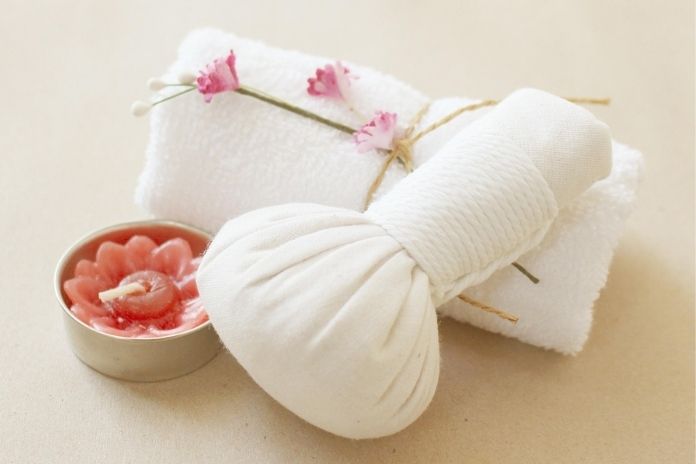
In case the symptoms of itching, burning, or inflammation in the genital area persist, you could try applying a cold compress for temporary relief. Use a clean cloth to wrap the ice and apply it gently for 5-10 minutes on the affected external area.
Remember not to use the ice directly on the skin. A cold compress helps soothe the discomfort briefly; however, it does not address the infection directly.
5. Stay Hydrated

Another helpful home treatment for trichomoniasis is hydration. Try to drink 2-3 liters of water every day to flush out toxins and metabolic waste from the body. Further, curtail the consumption of caffeine and alcohol while recovering from the infection, as it can irritate the urinary tract.
Home Remedies and Myths to Avoid
There are several myths circulating online that suggest home remedies to cure STIs like trichomoniasis. However, these trichomoniasis home remedies are not scientifically backed. For instance, many sources claim that consuming garlic can help cure the trichomonas vaginalis virus as it has antimicrobial properties. However, it is not a proven fact and can rather lead to burning and irritation if overconsumed.
Other sources advise the topical use of tea tree oil and apple cider vinegar. While the former can irritate the genital areas, the latter might disturb the vaginal pH, thus worsening the infection in both instances. Further, you must avoid using over-the-counter yeast creams, as trichomoniasis is a parasitic infection, and not a fungal infection.
Partner Treatment and Sexual Health Tips

As you might have figured out by now, trich spreads quickly. So, to prevent trichomoniasis reinfection, all sexual partners need to get tested and treated simultaneously. Further, you must refrain from sexual contact until all involved parties have fully recovered and are symptom-free.
In addition, you must make it a habit to use condoms or dental dams during all future sexual activity, and go for regular STI testing (every 6-12 months/ after a new partner) to reduce the risk of reinfection.
Lastly, partners need to have an open and healthy dialogue on sexual health to prevent the threat of recurring infections.
When to See a Doctor
To prevent trichomoniasis reinfection or its worsening, you must see a doctor even if the symptoms are mild and feel manageable at home. Further, if you notice unusual bleeding, swelling, or pain in your genital area, you must seek a doctor’s opinion at the earliest.
For pregnant women or those trying to conceive, untreated trichomoniasis could lead to complications like low birth weight, preterm birth, or premature rupture of membranes. Hence, the solution is always to get tested early and seek prompt medical support to ensure further spread or trichomoniasis reinfection.
Read More: Trichomonas Infection: A Common Sexually Transmitted Infection
Key Takeaway
To conclude, home treatment for trichomoniasis does not explicitly exist – it can merely offer temporary pain relief. Home treatment for the infection can also be understood as immune-boosting lifestyle habits. The only proven way to cure trich is with antibiotics prescribed by an expert, as these help fight the parasite and reduce the risks of reinfection.
Ensuring simultaneous treatment of all sexual partners, maintaining sexual hygiene, and going for routine STI screenings are ways to avoid contracting trichomoniasis.
References
- National Health Service. (n.d.). Trichomoniasis. NHS.
- Mayo Clinic. (n.d.). Trichomoniasis – Symptoms and causes.
- Cleveland Clinic. (n.d.). Trichomoniasis.
- Centers for Disease Control and Prevention. (n.d.). Trichomoniasis – About trichomoniasis.
- Centers for Disease Control and Prevention. (2021). Sexually transmitted diseases treatment guidelines – Trichomoniasis.
- Verywell Health. (2025). How to treat trichomoniasis at home.
In this Article