

















You’re sitting on the couch, hand pressed to your chest. Your heart is pounding. Breathing feels tight and shallow. A spiral starts in your head: Is this just anxiety… or am I having a heart attack?
That question terrifies people for a reason. Heart attack and panic attack symptoms overlap a lot: chest pain, shortness of breath, sweating, dizziness, and even a sense that you might die. And in the middle of it, it’s almost impossible to think clearly.
Here’s the hard truth: without tests, even doctors can’t always tell the difference at first glance. That’s why cardiology and emergency medicine guidelines are very clear about one thing: if there’s any real doubt, you treat it like a heart attack and get emergency help.
This guide breaks it down in plain language. You’ll learn how heart attacks and panic attacks differ, which red-flag symptoms demand a 911 call, what to do while waiting for help, and where panic attacks fit into the picture once a heart attack has been ruled out. It’s not here to help you self-diagnose; it’s here to help you not ignore something that could kill you.
Important: This article is for education, not diagnosis or treatment. If you have chest pain, trouble breathing, or symptoms that worry you, call emergency services immediately.
Key Takeaways: What You’ll Learn
- The major warning signs of a heart attack and why they’re a medical emergency.
- How panic attacks typically show up and how they differ in timing, pain pattern, and triggers.
- A simple “when in doubt, call 911” rule of thumb that aligns with cardiology and emergency guidelines.
- What to do while you’re waiting for help, and why driving yourself is the wrong move for suspected heart attack symptoms.
What Is a Heart Attack and What Is a Panic Attack?

Heart Attack (myocardial infarction)
A heart attack happens when blood flow through a coronary artery is blocked, usually by a blood clot forming on top of a ruptured plaque. That blockage starves part of the heart muscle of oxygen and begins to kill tissue within minutes.
Common causes:
- Atherosclerosis (buildup of fatty plaque in the coronary arteries).
- Clot formation on a ruptured or eroded plaque.
- Less common: spontaneous coronary artery dissection or severe spasm.
Because the heart muscle is literally dying during a heart attack, time is muscle; the faster blood flow is restored, the more heart function can be saved, and the better the chances of survival.
Panic Attack
A panic attack is a sudden, intense episode of fear or discomfort with strong physical symptoms, racing heart, chest discomfort, shortness of breath, dizziness, and trembling, driven by the body’s fight-or-flight response rather than blocked heart arteries.
According to the Cleveland Clinic, panic attack symptoms usually peak within about 10 minutes and often resolve within 20–30 minutes, although some people feel washed out or anxious for longer.
This narrative review analyzes many studies exploring physiological mechanisms linking panic disorder to heart disease: chronic sympathetic activation (stress response), lower heart-rate variability (HRV), unhealthy lifestyle, possible microvascular dysfunction, etc. It concludes that while there is evidence of association, a clear causal pathway is still missing.
The key point:
- A heart attack is a structural, blood-flow problem in the heart.
- A panic attack is a nervous system and anxiety problem, very real and distressing, but not caused by blocked coronary arteries.
The symptoms can look nearly identical in the moment. That’s what makes guessing wrong so dangerous.
Signs and Symptoms of a Heart Attack

Heart attack symptoms vary; some people have the “classic movie” crushing chest pain, others have vague or “silent” signs. But cardiology groups agree on several core red flags.
Classic “typical” symptoms
According to Mayo Clinic and the American Heart Association, common warning signs include:
- Chest discomfort:
- Pressure, squeezing, fullness, tightening, or pain in the center or left side of the chest.
- Often lasts more than a few minutes or goes away and comes back.
- Pain or discomfort that spreads to one or both arms, shoulders, back, neck, jaw, or upper stomach.
- Shortness of breath, with or without chest discomfort.
- Cold sweat, clamminess.
- Nausea, vomiting, or indigestion-like discomfort.
- Lightheadedness, fainting, or unusual fatigue.
A heart attack often causes chest pain that persists longer than 15 minutes and may escalate or wax and wane rather than resolving completely.
Atypical or subtle symptoms (especially in women and some high-risk groups)
Women, older adults, and people with diabetes are more likely to have non-classic symptoms. The American Heart Association notes that women often present with:
- Unusual fatigue
- Shortness of breath
- Nausea, vomiting, or indigestion
- Pain in the back, neck, jaw, or shoulder, sometimes without obvious chest pain
These “soft” symptoms are often misread as gas, anxiety, or a pulled muscle, which leads to delays in seeking care and worse outcomes. Bottom line: Heart attack symptoms are a medical emergency. If you think it might be a heart attack, treat it like one and call 911.
Read More: Signs of a Heart Attack That Could Show Up a Month Before
Signs and Symptoms of a Panic Attack
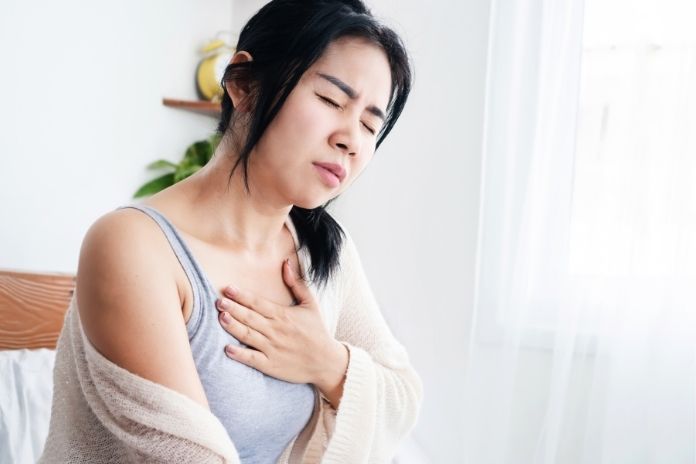
Panic attacks are common in anxiety disorders, but they can also happen in people who’ve never had a mental health diagnosis.
Cleveland Clinic and the University of Rochester Medical Center list these typical panic attack features:
- Sudden onset of intense fear or discomfort, often “out of the blue”
- Racing or pounding heart
- Chest pain or tightness
- Shortness of breath or feeling like you can’t get enough air
- Sweating, trembling, or shaking
- Dizziness, lightheadedness, or feeling faint
- Chills or hot flashes
- Numbness or tingling in hands, feet, or around the mouth
- Sense of unreality (feeling detached from yourself or surroundings)
- Fear of dying, going crazy, or losing control
Key timing difference:
Symptoms usually peak within about 10 minutes, often start to ease by 20–30 minutes, and don’t keep worsening over hours, as an ongoing heart attack can.
Panic attacks are real, frightening, and exhausting, but they don’t damage the heart muscle the way a heart attack does. That said, if you’re not absolutely sure it’s “just panic,” you still follow the emergency rule: get checked.
“If you are an anxious person or you’ve had a panic attack before, sit down and take some deep breaths or do some calming exercises. If the symptoms ease, it may be more likely to be a panic attack,” says Andrew Mathias, MD, of UR Medicine Cardiac Care. “But if it continues, worsens, or quickly recurs, it’s best to get care immediately.”
Read More: How to Tell If You’re Having a Panic Attack: Key Symptoms and What Helps
Key Differences: Heart Attack vs. Panic Attack
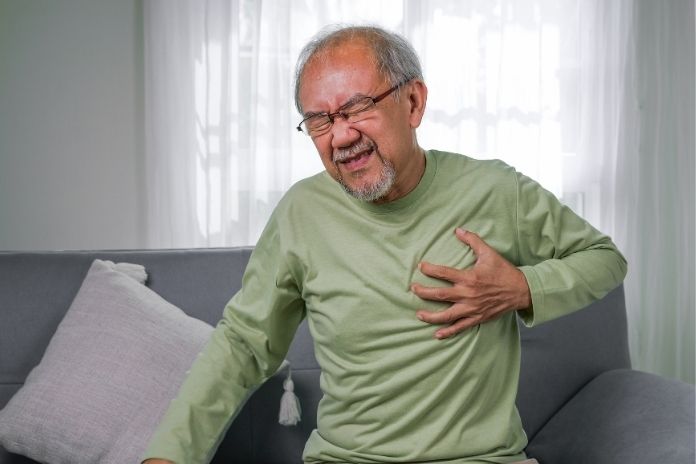
No checklist is perfect, but doctors look at several patterns that can tilt suspicion one way or the other. Even then, they often need an ECG and blood tests to be completely sure.
1. Onset and duration
- Heart attack
- It can start suddenly or gradually.
- Pain or pressure often lasts longer than 10–15 minutes, may come and go, but doesn’t fully resolve with rest.
- Panic attack
- Typically very sudden, starts often in minutes.
- Peaks fast (around 10 minutes) and usually resolves within 20–30 minutes, though you may feel drained afterward.
If chest pain just keeps going, growing, or repeatedly returns over a short period, that leans more toward the heart than pure panic.
2. Pain quality and location
Cardiologists often ask patients to describe the sensation and point to where it is.
- Heart attack pain
- Often described as pressure, squeezing, fullness, or heavy tightness, not usually a quick “jab.”
- Commonly felt in the center or left side of the chest.
- Frequently radiates to one or both arms (often left), neck, jaw, back, or upper stomach.
- Panic attack chest discomfort
- Can be sharp, stabbing, or more diffuse tightness.
- More likely to stay localized in the chest and not radiate down the arm or into the jaw, though there are exceptions.
Radiating chest pain, especially paired with shortness of breath, cold sweat, or nausea, is a red flag for a heart attack until proven otherwise.
3. Triggers and context
- Heart attack
- May occur during physical exertion (climbing stairs, shoveling snow, sex), emotional stress, or even at rest, especially in the early morning.
- More common in people with risk factors: age, smoking, high blood pressure, diabetes, high cholesterol, and strong family history.
- Panic attack
- Frequently linked to stress, anxiety, phobias, or specific situations, but can feel like it comes “out of nowhere.”
- May occur when you’re sitting quietly, trying to sleep, or in a triggering environment (crowded spaces, flying, conflict).
Context matters, but it never replaces medical evaluation. People with anxiety disorders can also have heart disease, and they’re at a risk of having both over a lifetime.
4. Risk and urgency
- A heart attack is an immediate threat to life and the heart muscle. Delaying care means more damage and a higher risk of death or heart failure.
- A panic attack is not directly life-threatening, but extremely distressing and can increase long-term cardiovascular risk if chronic and untreated.
Because the downside of missing a heart attack is so huge, emergency medicine follows a simple rule: If you’re not sure whether it’s panic or heart, assume heart and call 911.
When to Call 911 – Don’t Wait
Here’s where you stop trying to self-analyze and start acting.
Call 911 (or your local emergency number) immediately if:
- You have chest pain, pressure, or discomfort that:
- lasts more than a few minutes, or
- goes away and comes back, or
- is severe, crushing, or feels like “an elephant on your chest.”
- The chest discomfort is accompanied by:
- Pain spreading to your arm, shoulder, neck, jaw, or back
- Shortness of breath
- Cold sweat, nausea, or vomiting
- Lightheadedness, fainting, or sudden weakness
- Symptoms persist or worsen, not just brief stabbing pains that resolve quickly.
“It is good to know some of the differences between a panic attack and a heart attack, but if you are having chest pain that persists for more than several minutes despite calming techniques, you should seek medical attention right away,” says Andrew Mathias, MD, of UR Medicine Cardiac Care.
And one more critical point:
Do not drive yourself (or let someone else who has these symptoms drive). Call an ambulance.
EMS teams can start treatment en route and get you into the right part of the hospital faster. Multiple hospital systems and cardiology organizations specifically warn against driving yourself during a suspected heart attack. Even if it “turns out” to be a panic attack, you did the right thing. You’re not wasting anyone’s time by staying alive.
What to Do While Waiting for Emergency Help
Once you’ve called 911, here’s what most emergency and cardiology guidelines recommend:
Stop what you’re doing. Sit or lie down in a comfortable position with your head and shoulders elevated and knees slightly bent. This reduces the heart’s workload.
Stay as calm and still as you can. Speak slowly, reassure yourself, or the person with symptoms. Panic can increase heart rate and oxygen demand.
Follow dispatcher instructions. In many regions, the dispatcher may advise chewing a tablet of aspirin if:
- You’re not allergic,
- You have no contraindications (like major bleeding risk), and
- They’ve specifically told you to do it.
Do not delay the 911 call to take aspirin, and don’t self-medicate beyond what your doctor or the dispatcher has recommended.
Use prescribed nitroglycerin if you have it. If a doctor has given you nitroglycerin for angina, take it exactly as prescribed while you wait. Don’t use anyone else’s medication.
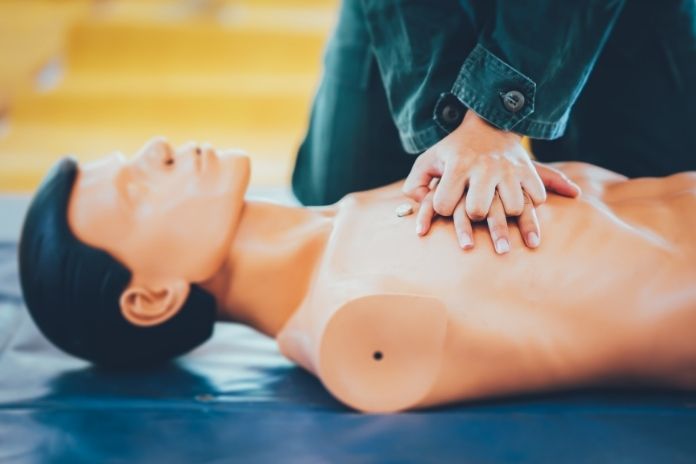
Be ready for CPR. If the person becomes unresponsive and stops breathing normally, someone trained in CPR should begin chest compressions until help arrives. Many EMS and heart-association sites emphasize that bystander CPR sharply improves survival.
What about panic-calming techniques? Breathing exercises, grounding techniques, or focusing on a fixed object can be incredibly helpful during a panic attack, after a heart attack has been ruled out by a healthcare professional. During active, unexplained chest pain, you prioritize emergency assessment first.
FAQs
How do I know if my chest pain is from a heart attack or a panic attack?
You can’t reliably know on your own. Patterns help, radiating pressure-like pain that lasts more than 10–15 minutes and comes with shortness of breath, sweating, or nausea points more toward a heart attack; sharp chest pain that peaks within 10 minutes during a surge of fear leans toward panic.
But emergency guidelines are clear: if chest pain is new, severe, or lasting more than a few minutes, call 911. Let professionals and tests distinguish between the two.
Can a panic attack cause a heart attack?
A single panic attack doesn’t usually cause a heart attack in an otherwise healthy heart. But repeated severe anxiety and chronic stress can contribute over time to higher blood pressure, inflammation, and unhealthy coping behaviors, which may increase cardiovascular risk.
If you have heart disease or risk factors, intense surges of adrenaline during panic might unmask or worsen symptoms, which is another reason to have both your heart and mental health properly evaluated.
How long does chest pain from a panic attack last compared to a heart attack?
Panic attack chest pain: typically rises quickly, peaks within about 10 minutes, and improves over 20–30 minutes, though milder symptoms or anxiety can linger.
Heart attack chest pain: often lasts longer than 15 minutes, may come and go, but doesn’t fully settle with rest or calming alone, and can progressively worsen.
Any chest pain that keeps returning or doesn’t clearly resolve needs urgent medical assessment.
Should I go to the ER for a panic attack?
If you’re not sure it’s “only” a panic attack, especially if it’s your first episode, the symptoms feel different from your usual pattern, or you have heart risk factors, yes, seek urgent care. Chest pain, trouble breathing, or loss of consciousness requires emergency evaluation, even in someone with a past panic disorder.
Once a heart attack and other serious conditions are ruled out, your provider can help you build a treatment plan for panic attacks that may include therapy, medication, and lifestyle changes.
What tests do doctors use to tell the difference?
In the ER, clinicians might use:
- Electrocardiogram (ECG) to look for ischemia or infarction patterns.
- Blood tests (like troponin) to check for heart muscle damage.
- Chest X-ray or other imaging if needed.
- Vital signs and risk-factor assessment.
Panic attacks usually don’t alter troponin levels or produce classic heart attack ECG changes, which helps doctors sort things out. But they still rely on your story and risk profile, not tests alone.
If it “was just panic,” what should I do next?
Don’t just shrug it off. Recurrent panic attacks are treatable, and getting help early reduces long-term impact on your life and possibly your heart. Cognitive behavioral therapy, medication in some cases, and specific strategies to manage triggers and bodily sensations all make a big difference.
Ask your primary care doctor for a referral to a mental health professional who has experience with anxiety disorders and panic.
Final Thoughts
Heart attacks and panic attacks can feel disturbingly similar in the moment: crushing fear, chest pain, breathlessness, sweating, the sense that something terrible is happening. One is immediately life-threatening. The other is profoundly distressing but less likely to kill you in the next hour. Both deserve respect and proper treatment.
Your job in that crisis is not to be a cardiologist. Your job is to:
- Recognize that serious chest symptoms are never something to ignore.
- Call 911 when red flags appear.
- Let emergency professionals and tests figure out which one it is.
If it’s a heart attack, fast action can save heart muscle and your life. If it’s a panic attack, the same evaluation keeps you safe and opens the door to real help for your anxiety. When your chest is screaming, and your brain is spinning, err on the side of survival. Call for help.
References
- https://www.heart.org/en/health-topics/heart-attack/warning-signs-of-a-heart-attack
- https://www.mayoclinic.org/diseases-conditions/heart-attack/symptoms-causes/syc-20373106
- https://abrolhospital.co.in/blogs/10-warning-signs-of-heart-attack/
- https://www.apollohospitals.com/health-library/heart-attack-warning-signs-you-should-never-ignore
- https://health.clevelandclinic.org/early-signs-of-a-heart-attack
- https://kdhospital.co.in/blog/early-warning-signs-of-a-heart-attack-you-should-never-ignore
- https://www.cdc.gov/heart-disease/about/heart-attack.html
- https://apollodiagnostics.in/blogs/5-heart-attack-warning-signs-you-shouldnt-ignore
- https://www.nhlbi.nih.gov/health/heart-attack/symptoms
- https://www.webmd.com/heart-disease/heart-disease-heart-attacks
- https://www.merillife.com/blogs/4-warning-signs-of-imminent-heart-attack
- https://www.felixhospital.com/blogs/cardiology/7-everyday-warning-signs-leading-to-a-heart-attack
- https://www.healthdirect.gov.au/heart-attack
- https://www.ecommunity.com/services/heart-and-vascular/heart-attack-warning-signs
- https://www.heart.org/en/about-us/heart-attack-and-stroke-symptoms
- https://www.narayanahealth.org/blog/warning-signs-for-heart-attacks
- https://www.apollo247.com/health-topics/heart-attack/heart-attack-warning-signs
In this Article