











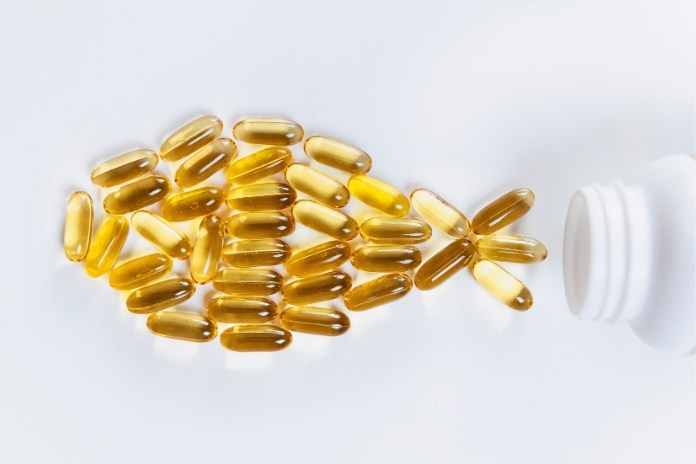
Taking fish oil or omega-3 capsules every day? Taking these on their own won’t help much unless you pair them with the right diet. What you eat with them can make or break their effectiveness. Many people take omega-3 supplements regularly, but rarely consider the impact of foods to pair with fish oil.
The truth is this: EPA and DHA are fat-soluble nutrients, and for better omega-3 absorption, these nutrients must be taken together with the best foods to eat with omega-3 supplements, especially foods rich in healthy fats.
The right food pairing can help boost omega-3 bioavailability, reduce fishy burps, support digestion, and make sure you’re getting full heart, brain, and skin benefits.
This article breaks down the best foods to pair with fish oil, what to eat with omega-3 capsules, how to take omega-3 with a meal or on an empty stomach, and which timing habits matter most. You’ll also learn the foods to avoid and simple meal ideas that make pairing with omega-3s easy and effective.
By the end, you’ll know exactly how to transform your daily fish oil routine into a nutrient-boosting habit that helps your body.
Key Takeaways — What You’ll Learn
- Why is the omega-3 absorption with food so much higher than on an empty stomach?
- The best foods to take with your omega-3 supplement for maximum absorption of EPA and DHA.
- Naturally enhancing omega-3 bioavailability with meal and snack pairing.
- Common mistakes – like taking fish oil with black coffee or processed foods – that reduce effectiveness.
- How to time your omega-3 capsules for consistent daily benefits.
Read More: 5 Best Omega-3 Supplements for Men: Enhance Your Heart Health and Vitality
Why Omega-3 Supplements Need the Right Food Partner
1. Fat-Soluble Nutrients Require Dietary Fats
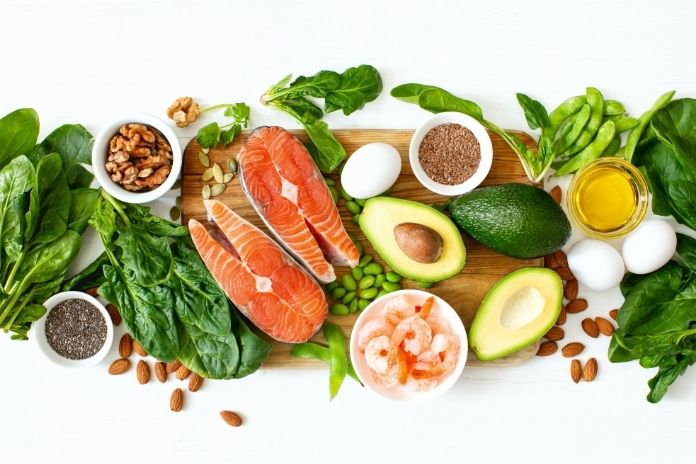
The active ingredients EPA and DHA from fish oil and algae oil require dietary fats for efficient omega-3 absorption. When omega-3 supplements are combined with foods containing monounsaturated or polyunsaturated fats, the body forms tiny droplets of fat called micelles. These help omega-3s cross the intestinal wall into the bloodstream.
Hence, taking omega-3 with a fat-free meal, such as plain fruit or black coffee, results in significantly lower absorption. Many nutrition experts also point out that taking omega-3 on an empty stomach may reduce its absorption. In a study, when EPA and DHA were consumed with a high-fat meal, their absorption (especially for the EE form) increased significantly: for EE, absorption increased by approximately 60%.
Additionally, healthy fats such as avocado, olive oil, eggs, nuts, seeds, and yogurt act as absorption boosters, helping your supplement work effectively.
2. Reducing Fishy Burps and Side Effects
Another reason to take omega-3 with food? It is related to omega-3 and digestion. It slows digestion, allowing for a smoother breakdown of the capsule. When fish oil is taken on an empty stomach, it commonly results in:
- Fishy aftertaste
- Burping
- Nausea
- Indigestion
- Reflux, especially with big capsules
Pairing fish oil with meals reduces the risk of the oil “floating” to the top of your stomach. Some people also refrigerate their supplements to reduce burping. However, the biggest factor is always whether you take omega-3 with a meal or empty stomach.
Best Foods to Eat with Omega-3 Supplements
1. Healthy Fat Sources — Your Absorption Boosters
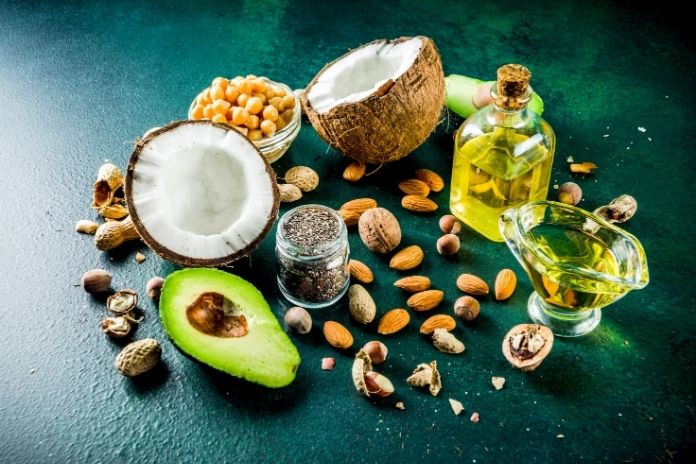
Healthy fats are essential for proper omega-3 absorption. These are the best foods to combine with fish oil, as they directly improve the bioavailability and digestion of omega-3s.
Avocados:
Avocados are among the best foods to be paired with omega-3 supplement capsules. This is because they are packed with monounsaturated fats. Whether you add it to salads, toast, wraps, or bowls, avocado creates the perfect environment for taking omega-3s with food. Fish oil and avocados are the best combination for promoting omega-3 absorption.
Nuts and Seeds:
Nuts and seeds do not directly help absorb omega-3 better. However, they are a rich source of omega-3 fatty acids, particularly the plant-based alpha-linolenic acid (ALA).
Best options include:
- Walnuts, rich in ALA omega-3s
- Almonds
- Pistachios
- Chia seeds
- Flaxseeds
- Sunflower seeds
- Pumpkin seeds
These foods also contain vitamin E, which helps protect omega-3 fats from oxidation inside the body.
Nut Butters:
Almond butter, cashew butter, and peanut butter pair well with omega-3 capsules for breakfast. Spread on bread or mix into oatmeal. Some people even enjoy adding them to their smoothies.
Olive Oil:
Olive oil and fish oil go well together. In particular, extra-virgin olive oil is a high-omega-3 enhancer. You can simply drizzle olive oil over vegetables, salads, or grains; it instantly adds the dietary fat the body needs for proper digestion.
This is also why many people wonder whether they can take fish oil with avocado or olive oil; the answer is yes, and it’s one of the best combinations for absorption.
Coconut Oil:
Though higher in saturated fat, coconut oil still helps omega-3s move through the digestive system effectively. Use it in small amounts for sautéing or add it to curries.
2. Omega-3-Friendly Meals
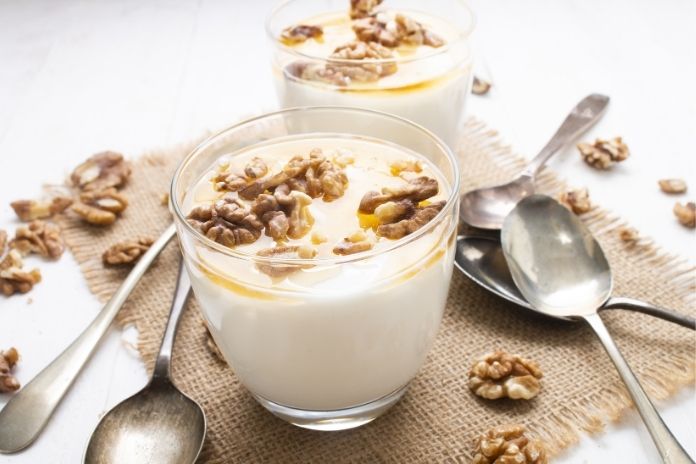
Knowing what one is supposed to eat with supplements of omega-3 is one thing, but how does one incorporate them into meals?
Here are easy and delicious pairing ideas for better omega-3 bioavailability:
Breakfast Combinations:
- Greek yogurt with walnuts, chia seeds, and blueberries
- Smoothies with yogurt, nut butter, and berries
- Avocado or peanut butter on whole-grain toast
- Oatmeal mixed with almond butter, flaxseeds, and banana
These options promote digestion, have antioxidant properties, and complement omega-3 capsules well.
Lunch Pairings:
- Salmon or chicken salad with avocado and olive oil dressing
- Whole wheat wrap filled with hummus, crunchy veggies, and mixed nuts.
- Warm quinoa or brown rice bowl with olive oil-sautéed vegetables
Lunch is ideal for people who do not want to impact their digestion with a morning cup of coffee.
Dinner Pairings:
- Stir-fry of vegetables in olive oil with tofu, eggs, or chicken
- Whole-wheat pasta tossed with olive oil, spinach, tomatoes, and pine nuts.
- Burrito bowls with avocado, black beans, and sautéed peppers.
Dinner can be one of the best times, since many people also take omega-3s for sleep support.
Snack Pairings:
- Almond-butter toast
- Greek yogurt with berries and sunflower seeds
- Crackers with guacamole
- Trail mix with nuts, seeds, and dark chocolate
These snacks work especially well if you take your omega-3 supplement between meals.
Read More: Omega-3 Fatty Acids For Cancer Treatment? Research Shows Signs of Possibility
3. Antioxidant-rich Foods
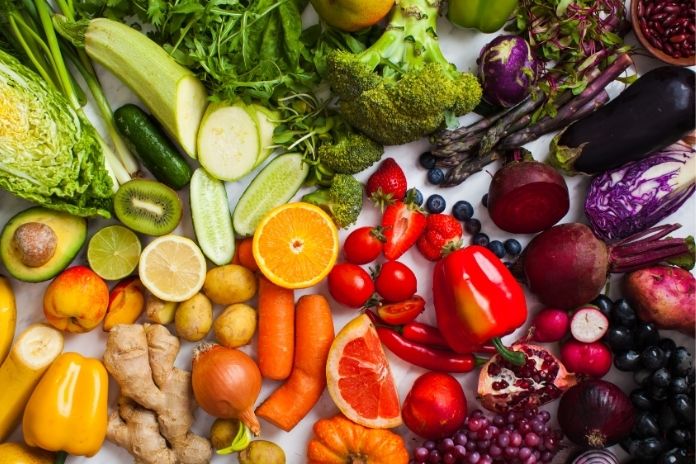
Antioxidants protect omega-3 fatty acids from oxidation both inside your body and during digestion. By taking your omega-3 supplements with antioxidant-rich foods, you ensure omega-3s remain stable, effective, and long-lasting.
Top antioxidant-rich foods include:
- Berries: blueberries, strawberries, raspberries
- Leafy greens: spinach, kale, arugula
- Tomatoes
- Oranges and citrus fruits
- Green tea
- Dark chocolate
- Red and purple grapes
Vitamin E foods such as almonds, sunflower seeds, hazelnuts, and avocado are particularly helpful because they protect omega-3s from oxidative stress at the cellular level.
Omega-3 paired with antioxidants promotes absorption, supports the health of the heart and skin, reduces inflammation, and helps protect the cells.
Foods and Habits to Avoid When Taking Omega-3s
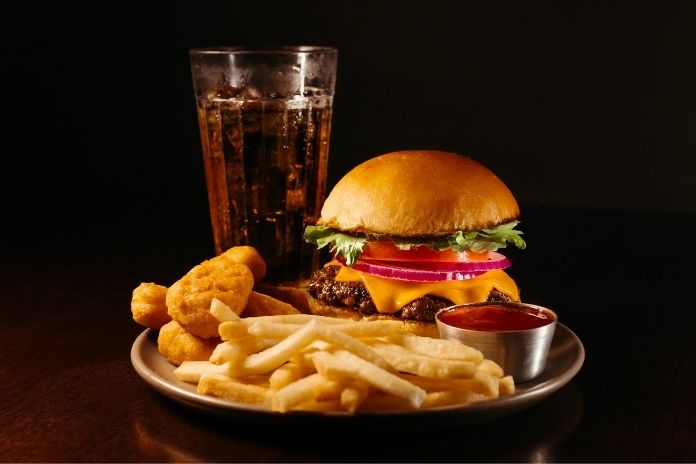
Even the best foods to eat with omega-3 supplements won’t help if certain habits sabotage absorption.
1. Avoid Taking Omega-3 on an Empty Stomach
Taking omega-3s on an empty stomach is the most common mistake. Taking fish oil without food results in:
- Poor absorption
- Stomach upset
- Nausea
- Fishy burps
Always take omega-3 with a fat-containing meal, not with water or plain coffee.
2. Avoid Trans-Fat and Processed Foods
Foods containing trans fats can block omega-3 pathways, leading to increased inflammation. Try to limit the following for better omega-3 bioavailability:
- Fried foods
- Packaged snacks
- Margarine
- Fast foods
- Ultra-processed baked goods
These foods undermine the very benefits omega-3 is supposed to provide.
3. Be Careful with Alcohol and Caffeine
Alcohol and caffeine can irritate the lining of the stomach and move food through the digestive tract more quickly, preventing the omega-3 absorption.
If you drink coffee every morning, take your omega-3 after breakfast, not before.
Read More: Savory Heart-Healthy Salmon Salad: A Nutritious Omega-3 Boost
Timing Tips — When to Take Omega-3s for Maximum Benefit

1. Take Omega-3 Supplements With a Main Meal
Taking Omega-3 supplements with a main meal ensures they are paired with fats, proteins, and slow-digesting carbohydrates. This makes the perfect combination for optimal omega-3 absorption.
Breakfast and lunch are the most popular options for better omega-3 absorption with food. However, dinner also works if that’s when you normally eat your biggest meal.
2. Split Doses for Better Absorption
If you take omega-3 twice a day:
- Take one capsule with breakfast
- Take the second with dinner
This improves absorption and reduces the risk of gastrointestinal distress.
3. Make It Routine
The best time to take omega-3 is when you can stick with it consistently. Habit wins over the clock.
Try to have:
- Omega-3 with breakfast every day, or
- Omega-3 with a dinner bowl, or
- Omega-3 with a yogurt snack.
The more consistent you are, the more benefits you will notice.
Quick Recap
Omega-3 is a fat-soluble nutrient, and as such, is most effectively paired with foods containing avocados, nuts, seeds, olive oil, yogurt, and antioxidant-rich foods. Taking fish oil or omega-3 capsules on an empty stomach reduces absorption and increases discomfort.
You can promote the bioavailability of omega-3 by taking it with healthy fats and vitamin E–rich foods. Avoid combining omega-3 supplements with processed foods, trans fats, or coffee taken on an empty stomach.
The key to better heart, brain, joint, and skin benefits is consistency and pairing the right food with the omega-3 supplements.
References
- TOI Lifestyle Desk. (2025, August 9). The best time to take omega‑3s to support brain, heart, and joint health. The Times of India.
- Greater Orlando GI. (2021, October 29). Foods and digestion: What to eat and what to avoid.
- Beastlife. (n.d.). How to take fish oil capsules? A complete guide.
- Wiley. (2016). [Article on omega‑3 supplement utilization by manufacturers]. LITE.
- (Author unknown). (n.d.). [PDF on omega‑3 / fish oil supplements]. Semantic Scholar.
- Health.com. (n.d.). 6 foods to pair with omega‑3 supplements for maximum benefits.
In this Article